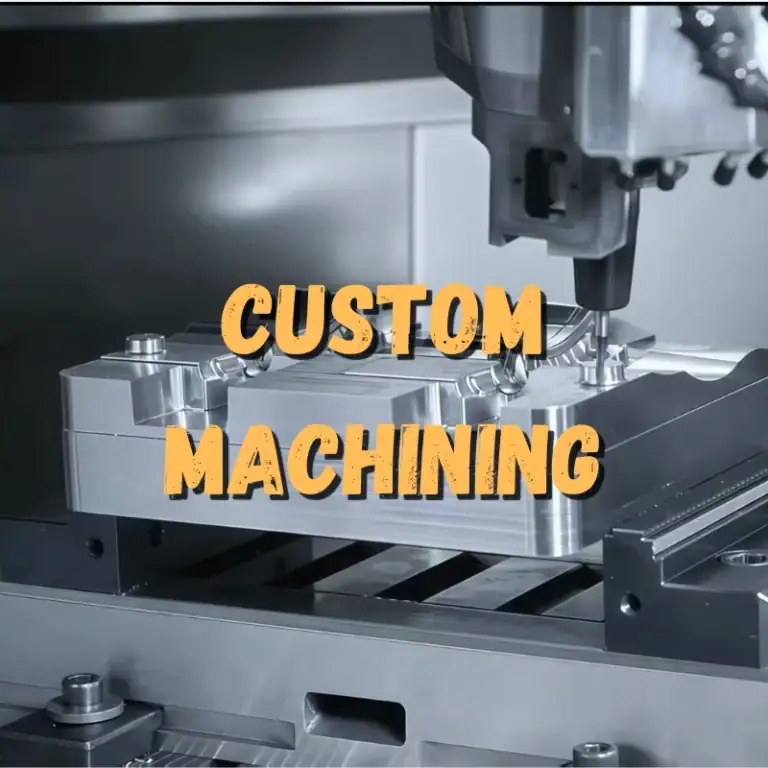
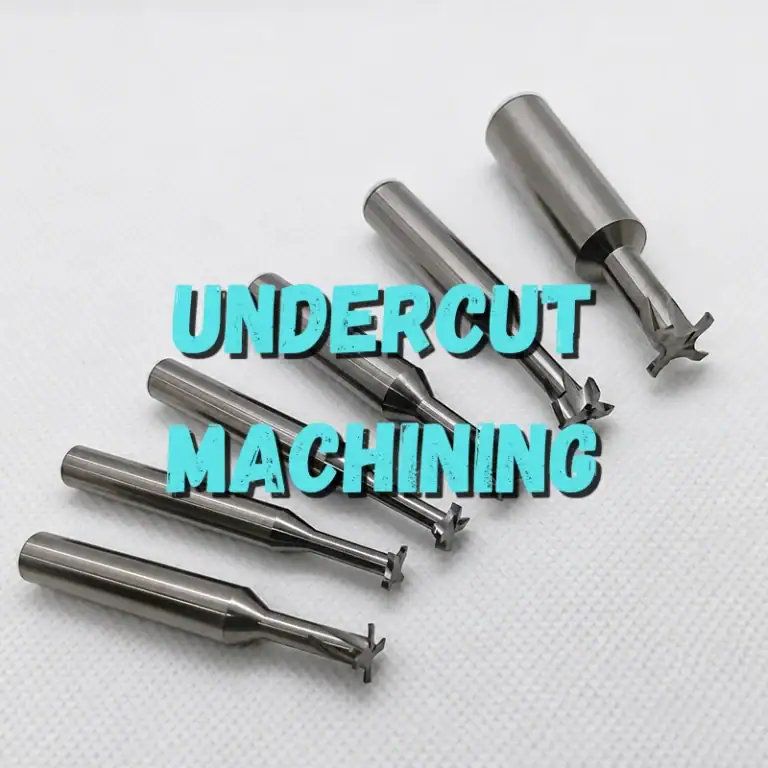
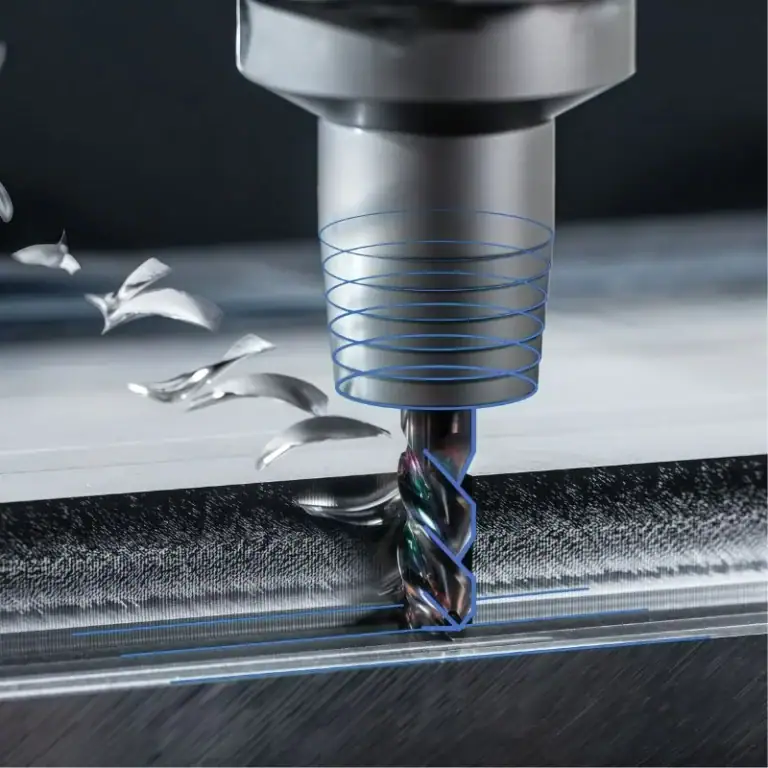
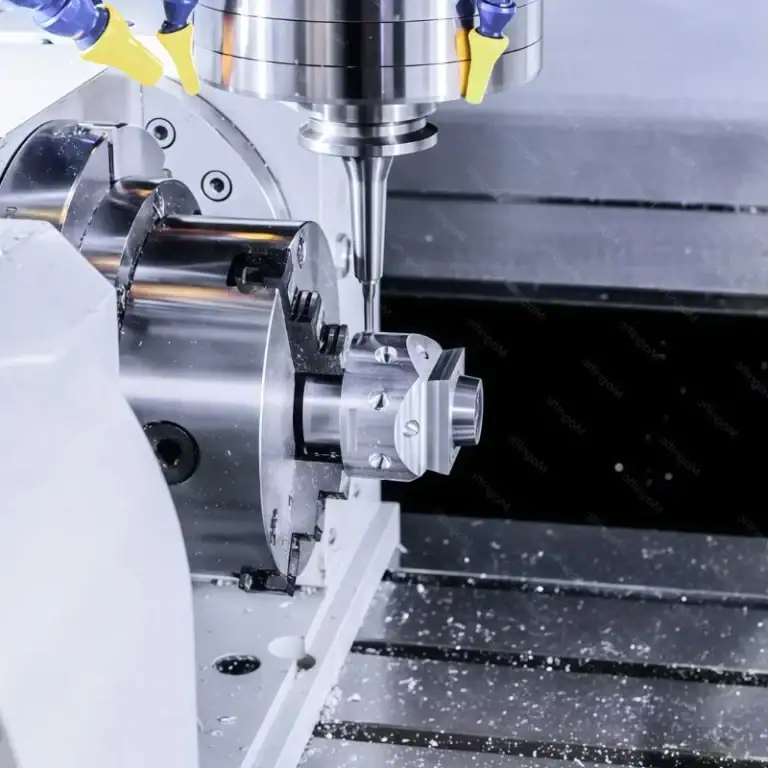
In modern manufacturing, precision machining is a core process for improving product quality and production efficiency. Tools are the key components in machining, and their selection directly affects workpiece accuracy, surface finish, and production costs. Different materials and process conditions require different tool materials, geometries, coatings, and usage methods. Mastering the selection techniques for precision machining tools not only improves machining stability but also extends tool life and enhances production efficiency, creating greater value for manufacturers.
Tool Material Selection Techniques
Tool material forms the foundation of performance, and different materials are suitable for different machining scenarios. Choosing the right tool material ensures machining accuracy while significantly affecting tool lifespan and efficiency. Understanding the advantages and limitations of each material and matching it to the workpiece characteristics is key to achieving stable precision machining.
High-Speed Steel (HSS) Tools
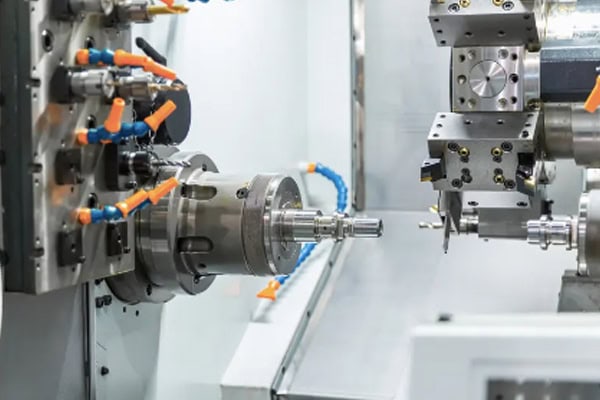
HSS tools are widely used due to their toughness and low cost.
- Application: Suitable for low to medium hardness metals, plastics, and non-ferrous metals.
- Advantages: Resistant to breakage, easy to maintain and re-sharpen, ideal for small batch production or operations requiring frequent adjustments.
- Recommendations: When machining harder materials, reduce cutting speed to avoid rapid wear or vibration during cutting.
Cemented Carbide Tools
Cemented carbide tools are commonly used in high-precision machining due to their strong wear resistance and high efficiency.
- Application: Suitable for steel, aluminum alloys, and wear-resistant materials.
- Advantages: Stable cutting accuracy and long tool life.
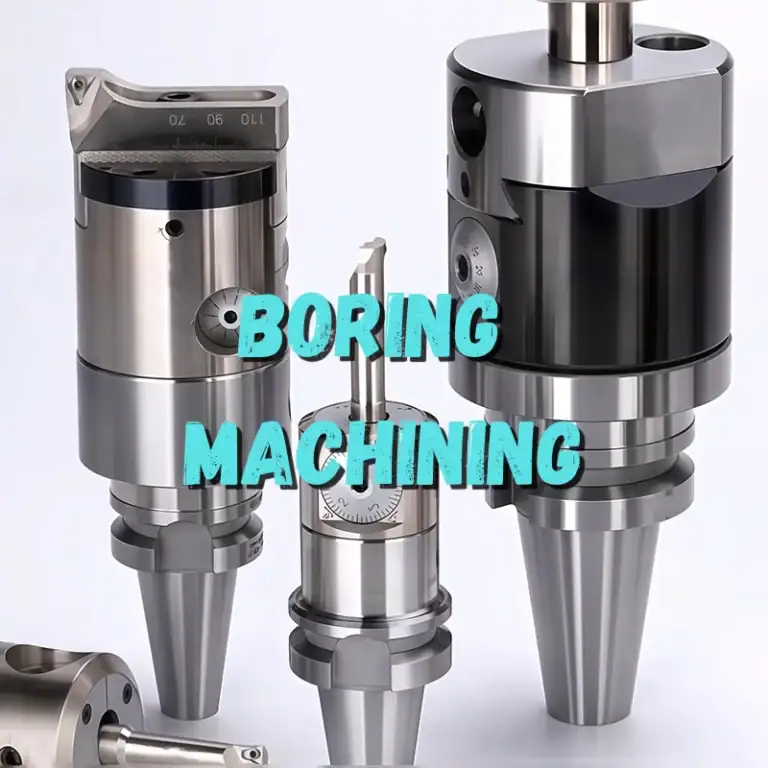
- Considerations: Brittle material; in roughing or deep-hole machining with long tools, control impact forces to prevent chipping or errors.
Ceramic and CBN Tools
Ceramic and CBN tools are ideal for high-hardness and high-temperature conditions, making them important in advanced precision machining.
- Application: High-hardness steel, heat-resistant alloys, and high-speed cutting operations.
- Advantages: Heat-resistant, wear-resistant, suitable for prolonged high-speed machining, ensuring precision.
- Usage Tip: Require high-rigidity machines and precise clamping to avoid tool breakage or surface deviation.
Optimizing Tool Geometry
Tool geometry directly affects cutting forces, efficiency, and surface quality. Different geometries experience varying forces during cutting, and properly selecting parameters improves stability, reduces vibration, and significantly enhances surface finish.
Cutting Edge Angle
The cutting edge angle influences cutting force and machining quality.
- Large angle: Increases tool strength, suitable for roughing and hard material cutting but increases cutting resistance.
- Small angle: Reduces cutting force, ideal for finishing and achieving higher surface quality and dimensional accuracy.
Tool Tip Radius and Chamfer
Tool tip design impacts surface quality and tool lifespan.
- Tip radius: Reduces cutting marks, preventing surface ripples or scratches.
- Chamfering: Strengthens the tip, reduces microcracks, and extends tool life.
Tool Length and Diameter Matching
Tool dimensions affect machining stability; proper matching minimizes vibration.
- Long tools: Suitable for deep-hole or complex workpieces but prone to vibration; cutting parameters must be carefully controlled.
- Short tools: Offer high stability for precision machining, ensuring surface finish and dimensional accuracy, though cutting depth is limited.
Coating and Surface Treatment Selection
Tool coatings improve wear resistance and machining performance while reducing cutting temperatures. Different coatings suit different materials and conditions, so selecting the proper coating maximizes tool performance.
TiN Coating
- Increases surface hardness and reduces friction.
- Suitable for general metal machining, improving tool lifespan and surface finish.
TiAlN Coating
- Excellent high-temperature resistance, ideal for high-speed steel and carbide tools.
- Reduces built-up edge when machining soft materials like aluminum, enhancing surface quality.
DLC Coating
- Low friction coefficient, suitable for plastics, composites, and non-metallic precision machining.
- Reduces thermal deformation, improves micro-component precision, and extends tool life.
Machining Environment and Cooling Strategies
The machining environment and cooling methods significantly affect tool performance and workpiece quality. Choosing proper cooling and cutting conditions extends tool life, reduces deformation risk, and prevents surface defects.
Dry vs. Wet Cutting
- Dry cutting: Minimizes fluid contamination, suitable for heat-resistant tools but requires high wear resistance.
- Wet cutting: Cooling fluid lowers temperature and extends tool life, suitable for long-duration precision machining, with attention to fluid circulation and anti-rust measures.
Machine Rigidity and Vibration Control
- High-rigidity machines support long tools and high-speed cutting, ensuring dimensional accuracy.
- For low-rigidity machines, use shorter or tougher tools to reduce vibration and machining errors.
Cutting Parameter Matching
- Proper feed rate, depth of cut, and spindle speed ensure stability and surface quality.
- Different tool materials and coatings require different parameter combinations for optimal performance.
Tool Life Management and Replacement Strategies
Managing tool life is essential for reducing production costs and maintaining precision. Proper replacement strategies and maintenance can significantly increase productivity while minimizing defective parts.
Regular Inspection and Re-sharpening
- Check wear regularly based on operating hours or the number of machined parts.
- Precision tools should remain sharp to maintain surface finish and dimensional accuracy, preventing cumulative errors.
Spare Tools and Quick Change Systems
- Equip high-precision production lines with spare tools to minimize downtime and maintain continuous production.
- Quick-change systems improve efficiency while ensuring consistent quality across batches.
In precision machining, tool selection must consider material, geometry, coating, machining environment, and management strategy. Scientific tool selection not only guarantees workpiece accuracy but also extends tool life and enhances production efficiency. Tirapid offers a complete range of high-performance precision machining tools, helping manufacturers achieve efficient and high-precision production, enhancing product competitiveness.