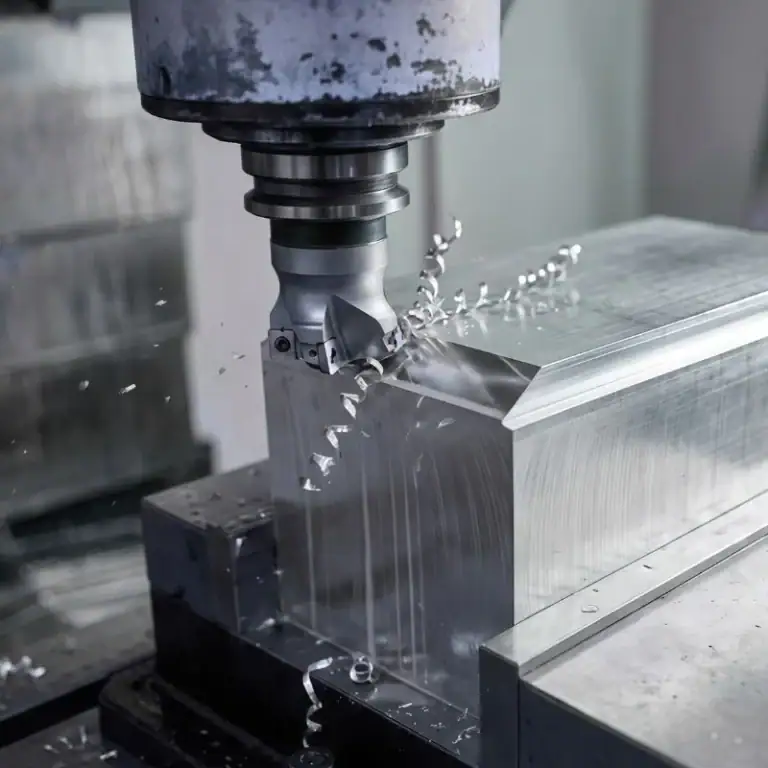
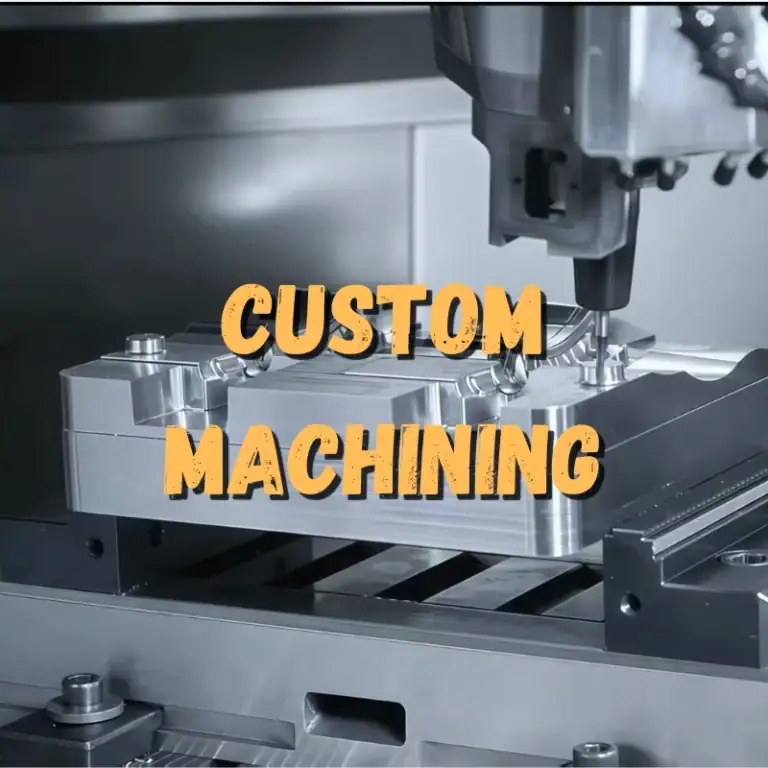
As high-performance engineering plastics become increasingly popular, PEEK (Polyether Ether Ketone) has become an important material in industries such as medical devices, aerospace, automotive manufacturing, and electronics. Compared with conventional plastics, PEEK offers outstanding heat resistance, excellent mechanical strength, wear resistance, and chemical stability, making it ideal for demanding applications. However, despite its superior properties, PEEK is not always easy to machine. Improper machining methods can lead to dimensional inaccuracies, poor surface quality, or material deformation. Understanding the machining characteristics of PEEK is essential for achieving high-quality parts and efficient production.
What Are the Machining Characteristics of PEEK?
Compared with standard plastics, PEEK has unique physical properties. Its combination of high strength and heat resistance provides significant advantages but also creates additional challenges during precision machining. Understanding these characteristics before production helps establish a more effective machining strategy.
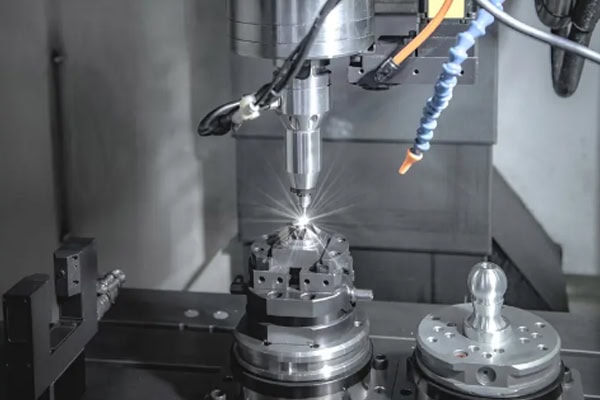
Excellent Heat Resistance
One of the primary reasons manufacturers choose PEEK is its exceptional thermal performance. Even in high-temperature environments, the material maintains stable mechanical properties, making it widely used in aerospace and medical applications.
Key characteristics include:
- High continuous operating temperature
- Excellent thermal stability
- Minimal dimensional change at elevated temperatures
- Strong long-term performance retention
While these thermal properties are highly beneficial, machining operations must carefully manage cutting heat to avoid localized temperature buildup that could affect part quality.
Superior Mechanical Properties
PEEK is an engineering plastic with mechanical performance approaching that of some metal materials, which is why it is often used as a lightweight alternative to metal components.
Its main advantages include:
- High strength
- Excellent rigidity
- Outstanding wear resistance
- Strong fatigue resistance
- Good long-term dimensional stability
Because of its high strength, machining PEEK requires proper tooling and cutting parameters to maintain efficiency and precision.
Relatively High Material Cost
PEEK is considered a premium engineering plastic, and its raw material cost is significantly higher than that of conventional plastics. As a result, manufacturers often focus heavily on machining yield and material utilization.
Important considerations include:
- Reducing material waste
- Optimizing machining allowances
- Minimizing scrap rates
- Maintaining production consistency
Effective process planning helps control costs while improving overall manufacturing efficiency.
What Problems Commonly Occur During Precision Machining of PEEK?
Although PEEK offers good machinability, high-precision applications can still encounter challenges such as dimensional variation, surface defects, and deformation.
Cutting Heat Can Affect Dimensional Accuracy
Many people assume that plastic machining is easier than metal machining, but PEEK can still generate significant heat during cutting, which may influence final dimensions.
Common causes include:
- Rising tool temperatures
- Localized heat accumulation
- Extended continuous machining cycles
- Insufficient cooling control
Managing these factors is essential for maintaining dimensional stability during precision machining operations.
Thin-Wall Structures Are Prone to Deformation
As lightweight designs become more common, many PEEK components incorporate thin-wall geometries, which can increase machining difficulty.
Common issues include:
- Clamping-induced deformation
- Stress release during cutting
- Uneven wall thickness
- Thermal distortion
For high-precision components, proper fixture design and staged machining processes are important for minimizing deformation.
Surface Quality Can Be Difficult to Maintain
Many PEEK components require not only dimensional accuracy but also excellent surface quality and appearance.
Areas requiring attention include:
- Tool marks
- Burr formation
- Surface roughness variation
- Edge chipping
- Minor surface scratches
Consistent surface quality contributes to both product appearance and functional performance.
How Can the Machining Quality of PEEK Parts Be Improved?
Producing high-quality PEEK components requires more than advanced equipment. Successful results depend on process control, tooling selection, and precision machining expertise.
Select the Right Cutting Tools
Although PEEK is not as hard as most metals, it still requires sharp and stable cutting tools to achieve optimal results.
Key considerations include:
- Maintaining sharp cutting edges
- Using tools designed for plastic machining
- Reducing cutting resistance
- Controlling heat generation
Proper tooling improves efficiency while helping achieve better surface finishes.
Optimize Machining Parameters
Machining parameters directly influence dimensional accuracy and surface quality, making parameter optimization critical.
Recommended focus areas include:
- Spindle speed settings
- Feed rate control
- Depth of cut selection
- Separation of roughing and finishing operations
- Toolpath optimization
Well-designed machining parameters help reduce deformation and improve production consistency.
Strengthen In-Process Inspection
For high-precision PEEK components, relying solely on final inspection may not be sufficient to ensure stable quality.
Common inspection items include:
- Dimensional measurements
- Geometric tolerance verification
- Surface roughness evaluation
- Assembly fit testing
Process monitoring helps identify issues early, reducing rework and material waste.
Which Industries Have High Demand for Precision PEEK Machining?
As the use of advanced materials continues to expand, PEEK has become increasingly important across a range of high-tech industries.
Medical Device Industry
PEEK offers excellent biocompatibility, making it a preferred material for many medical applications.
Common applications include:
- Surgical instrument components
- Medical equipment parts
- Implantable device components
The medical industry places extremely high demands on machining precision and surface quality.
Aerospace Industry
Aerospace applications require lightweight materials with excellent thermal performance, making PEEK a valuable solution.
Typical applications include:
- Structural connectors
- Electrical insulation components
- Internal aerospace assemblies
- Specialized functional parts
The industry’s high reliability standards continue to drive advancements in precision PEEK machining.
Electronics and Industrial Equipment
Many industrial systems now use PEEK to replace metal components in order to reduce weight and improve corrosion resistance.
Common applications include:
- Precision insulating parts
- Transmission components
- Wear-resistant structures
- Automation equipment components
- Semiconductor equipment parts
As advanced manufacturing continues to grow, demand for precision-machined PEEK components is expected to increase further.
With its exceptional heat resistance, mechanical strength, and chemical stability, PEEK has become one of the most important materials in advanced manufacturing. However, achieving its full performance potential requires proven precision machining processes and strict quality control. From material analysis and tooling selection to parameter optimization and process inspection, every step directly influences the final product quality. Tirapid specializes in high-quality precision machining services and provides reliable PEEK component manufacturing solutions for customers across various industries.