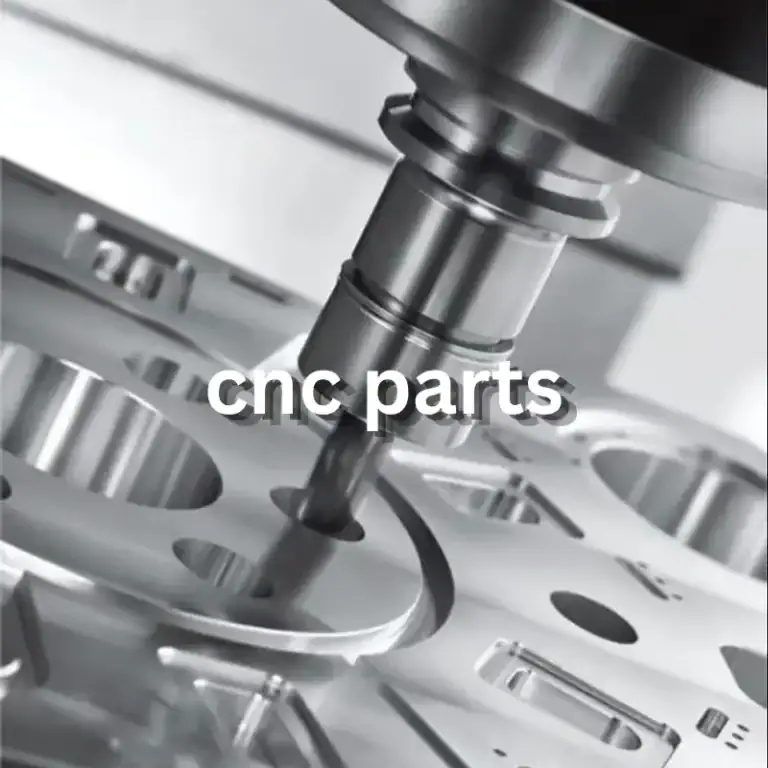
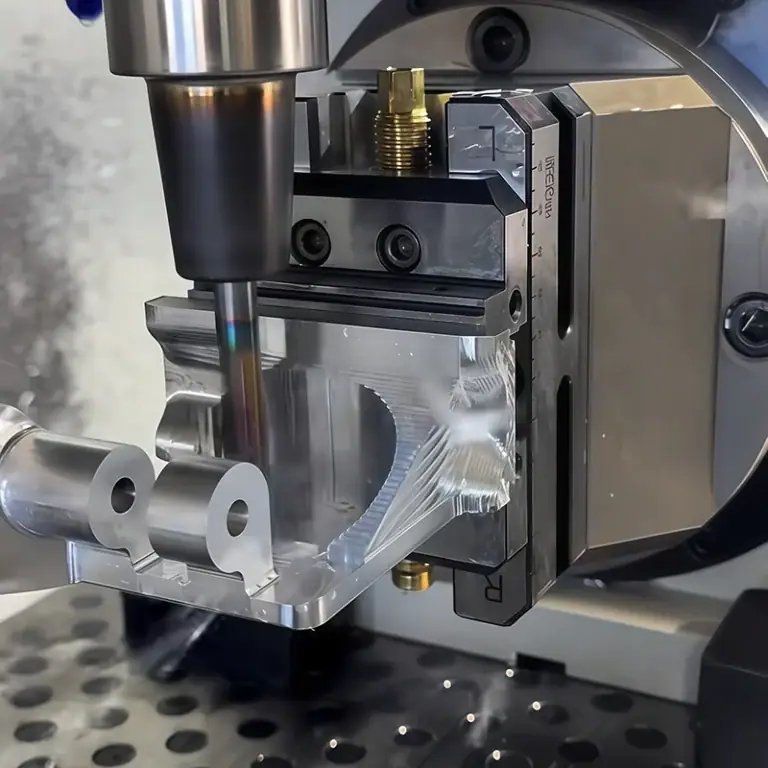
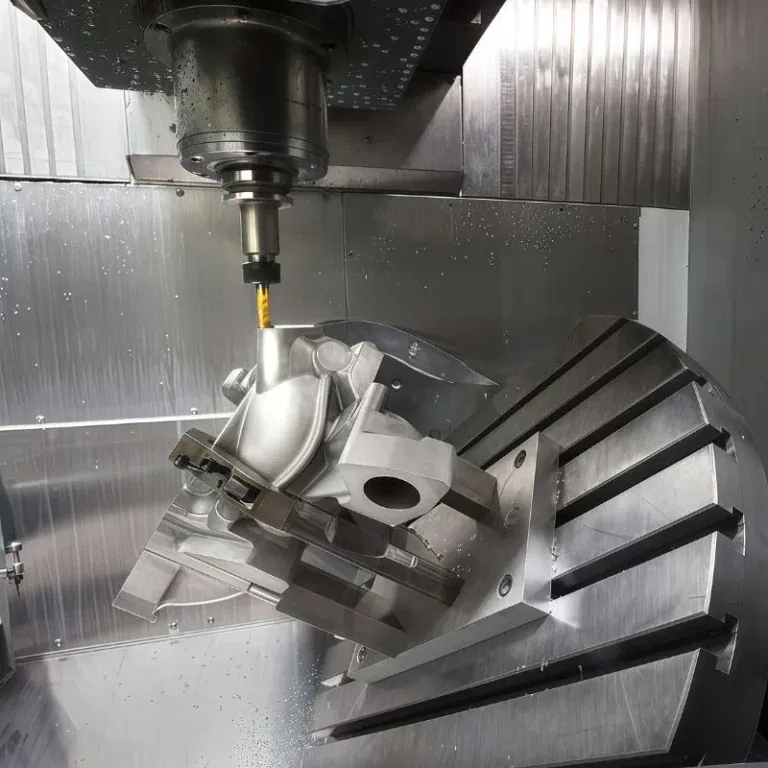
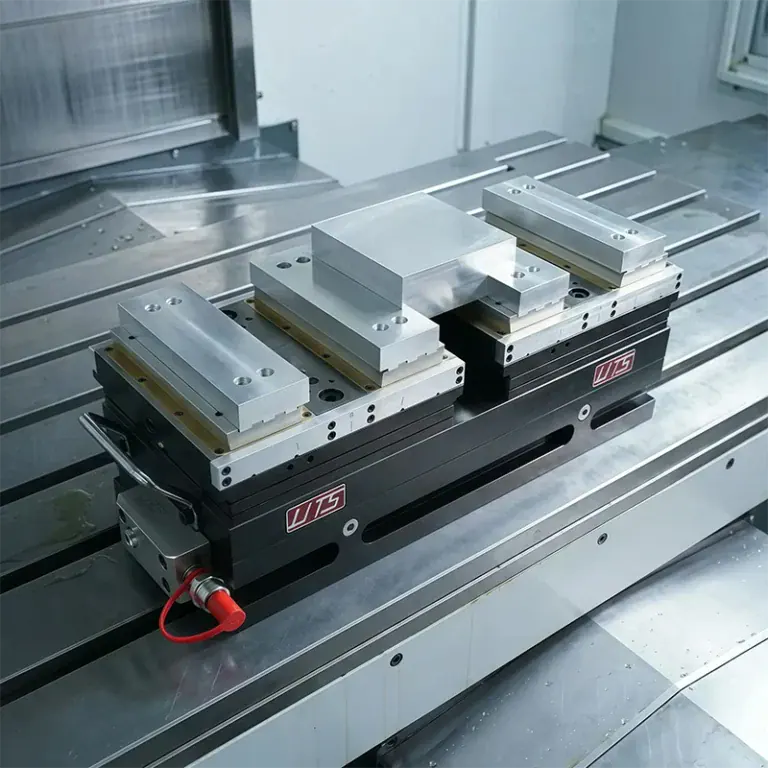
In mold manufacturing, aerospace components, automotive critical structural parts, and high-strength mechanical components, high-hardness materials are increasingly widely used. These materials offer excellent wear resistance and strength, but they also significantly increase machining difficulty. Issues such as rapid tool wear, high cutting forces, and severe heat concentration make it difficult for traditional machining methods to achieve stable and high-quality results. Therefore, selecting the appropriate machining method becomes the key to stable manufacturing of high-hardness materials, and precision machining capabilities play a decisive role in this process.
Where the Difficulties of Machining High-Hardness Materials Come From?
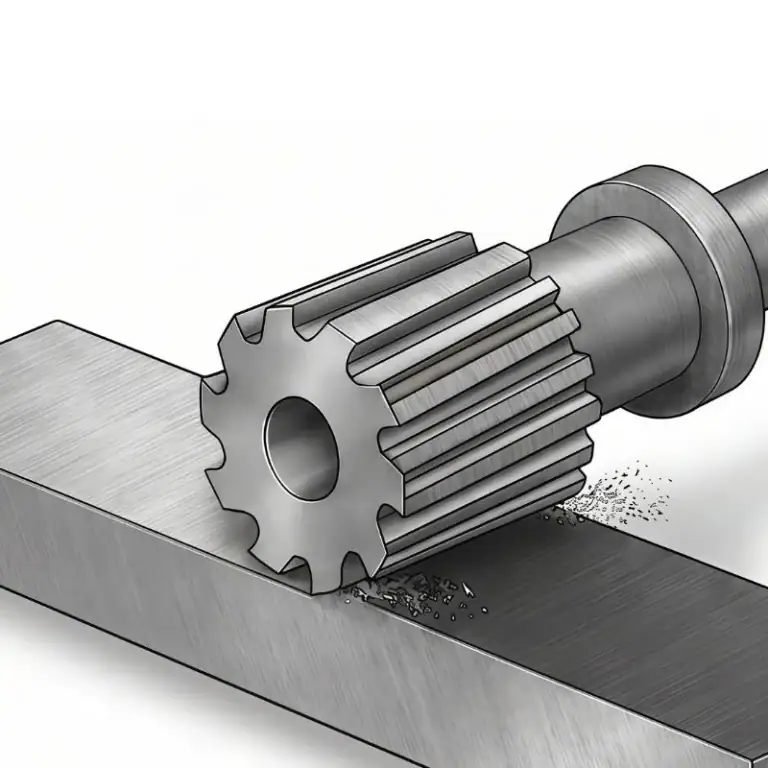
The difficulty of machining high-hardness materials is not that they “cannot be cut,” but that the cutting process is extremely unstable. The higher the material hardness, the greater the cutting resistance and the more difficult it is to dissipate heat, which directly affects tool life and machining accuracy. In actual production, this imbalance often leads to reduced efficiency, unstable surface quality, and dimensional deviation.
Rapid Tool Wear
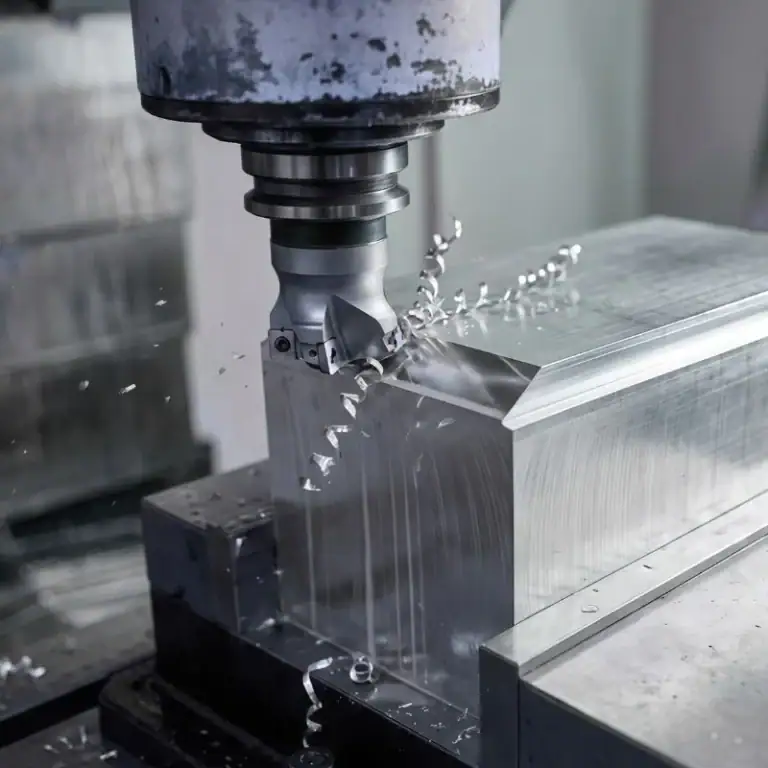
During machining of high-hardness materials, cutting tools are subjected to continuous high-pressure friction and thermal stress, leading to fast tool degradation and unstable machining performance.
- In precision machining, tools operate under high temperature and pressure, causing rapid edge wear or micro-chipping
- Once tool condition changes, machining accuracy shifts, affecting batch consistency
- Different hardness zones cause uneven tool wear
Tool life instability directly affects process reliability.
Concentrated Cutting Heat
When cutting high-hardness materials, a large amount of mechanical energy is converted into heat, which accumulates in a very small area and is difficult to dissipate.
- Localized temperature rise changes material properties during cutting
- Overheating may cause surface burns or structural changes
- Residual stress may form due to heat accumulation
This thermal-mechanical coupling makes process control highly critical.
Main Machining Methods Suitable for High-Hardness Materials
In practical production, there is no single optimal method. Instead, different processes are selected based on hardness level, structural complexity, and precision requirements. Machining high-hardness materials often involves balancing efficiency, machinability, and precision machining quality.
CNC Carbide Cutting (Mainstream Method)
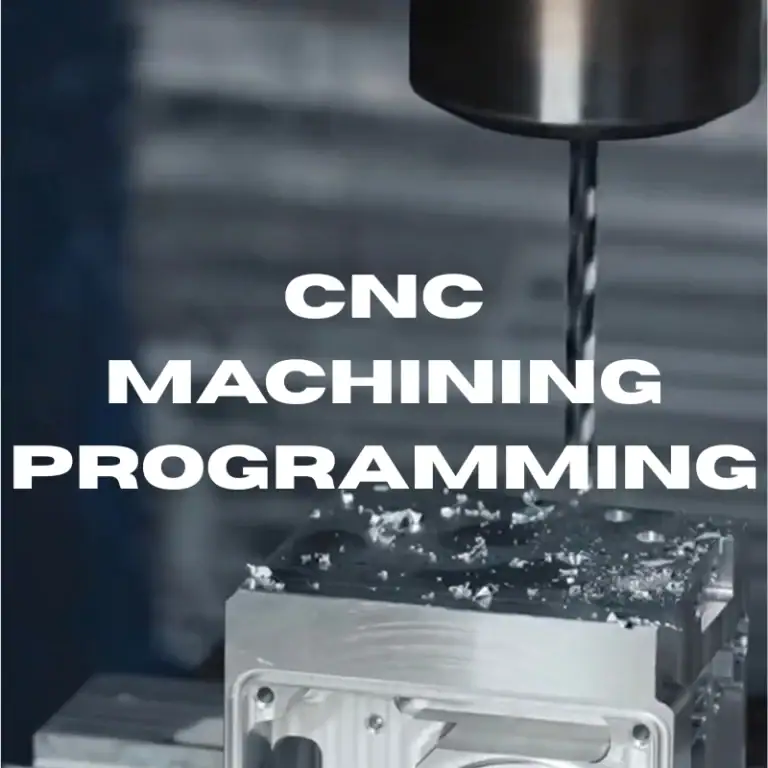
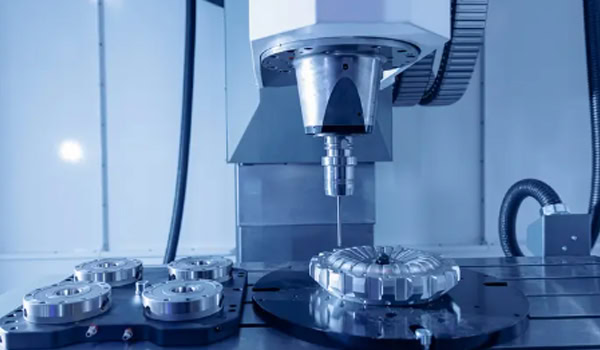
For most medium-to-high hardness materials, CNC machining with carbide tools remains the most common solution. It relies on stable machine control and optimized cutting parameters to maintain balance between efficiency and stability.
- Suitable for medium-to-high hardness steel and mold steel
- CNC systems ensure stable toolpath control
- Coated tools improve wear resistance and tool life
This method is widely used due to its controllability rather than extreme hardness capability.
Electrical Discharge Machining (EDM)
When hardness exceeds the capability of cutting tools or structures are too complex, EDM becomes essential. It removes material through electrical erosion rather than mechanical force, bypassing hardness limitations.
- Not affected by material hardness
- Suitable for deep cavities, narrow slots, and complex shapes
- No cutting force involved, ensuring process stability
It is commonly used for ultra-hard materials and complex geometries.
Grinding (Final Precision Finishing)
Grinding is typically used as a final step for high-hardness materials to achieve high surface quality and dimensional accuracy.
- Suitable for hardened steel and high-hardness alloys
- Achieves very low surface roughness
- Provides high dimensional precision
- Used as finishing process
Key Process Control Techniques in High-Hardness Machining
Even with the correct machining method, improper process control can still lead to unstable results. Therefore, process optimization is as important as the machining method itself in achieving stable precision machining outcomes.
Cutting Parameter Optimization
Cutting parameters directly affect tool load and process stability, making them critical in high-hardness machining.
- Reduce feed rate to lower tool impact
- Control cutting depth to avoid overload
- Optimize spindle speed for stable cutting
Proper parameter control balances efficiency and stability.
Tool Material Selection
Tool selection determines the upper limit of machining capability.
- Carbide tools for general high-hardness machining
- CBN tools for ultra-hard materials
- Coatings improve heat and wear resistance
Thermal Management
Heat control is crucial in high-hardness machining, as thermal deformation affects final accuracy.
- High-pressure cooling improves heat dissipation
- Cooling strategy affects surface quality
- Temperature control reduces deformation risk
Development Trends in High-Hardness Machining
With increasing demand for advanced materials, machining technology continues to evolve toward higher efficiency and stability.
Hybrid Machining Processes
Single processes are increasingly insufficient for complex requirements.
- Combination of cutting and grinding
- Integration of EDM and CNC machining
Intelligent Machining Control
Real-time monitoring improves process stability.
- Tool condition monitoring
- Automatic parameter adjustment
- Improved consistency
Advanced CNC Equipment Adoption
High-performance CNC machines are becoming the foundation of high-hardness machining.
- Supports complex structure machining
- Improves batch stability
- Enhances precision manufacturing capability
The core of high-hardness material machining is not simply whether it can be processed, but how to maintain stability between material properties and machining systems. Only by integrating suitable machining methods with systematic precision machining control can stable and high-quality industrial production be achieved. To meet these demands, Tirapid provides professional precision machining solutions to help customers achieve more stable and efficient manufacturing results.