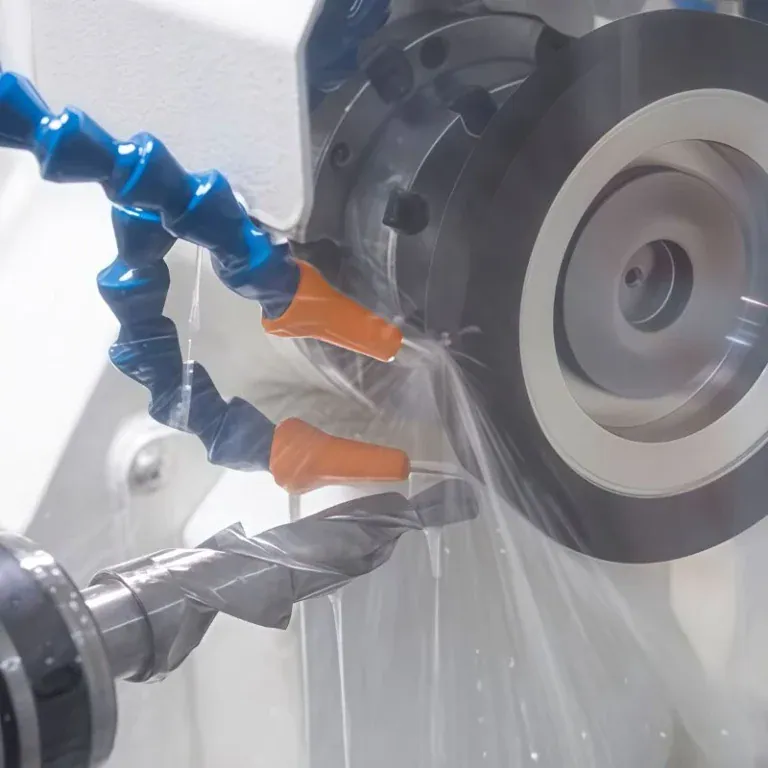
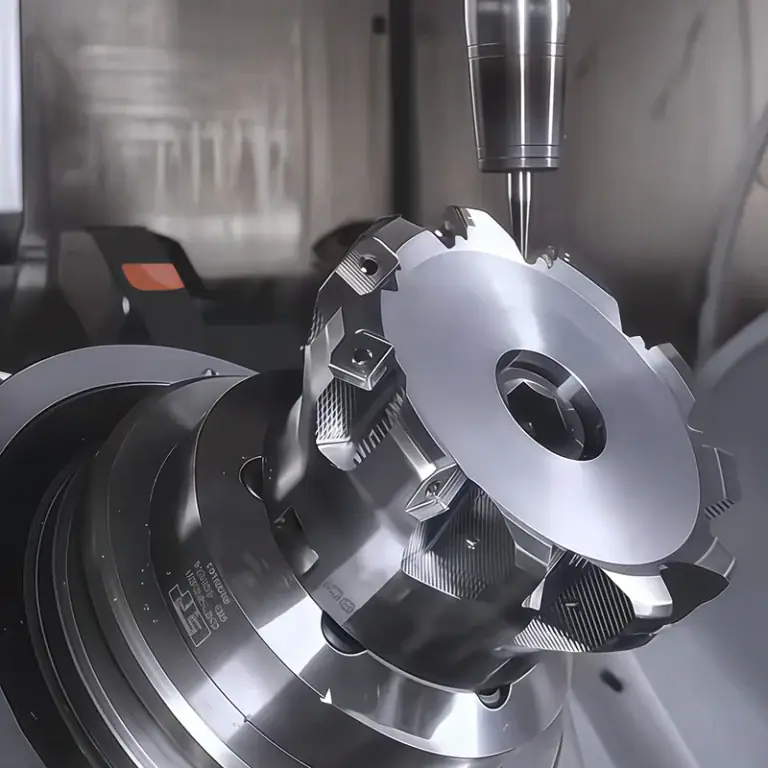
In manufacturing, the choice of machining method often has a direct impact on product quality and market competitiveness. Many companies purchasing components face the same question: what is the real difference between precision machining and conventional machining? At first glance, both methods can produce finished parts, but the gap in dimensional accuracy, surface quality, product lifespan, and assembly performance is often much greater than expected. In industries such as aerospace, medical devices, automation equipment, and high-end electronics, precision machining has become a critical foundation for ensuring product performance. Understanding these differences helps businesses choose the most suitable manufacturing solution for their needs.
The Core Differences Between Precision Machining and Conventional Machining
Many people assume that precision machining simply means tighter tolerances, but the differences extend throughout the entire manufacturing process. From equipment capability and process control to inspection standards and final product performance, there are significant distinctions. These details ultimately determine whether a product can meet its intended requirements.
Significant Differences in Dimensional Accuracy
Dimensional accuracy is one of the most visible differences between precision machining and conventional machining. For simple components, conventional machining may be sufficient, while high-end equipment often requires much stricter tolerance control.
In practical production, dimensional deviations affect not only individual part quality but also assembly performance and overall system stability. This is why precision machining focuses heavily on controlling every detail.
- Conventional machining generally aims to meet basic assembly requirements, allowing wider tolerances.
- Precision machining controls dimensions within much tighter ranges to ensure consistent performance.
- Higher dimensional consistency improves the fit and function of multiple interacting components.
- In industries such as aerospace and medical manufacturing, dimensional accuracy is directly linked to safety and reliability.
The better the dimensional control, the more stable and reliable the final product becomes.
Surface Quality Differences Are Equally Important
Beyond dimensional accuracy, surface quality is another major factor that distinguishes machining methods. A part may meet dimensional requirements but still fail to perform properly if the surface condition is inadequate.
For components operating under high speed or long-term use, surface roughness directly affects friction, wear, and overall performance.
- Conventional machining may leave noticeable tool marks on the surface.
- Precision machining produces smoother and more uniform finishes.
- Lower surface roughness helps reduce friction and wear between components.
- Improved surface quality contributes to longer service life and better operational stability.
Many performance differences between standard and high-end products originate from these machining details.
Where Equipment and Process Differences Become Evident
The superior quality achieved through precision machining is not solely the result of operator experience. It also depends on advanced equipment and well-developed manufacturing processes. Equipment determines the capability ceiling, while process management determines the final outcome.
Higher Requirements for CNC Equipment
Conventional production can often be completed using standard machining equipment. However, as product complexity and precision requirements increase, advanced CNC equipment becomes increasingly important.
Precision machining requires machines that can maintain accuracy consistently throughout extended production runs.
- High-end CNC machines offer superior repeatability and positioning accuracy.
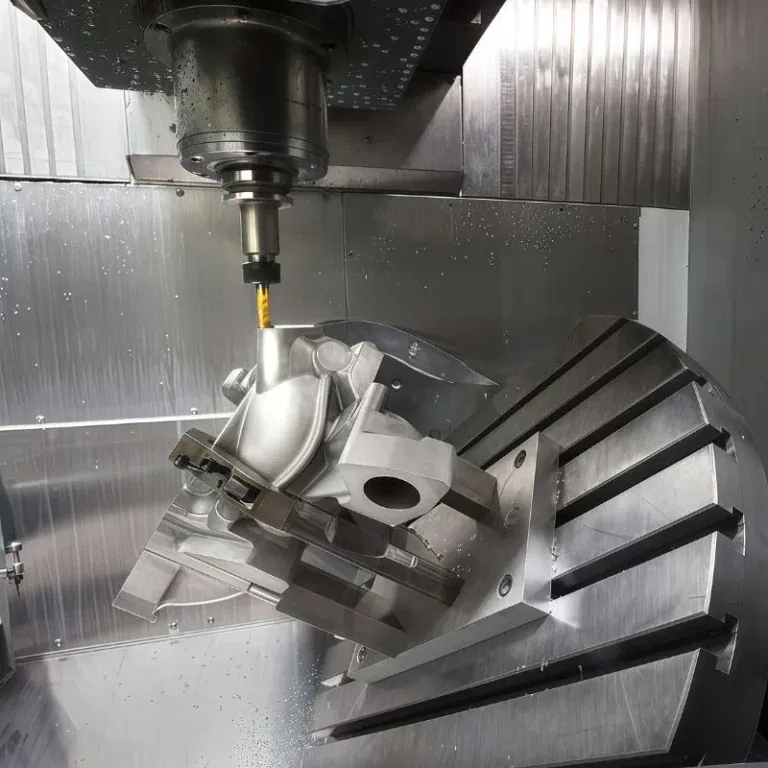
- Multi-axis machining enables the production of complex geometries.
- Greater machine stability helps ensure consistent quality across batches.
- Advanced control systems provide more precise toolpath management.
More stable equipment leads to more predictable and consistent results.
Stricter Process Control
Even the best equipment cannot achieve optimal results without proper process management. Precision machining relies on carefully designed and controlled manufacturing procedures.
From material preparation to final inspection, every step must be planned and verified to maintain stability.
- Tool selection is optimized according to material properties.
- Cutting parameters are thoroughly tested and refined.
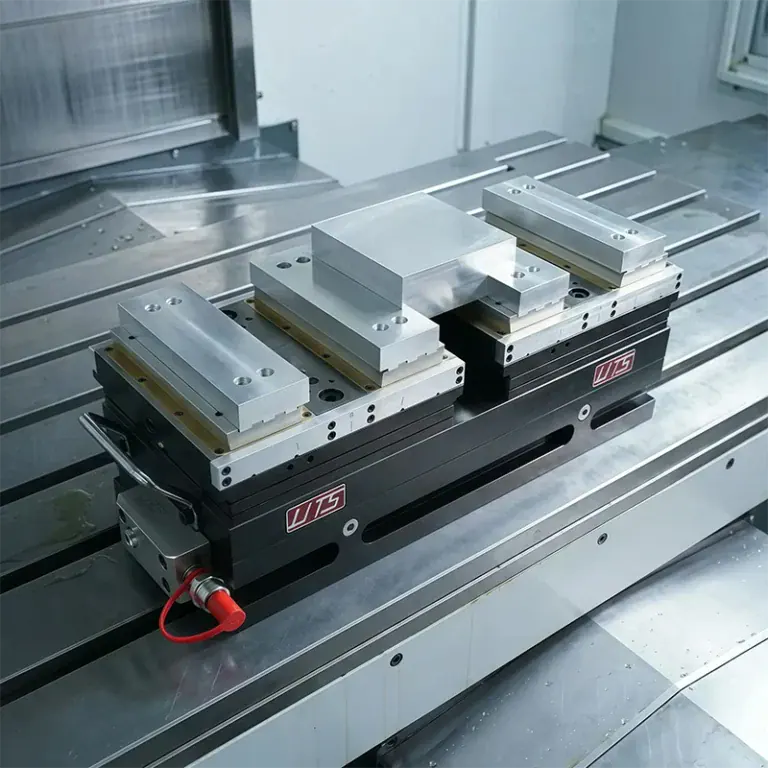
- Fixturing methods are designed to minimize deformation.
- Every production stage follows strict quality control standards.
Although these details may not be visible in the final product, they greatly influence overall quality.
What Value Does Precision Machining Provide?
For manufacturers, choosing precision machining is not only about obtaining higher-quality parts. It also helps reduce downstream production issues and long-term operational costs.
Improved Assembly Efficiency
When products consist of multiple components, dimensional consistency directly affects assembly performance. Smaller dimensional variation results in smoother assembly processes.
Precision machining ensures that parts from different batches maintain the same quality standards.
- Consistent dimensions reduce the need for manual adjustments during assembly.
- Better fit minimizes rework and correction efforts.
- Smoother assembly processes help shorten production cycles.
- Greater batch consistency reduces quality-related risks.
These benefits contribute to higher productivity and lower manufacturing costs.
Enhanced Long-Term Reliability
For equipment expected to operate continuously over long periods, component quality directly impacts service life. Higher machining precision often leads to greater operational stability.
The advantages become even more significant in demanding applications involving high loads, high speeds, or precise movements.
- Improved fit reduces wear during operation.
- Stable dimensions help minimize vibration and noise.
- Longer component life lowers maintenance and replacement costs.
For high-value equipment, improved reliability often delivers returns that far exceed the additional machining cost.
Meeting High-End Industry Requirements
As manufacturing standards continue to rise, more industries require higher levels of component quality. Precision machining has become an important gateway to entering premium markets.
For customers, selecting a higher-quality manufacturing process can improve both product performance and market competitiveness.
- Meets strict tolerance and quality requirements.
- Suitable for aerospace, medical, and automation industries.
- Enhances product quality and brand reputation.
- Helps businesses secure high-value projects.
For companies focused on quality and long-term growth, precision machining has become an essential investment.
When Should Precision Machining Be Chosen?
Not every product requires the highest possible machining standard. However, for critical components, precision machining often provides substantial advantages. The decision should be based on product requirements and application needs.
Critical Functional Components
When a component directly affects performance, safety, or service life, precision machining is usually the preferred choice.
In these applications, even small dimensional variations can significantly impact overall functionality.
- Aerospace components.
- Core medical device parts.
- Critical automation equipment components.
These products require exceptional accuracy and reliability.
Components Requiring Precise Fit
Products involving multiple interacting parts benefit greatly from higher machining accuracy.
- Precision transmission systems.
- High-speed moving components.
- Sealing structures.
- Precision instruments.
As product complexity increases, the value of precision machining becomes even more apparent.
The difference between precision machining and conventional machining extends far beyond dimensional tolerances. It encompasses equipment capability, process control, product consistency, and long-term performance. For products that demand high quality and reliability, precision machining provides a stronger manufacturing foundation. Tirapid specializes in precision machining services, offering one-stop solutions from prototype development to full-scale production.