In modern healthcare systems, the performance of devices and instruments directly affects diagnostic accuracy and treatment outcomes. From surgical tools and implantable devices to advanced imaging systems, nearly all medical products rely on high-level manufacturing capabilities. Unlike general industrial products, medical components must meet strict requirements not only in dimensional accuracy but also in long-term stability, biocompatibility, and consistency. In this context, precision machining has become a core technology in medical device manufacturing, determining whether products can truly meet clinical application needs.
Why Does the Medical Industry Demand Extremely High Machining Precision?
Medical equipment directly interacts with the human body or medical diagnostics, making its safety requirements far higher than those of general industrial products. Even the smallest deviation may affect diagnostic results or treatment effectiveness, which is why machining precision must be strictly controlled.
Direct Impact on Patient Safety
Medical devices follow a “zero-tolerance for error” principle. For implantable devices or surgical instruments, even slight dimensional deviations or structural instability can lead to serious consequences.
Common impacts include:
- Poor implant fit leading to rejection or loosening
- Surgical tool errors affecting operational accuracy
- Structural instability increasing usage risks
- Minor shifts developing during long-term use
These issues are significantly amplified in medical environments, making high-precision machining essential for ensuring every component meets strict standards.
Extremely High Consistency Requirements
The medical industry focuses not only on individual part quality but also on batch consistency, since devices must operate reliably over long periods and maintain uniform standards across hospitals.
Key requirements include:
- Highly consistent batch dimensions
- Minimal assembly deviations between parts
- Stable long-term performance
- No significant variation between production batches
Under these conditions, precision machining capability becomes a fundamental guarantee of medical equipment reliability.
Small Errors Can Affect Diagnostic and Treatment Results
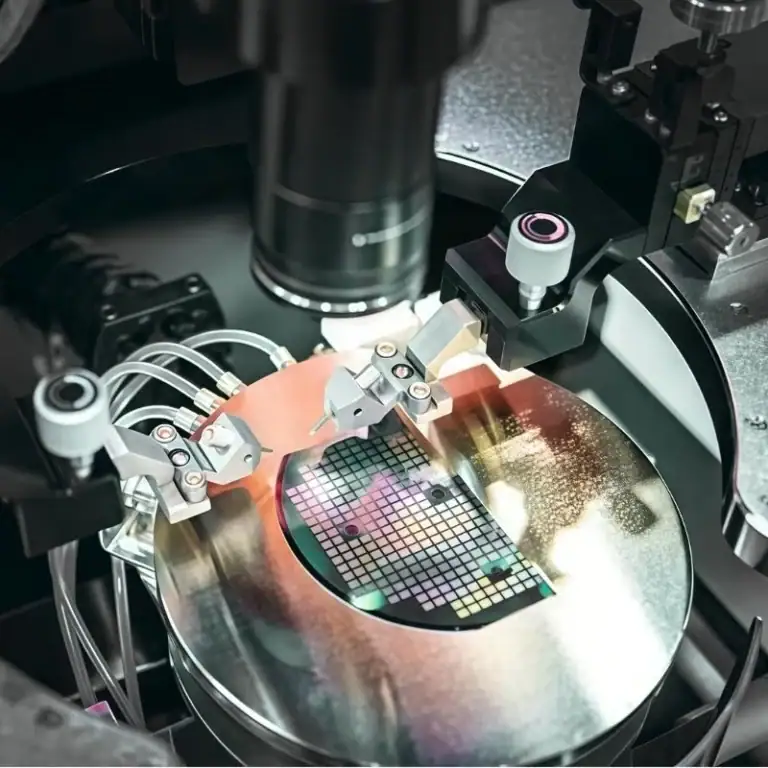
Many medical devices are precision diagnostic instruments such as imaging systems and analytical equipment. Their internal structural accuracy directly affects data reliability.
Main impacts include:
- Imaging deviations affecting diagnosis
- Transmission errors reducing measurement accuracy
- Structural deformation affecting data stability
- Signal errors impacting analysis results
As a result, medical machining tolerances often reach micron-level or even higher standards.
What Challenges Exist in Medical Component Machining?
Medical components not only require high precision but also involve complex structures and a wide variety of materials, which place greater demands on machining processes. Many medical products need to integrate multiple functions within extremely limited spaces, such as minimally invasive instruments and implantable parts, making structural design more complex. During machining, it is also necessary to balance dimensional control, fixture stability, and the effects caused by differences in material properties.
Complex Structures Increase Machining Difficulty
As medical devices continue to evolve, more components are becoming miniaturized and highly complex, placing greater demands on machining capabilities.
Main challenges include:
- Difficulty in clamping micro-scale structures
- Complex surface machining requirements
- Accumulated multi-process errors
- High demand for tool path control
These factors make medical machining highly dependent on advanced precision manufacturing technologies.
Strict Requirements for Biocompatible Materials
Common medical materials include stainless steel, titanium alloys, and certain polymers. These materials must meet not only strength requirements but also biocompatibility standards.
Machining considerations include:
- Significant differences in cutting behavior
- Difficult control of heat-affected zones
- Strict contamination-free surface requirements
- Compliance with biological safety standards after machining
This makes medical machining more complex than general industrial part production.
Extremely High Surface Quality Requirements
Medical components are not only dimension-critical but also highly sensitive to surface conditions, as surface quality directly affects safety and usability.
Key requirements include:
- Reduced surface roughness
- Avoidance of micro-cracks
- Burr elimination
- Improved surface uniformity
Implantable devices, in particular, require surface quality close to extreme manufacturing limits.
Which Precision Machining Technologies Are Used in the Medical Industry?
To meet strict medical requirements, manufacturers typically rely on advanced equipment combined with mature process systems.
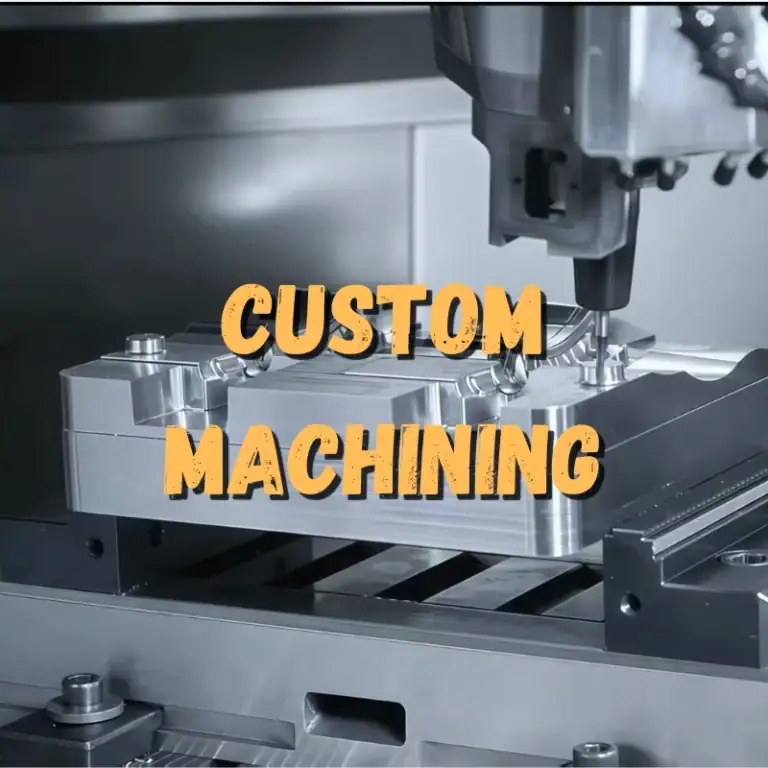
High-Precision CNC Machining
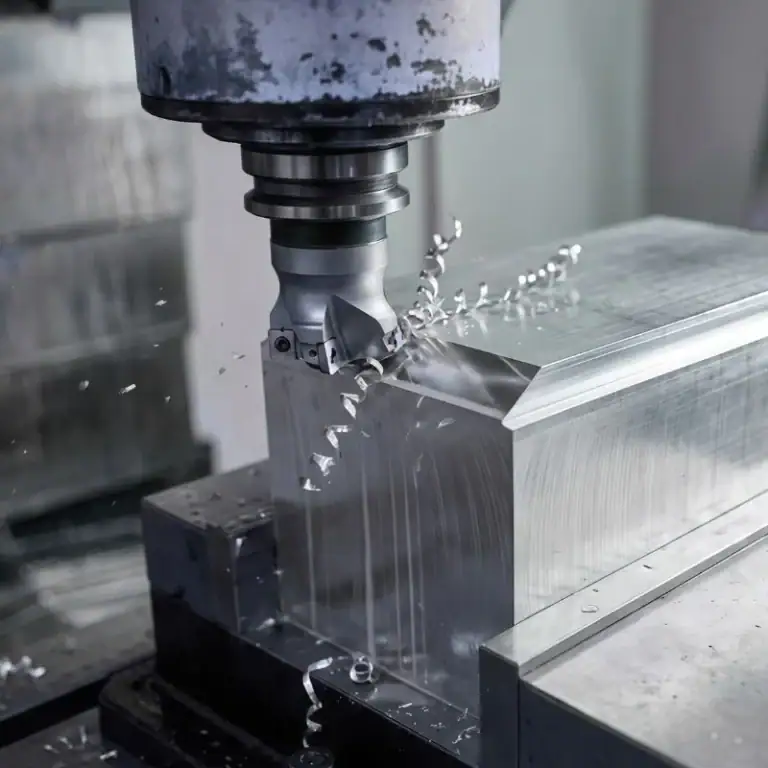
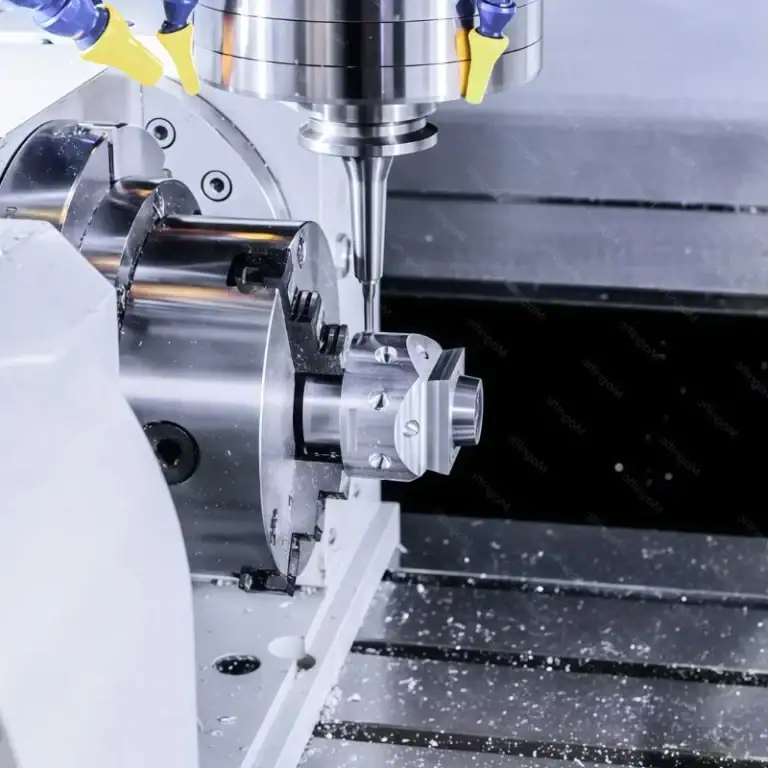
CNC machining is one of the most common methods in medical component production, enabling high accuracy and consistency.
Key features include:
- Stable and controllable machining accuracy
- Suitable for complex structures
- High batch consistency
- High level of automation
CNC machining has become the foundation of medical precision manufacturing.
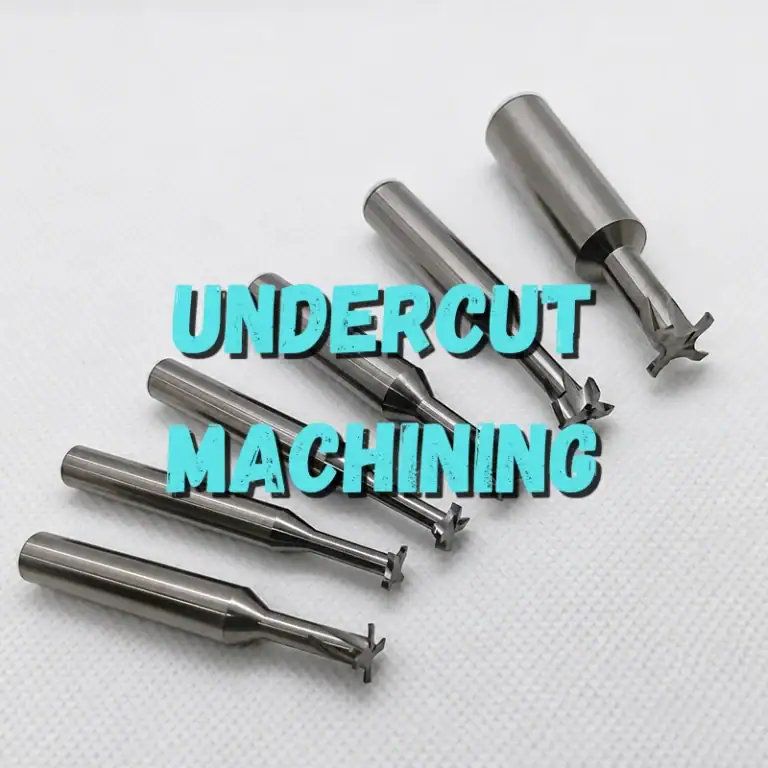
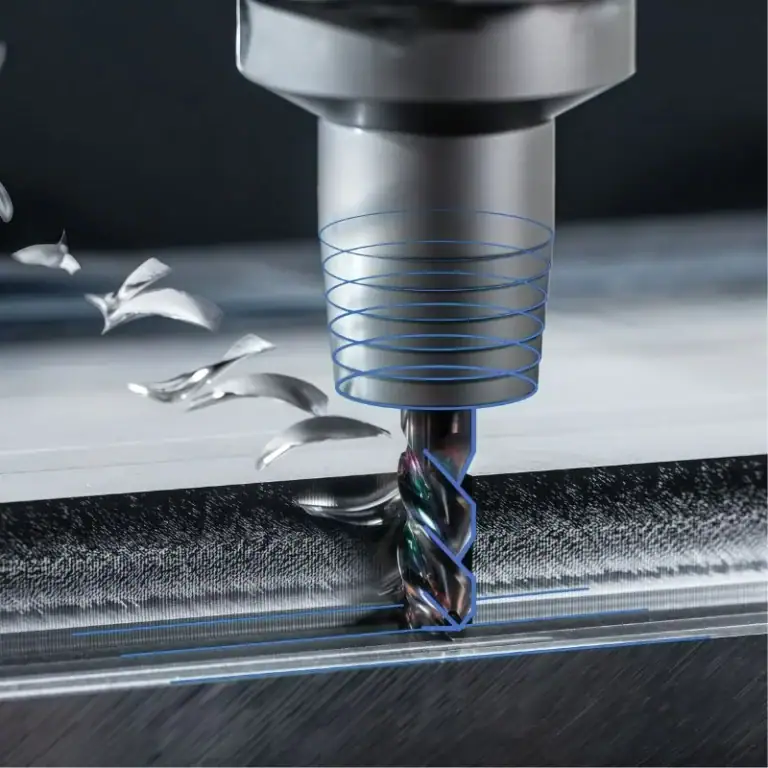
Micro and Precision Milling Technologies
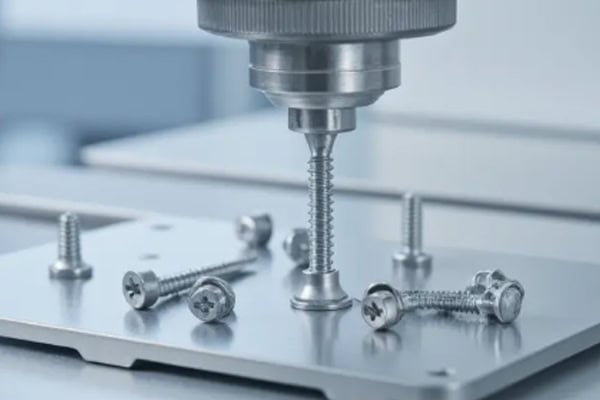
For miniature medical parts, traditional machining methods are no longer sufficient, requiring higher-precision micro-machining techniques.
Key advantages include:
- Strong capability for micro-scale features
- Suitable for highly complex components
- Superior surface quality
- Higher dimensional accuracy
These technologies are widely used in minimally invasive instruments and precision diagnostic devices.
High-Standard Inspection and Quality Control
The medical industry places extremely high demands on product consistency, making inspection systems a critical part of the manufacturing process.
Common inspection methods include:
- Coordinate measuring machine (CMM) inspection
- Profile and geometric tolerance measurement
- Surface roughness analysis
- Batch consistency inspection
A complete inspection system ensures every medical component meets required standards.
How Does Precision Machining Improve Medical Device Value?
High-precision machining is not only a manufacturing requirement but also directly influences product performance and market competitiveness. In practical applications, higher machining accuracy leads to more stable device operation, more reliable diagnostic results, and reduced system fluctuations caused by errors. For medical companies, this precision advantage not only improves performance but also enhances safety and user trust in clinical applications.
Improved Device Safety
Precision machining reduces structural deviations and lowers operational risks.
Main benefits include:
- Improved assembly stability
- Reduced risk of structural loosening
- Enhanced long-term reliability
- Lower failure rates
Safety remains the core value of medical devices.
Improved Diagnostic and Treatment Accuracy
For medical diagnostic equipment, machining precision directly affects result accuracy.
Key improvements include:
- Higher imaging accuracy
- More stable measurement results
- Reduced system error
- Better repeatability
Higher precision leads to more reliable medical outcomes.
Extended Equipment Lifespan
High-quality machining reduces wear between components, extending overall equipment lifespan.
Key advantages include:
- Reduced component wear
- Lower maintenance frequency
- Improved long-term stability
- Reduced replacement costs
In the long run, precision machining significantly reduces total equipment cost.
The medical industry’s demand for machining precision extends far beyond dimensional accuracy, encompassing safety, consistency, and long-term stability. As medical technology continues to advance, high-precision manufacturing has become an indispensable foundation of the medical device industry. From design to machining and inspection, every stage directly impacts final product quality. Tirapid specializes in high-standard precision machining services, providing reliable component manufacturing solutions for the medical industry.