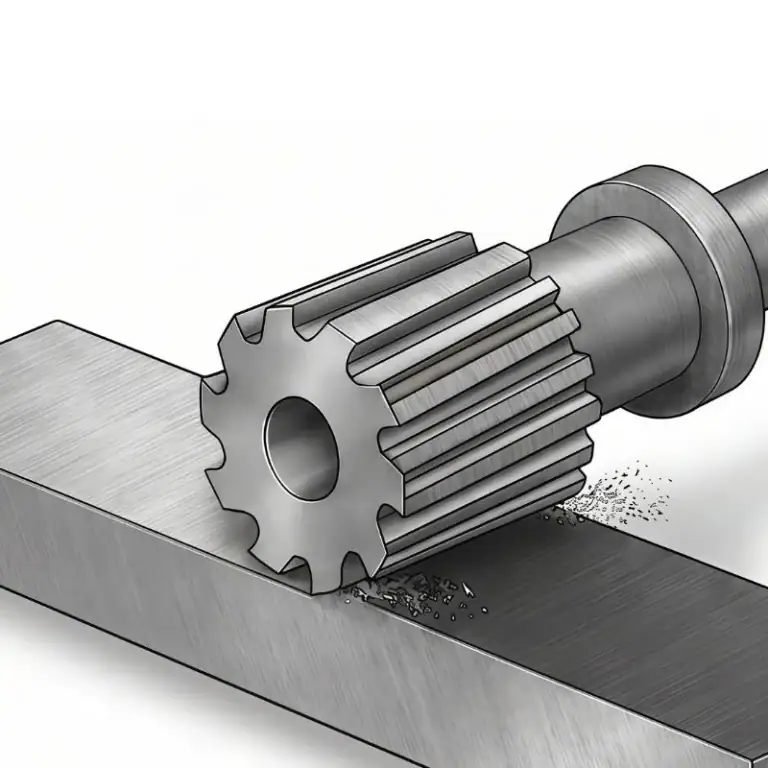
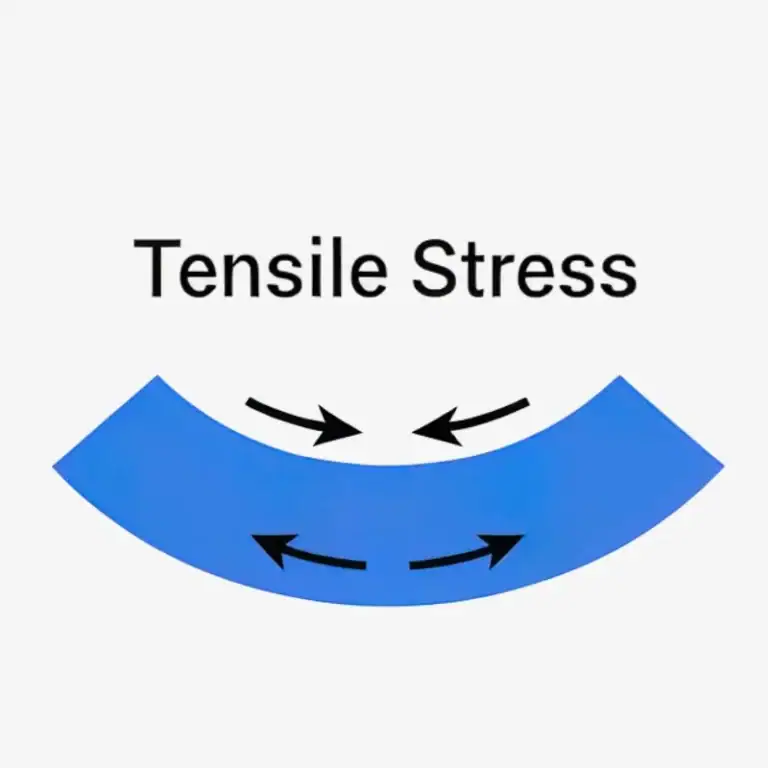
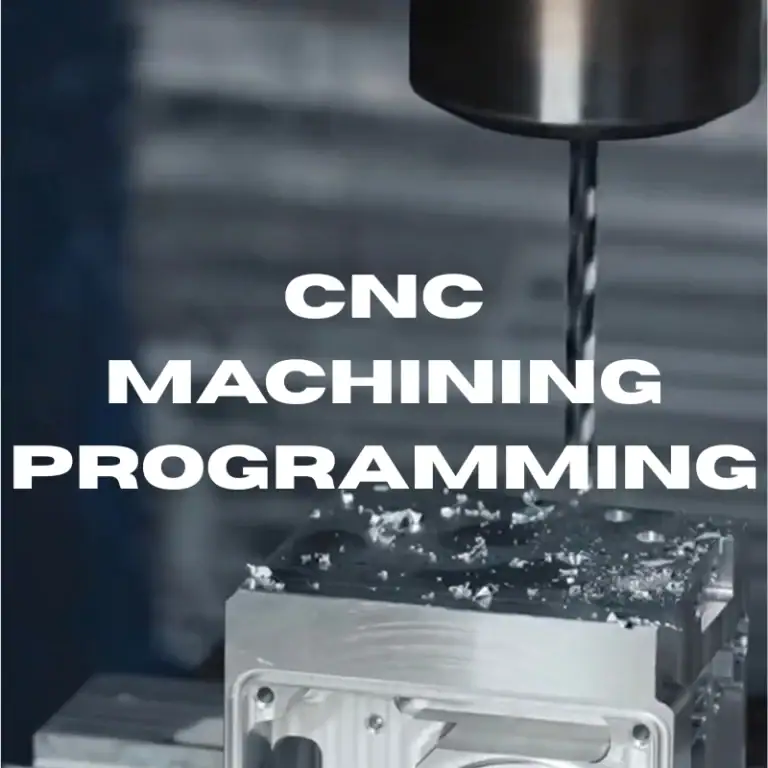
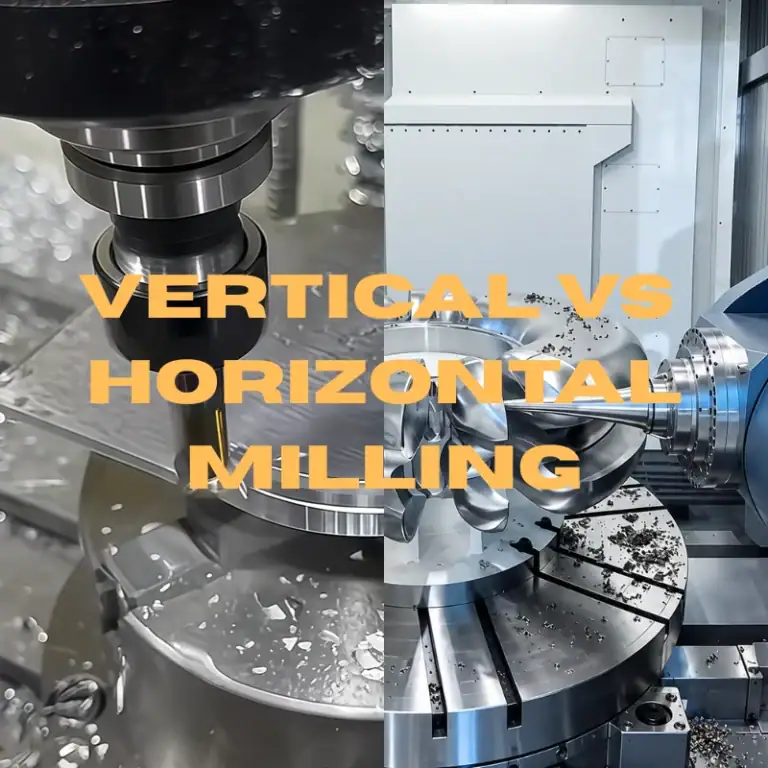
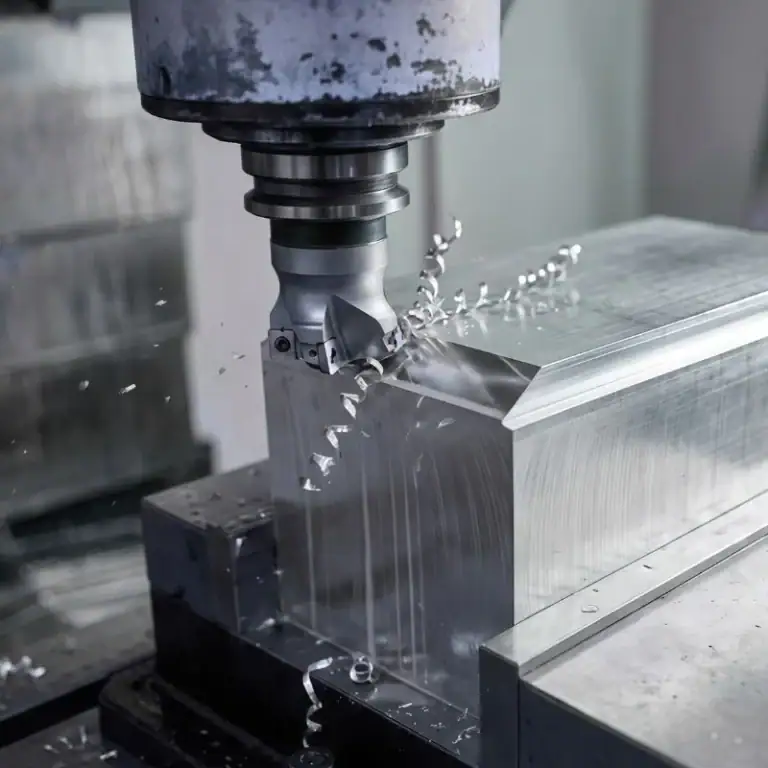
When people think of aerospace manufacturing, they often picture large aircraft, jet engines, and highly complex systems. However, the components that truly determine performance and safety are often the precision parts hidden inside these assemblies. These parts must not only fit together accurately but also operate reliably under high speeds, extreme temperatures, high pressures, and varying loads. In the aerospace industry, even the smallest dimensional deviation, geometric error, or surface defect can affect overall performance. This is why aerospace manufacturing is widely regarded as one of the most demanding fields for precision machining, requiring exceptional equipment, processes, and quality control.
Why Are Aerospace Parts Subject to Such Strict Precision Requirements?
The operating environment of aerospace equipment is far more demanding than that of ordinary machinery. Many critical components must function continuously for thousands of hours. Under these conditions, even minor machining errors can gradually become larger issues over time. For aerospace manufacturers, precision control is not only about product quality but also about reliability and operational safety, making precision machining a fundamental requirement.
Extremely Low Tolerance for Errors in Flight Safety
Many people assume that a part only needs to match the drawing dimensions, but aerospace components often require highly precise fits with multiple mating parts. Even small deviations can affect assembly quality and operational performance. Common consequences include:
- Excessive clearance leading to vibration and wear
- Overly tight fits restricting thermal expansion
- Geometric errors causing uneven load distribution
- Long-term operation increasing fatigue damage risks
While these issues may only reduce performance in standard equipment, they can have far more serious consequences in aerospace applications. As a result, dimensional control, assembly compatibility, and precision verification must meet exceptionally high standards.
High-Speed Operating Conditions Create Greater Challenges
Aerospace engines, turbine systems, and transmission components often operate at extremely high rotational speeds. Under such conditions, even tiny dimensional variations can significantly affect balance and stability.
Key considerations include:
- Roundness affecting rotational balance
- Concentricity influencing assembly accuracy
- Dimensional consistency impacting dynamic stability
- Surface quality affecting operating efficiency
- Localized errors generating additional vibration
The higher the machining precision, the smoother the equipment operates, helping reduce maintenance costs and failure risks over time.
Extreme Conditions Test Long-Term Stability
Aerospace equipment must function reliably in environments ranging from low temperatures at high altitudes to the extreme heat surrounding engine systems. Components must withstand constant changes in temperature and load while maintaining their performance.
Common challenges include:
- Dimensional changes caused by high temperatures
- Structural deformation from thermal cycling
- Increased fatigue risks under complex loads
- Maintaining precision throughout long service life
For aerospace manufacturers, precision is not only about meeting specifications at delivery but also about ensuring long-term performance stability.
What Precision Levels Are Typically Required for Aerospace Parts?
Compared with conventional industrial products, aerospace components demand much tighter control of dimensions, geometry, and surface quality. Many critical parts require tolerances measured in microns to meet assembly and performance requirements.
Dimensional Tolerance Control
Dimensional accuracy is the foundation of aerospace machining and plays a key role in assembly quality. In systems where multiple components work together, even small dimensional variations can affect performance.
Key control requirements include:
- Critical dimensions maintained within micron-level tolerances
- Consistent hole dimensions across components
- Strict management of assembly reference dimensions
- Stable tolerances across production batches
Strong dimensional control improves assembly efficiency while reducing rework and adjustment costs.
Geometric Tolerance Control
In aerospace manufacturing, geometric accuracy is often just as important as dimensional accuracy. A part may meet dimensional requirements but still fail if positional or geometric deviations are present.
Common inspection items include:
- Flatness
- Roundness
- Concentricity
- Perpendicularity
- Position accuracy
High geometric precision ensures proper component alignment, simplifies assembly, and improves overall system reliability.
Surface Quality Control
When discussing precision machining, surface quality is often overlooked. However, in aerospace applications, surface conditions directly affect fatigue life and operational performance.
Key requirements include:
- Lower surface roughness
- Reduced machining marks
- Lower risk of stress concentration
- Improved wear resistance
High-quality surface finishes help extend component lifespan and improve overall equipment reliability.
Which Precision Machining Technologies Meet Aerospace Manufacturing Requirements?
As aerospace products become increasingly complex, traditional machining methods are no longer sufficient. Modern aerospace manufacturing relies on advanced equipment, proven processes, and rigorous inspection systems to achieve the required standards.
High-Precision CNC Machining
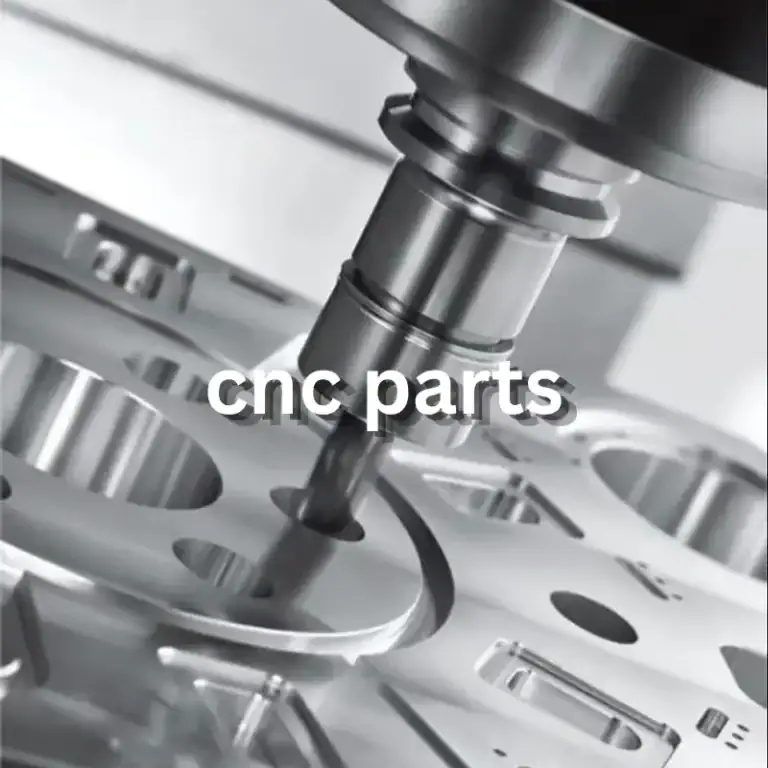
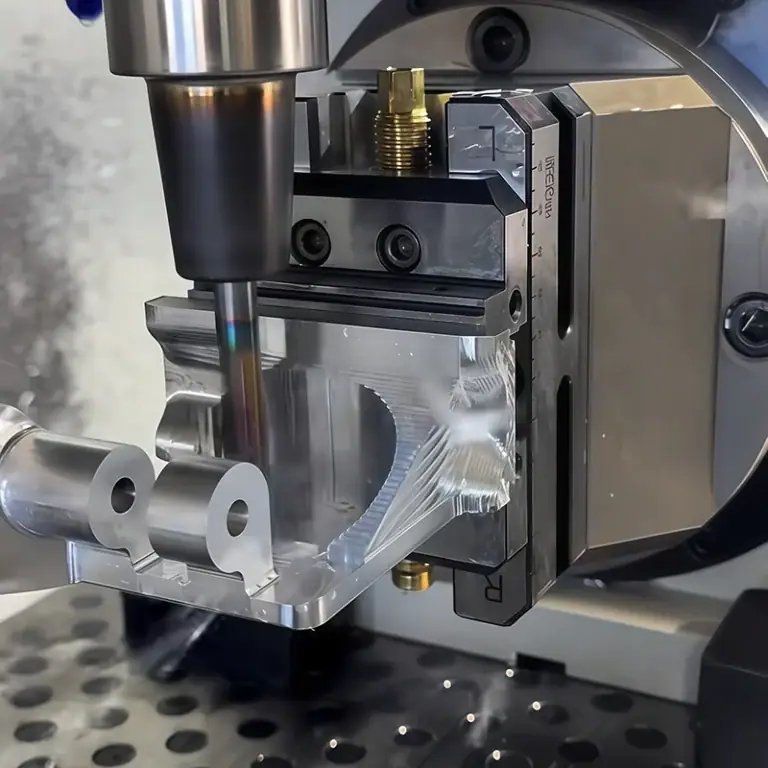
CNC machining is one of the most widely used manufacturing methods in aerospace production. It enables the accurate production of complex components while maintaining consistency across batches.
Key advantages include:
- High repeatability and accuracy
- Advanced automation capabilities
- Stable production efficiency
- Suitability for complex part geometries
Modern CNC systems form the foundation of aerospace precision machining and support consistent, high-quality manufacturing.
Five-Axis Machining Technology
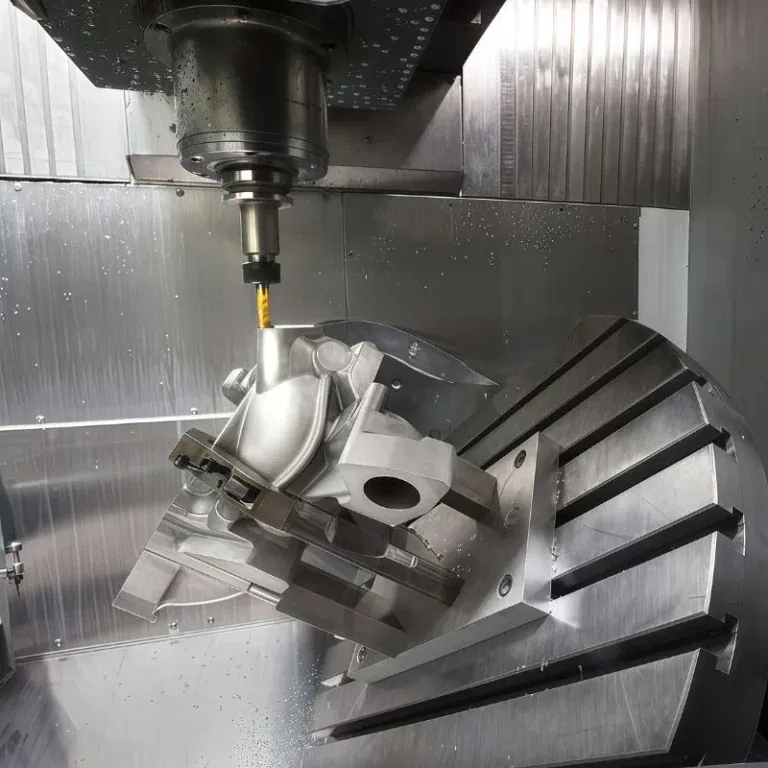
For complex surfaces and intricate geometries, five-axis machining significantly improves manufacturing capabilities while minimizing errors caused by multiple setups.
Key benefits include:
- Fewer setups and repositioning operations
- Improved capability for complex surface machining
- Shorter production cycles
- Better dimensional consistency
- Reduced operator-related errors
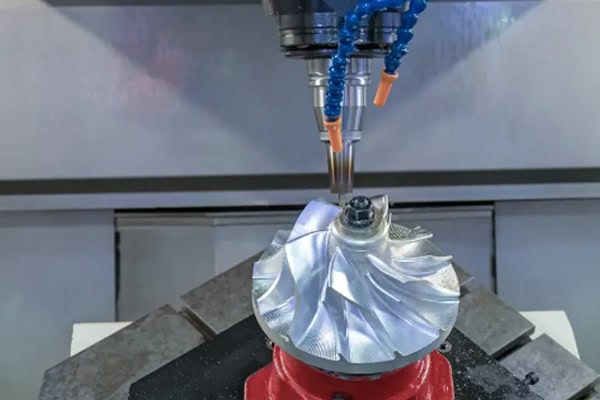
Five-axis machining has become an essential technology for manufacturing engine blades, structural aerospace parts, and other complex components.
Comprehensive Inspection Technology
High-precision manufacturing requires equally rigorous quality verification. Aerospace parts typically undergo multiple inspections throughout production to ensure compliance with strict standards.
Key inspection activities include:
- Raw material inspection
- In-process dimensional measurement
- Coordinate Measuring Machine (CMM) inspection
- Surface quality evaluation
- Final performance verification
A comprehensive inspection system helps identify issues early, improves consistency, and ensures reliable product delivery.
What Capabilities Should an Aerospace Parts Supplier Have?
For buyers, selecting a supplier with aerospace-grade manufacturing capabilities is just as important as the machining process itself. A qualified supplier should provide consistent quality, reliable delivery, and strong technical support.
Advanced Equipment Capabilities
Modern equipment is essential for achieving high-precision manufacturing and maintaining product quality.
Areas to evaluate include:
- Five-axis machining centers
- High-speed machining capabilities
- Precision inspection equipment
- Automated production systems
Stronger equipment capabilities often indicate greater potential for handling complex aerospace components.
Extensive Process Experience
Aerospace machining frequently involves difficult materials and highly complex geometries. Equipment alone cannot guarantee success.
Key evaluation factors include:
- Experience with complex structural components
- Expertise in machining difficult materials
- Precision control knowledge
- Project management capabilities
- Proven delivery performance
Experienced teams can solve production challenges more efficiently and improve project outcomes.
Comprehensive Quality Management Systems
The aerospace industry requires complete traceability and strict quality management. A robust quality system is a key indicator of supplier capability.
Core management elements include:
- Process documentation control
- Production traceability
- Inspection data management
- Continuous improvement programs
A well-established quality management system improves consistency and builds long-term customer confidence.
Aerospace parts machining demands far higher precision than conventional industrial manufacturing, encompassing dimensional tolerances, geometric accuracy, surface quality, and long-term stability. As the aerospace industry continues to advance, high-level precision machining capabilities are becoming an increasingly important competitive advantage. Tirapid specializes in precision machining and high-quality component manufacturing, providing reliable aerospace machining solutions for customers worldwide.