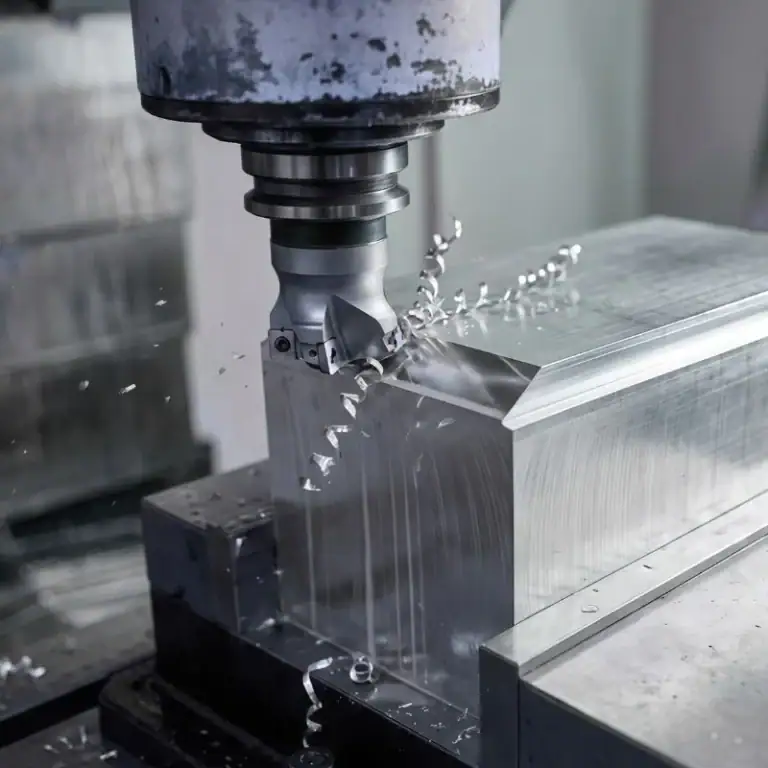
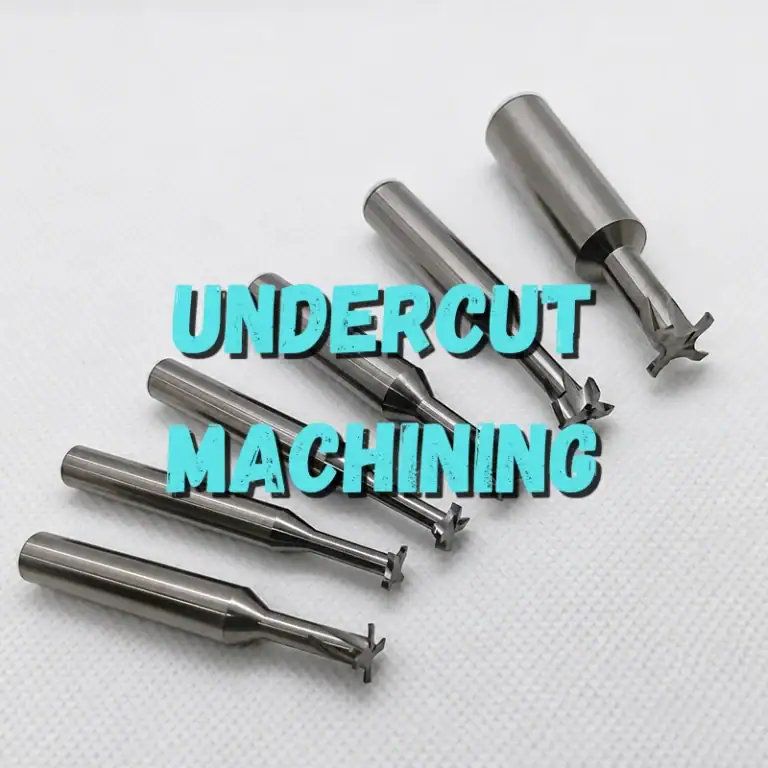
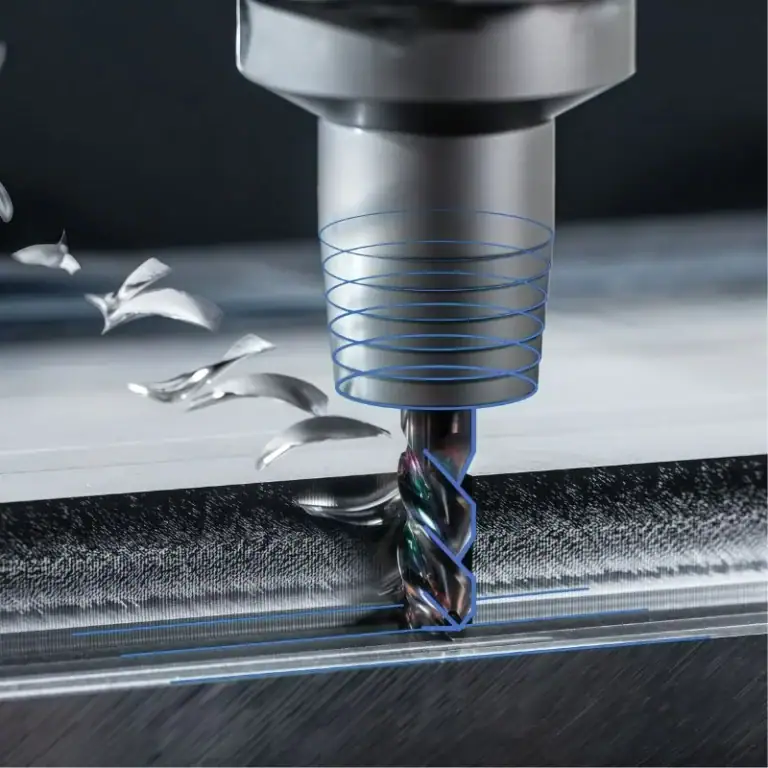
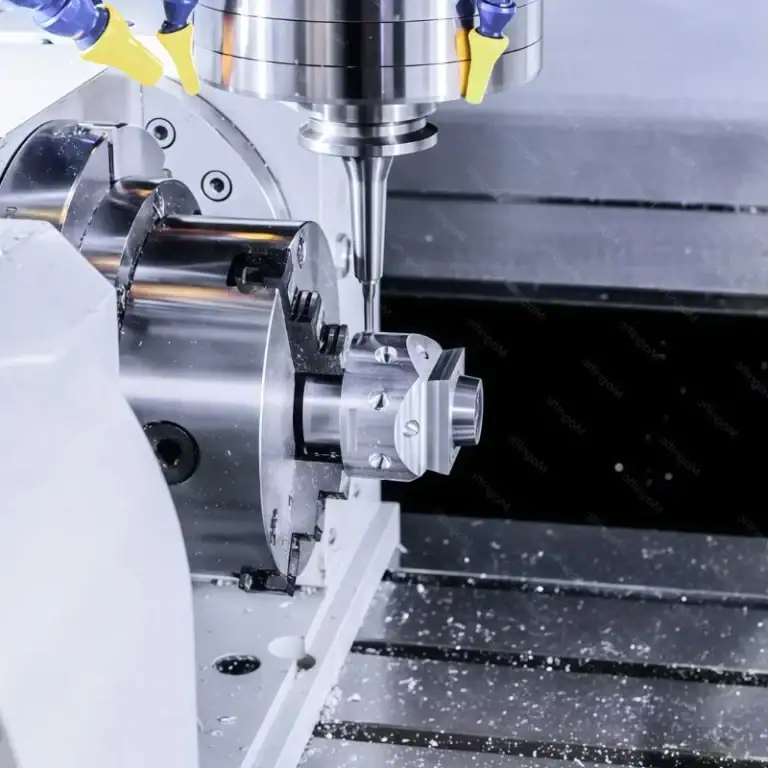
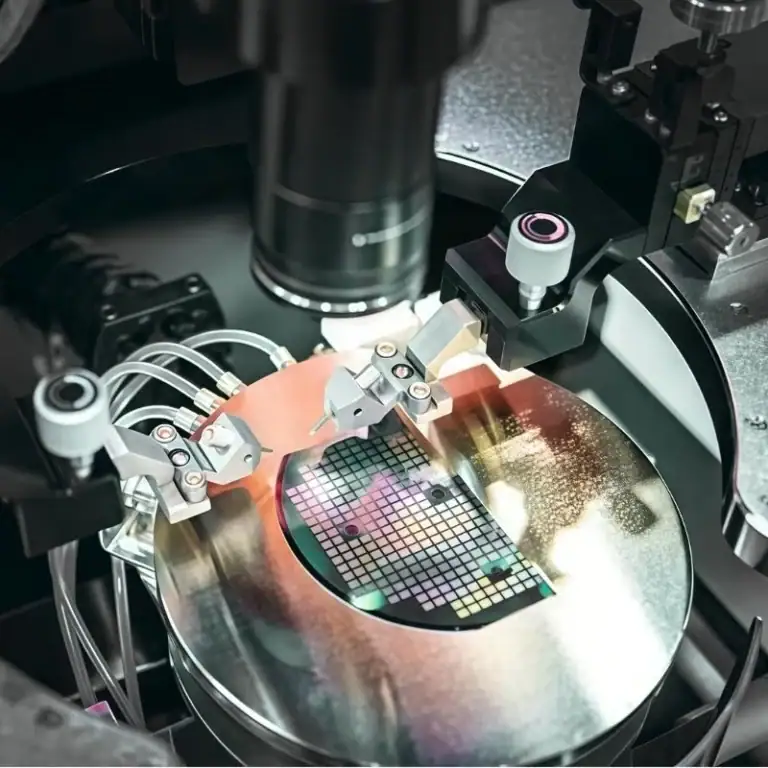
Many users researching part machining often focus only on equipment models or processing methods, while overlooking a key question: what actually determines machining accuracy? Machining accuracy generally refers to the degree of conformity between the finished part and the design drawing, including dimensional deviation, geometric tolerance, and surface condition. In precision machining, even when using the same equipment and drawings, differences in production conditions can still lead to variations in accuracy. These variations are usually the result of multiple factors working together, including equipment, process design, material properties, and environmental conditions.
How Equipment Performance Affects Machining Accuracy?
Equipment is the fundamental execution base of machining, and the upper limit of accuracy is largely determined by the machine itself. If the equipment lacks precision or stability, even well-optimized processes may not deliver ideal results.
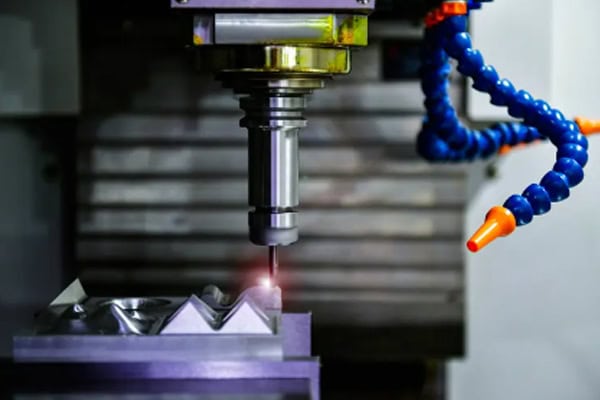
Machine Tool Accuracy and Stability
The inherent precision and long-term stability of machine tools are key factors affecting dimensional consistency. In precision machining, even small mechanical deviations can be transferred directly to the final product.
During long-term operation, wear and load variations gradually affect machining results.
- Guideway accuracy affects motion stability
- Spindle rotation accuracy impacts consistency
- Long-term wear leads to accumulated errors
- Repeat positioning accuracy affects batch stability
The more stable the equipment, the more controllable the precision machining results.
Rigidity and Vibration Control
During cutting, the machine must not only position accurately but also maintain stability. Insufficient rigidity or poor vibration resistance can easily cause fluctuations in machining results.
This issue is especially noticeable in high-speed machining and complex part processing.
- Cutting vibration affects dimensional stability
- Unstable tool-workpiece contact
- Increased surface roughness
- Reduced consistency in long production runs
Therefore, high-end machines are typically designed with enhanced structural rigidity.
How Process Design Affects Machining Accuracy?
If equipment defines the basic capability, process design determines the stability ceiling. A well-planned machining process can effectively reduce error accumulation and is essential in precision machining.
Machining Path and Operation Sequence
The machining sequence directly affects stress release and dimensional changes. Poor process design may cause accumulated errors even if individual operations are precise.
- Rough and finishing sequence affects stress distribution
- Improper paths lead to accumulated deviations
- Multiple setups increase positioning errors
- Optimized routing improves overall consistency
The more rational the process design, the more stable the final result.
Tool Selection and Parameter Matching
Proper matching between cutting tools and machining parameters directly affects process stability and surface quality. Incorrect settings can lead to accuracy variations even with advanced equipment.
- Tool material affects cutting stability
- Speed and feed must match material properties
- Incorrect parameters accelerate tool wear
- Cutting force changes impact dimensional control
Proper matching is essential for stable machining performance.
How Material Properties Affect Machining Accuracy?
Material properties directly influence cutting force and heat generation during machining, which in turn affects final accuracy.
Hardness and Deformation Characteristics
Different materials behave differently during machining, with hardness and elasticity being key factors.
Some materials may also rebound after machining, affecting final dimensions.
- High-hardness materials generate greater cutting resistance
- Elastic deformation causes dimensional rebound
- Work hardening increases machining difficulty
- Material stability affects consistency
The more complex the material, the higher the requirements for precision machining.
Thermal Deformation
Heat generated during machining can cause dimensional changes if not properly controlled, making thermal management critical.
- Cutting heat causes dimensional variation
- Uneven cooling leads to local deformation
- Thermal stress release causes secondary errors
Thermal control directly impacts final accuracy.
How Environmental and Human Factors Affect Machining Accuracy?
In addition to equipment, processes, and materials, environmental and operational factors also influence machining results. These are often underestimated but critical in high-precision manufacturing.
Temperature Stability
Environmental temperature changes can affect both machine structure and material dimensions, leading to subtle but important variations.
- Temperature changes cause thermal deformation of machines
- Material expansion and contraction affect stability
- Long machining cycles accumulate errors
A stable environment improves consistency.
Operational and Inspection Quality
Human factors, including setup, programming, and inspection, also play a key role in final quality.
- Improper fixturing affects stress distribution
- Programming errors impact machining paths
- Inspection accuracy affects quality feedback
- Operator experience influences batch consistency
Standardized procedures significantly improve stability.
Machining accuracy is the result of multiple interacting factors rather than a single determining element. It is influenced by equipment performance, process design, material properties, environmental conditions, and human operation. In precision machining, only by systematically controlling each factor can stable and reliable manufacturing quality be achieved. Tirapid specializes in high-precision manufacturing and precision machining services, providing end-to-end solutions from process optimization to mass production.