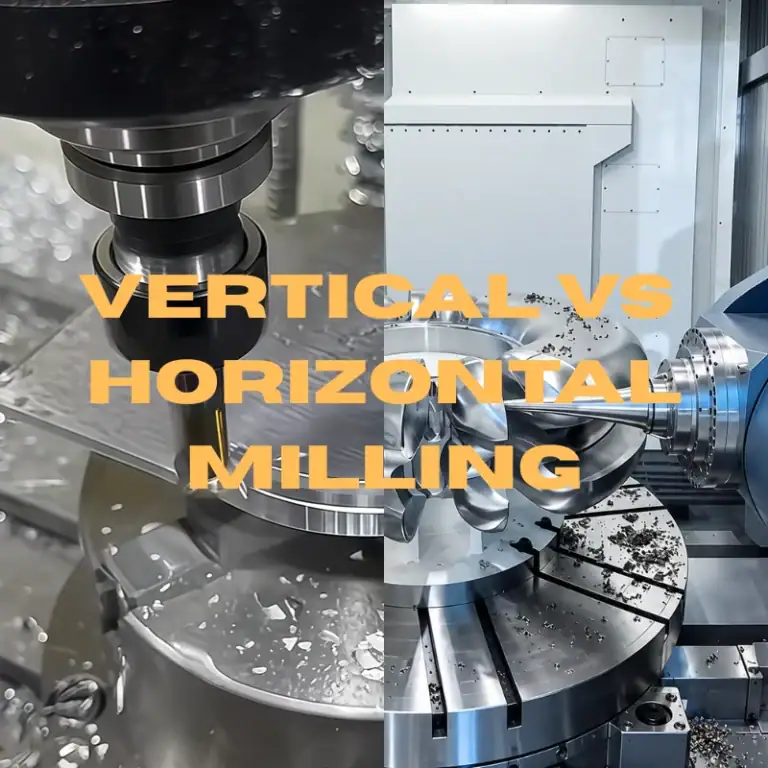
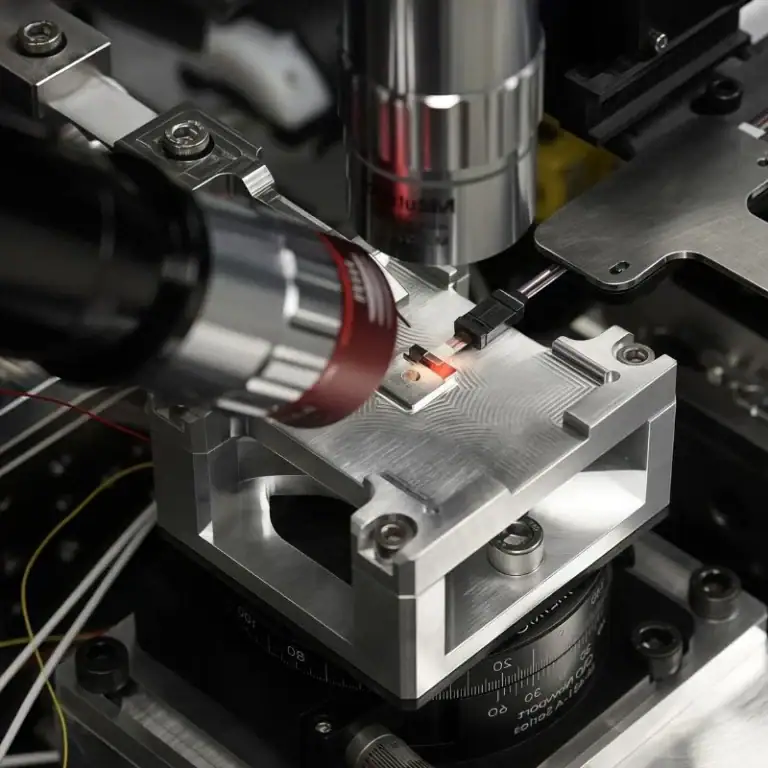
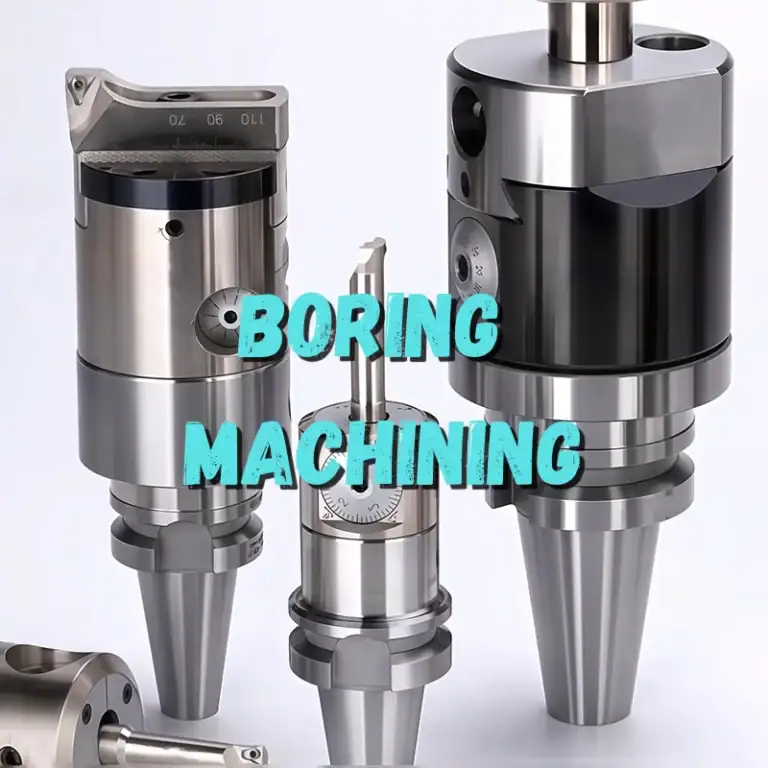
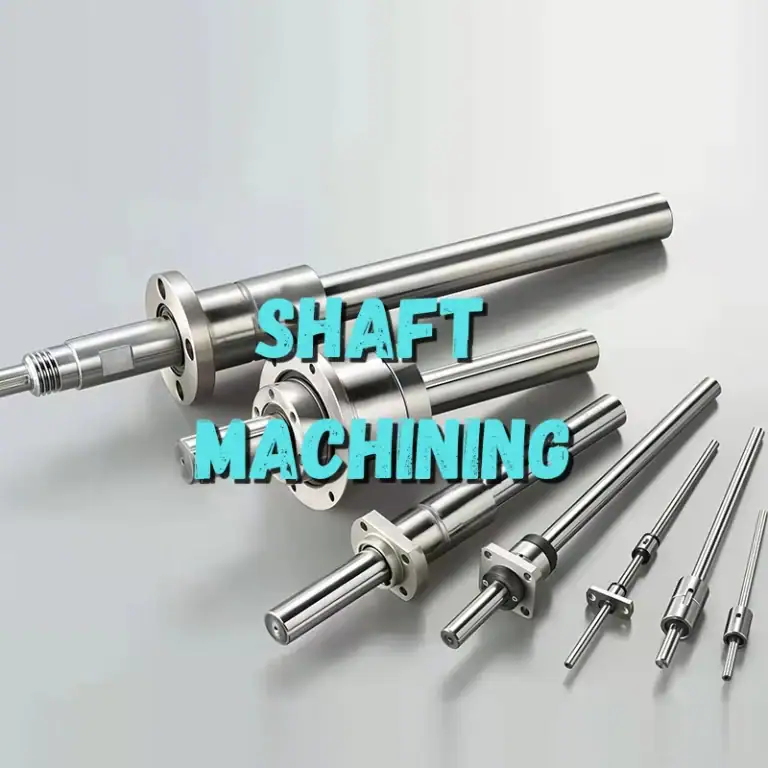
In the context of accelerating product R&D cycles, demand for small-batch high-precision parts is growing rapidly. Whether for medical device prototypes, aerospace test components, or customized automation parts, manufacturers must achieve high-precision production within short lead times while balancing cost and delivery stability. This production model differs significantly from traditional mass manufacturing, emphasizing flexibility and machining accuracy, where precision machining capability plays a critical role.
Characteristics of Small-Batch High-Precision Parts Manufacturing
Small-batch high-precision manufacturing is closer to “custom engineering production” than standard mass production. Each batch may involve different designs or revisions, requiring highly flexible processes while maintaining dimensional consistency and functional reliability. This creates a strong demand for carefully selected machining methods.
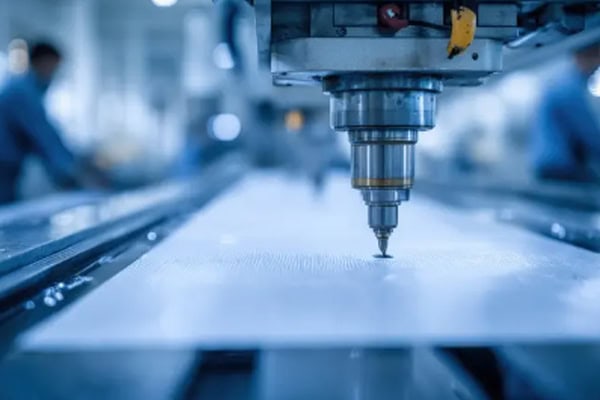
Frequently Changing Orders with Uncompromised Accuracy
In small-batch production, orders often come from R&D or prototyping stages, where designs may change frequently, but precision requirements remain strict.
- In precision machining, each batch may involve different structural designs
- Process parameters often need to be revalidated for each production run
- Even single-piece production must meet high accuracy standards
- Frequent process adjustments are required compared to mass production
This requires machining systems with strong adaptability.
Balancing Cost and Efficiency
Due to limited quantities, small-batch production cannot rely on economies of scale, making cost control and efficiency balance more important.
- Higher per-unit machining cost
- Frequent machine setup changes
- Greater proportion of process preparation time
- Increased demand for optimized machining efficiency
Efficiency alone is not the only goal—stability is equally important.
Main Machining Methods for Small-Batch High-Precision Parts
In industrial practice, small-batch high-precision parts are rarely produced using a single process. Instead, multiple machining methods are combined based on geometry complexity, material properties, and accuracy requirements, forming a hybrid precision machining workflow.
CNC Machining (Core Solution)
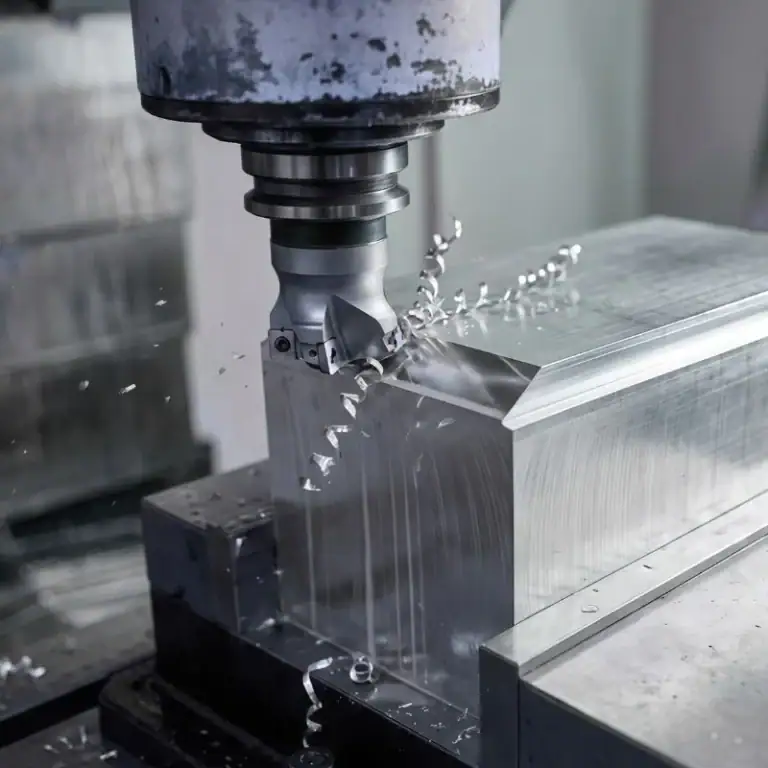
CNC machining is the most widely used method for small-batch high-precision parts due to its flexibility and stability.
In practice, CNC systems can quickly adapt to different designs through program adjustments, making them ideal for R&D and multi-type production environments.
- Suitable for most metals and engineering plastics
- Rapid program modification for design changes
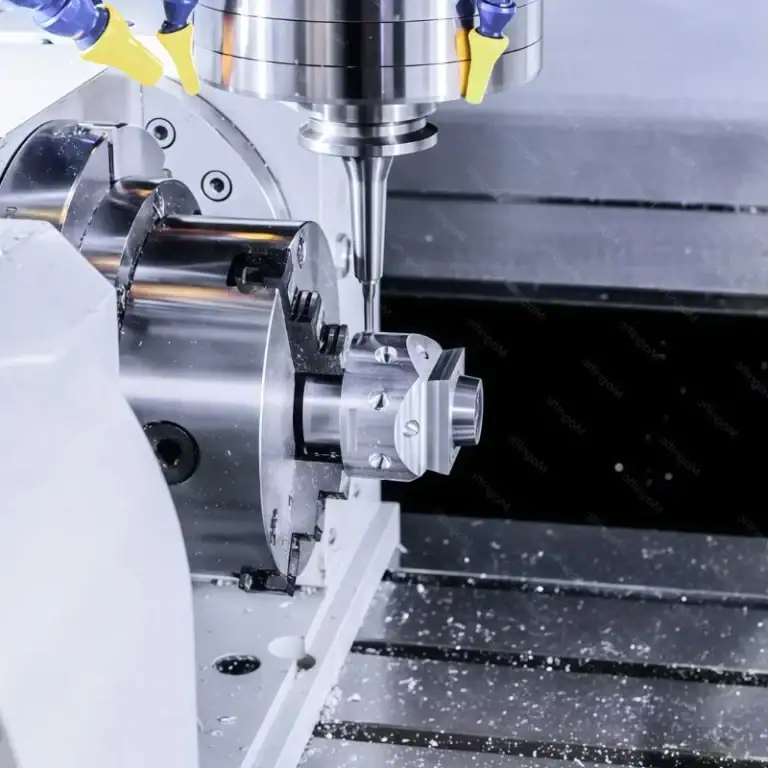
- Supports multi-axis and complex structure machining
- Stable accuracy suitable for precision machining requirements
Electrical Discharge Machining (EDM)
For structures that are difficult to machine with cutting tools—such as deep cavities, narrow slots, or ultra-hard materials—EDM provides an effective alternative.
It removes material through electrical erosion rather than mechanical force, ensuring stable machining even in complex or high-hardness conditions.
- Suitable for complex internal cavities and micro-features
- Not limited by material hardness
- High precision, ideal for molds and precision components
- Effective for non-cuttable structures
Grinding and Finishing Processes (Precision Assurance Stage)
In small-batch high-precision manufacturing, final accuracy often depends on grinding or finishing processes that refine dimensions and surface quality.
Although the material removal volume is small, this stage is critical to final performance and is an essential part of precision machining systems.
- Used for final dimensional correction
- Improves surface finish and fitting accuracy
- Suitable for hardened steel and high-hardness materials
- Typically used as the final process
Key Control Factors in Small-Batch Precision Manufacturing
Even with the correct machining methods, improper process control can still lead to inconsistent results. Therefore, process planning and control are often more important than equipment itself in ensuring stable precision machining quality.
Process Planning Determines Stability and Efficiency
In small-batch production, every step must be carefully planned to avoid inefficiencies and repeated adjustments.
- Logical arrangement of roughing and finishing steps
- Reduction of repeated clamping operations
- Pre-planned toolpaths for consistency
- Minimized cumulative machining errors
Tool and Parameter Matching Is Critical
Due to frequent product changes, tools and parameters must remain highly adaptable to maintain consistency.
- Tool selection based on material type
- Dynamic adjustment of cutting parameters
- Stable feed and spindle control
- Prevention of excessive tool wear
Quality Inspection Throughout the Process
In small-batch high-precision production, inspection is not only final verification but also part of process control.
- In-process dimensional checks
- Use of CMM for accuracy verification
- Real-time process adjustments
- Reduced rework and scrap rates
Development Trends in Small-Batch High-Precision Manufacturing
As product development cycles accelerate, small-batch precision manufacturing is evolving toward smarter and more flexible systems. Future manufacturing will rely less on fixed workflows and more on adaptive, data-driven production systems.
Flexible Manufacturing Systems
Flexible production enables rapid switching between product types.
- Fast changeover capability
- Higher equipment utilization
- Suitable for prototyping and R&D stages
Digital-Driven Precision Machining
Integration of digital models and machining data improves accuracy and control.
- Digital toolpath management
- Traceable process parameters
- Improved stability and repeatability
Automation with Human Collaboration
The combination of automation and skilled labor enhances efficiency in customized production.
- Automation improves consistency
- Human expertise handles complex optimization
- Enhanced overall precision machining capability
The essence of small-batch high-precision manufacturing is finding the balance between flexibility and accuracy. By selecting appropriate machining methods, optimizing process workflows, and strengthening process control, manufacturers can achieve stable and high-quality output. To meet these demands, Tirapid provides professional precision machining solutions to help clients efficiently produce small-batch high-precision components.