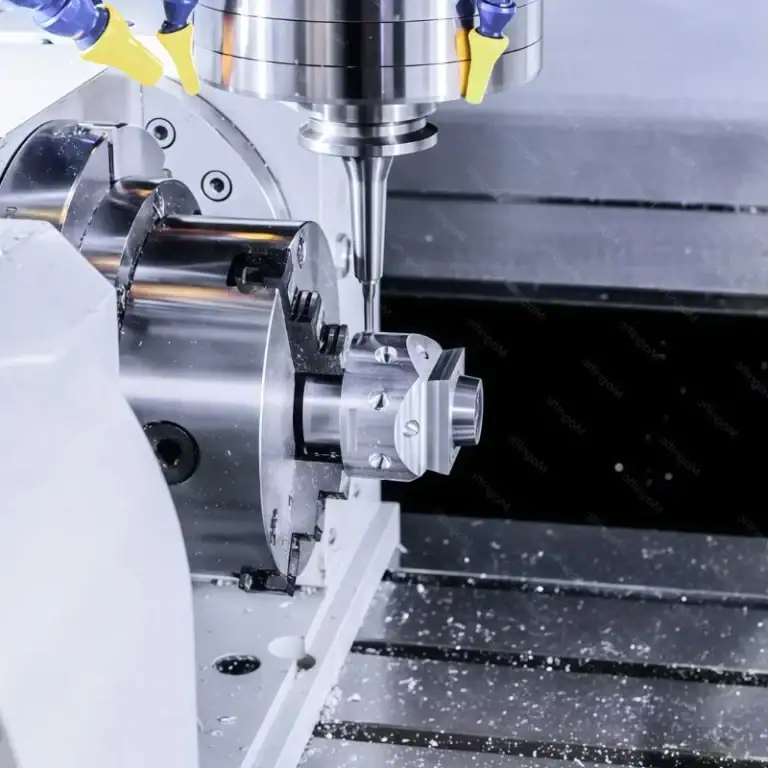
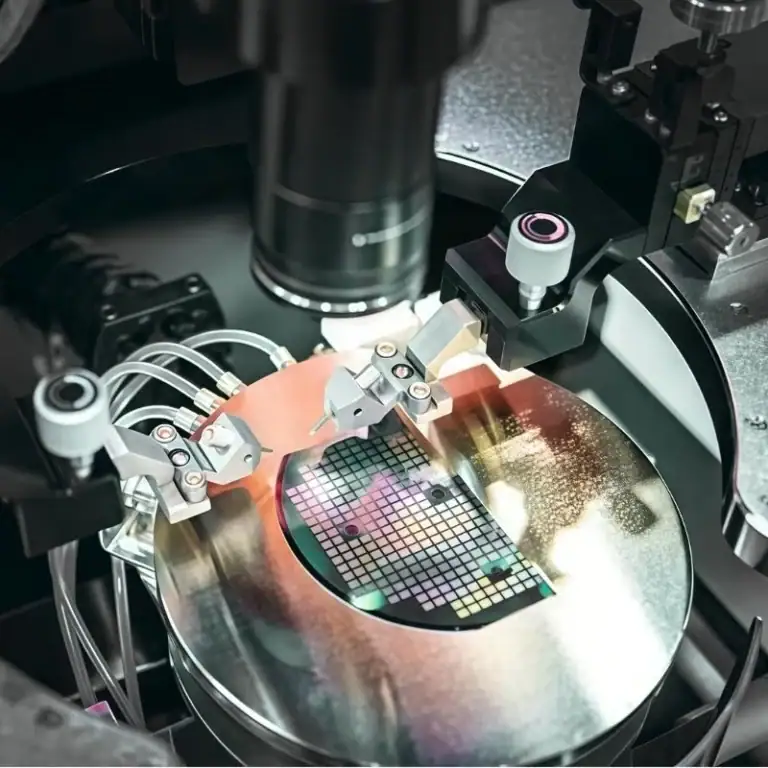
When many users learn about gear products, they often focus only on the module, number of teeth, and material, while rarely understanding how a gear is gradually manufactured from a metal blank into a high-precision transmission component. In reality, the manufacturing process of precision gears involves multiple stages, including material selection, blank forming, gear cutting, heat treatment, and final precision finishing. Within the precision machining system, dimensional accuracy, gear profile error, and surface quality all directly affect the stability, noise level, and service life of the equipment. Therefore, every process must be strictly controlled.
Gear Manufacturing Starts with Material Selection
Before machining begins, the performance foundation of a gear is determined by its material. Different application scenarios require different levels of strength, wear resistance, and toughness, making material selection the starting point of the entire manufacturing process.
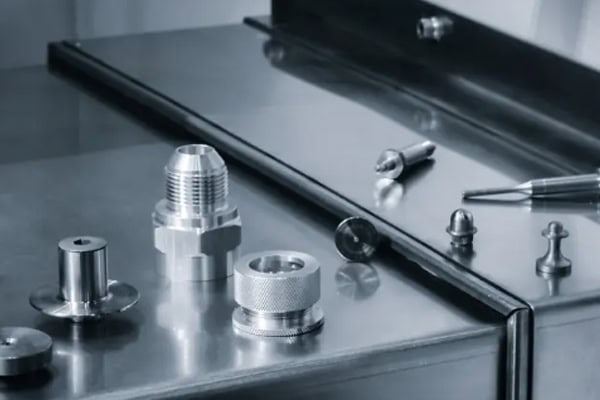
Gear Material Selection
Common materials used in gear manufacturing include alloy steel, carbon steel, and certain special engineering materials. Different materials not only determine load-bearing capacity but also affect machining stability and the effectiveness of precision machining, so proper matching must be considered during the design stage.
Main factors to consider include:
- Alloy steel is suitable for high-load transmission systems;
- Carbon steel is suitable for medium and low-load mechanical structures;
- Special alloys are used for high-precision or high-temperature environments;
- Material uniformity affects gear surface stability;
Proper material selection improves machining stability from the source and reduces corrective effort in later processes, making the overall precision machining process more controllable.
Material Properties and Machining Compatibility
Materials must not only meet strength requirements but also consider machinability, heat treatment response, and deformation behavior. Therefore, evaluation should be based on manufacturability.
- Machinability affects processing efficiency;
- Heat treatment response affects hardness distribution;
- Material uniformity affects deformation control;
The better the compatibility between material and machining method, the more stable the subsequent precision machining process, while also reducing tool wear and machining errors.
Blank Forming Methods
After material selection, gear blanks are formed through forging, casting, or bar cutting. This step determines the basic structure and internal organization of the part.
- Forging is suitable for high-strength gears;
- Casting is suitable for complex structures;
- Bar stock is suitable for small-batch production;
- Microstructure uniformity affects deformation control;
- Allowance distribution affects later gear cutting;
The more stable the blank quality, the more uniform the stress release during later machining, reducing profile errors and dimensional fluctuations.
Gear Cutting Is the Core Manufacturing Stage
The actual transmission performance of gears is mainly determined by tooth profile accuracy, making gear cutting the most critical stage in the entire manufacturing process and the core of precision machining capability.
Rough Gear Machining
Before high-precision machining, gear hobbing, shaping, or milling is used to form the basic tooth profile, giving the gear its initial structure.
- Hobbing is suitable for mass production;
- Shaping is suitable for internal gears;
- Milling is suitable for special profiles;
- Rough machining defines basic tooth accuracy;
The quality of rough machining determines the difficulty of later precision finishing; uneven initial profiles directly affect final meshing accuracy.
Precision Gear Profile Correction
After rough machining, high-precision equipment is used to refine the tooth profile to improve meshing accuracy and operational stability.
- Improve profile consistency;
- Control cumulative pitch error;
- Optimize tooth surface contact;
Even small deviations can be amplified into noise or vibration during operation, making this stage critical for gear quality.
Tooth Surface Finishing
After the basic tooth profile is completed, grinding or honing is used to further improve surface quality and achieve final accuracy requirements.
- Grinding improves precision;
- Honing improves contact conditions;
- Minor deformation correction;
- Reduces surface roughness;
- Enhances high-speed stability;
Tooth surface finishing significantly improves load distribution and extends service life.
Heat Treatment Enhances Gear Performance
Gears require not only precision but also strength, making heat treatment an essential process.
Heat Treatment Methods
Heat treatment modifies the internal structure of the material to improve hardness, toughness, and wear resistance.
- Quenching increases hardness;
- Tempering improves toughness;
- Carburizing improves wear resistance;
- Quenching & tempering balances strength and toughness;
Heat treatment improves performance but may introduce deformation risks.
Heat Treatment Deformation Control
During heat treatment, dimensional changes may occur due to thermal stress, so machining allowances must be reserved.
- Thermal stress causes deformation;
- Uneven cooling causes errors;
- Machining allowance must be reserved;
Poor deformation control can damage previous machining accuracy, making process matching essential.
Post-Heat Treatment Correction
After heat treatment, corrective machining is required to restore design accuracy and improve stability.
- Dimensional correction;
- Tooth profile adjustment;
- Stress relief;
- Contact surface optimization;
This step ensures final geometric accuracy and machining stability.
Final Precision Machining and Inspection
After all previous processes, final finishing and inspection ensure the gear meets application standards.
Surface Finishing
Grinding and other high-precision processes improve surface quality and ensure stable transmission performance.
- Improve surface accuracy;
- Reduce operating noise;
- Optimize contact uniformity;
- Improve surface finish;
- Enhance transmission efficiency;
Precision finishing directly affects operational performance.
Quality Inspection System
After machining, multiple inspections are required to ensure compliance with design standards.
- Tooth profile inspection;
- Pitch error inspection;
- Surface roughness measurement;
Inspection determines whether the product is suitable for industrial use.
Packaging and Delivery Control
After inspection, protective packaging ensures no damage occurs during transportation.
- Anti-rust treatment;
- Shock-resistant packaging;
- Classified packaging;
- Transport protection;
Proper packaging ensures integrity of precision-machined parts during delivery.
Gear manufacturing is a highly systematic process involving multiple coordinated stages. From material selection and gear cutting to heat treatment and final finishing, every step affects final performance. Only with strict process control can high-precision and highly reliable gears be achieved. Tirapid specializes in high-precision manufacturing and precision machining services, providing stable and reliable gear processing solutions for customers.