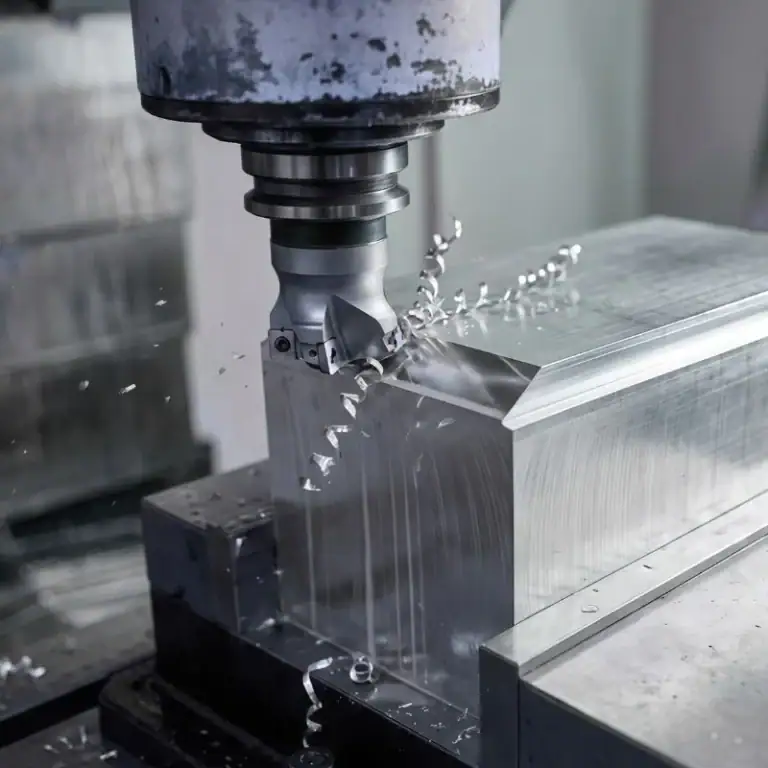
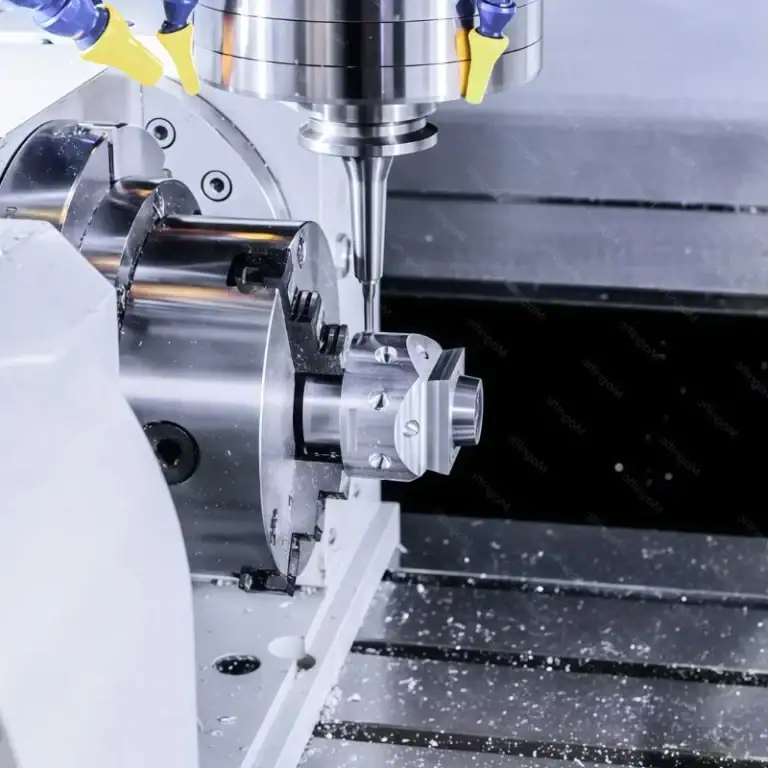
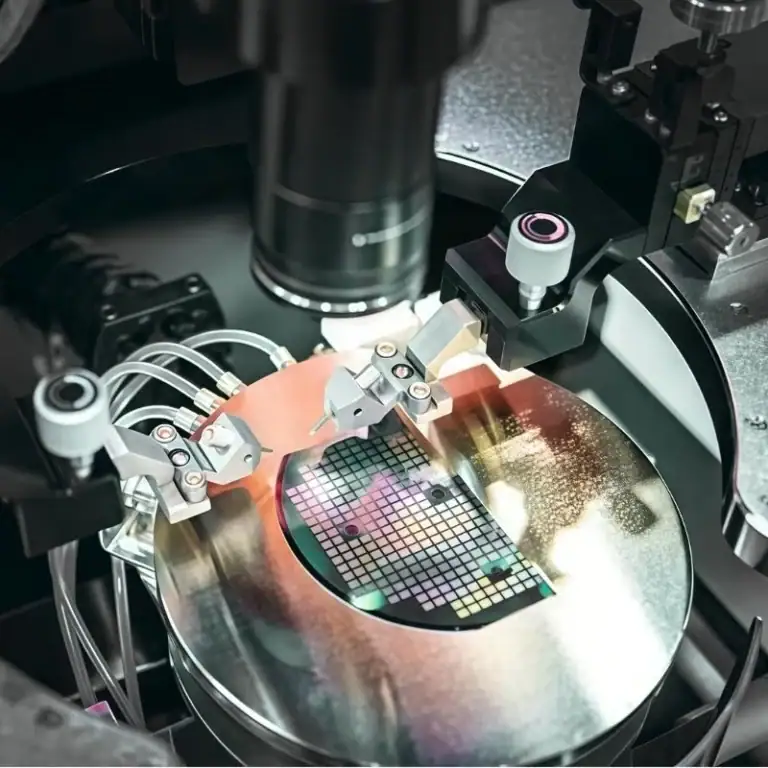
Many people notice that high-end equipment is often far more expensive than ordinary industrial products. This value does not come only from complex functions or brand premiums, but more importantly from extremely strict requirements in component manufacturing accuracy. Whether it is an aircraft engine, medical imaging equipment, or semiconductor manufacturing systems, these devices rely on extremely precise part matching during operation. Once a key component deviates even slightly in dimension or geometry, overall system stability may be affected. For this reason, the performance ceiling of high-end equipment is largely determined by precision machining capabilities.
Why Can High-End Equipment Not Be Separated from Precision Manufacturing?
High-end equipment usually operates under conditions of high speed, high load, or extremely strict stability requirements. These systems have complex structures and tightly coupled component relationships. Compared with ordinary mechanical products, they demand much higher accuracy in dimensional tolerances, assembly consistency, and dynamic stability. Any deviation in one part can affect overall system performance, making manufacturing capability a key factor in equipment reliability.

Equipment Performance Depends on Component Fit Accuracy
In high-end equipment, parts are not simply assembled together but work as highly coordinated precision systems. Many performance issues are not caused by design flaws but by accumulated machining deviations that prevent the design intent from being fully realized.
Main impacts include:
- Assembly clearance variations affecting operational stability
- Small deviations amplified into vibration issues
- Transmission errors reducing overall accuracy
- Accumulated tolerances lowering system performance
These deviations may be negligible in ordinary machines but become significantly amplified in high-end equipment, directly affecting performance output.
High-Speed Operation Requires Greater Stability
Many high-end systems include high-speed rotating or high-frequency moving components, such as spindle systems, turbine parts, and precision transmission units. At high speeds, geometric accuracy directly affects dynamic balance, and even slight deviations can introduce additional loads.
Key factors include:
- Roundness errors affecting rotational balance
- Concentricity deviations increasing vibration
- Surface quality influencing friction loss
- Dimensional inconsistency affecting dynamic response
The higher the operating speed, the greater the demand for precision machining, which is a defining feature of high-end manufacturing.
Extreme Operating Conditions Amplify Manufacturing Errors
Many high-end devices must operate under high temperature, high pressure, or complex stress environments. These conditions further amplify the effects of machining errors.
Common situations include:
- Thermal expansion differences in high-temperature environments
- Structural fatigue caused by long-term operation
- Micro-crack propagation under complex loads
- Dimensional instability due to environmental changes
Therefore, high-end equipment requires not only high machining accuracy but also long-term structural stability.
What Does Precision Manufacturing Actually Improve?
Precision manufacturing is not just about achieving tighter tolerances; it is the foundation for overall equipment performance. It affects not only individual components but also the stability and reliability of the entire system.
Improved Operational Stability
When machining accuracy improves, component interaction becomes smoother, reducing unnecessary energy loss and mechanical impact. The overall system runs more steadily.
Main improvements include:
- Significant reduction in vibration
- Improved dynamic balance stability
- Reduced mechanical wear
- Lower operational noise
Stability directly determines whether equipment can operate continuously under high loads.
Extended Service Life
Precision manufacturing reduces abnormal wear between components, minimizing localized stress concentration and extending equipment lifespan.
Key benefits include:
- Lower risk of abnormal wear
- Reduced stress concentration
- Improved fit consistency
- Delayed fatigue failure
Although precision machining increases manufacturing cost, it significantly reduces long-term maintenance and replacement costs.
Ensured Batch Consistency
High-end equipment is usually not produced as a single unit but requires consistent batch production of precision components. Any variation between batches can affect overall system performance.
Key control areas include:
- Dimensional stability across batches
- Multi-process consistency control
- Standardized process parameters
- Repeatable machining accuracy
Stable manufacturing systems ensure consistent performance in mass production.
What Manufacturing Technologies Support High-End Equipment Development?
As high-end equipment becomes more complex, traditional machining methods are no longer sufficient. Modern manufacturing relies on CNC technology, five-axis machining, and advanced inspection systems.
High-Precision CNC Machining
CNC machining is the foundation of modern high-end manufacturing, enabling highly repeatable and accurate production of complex parts.
Key features include:
- Stable machining accuracy
- Capability for complex geometries
- High production repeatability
- Strong automation capability
CNC machining directly defines the baseline manufacturing capability of a company.
Five-Axis Machining Capability
For complex geometries, traditional machining requires multiple setups, while five-axis machining completes multi-surface processing in a single setup, greatly improving accuracy and efficiency.
Main advantages include:
- Reduced setup errors
- Improved complex surface machining capability
- Higher dimensional consistency
- Shorter production cycles
Five-axis machining is now a core capability in aerospace and advanced manufacturing industries.
High-Standard Inspection Systems
High-end manufacturing relies not only on machining but also on inspection systems to ensure output quality. Without proper inspection, precision machining cannot guarantee consistency.
Key inspection methods include:
- CMM dimensional measurement
- Geometric tolerance analysis
- Surface roughness inspection
- In-process monitoring
Inspection systems form a closed-loop quality control process.
Why Has Precision Manufacturing Become an Industry Threshold?
As high-end equipment continues to evolve, manufacturing precision has shifted from an advantage to a basic requirement for industry entry.
Increasing Technical Barriers
Higher performance demands in modern equipment require tighter tolerances and more complex structures.
Key trends include:
- Smaller tolerance ranges
- Increased structural complexity
- Higher surface quality requirements
- Stronger long-term reliability standards
Precision machining capability has therefore become a core competitiveness factor.
Long-Term Balance Between Cost and Precision
Although precision manufacturing is more expensive, it significantly reduces long-term operational and maintenance costs.
Key benefits include:
- Reduced rework and scrap rates
- Lower maintenance frequency
- Improved operational efficiency
- Extended equipment lifespan
From a lifecycle perspective, precision manufacturing offers clear economic advantages.
High-end equipment relies heavily on precision manufacturing because its performance, stability, and lifespan are all built on extremely accurate components. From design to machining and inspection, every step influences final system performance. As industries continue to advance toward higher-end manufacturing, precision machining has become an indispensable core capability. Tirapid specializes in high-precision manufacturing and machining services, providing reliable component solutions for advanced industrial applications.