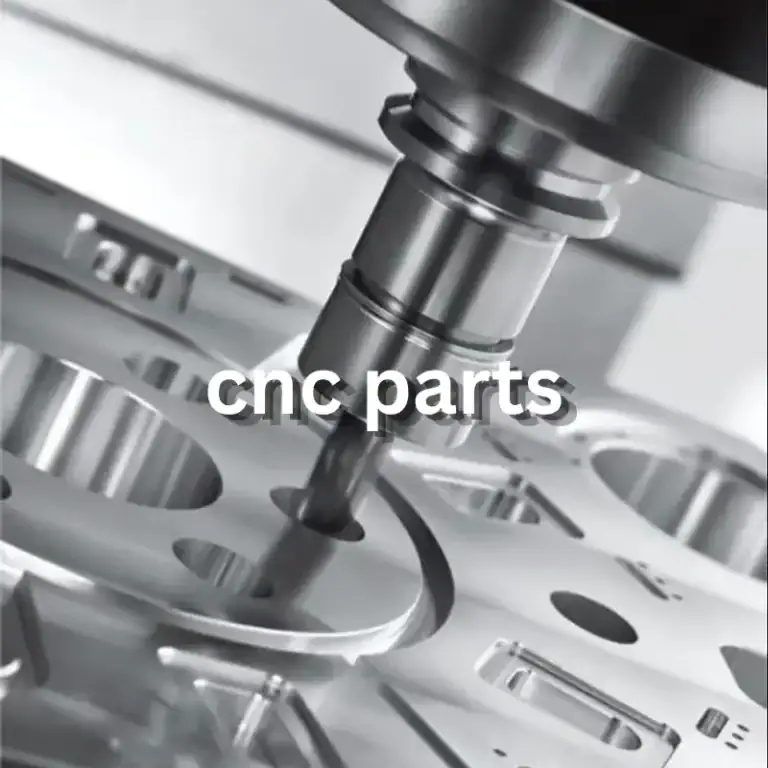
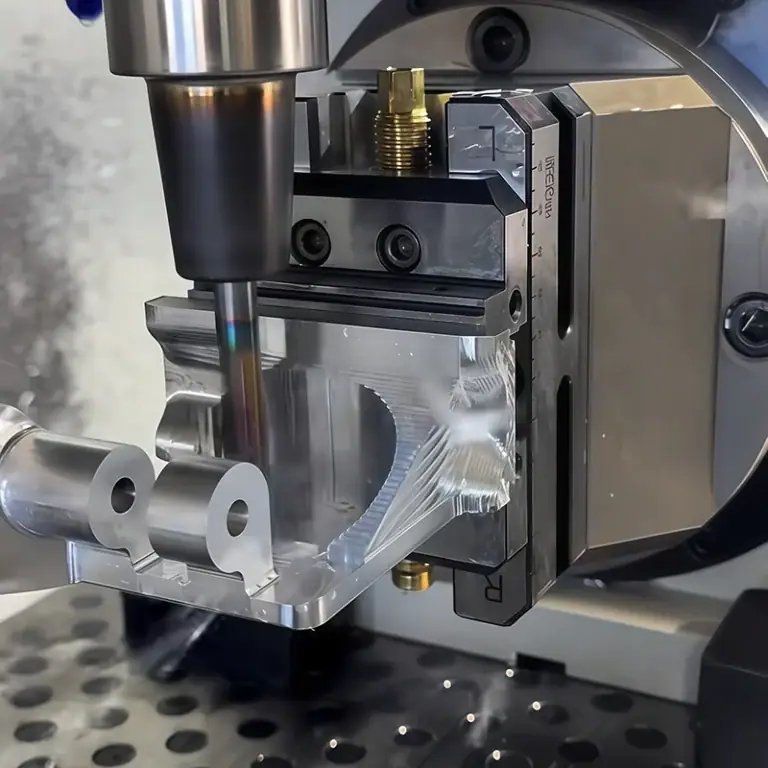
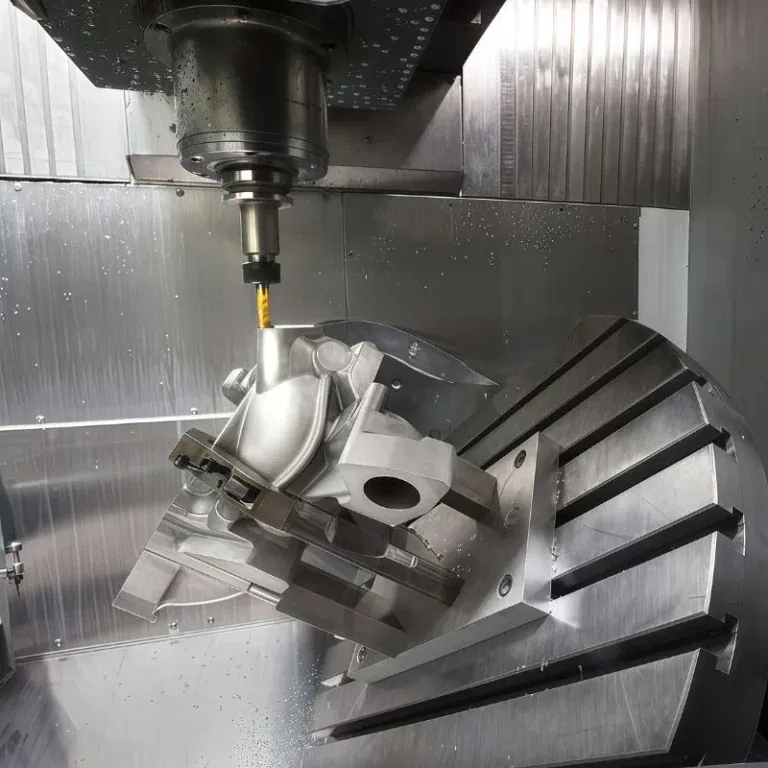
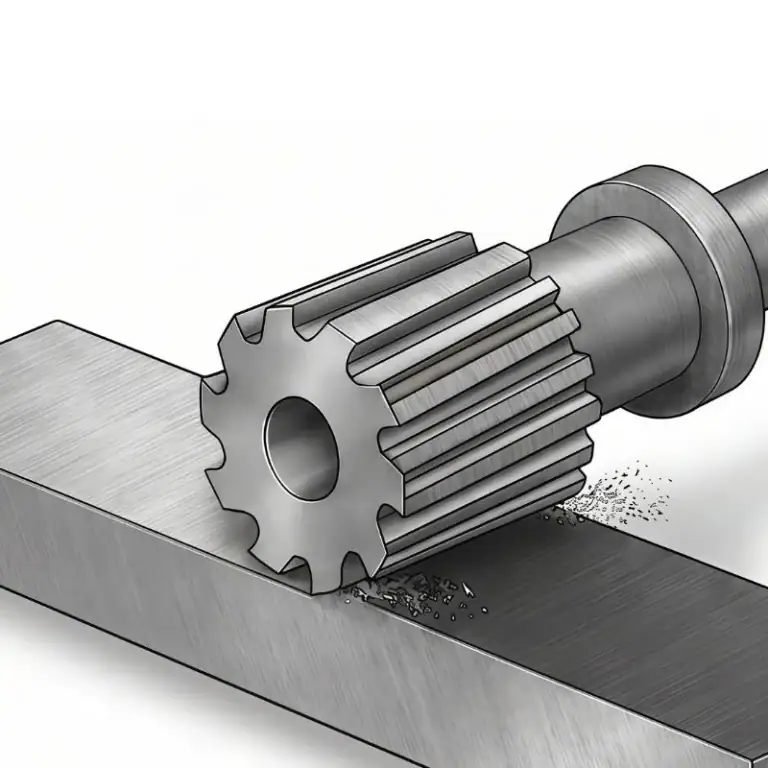
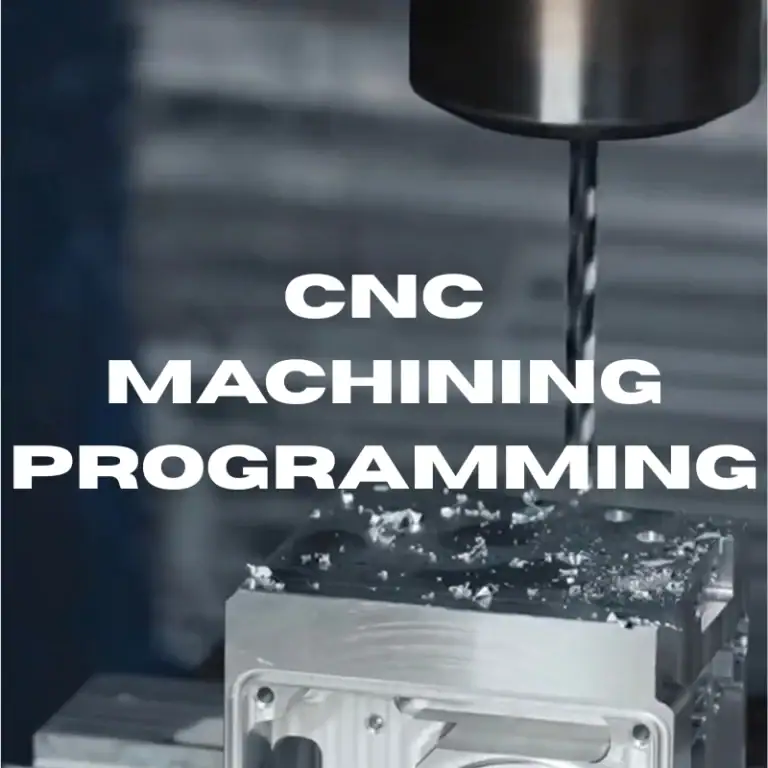
Metal machining does not always mark the end of the manufacturing process. After CNC machining, turning, milling, stamping, or other manufacturing operations, metal parts may still have machining marks, burrs, oxidation, residual stress, or insufficient corrosion resistance.This is why metal surface treatment and finishing processes are widely used after machining. The right surface treatment can improve corrosion resistance, wear resistance, surface appearance, hardness, and overall service life.
For precision CNC machined parts, surface finishing is not simply an aesthetic process. It can directly influence the functional performance, durability, and assembly quality of the finished component.
Why Do Metal Parts Need Surface Treatment After Machining?
Improve Corrosion Resistance
Metal components may be exposed to moisture, air, salt spray, or chemical substances during operation. Materials such as carbon steel and certain alloy steels can be particularly vulnerable to oxidation and corrosion without proper surface protection.
Processes such as powder coating, electroplating, black oxide, and anodizing can create a protective surface layer that helps reduce corrosion and extend the service life of the part.
Improve Wear Resistance
Some mechanical components are exposed to continuous friction, sliding, or impact. Examples include shafts, gears, guide rails, bushings, and various moving components.
If the surface hardness is insufficient, prolonged operation can cause wear and dimensional changes. Surface treatments such as hard anodizing, hard chrome plating, and nitriding can improve surface hardness and wear resistance according to the application requirements.
Improve Surface Appearance and Quality
CNC machined metal parts may have visible tool marks, machining lines, or minor burrs after production. Processes such as polishing, bead blasting, and brushing can improve surface texture and create a more uniform appearance.
For electronic housings, consumer products, equipment panels, and industrial components where appearance matters, an appropriate metal finishing process can significantly improve the overall visual quality.
What Are the Common Metal Surface Treatment Methods?
Anodizing
Anodizing is mainly used for aluminum and aluminum alloy parts. It can improve corrosion resistance and surface hardness while also providing different colors and visual finishes.For aluminum CNC machined parts where corrosion protection, appearance, and surface durability are important, anodizing is often an effective finishing option.
Sandblasting and Bead Blasting
Sandblasting or bead blasting uses abrasive media to impact the metal surface and create a consistent textured finish. It can help reduce the visual impact of machining marks and improve the appearance of the finished part.This process is commonly applied to aluminum, stainless steel, and other metals. It can also be used as a preparation process before anodizing or other surface treatments.
Electroplating
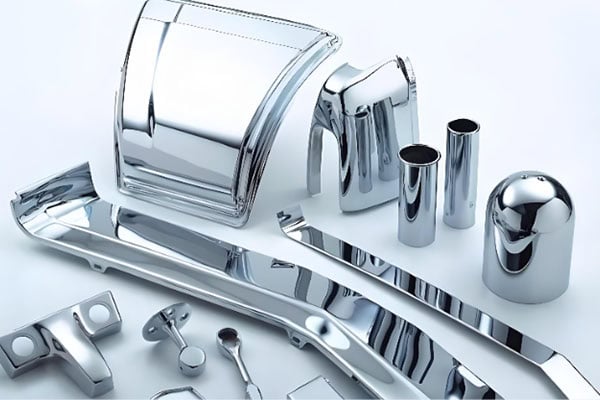
Electroplating deposits a layer of metal onto the surface of a component. Depending on the application, materials such as nickel, chromium, or zinc may be used as plating layers.Electroplating can improve corrosion resistance, wear resistance, and appearance. It is commonly used for mechanical components, fasteners, automotive parts, and industrial equipment.
Powder Coating
Powder coating uses an electrostatic process to apply powder material to a metal surface. The coated part is then heated to form a durable protective layer.Powder coating provides good coverage and a wide range of color options. It is commonly used for equipment housings, brackets, cabinets, frames, and larger metal structures.
Polishing and Brushing
Polishing reduces surface roughness and creates a smoother and more reflective surface. Brushing produces a consistent linear texture while maintaining a refined industrial appearance.These finishing methods are commonly used for stainless steel decorative parts, equipment panels, enclosures, and consumer electronics.
How Should You Choose a Metal Surface Treatment?
Consider the Base Material
Different metals are compatible with different finishing processes. Aluminum alloys are commonly anodized, while stainless steel may be polished, brushed, or bead blasted depending on the desired appearance and corrosion resistance.For steel components, electroplating, black oxide, and powder coating may be considered depending on the operating environment and performance requirements.
Consider the Operating Environment
The application environment is one of the most important factors in choosing a surface treatment.For parts used outdoors, in humid environments, or in coastal areas, corrosion resistance should be a priority. For components exposed to continuous friction or movement, surface hardness and wear resistance may be more important.
Consider Dimensional Tolerances
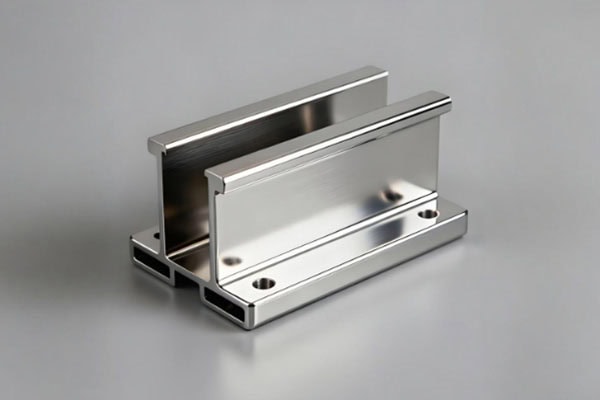
Surface treatment can add a certain amount of thickness to the surface of a part. For precision CNC machined components, this additional thickness must be considered when designing and machining the part.For example, coating or plating thickness may affect hole diameters, mating surfaces, dimensional tolerances, and assembly clearances.
When Should Surface Treatment Be Performed?
In many manufacturing processes, the main machining operations are completed before the final surface treatment. A typical production sequence may include rough machining, heat treatment when required, finish machining, inspection, and surface finishing.
For precision components with tight tolerances, the thickness of the surface treatment should be considered during the design and machining stages. Appropriate machining allowances can help prevent dimensional deviations after finishing.
How Does Surface Treatment Affect CNC Machined Parts?
Surface treatment should be considered as part of the overall CNC manufacturing process rather than as an independent final step.For example, anodizing may be suitable for aluminum components that require corrosion protection and an attractive finish. Electroplating can be useful for steel parts that need additional corrosion or wear resistance. Polishing may be more appropriate when a smooth and visually refined stainless steel surface is required.The correct process depends on the material, geometry, tolerances, operating environment, and final performance requirements of the component.
Why do metal parts need surface treatment after machining? The main reason is that machining primarily determines the geometry and dimensions of a component, while surface treatment improves its surface properties, including corrosion resistance, wear resistance, appearance, hardness, and service life.
There is no single surface treatment that is suitable for every CNC machined metal part. Material type, operating environment, appearance requirements, dimensional tolerances, wear resistance, production volume, and manufacturing cost should all be considered.
By selecting the appropriate metal surface treatment for each application, manufacturers can improve the functional performance, durability, and appearance of CNC machined components while achieving a better balance between product quality and manufacturing cost.