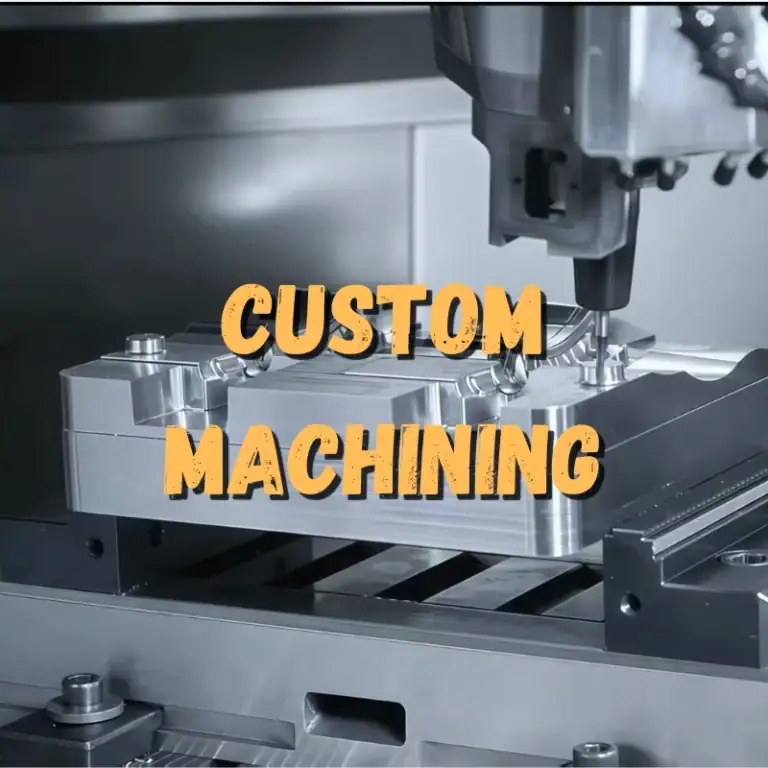
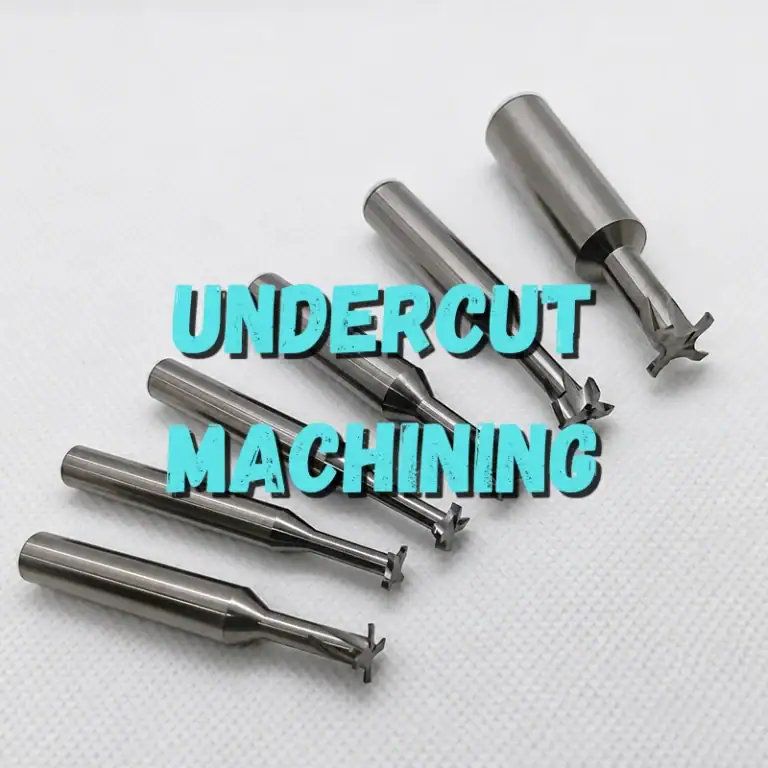
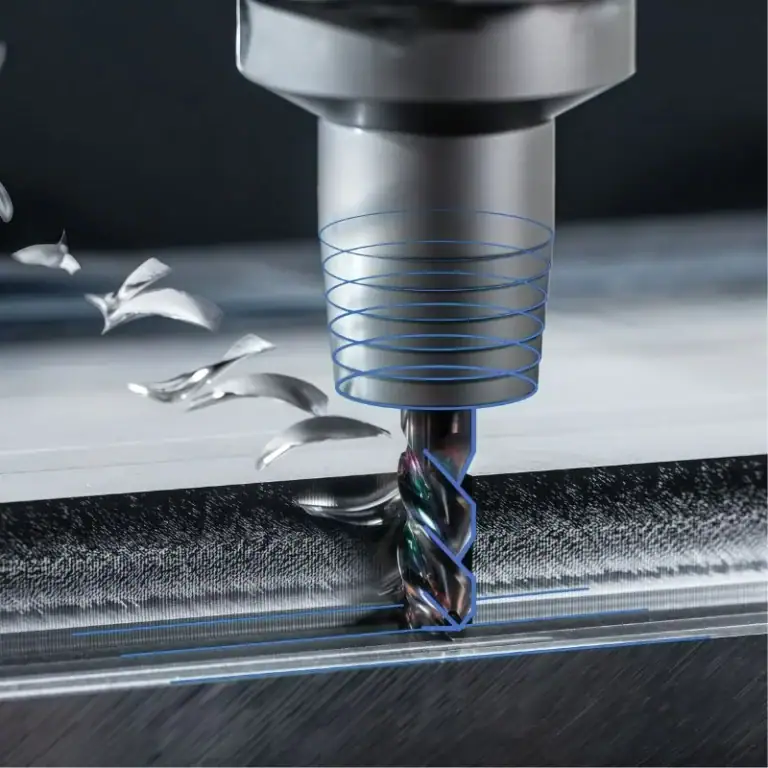
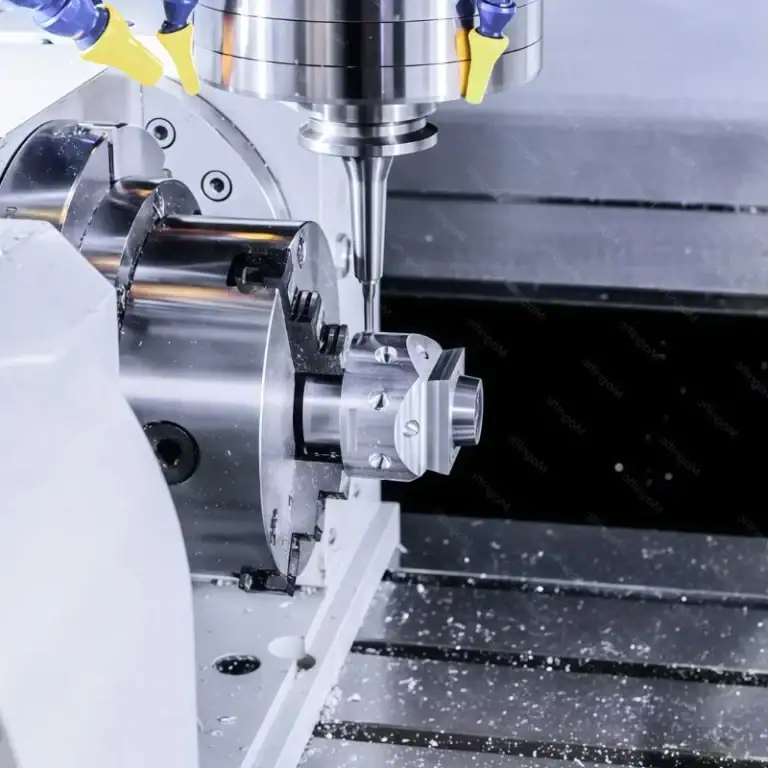
CNC thread turning is an important machining process for manufacturing precision threaded components used in machinery, automotive systems, hydraulic equipment, aerospace components, and industrial automation. By using computerized numerical control to synchronize spindle rotation with tool movement, CNC turning machines can produce accurate external and internal threads with consistent pitch, tooth profiles, and dimensional tolerances. Compared with manual thread machining, CNC thread turning provides better repeatability, higher production efficiency, and easier process control, making it suitable for prototypes, small-batch production, and large-volume manufacturing. Selecting the right thread specification, material, cutting tool, machining parameters, and inspection method is essential for producing reliable threaded parts.
Which Parts Are Suitable for CNC Thread Turning?
CNC thread turning is widely used for components that require precise threaded connections, stable assembly, and reliable mechanical performance. Common applications include threaded shafts, fittings, hydraulic components, valve parts, connectors, and custom mechanical components. When a threaded feature has strict dimensional requirements or must maintain consistent performance across large production batches, CNC turning can provide an efficient manufacturing solution.
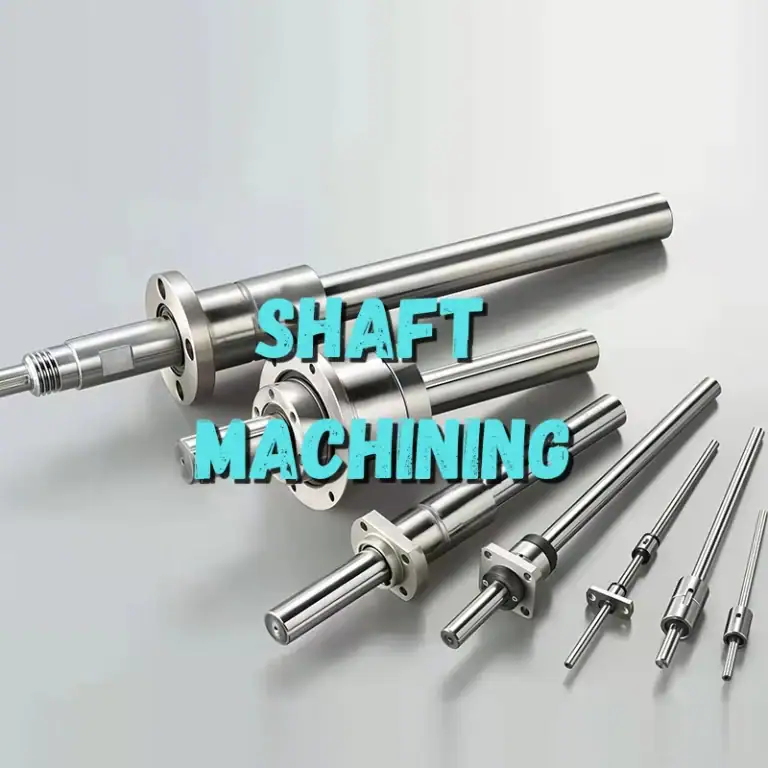
Precision Threaded Shafts
Threaded shafts are commonly used in mechanical transmission systems, fastening structures, automation equipment, and industrial machinery. Their threads must maintain accurate pitch and profile to ensure reliable engagement with nuts or other mating components.
- Maintain consistent thread pitch
- Control major and minor diameters
- Improve thread engagement
- Reduce assembly errors
- Improve connection stability
- Support long-term operation
For precision threaded shafts, controlling concentricity between the threaded section and other machined surfaces is also important. Accurate turning processes can help ensure that the finished shaft meets the dimensional requirements of the complete assembly.
Threaded Fittings and Connectors
Threaded fittings and connectors are widely used in hydraulic systems, pneumatic equipment, industrial pipelines, and mechanical assemblies. These components require accurate thread dimensions and good surface quality to achieve reliable connections.
- Improve connection accuracy
- Reduce leakage risks
- Ensure proper thread engagement
- Support repeated assembly
- Improve sealing performance
- Maintain dimensional consistency
CNC thread turning allows manufacturers to produce different thread sizes and configurations according to engineering drawings and application requirements.
Hydraulic and Valve Components
Hydraulic components often operate under pressure and require reliable threaded connections. Valve bodies, fittings, sleeves, adapters, and other components may contain internal or external threads that must meet strict dimensional requirements.
- Maintain accurate thread dimensions
- Improve sealing reliability
- Support high-pressure applications
- Reduce assembly problems
- Improve component durability
- Maintain stable production quality
For hydraulic and valve components, thread quality can directly affect assembly performance and system reliability.
What Types of Threads Can CNC Turning Machine?
Modern CNC turning equipment can produce many standard and customized thread configurations. The appropriate thread type depends on the application, mating component, load requirements, sealing requirements, and applicable industry standard.
Metric and Imperial Threads
Metric and imperial threads are widely used in mechanical manufacturing. CNC turning machines can be programmed according to the required pitch, diameter, and thread profile.
- Metric threads
- Imperial threads
- Coarse threads
- Fine threads
- Standard external threads
- Standard internal threads
Accurate programming helps maintain consistent pitch and tooth geometry throughout production.
Pipe Threads
Pipe threads are commonly used in hydraulic, pneumatic, plumbing, and industrial fluid systems. Their dimensions and sealing requirements differ from standard mechanical fastening threads.
- Straight pipe threads
- Tapered pipe threads
- Hydraulic fittings
- Pneumatic connectors
- Industrial adapters
- Fluid system components
Selecting the correct thread standard is essential for ensuring compatibility with mating fittings and preventing leakage.
Internal and External Threads
CNC turning can produce both external and internal threads. External threads are machined on shafts, studs, bolts, and connectors, while internal threads are commonly found in holes, sleeves, housings, and fittings.
- External threaded shafts
- Internal threaded holes
- Threaded sleeves
- Threaded housings
- Threaded adapters
- Precision connectors
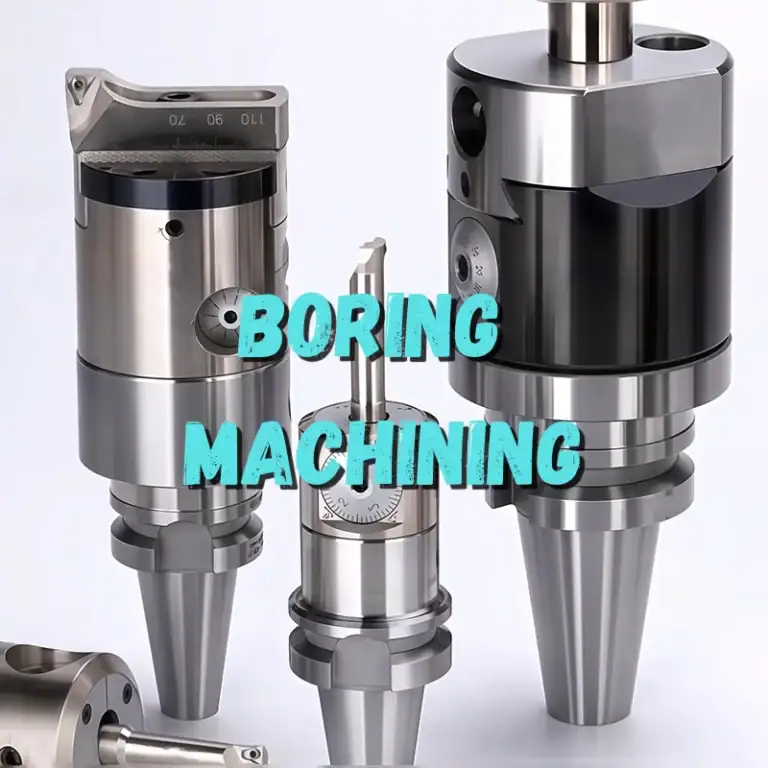
Internal thread machining requires appropriate boring and threading tools, while external thread machining requires stable tool positioning and accurate synchronization between spindle rotation and tool movement.
Custom Threaded Components
Some industrial applications require non-standard thread profiles or customized thread dimensions. CNC programming provides flexibility for producing specialized components according to customer drawings.
- Custom thread pitch
- Special thread profiles
- Non-standard diameters
- Customized thread lengths
- Special-purpose connectors
- Low-volume precision components
Custom CNC thread machining is particularly useful for prototypes, replacement parts, specialized machinery, and engineering projects with unique connection requirements.
How Can Thread Machining Accuracy Be Ensured?
Thread machining accuracy depends on several factors, including machine condition, tool geometry, programming accuracy, cutting parameters, material characteristics, and tool wear. A controlled machining process is essential when producing precision threaded components.
Control Thread Pitch and Tooth Profile
Thread pitch and tooth profile directly determine whether two mating components can engage correctly. CNC systems synchronize spindle rotation with tool movement to maintain accurate pitch during the cutting process.
- Maintain accurate pitch
- Control tooth profile
- Ensure consistent thread depth
- Reduce dimensional deviation
- Improve mating performance
- Support repeatable production
For high-precision applications, thread gauges or coordinate measurement equipment can be used to verify critical dimensions.
Control Cutting Depth
Thread machining is normally completed through multiple cutting passes rather than removing the entire thread depth in one operation. Proper cutting depth helps control tool load and improve surface quality.
- Reduce cutting force
- Prevent excessive tool load
- Improve thread surface quality
- Reduce vibration
- Extend tool life
- Maintain dimensional consistency
The number of passes and cutting depth should be selected according to material, thread size, tool type, and machining requirements.
Monitor Tool Wear
Tool wear can gradually change the thread profile and dimensional accuracy. If a threading insert becomes worn or damaged, the finished thread may show dimensional deviations, rough surfaces, burrs, or incomplete profiles.
- Monitor tool condition
- Establish tool replacement standards
- Reduce unexpected tool failure
- Maintain stable thread dimensions
- Improve batch consistency
- Reduce scrap rates
For high-volume production, tool-life management can help maintain stable machining quality throughout long production runs.
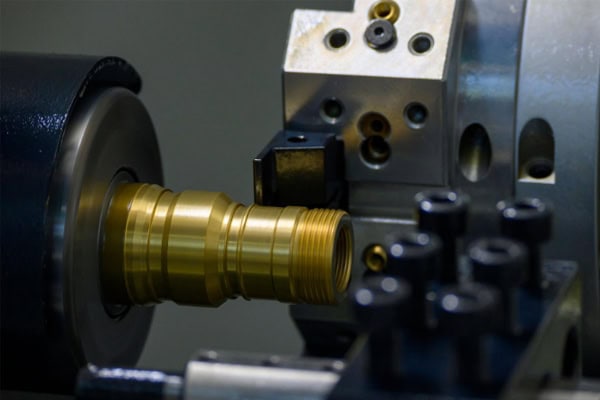
Which Materials Are Suitable for CNC Thread Turning?
CNC thread turning can be used with a wide range of metals and engineering materials. The material selection should match the required strength, corrosion resistance, wear resistance, weight, conductivity, and operating environment.
Aluminum Alloys
Aluminum alloys are widely used for lightweight precision components and are generally easy to machine.
- Low cutting resistance
- High machining efficiency
- Good surface finish
- Lightweight structure
- Suitable for precision components
- Easy chip removal
Aluminum is commonly used for threaded housings, connectors, shafts, fittings, and automation components.
Stainless Steel
Stainless steel provides excellent corrosion resistance and mechanical strength but can be more challenging to machine because of work hardening and heat generation.
- High corrosion resistance
- Strong mechanical properties
- Suitable for harsh environments
- Good long-term durability
- Suitable for industrial equipment
- Widely used in precision components
Proper tool selection, cutting parameters, and cooling are particularly important when machining stainless steel threaded parts.
Brass and Copper Alloys
Brass and copper alloys are widely used for electrical connectors, fittings, valves, and precision components. Brass is especially well known for its good machinability.
- Excellent machinability
- Good electrical conductivity
- Stable dimensional control
- Smooth surface finish
- Suitable for precision connectors
- Efficient high-volume machining
These materials are suitable for applications where conductivity, corrosion resistance, and precise threaded connections are required.
Titanium Alloys
Titanium alloys offer a high strength-to-weight ratio and excellent corrosion resistance. However, they require careful machining because of their low thermal conductivity and high cutting temperature.
- High strength
- Low density
- Excellent corrosion resistance
- High fatigue resistance
- Suitable for aerospace components
- Suitable for high-performance applications
When machining titanium threaded components, cutting speed, tool geometry, cooling, and tool wear need to be carefully controlled.
How Should CNC Threaded Parts Be Inspected?
Thread inspection is an essential part of precision CNC machining. Dimensional inspection, thread gauging, surface inspection, and functional testing can be combined according to the application and required quality level.
External Thread Inspection
External threads should be checked for major diameter, pitch, thread profile, thread length, and surface condition.
- Check major diameter
- Verify pitch
- Inspect tooth profile
- Measure thread length
- Check surface quality
- Verify mating performance
Thread ring gauges can be used for functional verification when applicable.
Internal Thread Inspection
Internal threads require inspection of thread diameter, pitch, profile, depth, and engagement with the mating component.
- Check internal diameter
- Verify thread pitch
- Inspect thread depth
- Check profile accuracy
- Confirm mating condition
- Verify functional fit
Accurate internal thread inspection helps prevent assembly problems and ensures reliable component performance.
Surface Quality Inspection
Thread surfaces should be inspected for burrs, scratches, tearing, vibration marks, and other machining defects.
- Reduce burrs
- Improve surface finish
- Prevent thread damage
- Improve assembly performance
- Reduce friction
- Increase service life
Good surface quality is particularly important for precision threaded components used in sealing, transmission, hydraulic, and high-load applications.
How to Choose a CNC Thread Machining Manufacturer?
Choosing a suitable CNC thread machining manufacturer can directly affect component quality, delivery time, and production cost. When sourcing precision threaded parts, manufacturers should evaluate machining capabilities, engineering support, inspection systems, material options, production capacity, and experience with similar components.
Check CNC Equipment and Machining Capabilities
A qualified CNC machining supplier should have suitable turning equipment and threading capabilities for the required component geometry and tolerance requirements.
- CNC turning equipment
- Precision threading capability
- Internal and external thread machining
- Automated production capability
- High-precision inspection equipment
- Stable production capacity
Advanced equipment can improve repeatability and help manufacturers maintain consistent quality during batch production.
Evaluate Engineering and DFM Support
Engineering support is valuable when the component contains difficult thread features, tight tolerances, unusual materials, or complex geometries. A professional supplier can review engineering drawings and identify potential manufacturing issues before production.
- Drawing review
- DFM recommendations
- Material selection support
- Thread specification verification
- Machining process optimization
- Prototype development support
Good engineering communication can reduce design-related manufacturing problems and shorten the transition from prototype to production.
Confirm Prototype-to-Production Capability
A supplier capable of supporting both prototypes and production batches can provide greater continuity during product development. The same machining process can be refined during prototyping and then transferred into stable batch manufacturing.
- Prototype CNC machining
- Small-batch production
- Medium-volume manufacturing
- High-volume production
- Quality consistency
- Production scalability
This capability is especially useful for companies developing new products that may require multiple design iterations before entering regular production.
What Information Should Be Included in a CNC Thread Machining RFQ?
Providing complete technical information can help a CNC machining manufacturer evaluate the project accurately and prepare a more reliable quotation. Missing thread specifications or incomplete engineering drawings can lead to additional communication and quotation delays.
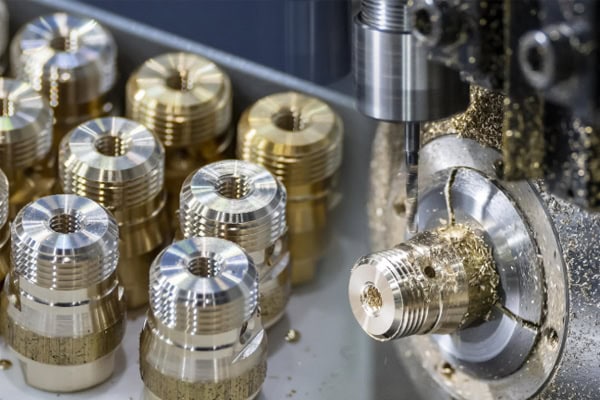
Engineering Drawings and CAD Files
Engineering drawings should clearly identify critical dimensions, thread specifications, tolerances, materials, and surface requirements.
- 2D engineering drawings
- 3D CAD models
- Thread specifications
- Dimensional tolerances
- Surface finish requirements
- Special inspection requirements
Complete technical documentation allows engineers to understand the machining requirements before production.
Material and Surface Treatment Requirements
The RFQ should specify the required material grade and any surface treatment requirements.
- Aluminum alloys
- Stainless steel
- Brass
- Copper
- Titanium alloys
- Engineering plastics
- Anodizing
- Plating
- Passivation
- Other specified finishes
Clear material and finishing information helps the manufacturer calculate machining time, material cost, finishing cost, and quality requirements more accurately.
Quantity and Delivery Requirements
Production quantity and delivery expectations have a direct impact on process planning and quotation.
- Prototype quantity
- Small-batch quantity
- Production volume
- Required delivery date
- Packaging requirements
- Inspection documentation
Providing these details allows the manufacturer to develop an appropriate production plan and determine the most suitable machining approach.
CNC thread turning provides an efficient solution for manufacturing precision threaded shafts, fittings, hydraulic components, connectors, valve parts, and other threaded mechanical components. By selecting suitable thread standards, materials, cutting tools, machining parameters, cooling methods, and inspection procedures, manufacturers can achieve stable thread dimensions and reliable assembly performance. For companies sourcing precision CNC turned parts, choosing a supplier with advanced CNC equipment, strong engineering support, comprehensive inspection capabilities, and prototype-to-production capacity can help improve quality consistency and production efficiency. A complete RFQ containing drawings, CAD files, thread specifications, material, surface treatment, quantity, and delivery requirements can also make the quotation process faster and more accurate.