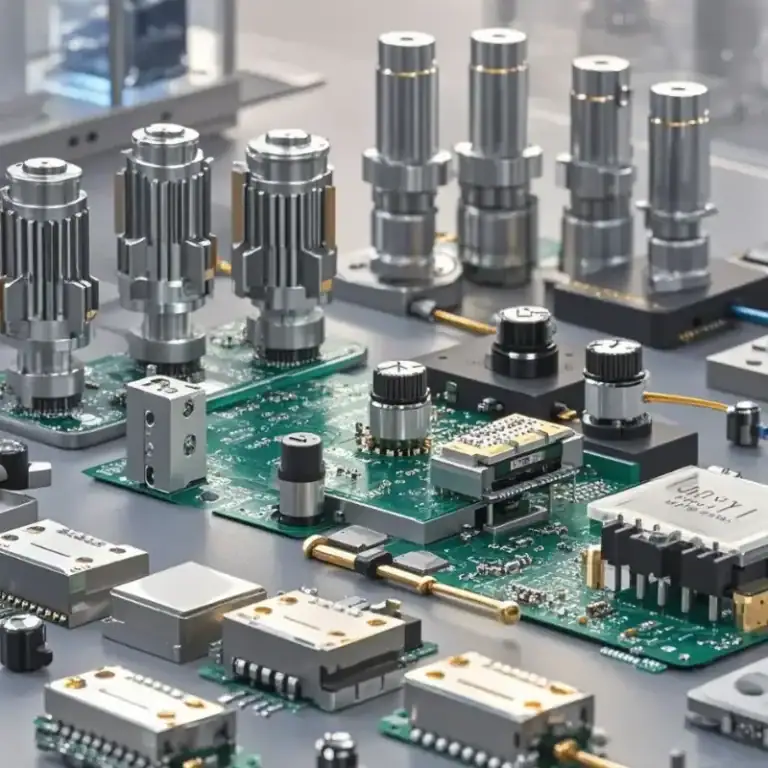
Choosing the right metal machining supplier is essential for maintaining part quality, controlling manufacturing costs, and improving production efficiency. Whether a project involves prototype development, custom precision components, or large-scale production, a supplier’s technical capabilities directly affect the performance and delivery of the finished products.For international buyers, evaluating a metal machining supplier involves more than comparing quotations. Engineering expertise, quality control systems, production lead times, and overall service capabilities should all be considered. A comprehensive evaluation helps businesses identify a manufacturing partner that meets their project requirements and supports long-term cooperation.
Engineering Capabilities: Can the Supplier Meet Your Machining Requirements?
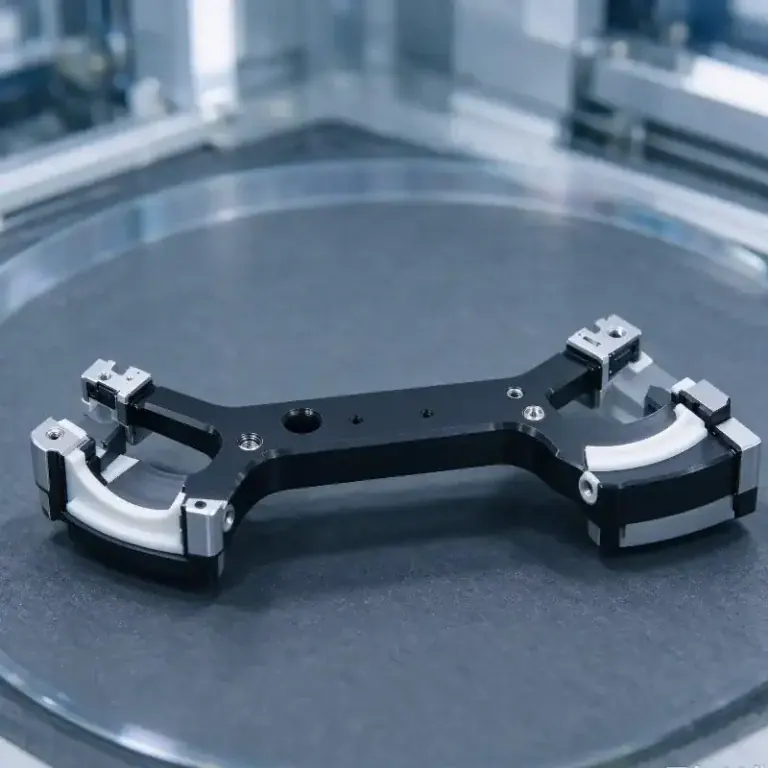
Engineering capabilities are among the most important factors when selecting a metal machining supplier. Different components have different structural designs, material requirements, dimensions, and tolerances. Suppliers must have the appropriate equipment, machining processes, and technical expertise to handle these requirements.
Check Machining Equipment and Manufacturing Processes
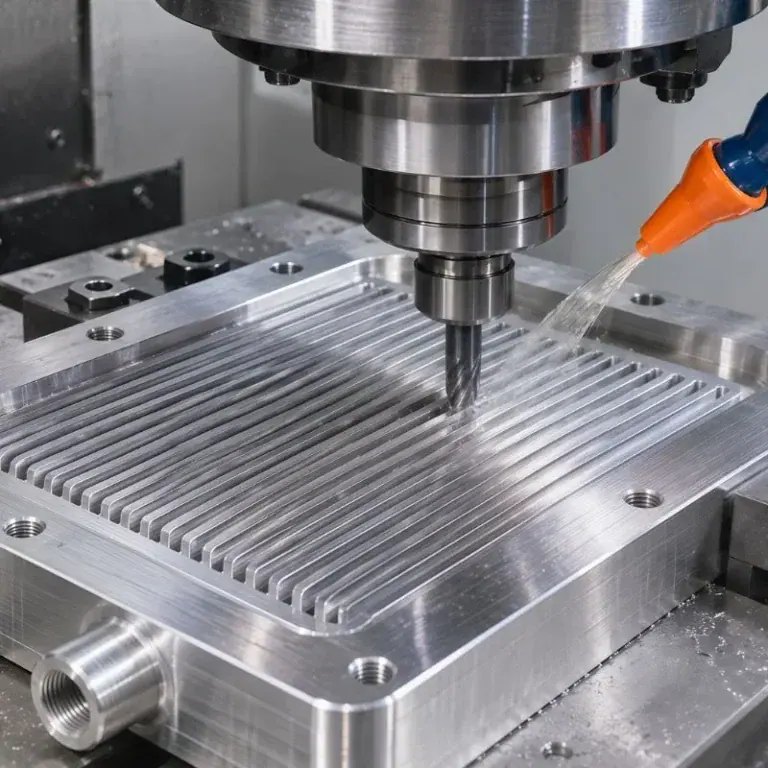
Buyers should understand whether a supplier has suitable CNC machining equipment and can manufacture components with different levels of complexity.
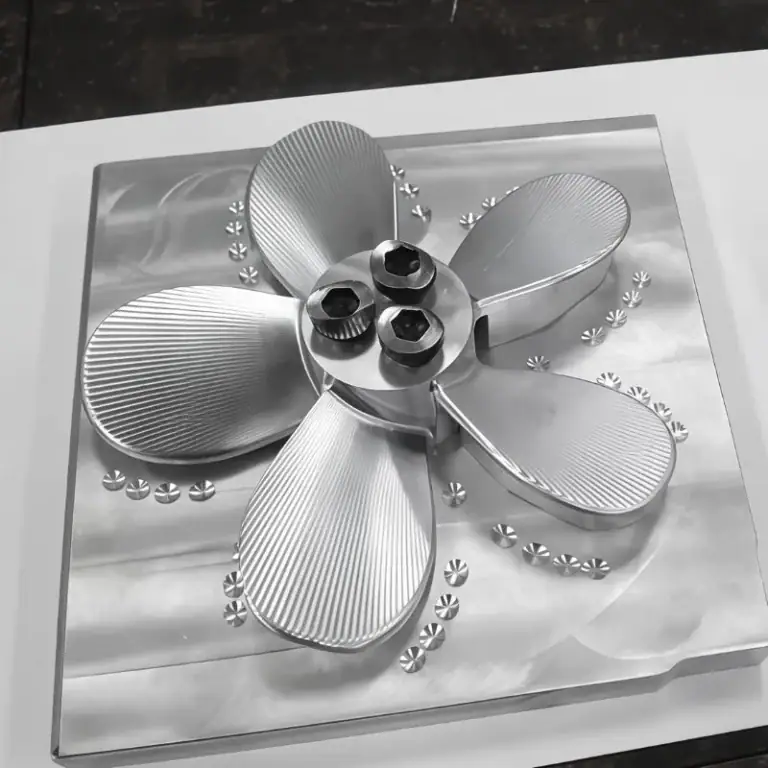
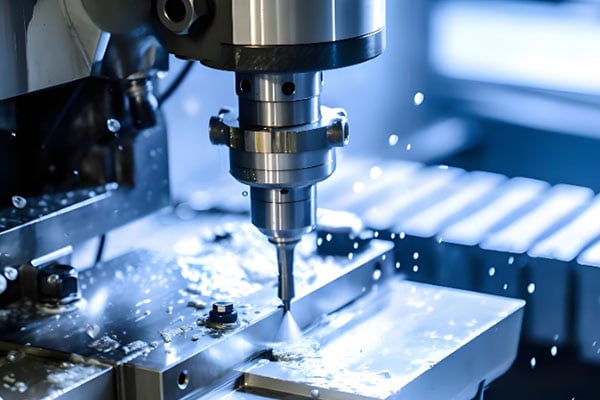
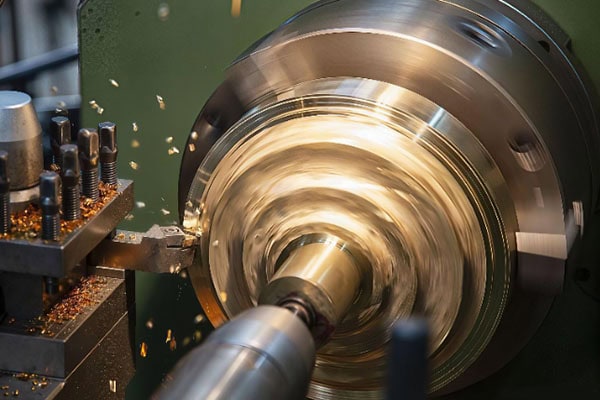
Common metal machining processes include CNC milling, CNC turning, 5-axis CNC machining, wire EDM, sheet metal fabrication, and metal stamping. Three-axis CNC machining is suitable for conventional components, while four-axis and five-axis machining can handle multi-sided machining, complex curved surfaces, and angled structures.
For components with complicated geometries and strict precision requirements, 5-axis CNC machining can reduce positioning errors caused by repeated setups and improve machining efficiency and dimensional consistency.
Therefore, buyers should select suppliers based on the specific machining requirements of their parts rather than simply comparing the number of machines they own.
Evaluate Material Capabilities and Engineering Support
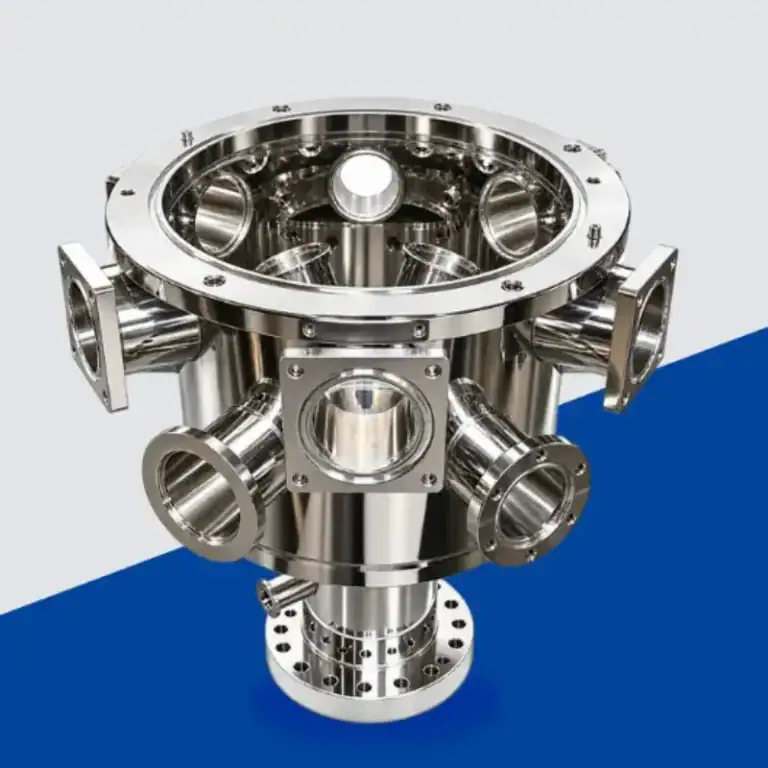
Different metals have different mechanical properties and machining characteristics. For example, aluminum alloys offer lightweight advantages, stainless steel provides good corrosion resistance, and brass is commonly used for precision connectors and structural components.
A professional supplier should offer a range of material options and provide recommendations based on the component’s application, structure, and operating environment.
DFM (Design for Manufacturing) analysis is another important evaluation criterion. Engineers can review wall thickness, hole diameters, corner radii, machining tolerances, and clamping requirements before production. Identifying design problems early helps reduce machining difficulties and manufacturing costs.
Quality Control: Ensuring Metal Parts Meet Technical Standards
Metal machined components often need to meet strict requirements for dimensions, tolerances, surface finishes, and assembly compatibility. Without a reliable quality management process, even advanced machining equipment may produce inconsistent results between production batches.
Check Quality Management Certifications
Buyers should check whether a supplier has obtained ISO 9001 quality management system certification. This certification provides an indication of whether the company follows standardized quality management procedures. However, it should be considered alongside actual production and inspection practices.It is also important to understand whether the supplier has established clear inspection standards, production records, and procedures for handling nonconforming products.
Evaluate Dimensional Inspection and Testing Capabilities
Precision metal machining requires professional inspection equipment. Common tools include coordinate measuring machines (CMM), optical measuring instruments, and conventional dimensional inspection tools.When evaluating a supplier, confirm whether it can inspect critical dimensions, hole positions, geometric tolerances, and surface quality according to engineering drawings.For components with strict precision requirements, buyers can also request first article inspection reports and production batch quality records to verify manufacturing consistency.
Consider Surface Finishing and Product Protection
The surface quality of metal components affects not only their appearance but also their corrosion resistance, wear resistance, and service life.Common surface finishing processes include anodizing, electroplating, sandblasting, polishing, and powder coating.Buyers should confirm whether the supplier can provide the required finishing services and inspect dimensions, colors, and surface defects after treatment.
Lead Time Management: Evaluating Production Planning and Delivery Reliability
Delivery performance directly affects purchasing schedules, inventory management, and product launch timelines. A supplier’s promised lead time should always be evaluated against its actual production capabilities.
Distinguish Between Prototype and Mass Production Lead Times
Rapid prototyping, low-volume orders, and mass production usually have different delivery schedules. Buyers should confirm the time required for material procurement, programming, machining, surface finishing, quality inspection, and logistics.For projects requiring quick design validation, suppliers with rapid prototyping capabilities may be a suitable choice. Buyers should also determine whether the supplier can transition smoothly from prototype production to low-volume or mass production after sample approval.
Evaluate Order Tracking and Communication Efficiency
A reliable metal machining supplier should have an organized order management system and provide timely production updates. It should also communicate proactively when material shortages, machining issues, or delivery changes occur.Before starting a partnership, buyers should understand whether the supplier provides clear production schedules, delivery milestones, and after-sales technical support. Effective communication helps prevent delays caused by misunderstandings or insufficient information.
Pricing and Services: Evaluating Long-Term Partnership Value
Price is an important purchasing consideration, but the lowest quotation does not necessarily represent the lowest overall cost. Material utilization, machining hours, surface finishing, inspection fees, transportation, and potential rework all contribute to the final expense.
Compare the Complete Quotation
Buyers should confirm whether a quotation includes materials, machining, surface finishing, inspection, packaging, and shipping.Different suppliers may include different services in their quotations. Comparing prices under the same technical requirements and service conditions provides a more accurate basis for decision-making.
Consider One-Stop Manufacturing Services
When a supplier integrates multiple manufacturing processes, customers can reduce the communication and coordination required between different factories.One-stop manufacturing services covering design optimization, prototype production, and subsequent manufacturing can improve project management efficiency and simplify the supply chain.
How to Choose a Reliable Metal Machining Partner?
Selecting a metal machining supplier requires a comprehensive assessment of engineering capabilities, quality control, delivery schedules, and customer support.
TiRapid has more than 16 years of CNC machining experience and supports the processing of over 80 materials. Its manufacturing services include 3-axis, 4-axis, and 5-axis CNC machining, CNC milling, CNC turning, and wire EDM.According to its official website, TiRapid offers CNC machining tolerances down to ±0.01 mm, along with free DFM engineering support, ISO 9001 quality management, and CMM inspection services.The company supports rapid prototyping and low-volume manufacturing. Some projects can be completed in as little as three working days, depending on part geometry, material selection, and order requirements.For businesses sourcing custom precision metal components, working with a supplier that combines engineering expertise, comprehensive inspection procedures, and reliable production management can reduce manufacturing risks and improve product development efficiency. It also provides a stronger foundation for long-term manufacturing partnerships.