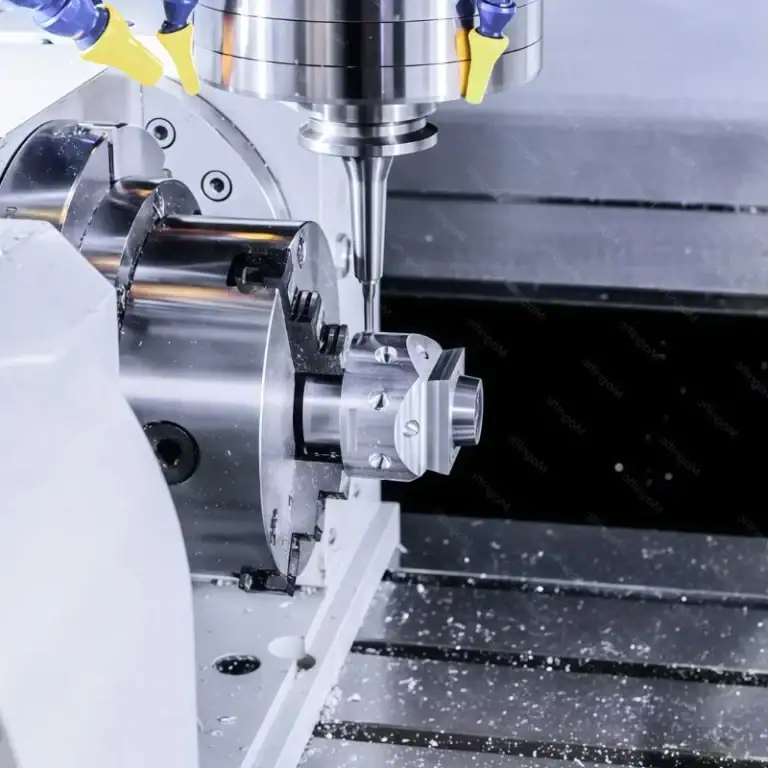
304 and 316 stainless steel are two of the most widely used stainless steel grades in industrial manufacturing, CNC precision machining, mechanical components, and equipment production. Although they look similar, they differ in chemical composition, corrosion resistance, mechanical performance, and machining difficulty.For companies considering 304 stainless steel CNC machining or 316 stainless steel CNC machining, choosing the right material is an important step in achieving the required part performance while controlling machining costs.
What Is the Difference Between 304 and 316 Stainless Steel?
Different Chemical Composition
304 stainless steel is an austenitic stainless steel mainly containing chromium and nickel. It offers good corrosion resistance, formability, weldability, and overall versatility, making it one of the most commonly used stainless steel grades.
316 stainless steel is also an austenitic stainless steel, but it contains molybdenum. The addition of molybdenum improves its resistance to chloride ions, salt spray, and certain chemical environments. As a result, 316 stainless steel generally provides better corrosion resistance than 304.
Different Corrosion Resistance
For indoor applications, general industrial environments, and ordinary humid conditions, 304 stainless steel is usually sufficient.
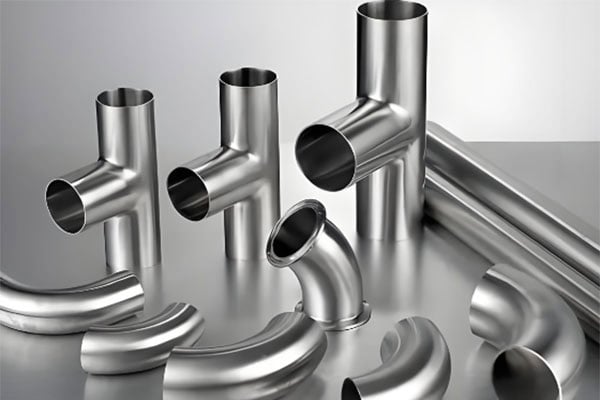
When CNC machined parts are exposed to seawater, salt spray, chloride-containing environments, or certain corrosive chemicals, 316 stainless steel has a clear advantage. It is commonly selected for marine equipment, chemical processing equipment, food processing machinery, and certain medical applications.
How Do 304 and 316 Compare in Machinability?
Machining Difficulty of 304 Stainless Steel
304 stainless steel offers relatively good overall machinability, but it should not be considered an easy-to-machine material. Stainless steel has a noticeable tendency toward work hardening.
If cutting parameters are not properly selected, or if the cutting tool remains in contact with the material for too long without effective cutting, the surface can harden and make subsequent machining more difficult.
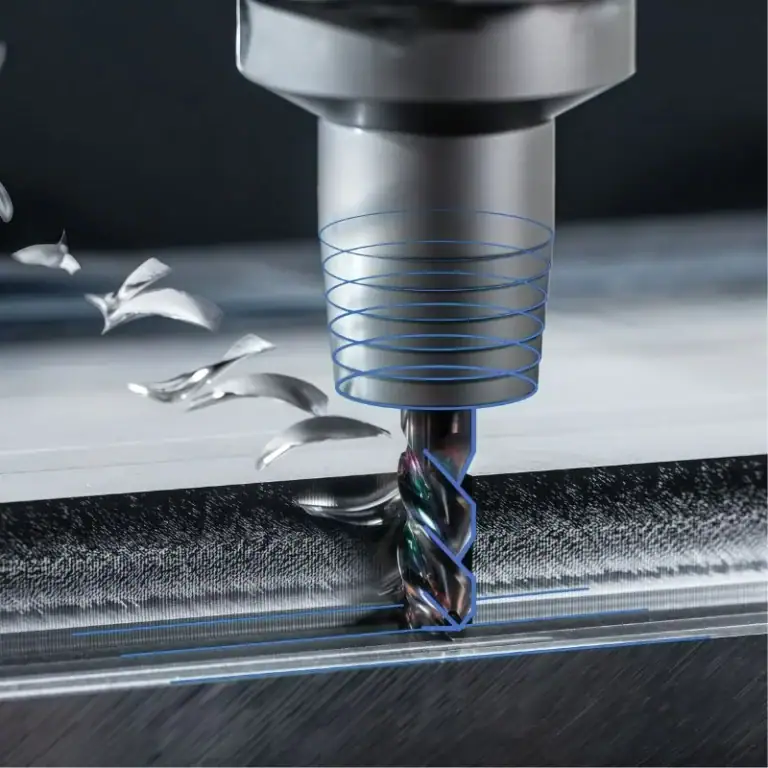
During 304 stainless steel CNC machining, cutting parameters should be carefully controlled and cutting tools should remain sharp to reduce work hardening, burr formation, and surface quality problems.
316 Stainless Steel Is More Difficult to Machine
Compared with 304, 316 stainless steel is generally more challenging to machine. In addition to work hardening, 316 can generate relatively high cutting forces and heat during machining.
This places higher demands on tool wear resistance, machine stability, cutting parameters, and coolant performance. During 316 stainless steel CNC machining, special attention should be paid to tool material, tool geometry, spindle speed, feed rate, cutting depth, and cooling methods.
304 vs. 316 Stainless Steel Performance Comparison
| Comparison Item | 304 Stainless Steel | 316 Stainless Steel |
| Basic Type | Austenitic stainless steel | Austenitic stainless steel |
| Corrosion Resistance | Good | Excellent, especially in chloride environments |
| Machining Difficulty | Moderate | Relatively high |
| Machining Cost | Relatively lower | Usually higher |
| Work Hardening | Noticeable | Noticeable |
| Marine Environment | Moderate suitability | Better suitability |
| Common Applications | Machinery, food equipment, appliances, industrial parts | Chemical, marine, medical, food processing equipment |
| CNC Machining Characteristics | Good overall machinability | Higher requirements for tools and cutting parameters |
How Should You Choose Between 304 and 316 Stainless Steel?
Choose 304 for General Industrial Components
If the component is used in general machinery, automation equipment, food processing equipment, architectural hardware, or ordinary industrial environments without severe corrosion exposure, 304 stainless steel is often a practical choice.
It can provide a good balance between performance and cost, while its relatively manageable machining characteristics make it suitable for a wide range of CNC machining projects.
Choose 316 for Corrosive Environments
If a component will be exposed to seawater, salt spray, high humidity, or chloride-containing environments for long periods, 316 stainless steel is generally a better choice.
Although the material price and CNC machining cost of 316 may be higher, its superior corrosion resistance can help extend component service life.
For equipment that is expensive or difficult to replace, material selection should not be based only on the initial purchase price. The total lifecycle cost should also be considered.
What Should Be Considered When CNC Machining 304 and 316?
Select the Right Cutting Tools
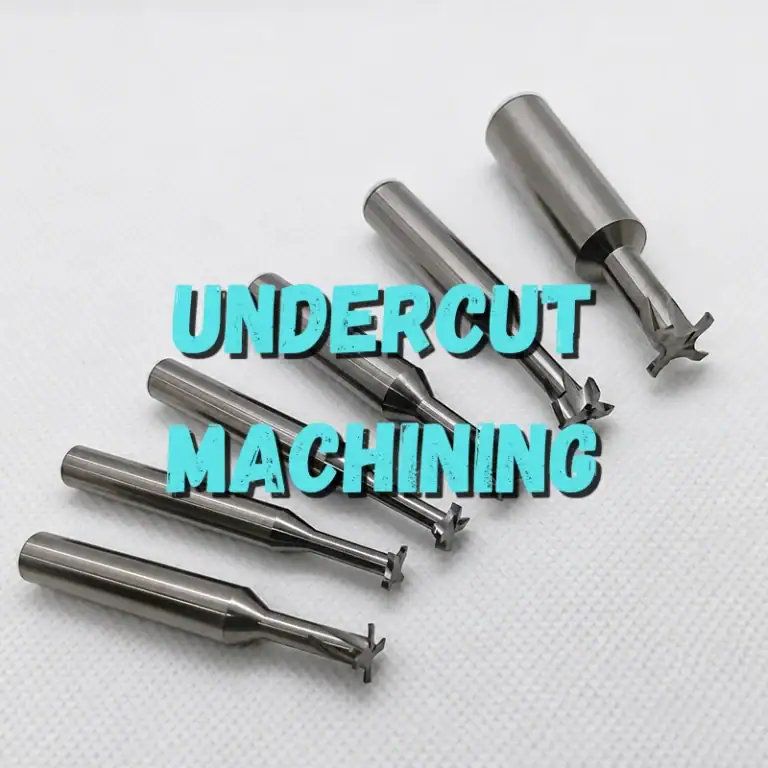
When machining 304 and 316 stainless steel, carbide cutting tools designed for stainless steel applications are commonly used. Maintaining good tool sharpness is important for stable machining.Because 316 is generally more difficult to machine, tool wear resistance and machining stability become even more important.
Optimize Cutting Parameters
Stainless steel machining requires careful control of cutting parameters. Excessive rubbing or allowing the tool to remain in one location for too long can increase work hardening.Proper spindle speed, feed rate, and depth of cut can help improve machining efficiency, extend tool life, and achieve better surface finishes.
Pay Attention to Cooling and Chip Evacuation
Effective cooling can help control heat in the cutting area and reduce tool wear. For deep grooves, holes, and complex cavities, chip evacuation is also important.Poor chip removal can cause chip accumulation, increased cutting temperature, tool damage, and poor surface quality.
There is no universally superior choice between 304 and 316 stainless steel. The right material depends primarily on the final application and operating environment.
If the priority is machinability, overall performance, and cost control, 304 stainless steel is often a practical option. If the priority is corrosion resistance and long-term durability, particularly in chloride-rich environments, 316 stainless steel generally offers greater advantages.
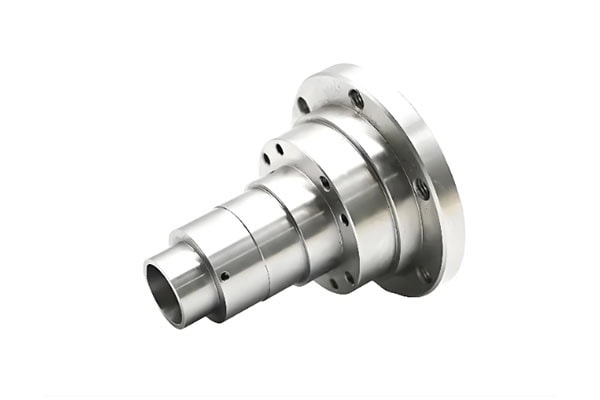
For CNC precision machining projects, material selection should also take into account part geometry, dimensional tolerances, surface roughness, production volume, and post-processing requirements.