CNC finishing of plastics is an important machining stage used in the production of plastic parts to improve dimensional accuracy, surface quality, and edge condition. After rough machining, a plastic part usually has its basic shape and structure, but if higher dimensional accuracy, smaller hole diameter tolerances, flatter machined surfaces, or a cleaner appearance are required, further finishing is necessary. Since materials such as POM, PEEK, PTFE, ABS, PC, PMMA, PVC, and PPS differ in hardness, toughness, heat resistance, and cutting characteristics, their machining behavior also varies. Plastics generally have low thermal conductivity, so the heat generated during machining tends to concentrate in the contact area between the cutting tool and workpiece. If the cutting conditions are unsuitable, material softening, burrs, stringing, whitening, tool marks, and even localized melting may occur. Therefore, CNC finishing of plastics requires not only dimensional control, but also control of cutting heat, tool sharpness, chip evacuation, and workpiece clamping.
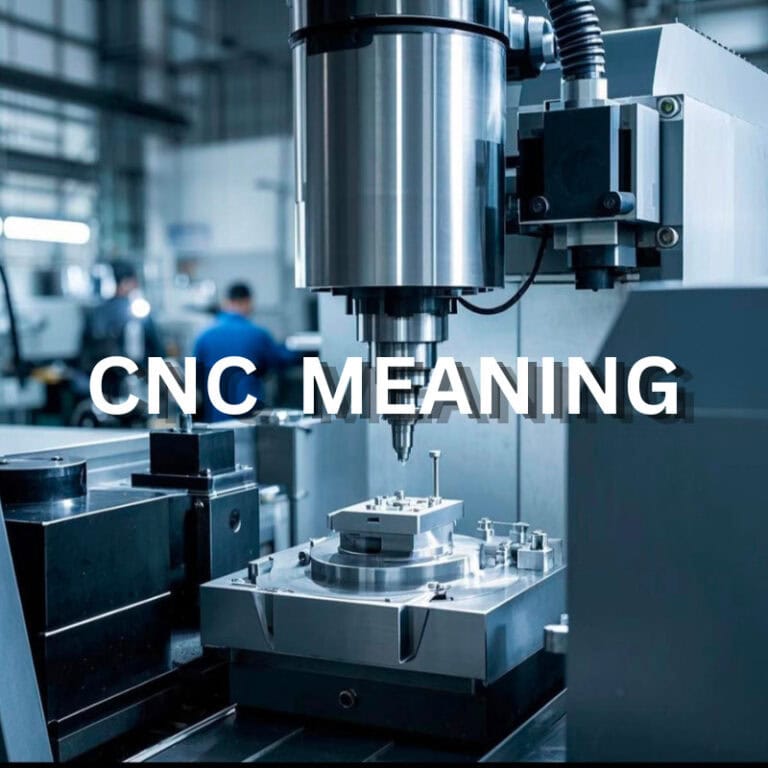
Common finishing processes include precision milling, precision turning, precision boring, precision drilling, chamfering, deburring, and polishing. For parts with complex structures, multi-axis CNC machining may also be used to reduce repeated clamping and improve the machining quality of curved surfaces and features at multiple angles. After machining, if the product has higher requirements for appearance or surface feel, appropriate surface treatment can be arranged according to the material and application environment. Therefore, when selecting a CNC finishing process for plastics, it is necessary to first confirm the actual dimensional and surface requirements of the part and then determine the appropriate machining method. Not every plastic part requires complex post-processing. Reasonable control of the machining steps can ensure part quality while avoiding unnecessary processing costs.
Precision Milling Is a Common Plastic Finishing Process
Precision Milling Controls Shape and Surface Quality
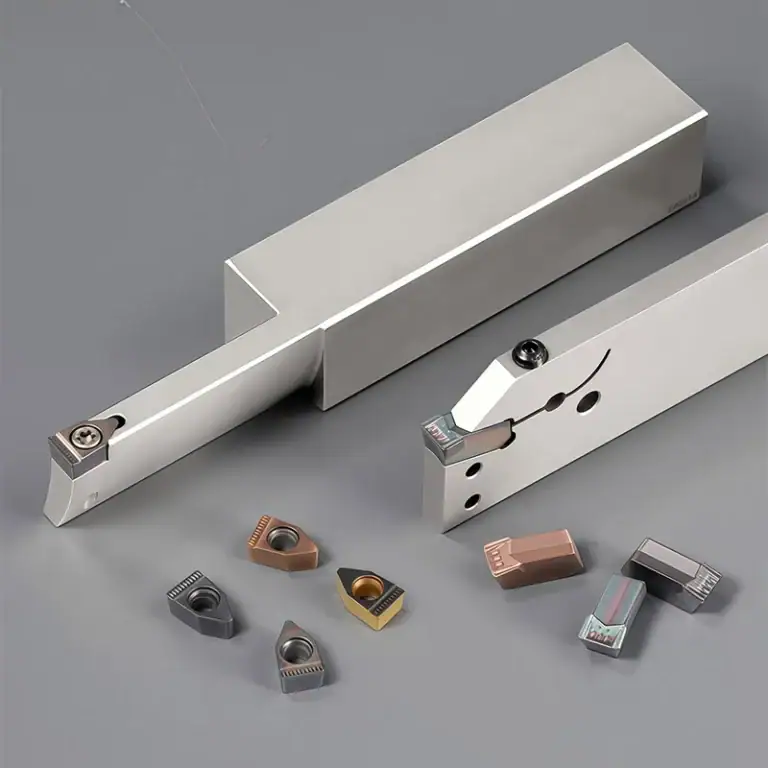
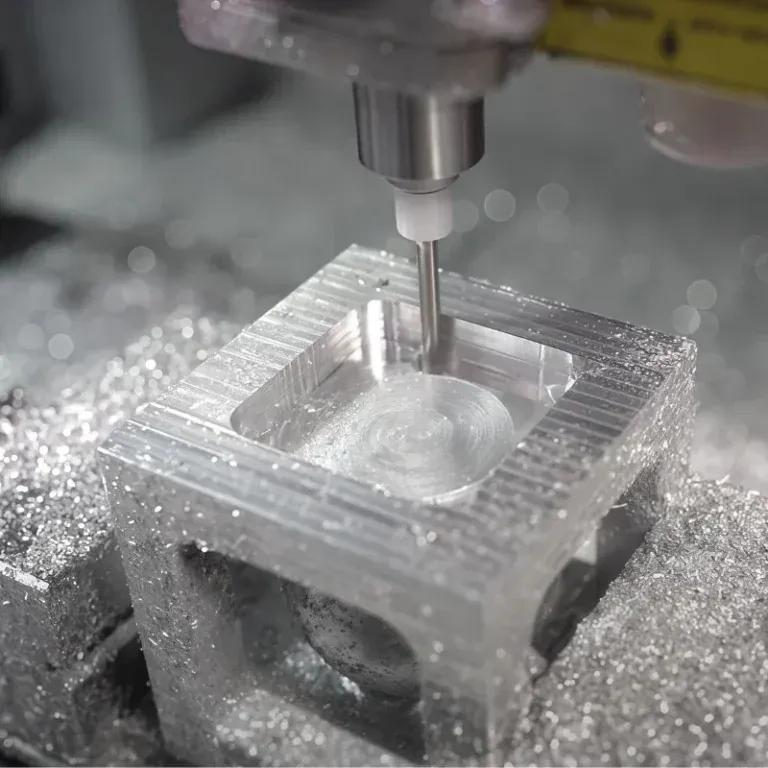
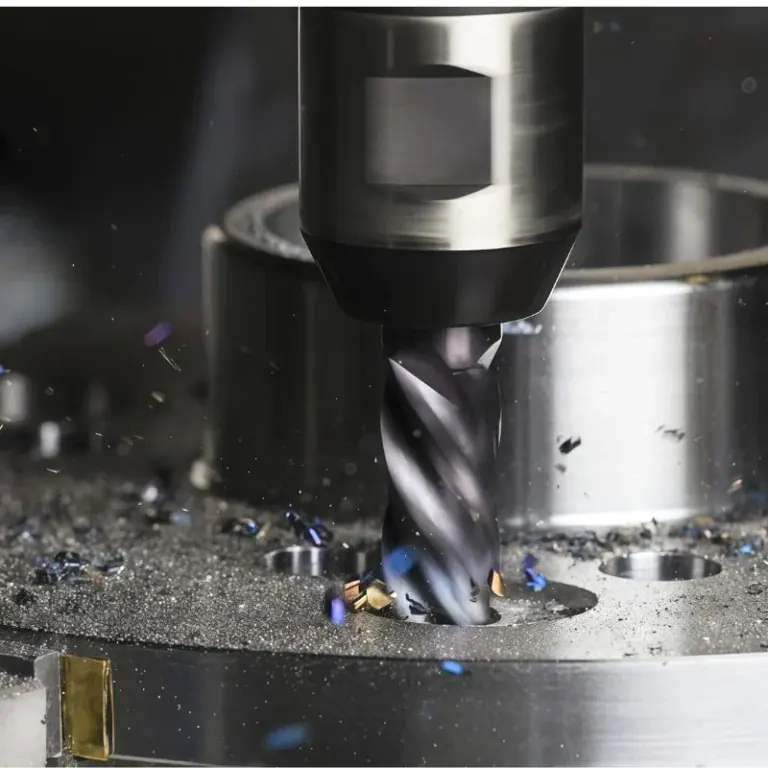
Precision milling is mainly used to process the planes, sides, steps, grooves, and complex contours of plastic parts. During rough machining, a certain amount of machining allowance is usually reserved. Precision milling then removes a thin layer of material to bring the final dimensions closer to the requirements of the drawing. Tool sharpness is particularly important when precision milling plastics. If the tool shows obvious wear, the cutting action gradually changes into squeezing, which can easily produce burrs and stringing. For parts that require good surface quality, a tool in good condition should be used for finishing, and the spindle speed and feed rate should be adjusted according to the material characteristics to reduce frictional heat generated during machining. Workpiece fixation must also be considered during precision milling. If the part is relatively thin or has a slender structure, excessive clamping force may deform the workpiece, causing its dimensions to change after the fixture is released. Therefore, before finishing, it is necessary to confirm that the workpiece has sufficient support, especially for thin-walled parts, deep grooves, and large plastic plates.
Precision Turning Is Suitable for Rotational Parts
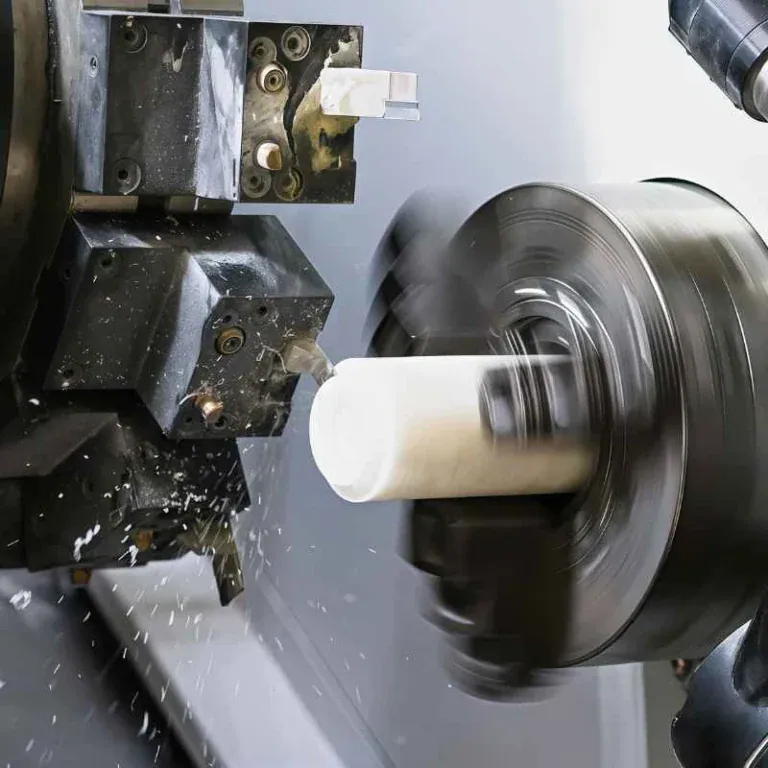
For rotational parts such as sleeves, cylindrical components, rings, and plastic bushings, CNC turning can be used to machine outer diameters, inner holes, end faces, grooves, and threads. During plastic turning, the tool should remain sharp and unnecessary friction should be minimized. When the material is relatively soft, if the tool does not cut the chips properly, long, string-like chips may become wrapped around the workpiece. Improper machining parameters may also cause dimensional changes or surface heating. For precision plastic bushings and similar parts, rough turning and finishing turning can be arranged separately. After rough machining, an appropriate amount of allowance is left before precision turning. This helps reduce the effect of stress and deformation generated during rough machining on the final dimensions.

Precision Hole Machining Requires Dimensional Control
Holes in plastic parts often serve assembly, positioning, fastening, and rotational fitting functions. Therefore, hole diameter, hole spacing, roundness, and positional accuracy are usually important aspects of finishing. Hole machining quality directly affects screw installation, the fit of shaft components, and the assembly relationship between multiple parts. If the hole diameter is too large, the fit may become loose; if it is too small, assembly resistance may increase and may even cause the part to crack. For deep holes, thin-walled holes, and multi-hole structures, particular attention must also be paid to chip evacuation, heat dissipation, and workpiece deformation.
Precision Drilling and Reaming
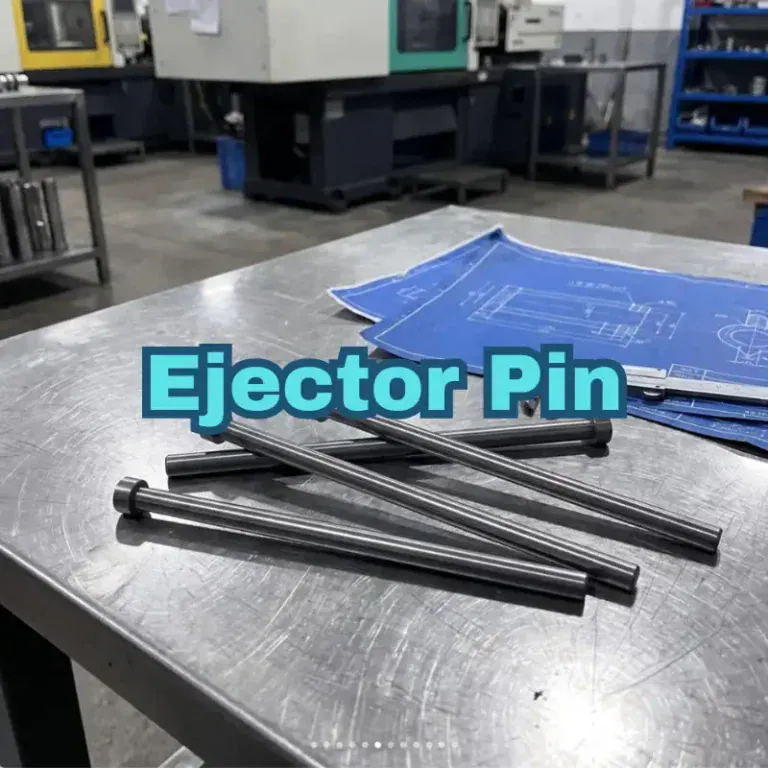
Ordinary through-holes can be produced by CNC drilling, but when tighter hole diameter tolerances are required, a single drilling operation may not be sufficient. Depending on the part structure and dimensional requirements, drilling can be followed by reaming or other precision machining methods to achieve more stable hole dimensions. Good chip evacuation must be maintained during machining. If plastic chips remain inside the hole for an extended period, friction between the drill and hole wall may increase, causing the temperature of the machining area to rise. Deep-hole machining requires particular attention to chip removal. If necessary, peck drilling or appropriate tool retraction can be used.
Precision Boring Improves Hole Accuracy
For plastic parts with larger hole diameters and higher precision requirements, boring can be used for further machining. Precision boring allows more detailed control of the hole diameter while improving the surface condition of the hole wall. If the hole is used for bearings, shafts, or locating pins, attention should be paid not only to the hole diameter but also to roundness, positional accuracy, and the condition of the hole axis. Uneven clamping forces should be avoided during machining. Otherwise, even if the machine tool parameters remain stable, dimensional deviations may still occur in the finished part.
Chamfering, Deburring, and Surface Treatment
After the main dimensions of a plastic part have been machined, the edges usually require additional treatment. Chamfering and deburring affect not only appearance but can also reduce interference and edge scratching during assembly. For parts with holes, slots, steps, or thin-walled structures, small burrs are more likely to remain along the edges. If they are not removed in time, they may affect part assembly, sealing performance, and operational safety. Proper chamfering can make the edges smoother, reduce stress concentration, and facilitate subsequent installation. During deburring, the force should be controlled according to the material hardness and part structure to avoid dimensional changes or surface damage caused by excessive processing.
Chamfering Makes Edges More Uniform
CNC chamfering can remove sharp edges and make hole openings, outer contours, and step positions smoother. For parts that require the installation of screws, seals, or other mating components, appropriate chamfering can facilitate assembly. Chamfer dimensions should follow the engineering drawing. If there are no special requirements, it is also not recommended to machine all edges with excessively large chamfers, because removing too much material may affect part dimensions and assembly relationships.
Deburring Improves the Machined Condition
Plastic machining can easily produce small burrs, especially at drill exits, thin-walled edges, and complex slot openings. Deburring can be performed using hand tools, fine cutting tools, or other processing methods suitable for the material. For precision parts, the force used during deburring must be controlled to prevent excessive removal of an edge that was originally within tolerance. For transparent plastics such as PMMA, which have high appearance requirements, it is also necessary to prevent scratches during processing.
Surface Treatment After Finishing
Some plastic parts require polishing, sandblasting, or other appearance treatments after CNC machining. It should be noted that post-processing may change the surface roughness, and some treatments may also affect dimensions. Therefore, the final surface requirements should be determined during the design stage. The surface quality of CNC-machined plastics is generally closely related to tool condition, cutting heat, machining parameters, and chip evacuation. Using a lighter cutting load during finishing and keeping the tool sharp can help reduce problems such as burrs, stringing, and localized melting.
Common Questions
Do Plastic Parts Always Need Finishing?
Not necessarily. If an ordinary structural part already meets the dimensional and surface requirements after rough machining, there is no need to add excessive machining steps. For mounting parts, sealing components, precision positioning parts, or appearance-critical parts, finishing is generally arranged according to the drawing requirements.
What Is the Difference Between Precision Milling and Rough Milling?
Rough milling is mainly used to quickly remove a larger amount of material while leaving an appropriate allowance for subsequent machining. Precision milling focuses on controlling the final dimensions and surface condition. The cutting conditions and machining purposes of the two processes are different, so the same parameters cannot be applied completely to both.
Why Do Plastic Parts Easily Develop Tool Marks During Machining?
Tool wear, machine vibration, unsuitable cutting parameters, poor chip evacuation, and unstable workpiece fixation can all cause noticeable tool marks. Plastics are relatively sensitive to heat and pressure. When the tool is not sharp enough, stringing and burrs are also more likely to occur.
Can Plastic Parts Be Polished?
Yes, but the specific material needs to be considered. Some plastics such as PMMA are suitable for high-quality surface polishing, while POM, PTFE, and other materials require different surface treatment methods. Before polishing, it should be confirmed whether changes to the surface dimensions and texture are acceptable.
Conclusion
CNC finishing of plastics requires control of the part structure, material properties, dimensional tolerances, and surface requirements. Planes and outer contours can generally be processed by precision milling, rotational parts are suitable for precision turning to control outer diameters and inner holes, and precision holes can be processed by precision drilling, reaming, or precision boring according to the hole diameter and tolerance requirements. Chamfering and deburring should also be arranged for edge areas to make the parts more suitable for assembly and use. Different plastics also behave differently during finishing. POM has good machinability, PEEK is a high-performance engineering plastic that requires greater attention to tool condition and temperature control during machining, PTFE is relatively soft and is prone to tool dragging and surface tearing, while PMMA requires particular attention to the machining quality of transparent surfaces. Machining parameters should not be determined solely by part dimensions, but should also be adjusted according to the cutting characteristics of the material itself.
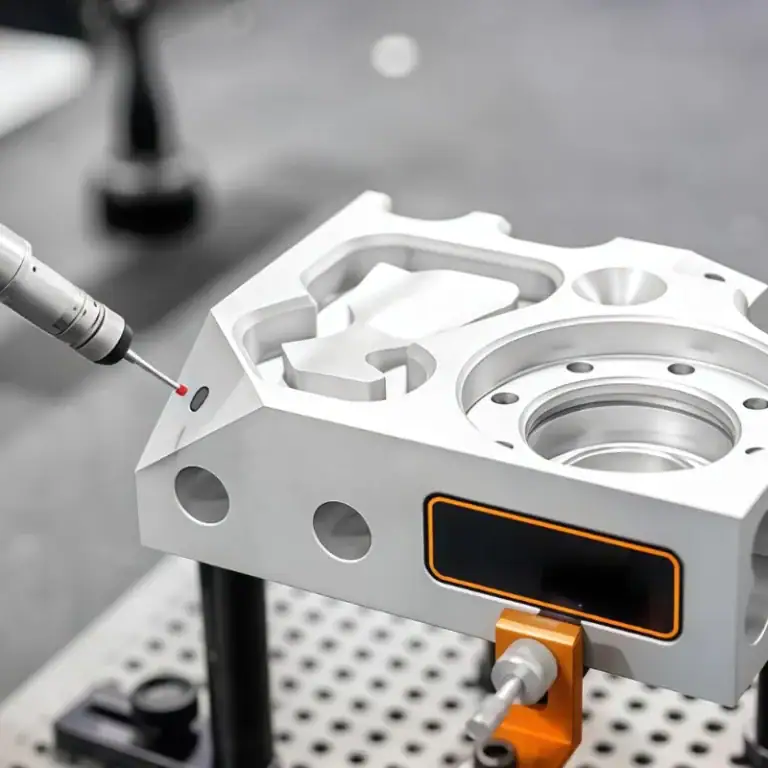
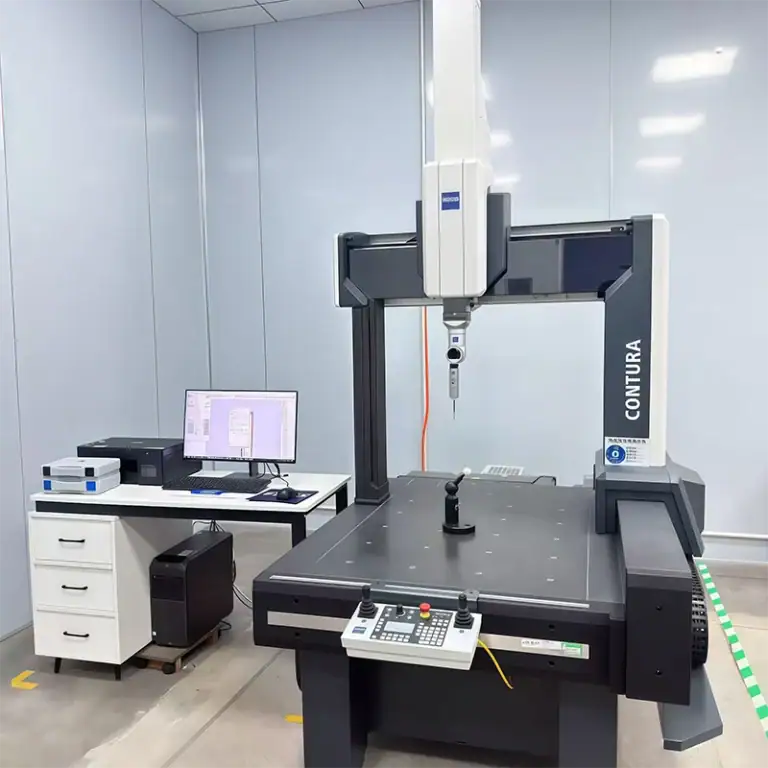
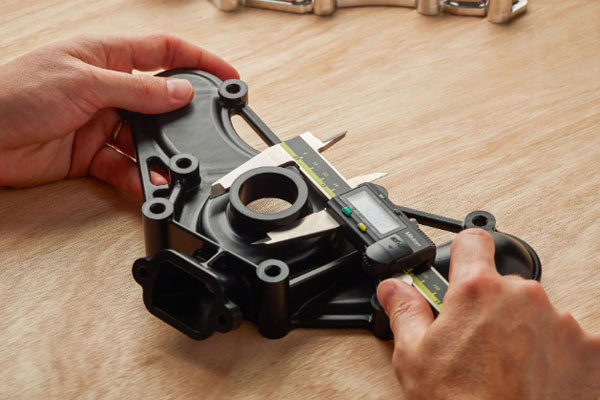
For plastic parts requiring high dimensional accuracy, it is recommended to leave a reasonable allowance between rough and finish machining and adjust the final cutting amount according to the actual machining results. After finishing, key dimensions should also be inspected to confirm whether the hole diameter, planes, groove width, overall dimensions, and assembly positions meet the drawing requirements. If the part also has appearance requirements, tool marks, burrs, whitening, and localized melting should be checked further. Common CNC machining plastics currently include POM, ABS, PMMA, PVC, PEEK, PC, HDPE, PTFE, and others. Suitable materials and machining methods can be selected according to the intended application of the part. For parts with complex structures or machining features in multiple directions, multi-axis machining can also be selected according to the actual structure to reduce positional errors caused by repeated clamping.