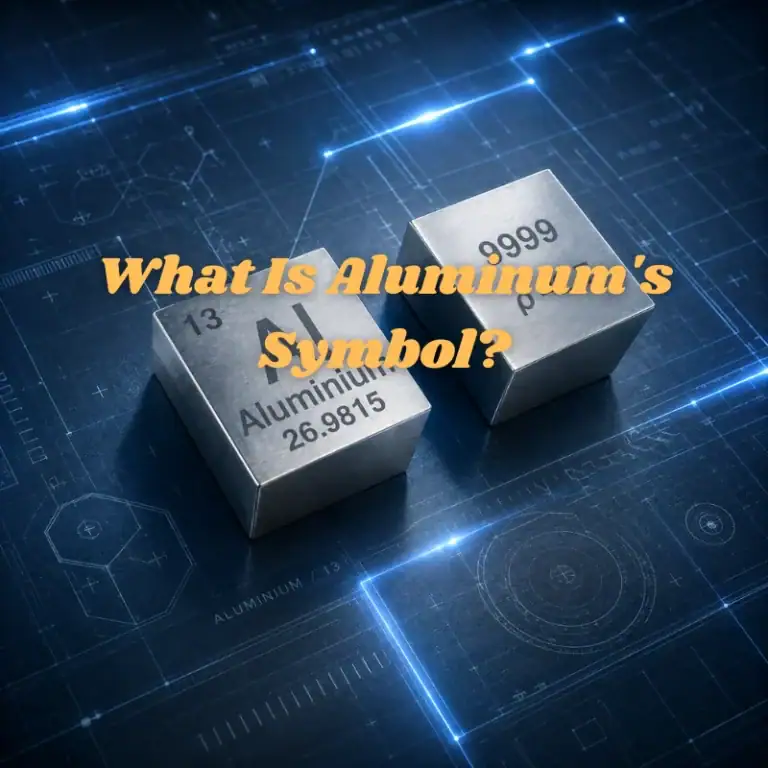
The chemical symbol for aluminum is Al, and its atomic number is 13. The symbol is the same whether the element is spelled “aluminum” in American English or “aluminium” in
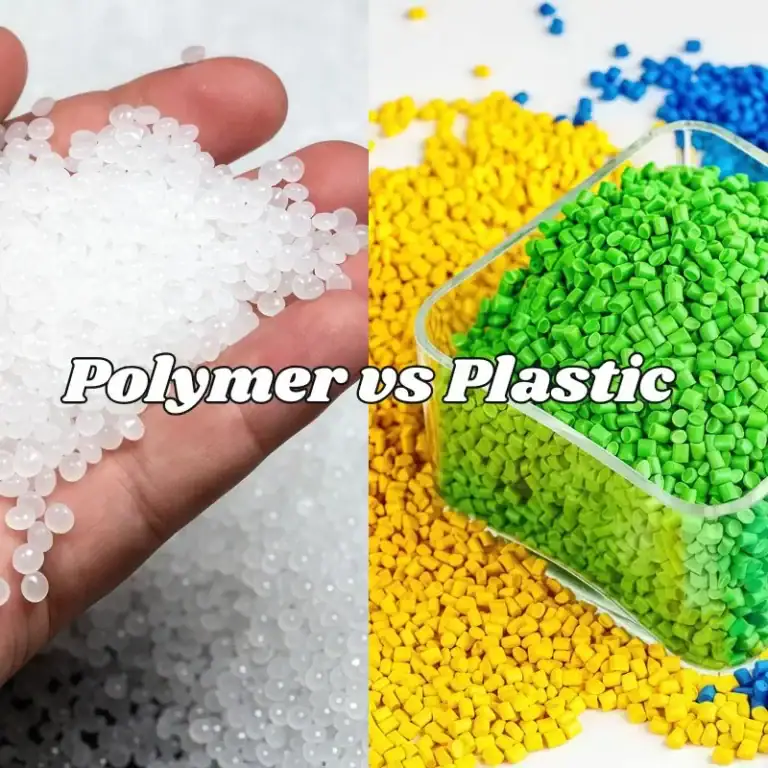
Polymer vs plastic mainly differs in scope: a polymer is a broad class of natural or synthetic materials made of large molecular chains, while plastic is a polymer-based material formulated
Ferrous metals are iron-based metals and alloys widely used for their strength, durability, wear resistance, heat resistance, and broad manufacturing capability. Common ferrous metals include carbon steel, stainless steel, alloy
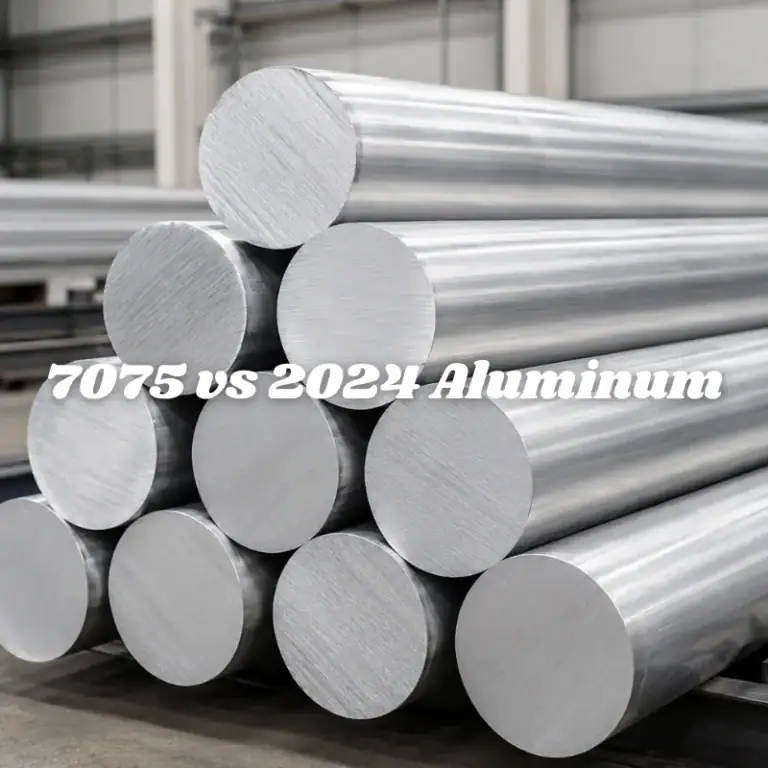
7075 and 2024 are two high-strength, heat-treatable aluminum alloys widely considered for aerospace and demanding machined components. Both provide excellent strength-to-weight ratios, but they differ in alloy chemistry, achievable strength,
Aluminum 6063 is a heat-treatable 6000 series aluminum-magnesium-silicon alloy known for excellent extrudability, corrosion resistance, smooth surface finish, and good anodizing performance. It is commonly selected for architectural profiles, heat
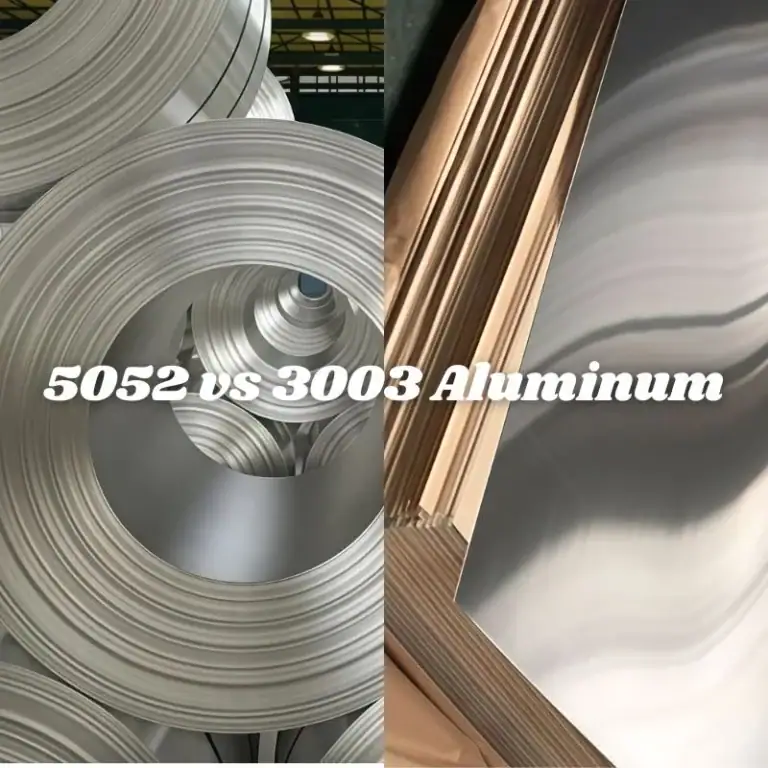
5052 vs 3003 aluminum is a comparison between two widely used non-heat-treatable aluminum sheet alloys for formed parts, tanks, enclosures, heat exchangers, marine components, and general fabrication. 3003 aluminum is
Xometry and Protolabs both provide digital manufacturing services for CNC machining, injection molding, 3D printing, and sheet metal fabrication. However, their manufacturing models are different: Xometry mainly relies on an
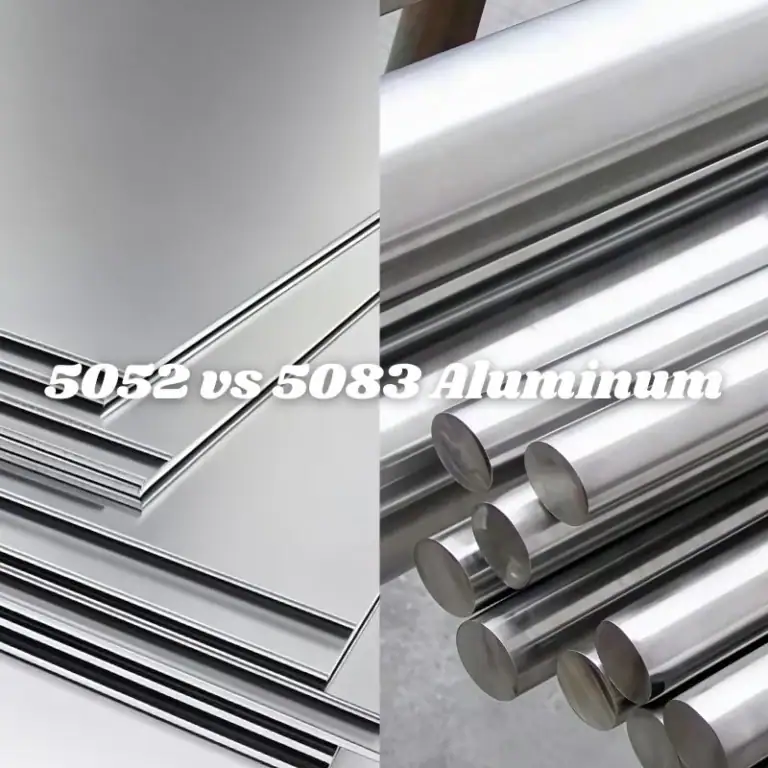
5052 vs 5083 aluminum is a comparison between two non-heat-treatable 5000 series aluminum-magnesium alloys used for corrosion-resistant sheet metal parts, marine structures, welded assemblies, tanks, transportation parts, and industrial components.
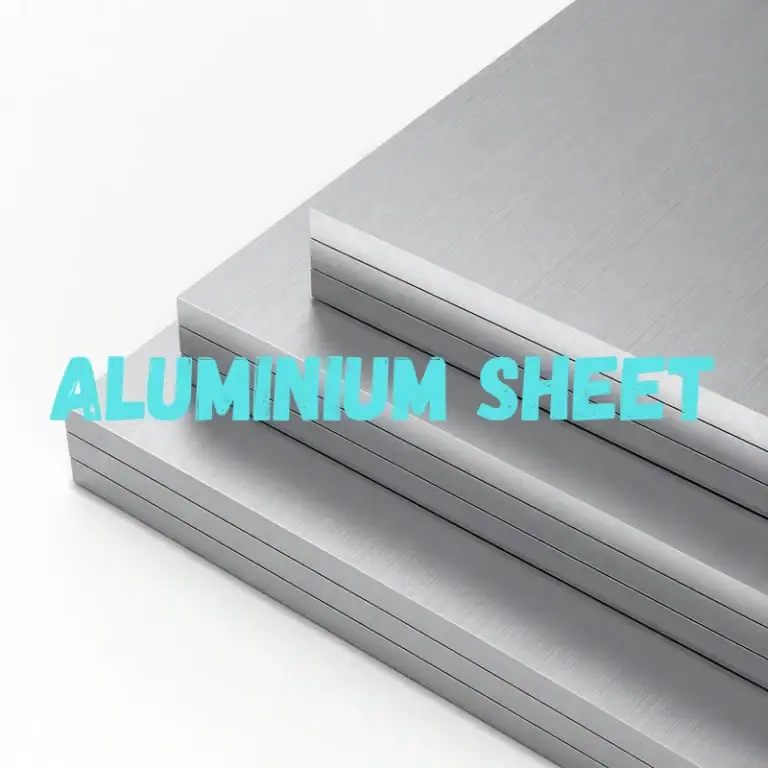
Aluminium sheet is a flat-rolled aluminium product valued for its low weight, corrosion resistance, formability, and wide range of alloys and tempers. It is commonly used for fabrication, machining, panels,
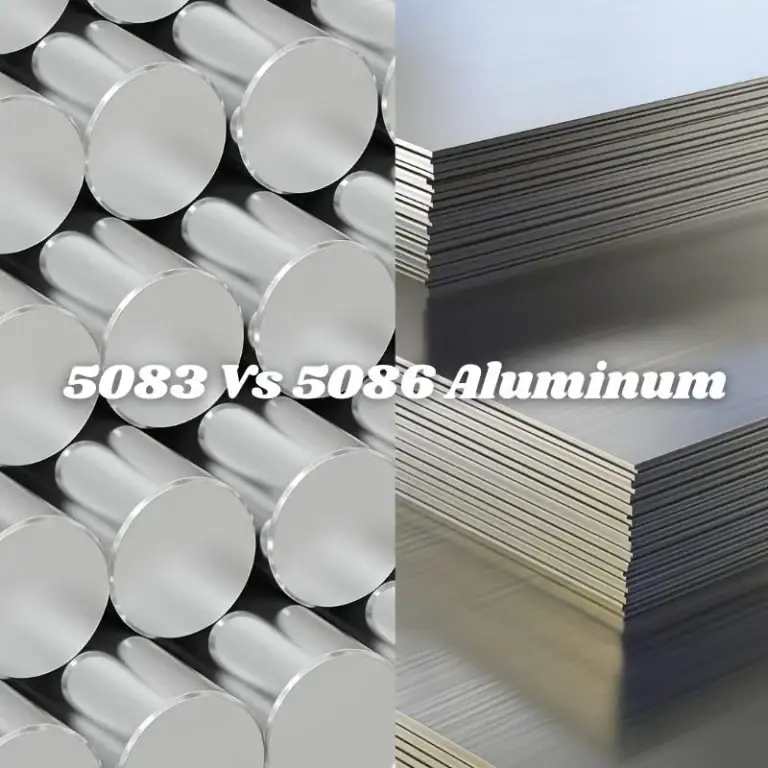
5083 vs 5086 aluminum is a comparison between two marine-grade 5000 series aluminum-magnesium alloys used for shipbuilding, offshore structures, welded assemblies, and corrosion-resistant industrial parts. 5083 aluminum is usually preferred
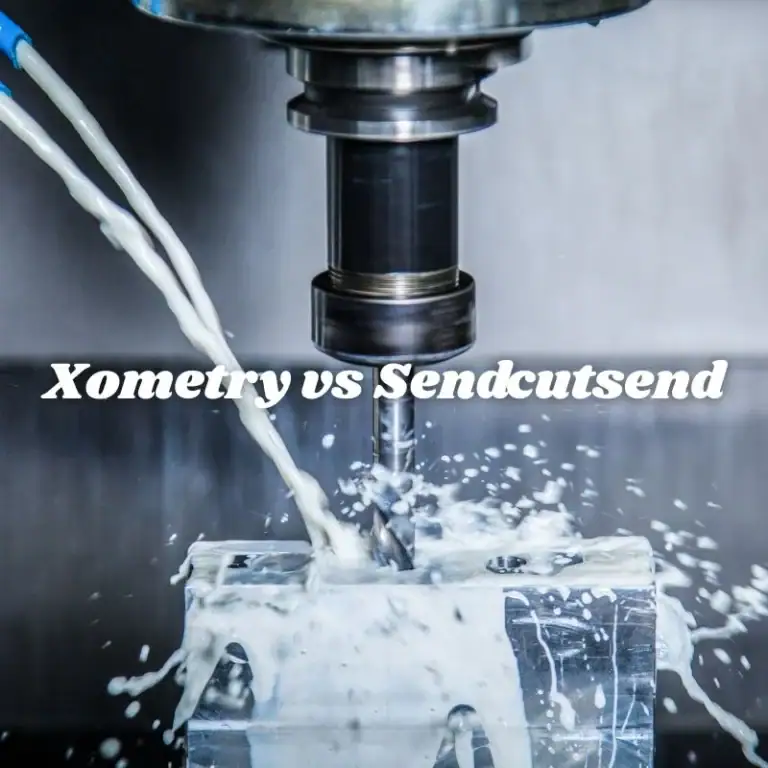
Xometry vs SendCutSend is a comparison between a broad digital manufacturing marketplace and a fast online custom sheet metal fabrication platform. Xometry is stronger when a buyer needs wide process
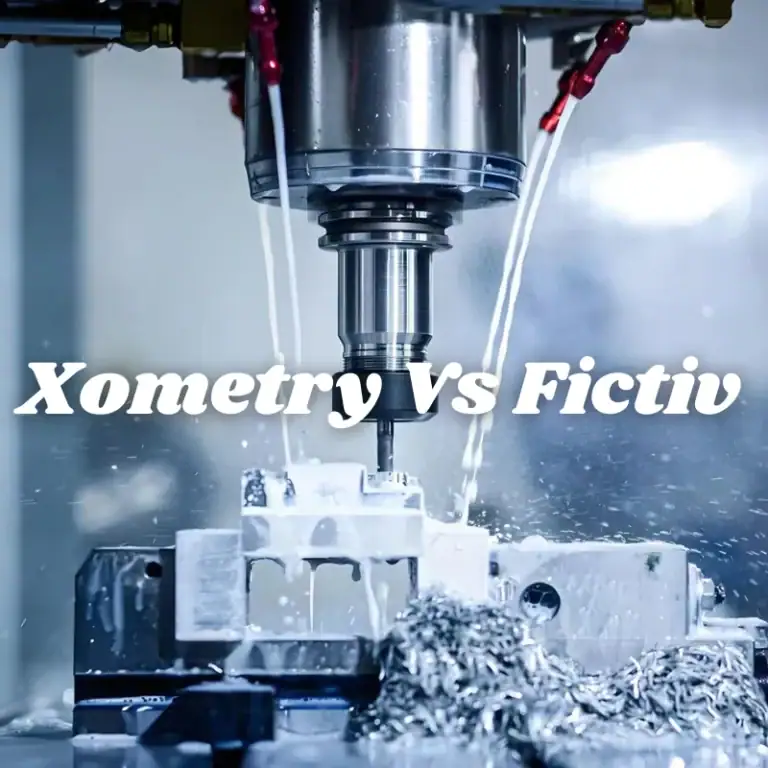
Xometry and Fictiv are two major digital manufacturing platforms that help engineers and purchasing teams source custom parts without managing every manufacturing supplier individually. Both provide online quoting, design-for-manufacturing support,
Scroll to Top
Your 24 hour quote
Send us a message if you have any questions or request a quote. We will be back to you within 1-2 hours!