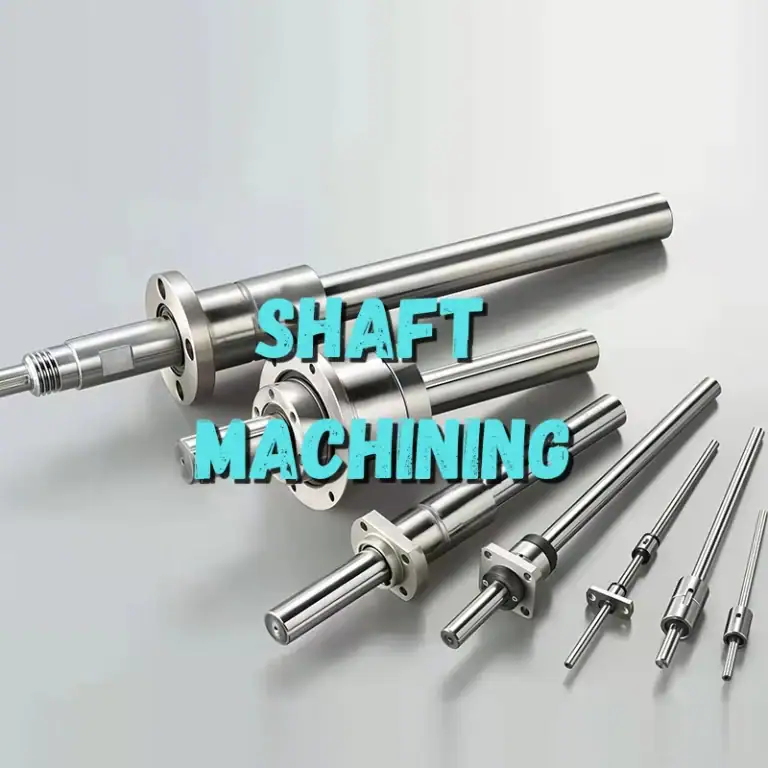
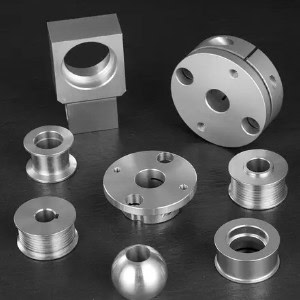
Shaft machining is the precision manufacturing of cylindrical components that transmit torque, support rotating elements, or provide controlled motion within mechanical systems. Although a shaft may appear simple, its performance
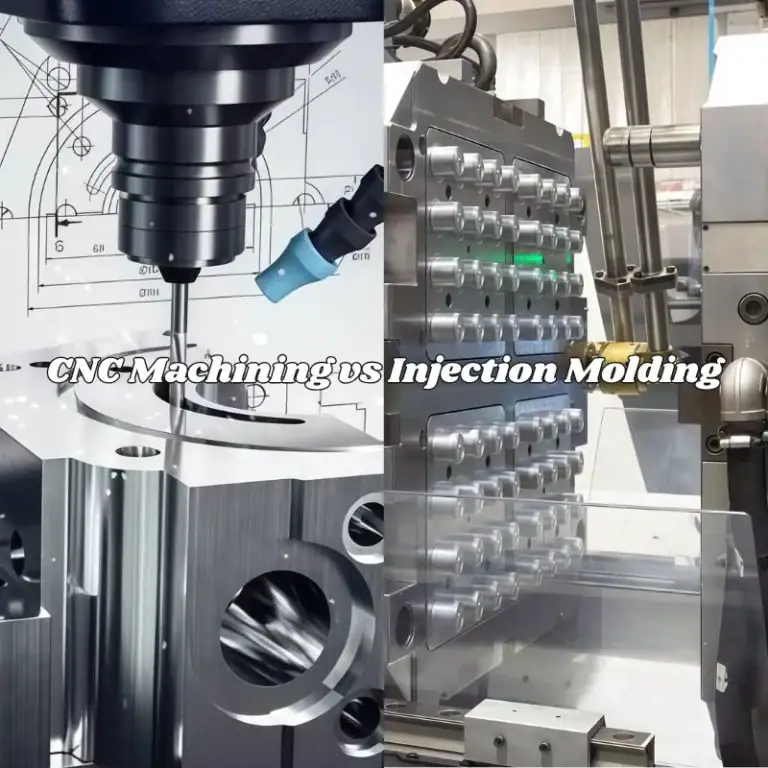
CNC machining vs injection molding compares two fundamentally different ways to manufacture parts. CNC machining removes material from solid stock with computer-controlled cutting tools, while injection molding melts plastic and
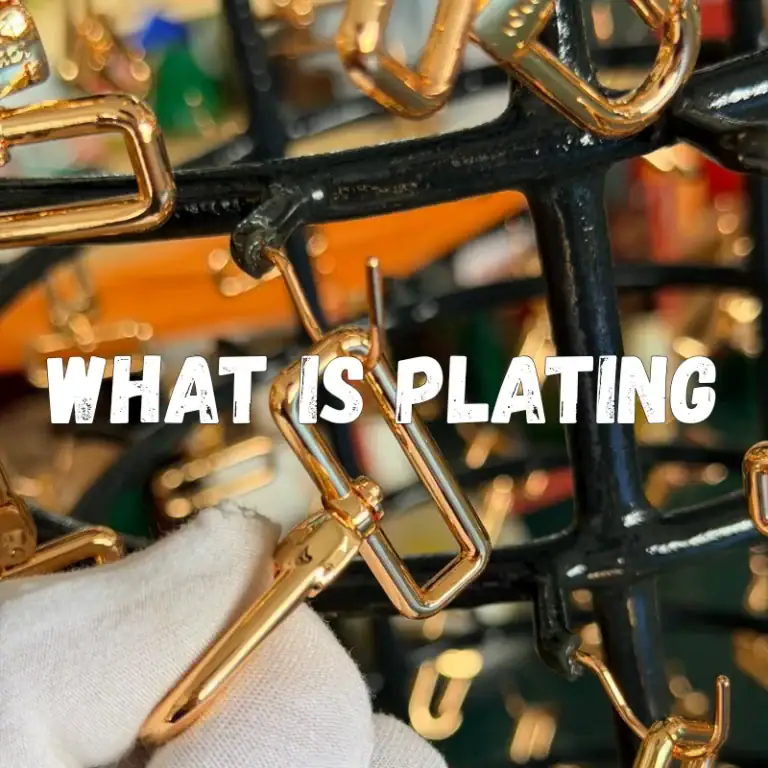
What Is Plating? Types, Processes & Applications Plating is a surface-finishing process that deposits a thin layer of metal onto a substrate. It is commonly used to improve corrosion resistance,
Polycarbonate injection molding is a manufacturing process used to produce strong, lightweight, and dimensionally stable plastic parts. Polycarbonate, often shortened to PC, combines high impact resistance with good heat resistance
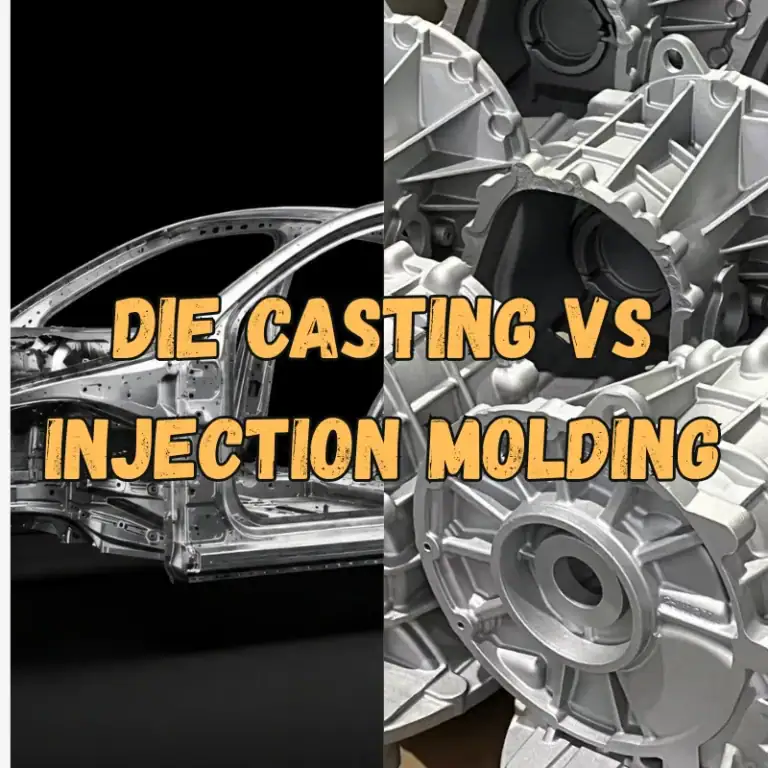
Die casting and injection molding may look similar because both use a mold to form repeatable parts from a material in a flowable state. The key difference is the material:
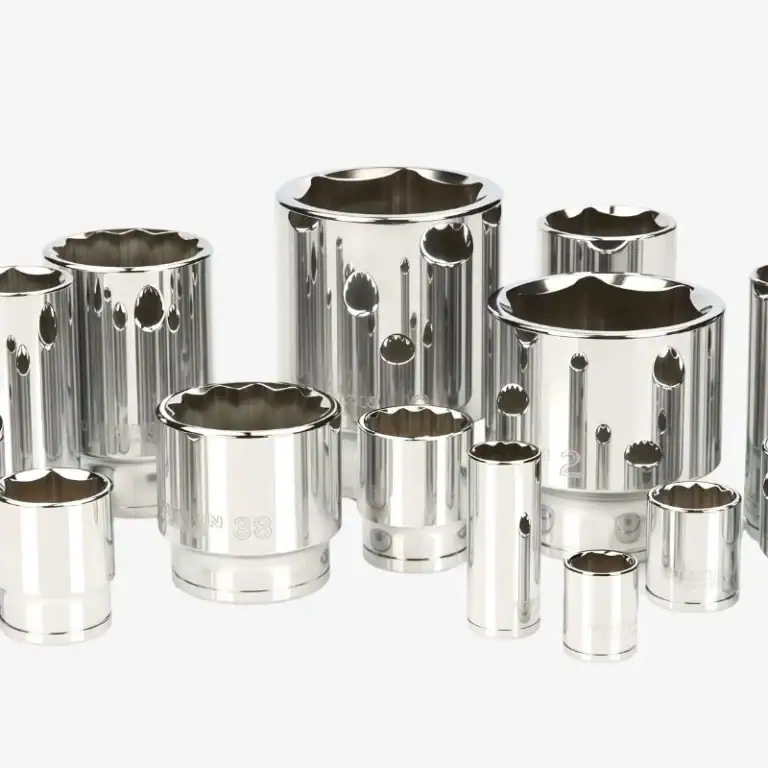
Chrome plating is an electroplating process that deposits a thin layer of chromium onto a metal or specially prepared plastic surface. The coating can improve wear resistance, surface hardness, corrosion
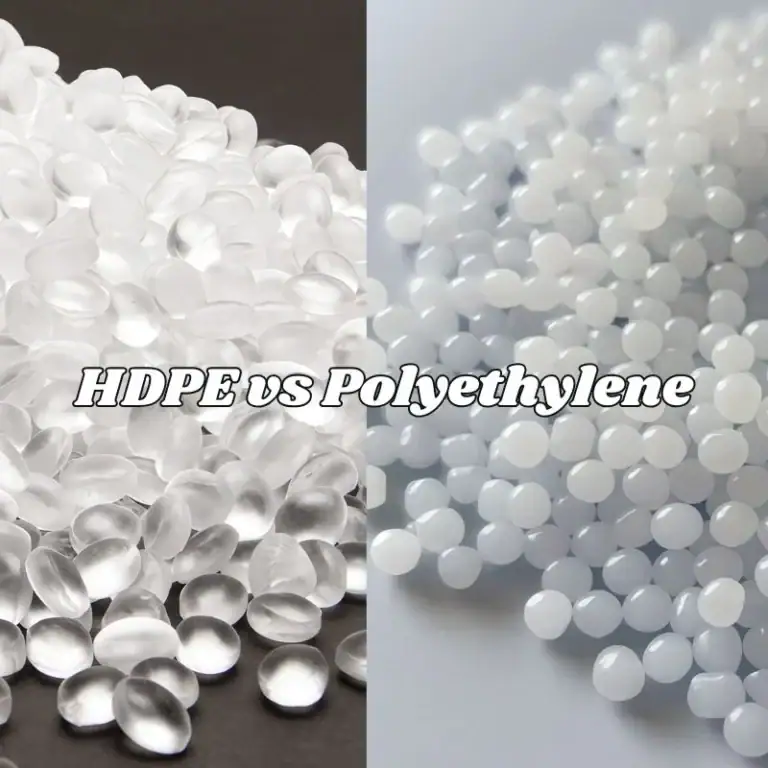
HDPE vs polyethylene is a comparison between a specific high-density grade and the broader polyethylene family. HDPE has a more linear, tightly packed molecular structure, giving it higher density, stiffness,
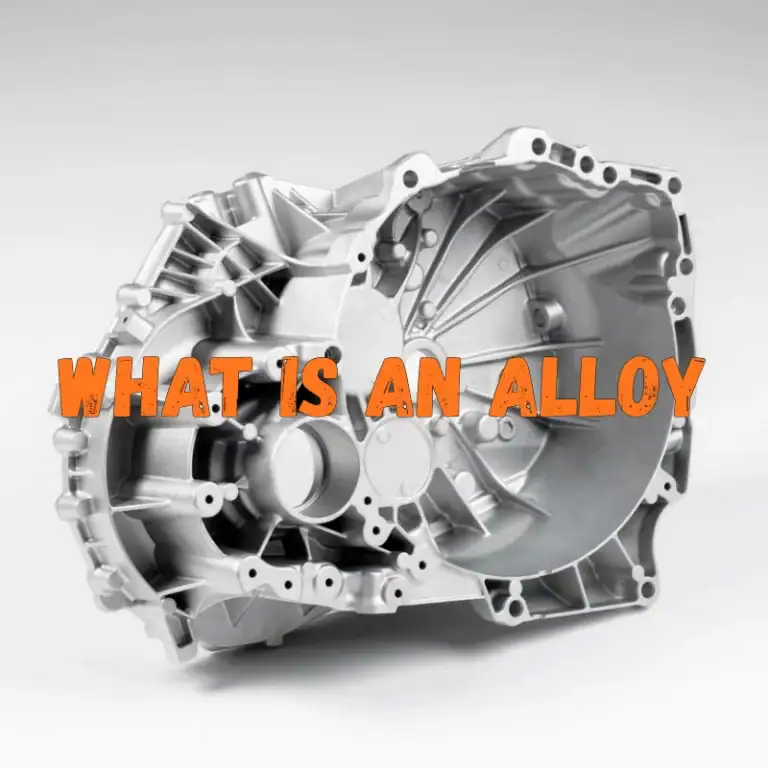
An alloy is a material made by combining a base metal with one or more additional elements to achieve a specific set of properties. These added elements can be metals
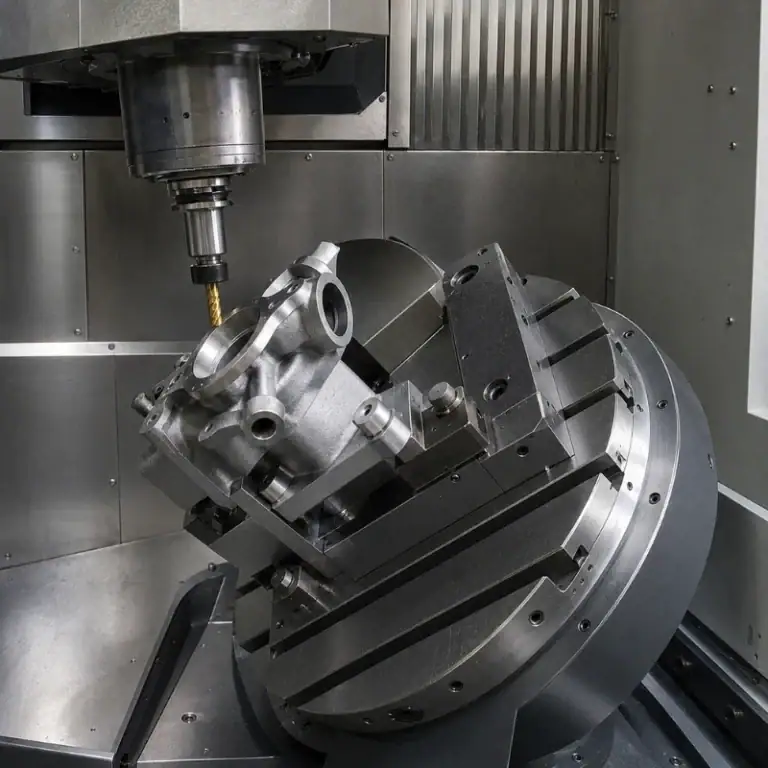
Simultaneous 5-axis machining is an advanced CNC milling process in which three linear axes and two rotary axes move together during cutting. This coordinated motion allows the tool to follow
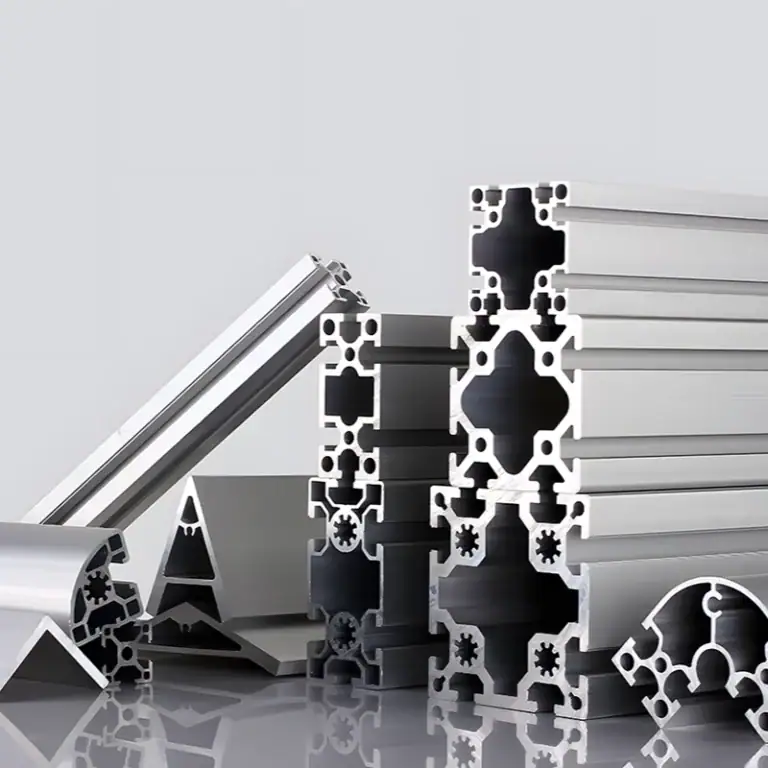
Aluminum extrusion is widely used to produce lightweight profiles with consistent cross-sections, including channels, tubes, frames, heat sinks, rails, and equipment housings. The process can form long parts with grooves,
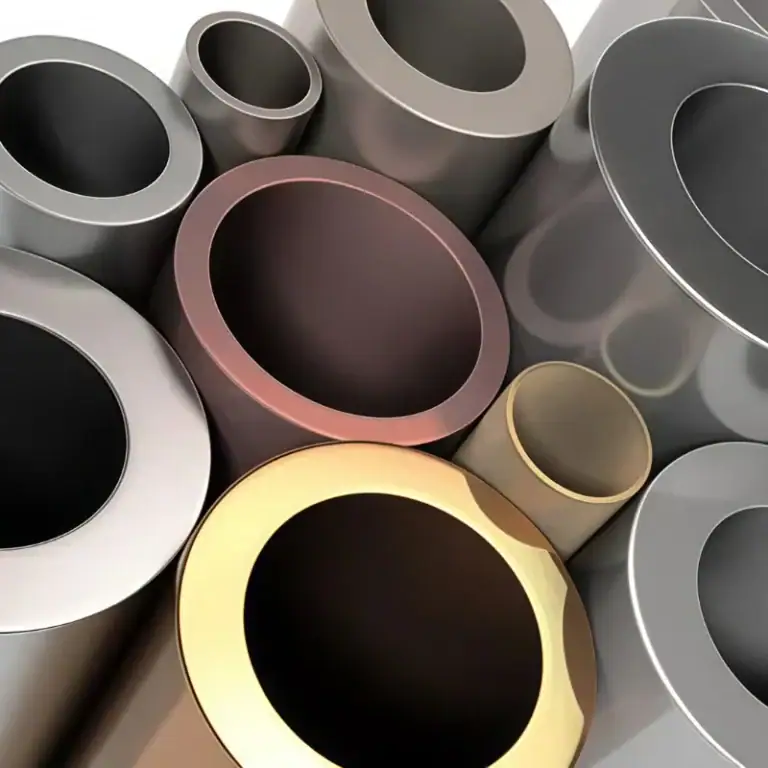
Base metals are common industrial metals that are widely used in manufacturing, construction, electronics, transportation, energy systems, and CNC machining. They are usually more abundant and less expensive than precious
In semiconductor equipment manufacturing, many components do not directly participate in chip production, but they play a critical role in ensuring equipment stability. Aluminum alloy is widely used in semiconductor
Scroll to Top
Your 24 hour quote
Send us a message if you have any questions or request a quote. We will be back to you within 1-2 hours!