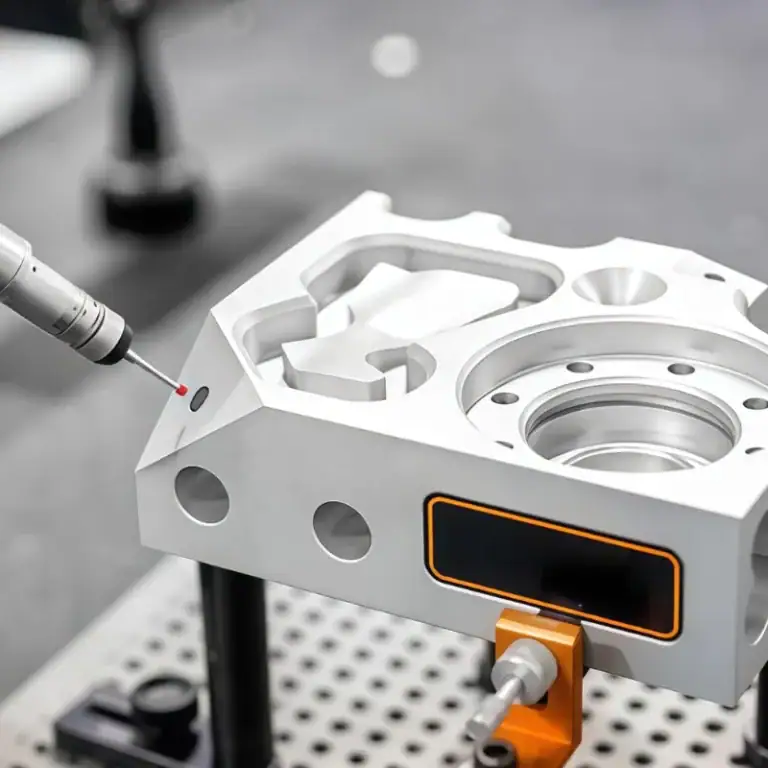
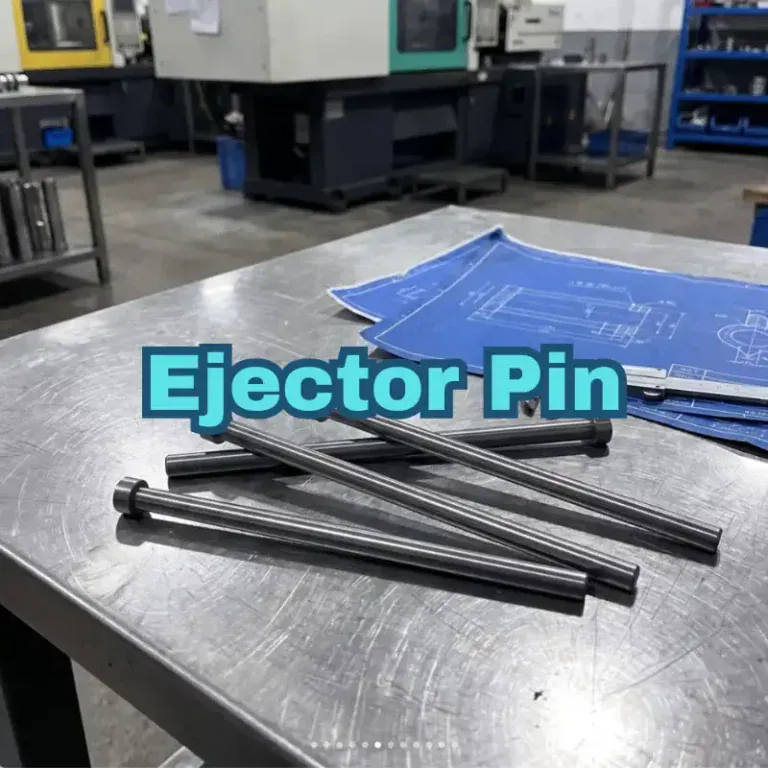
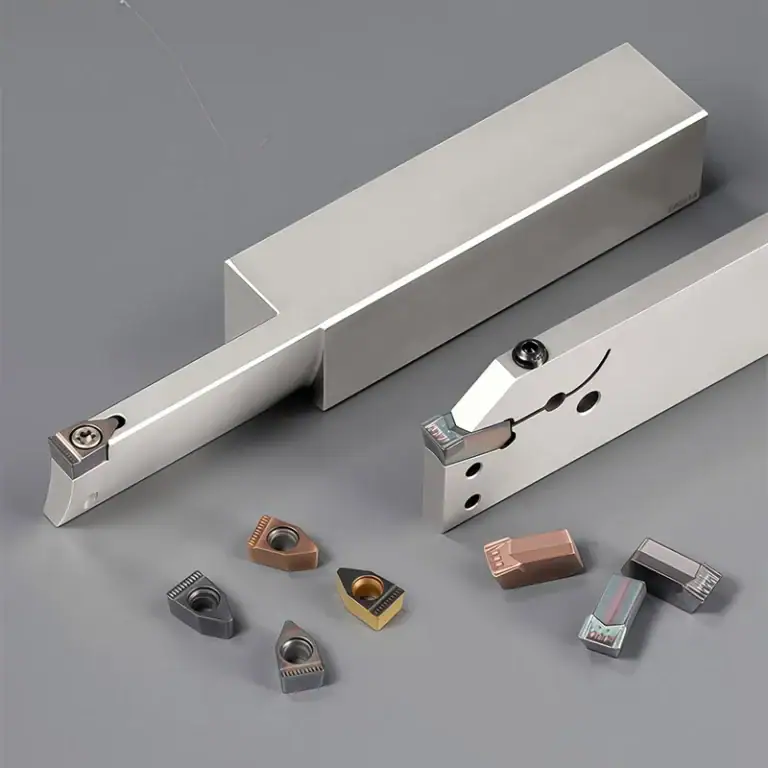
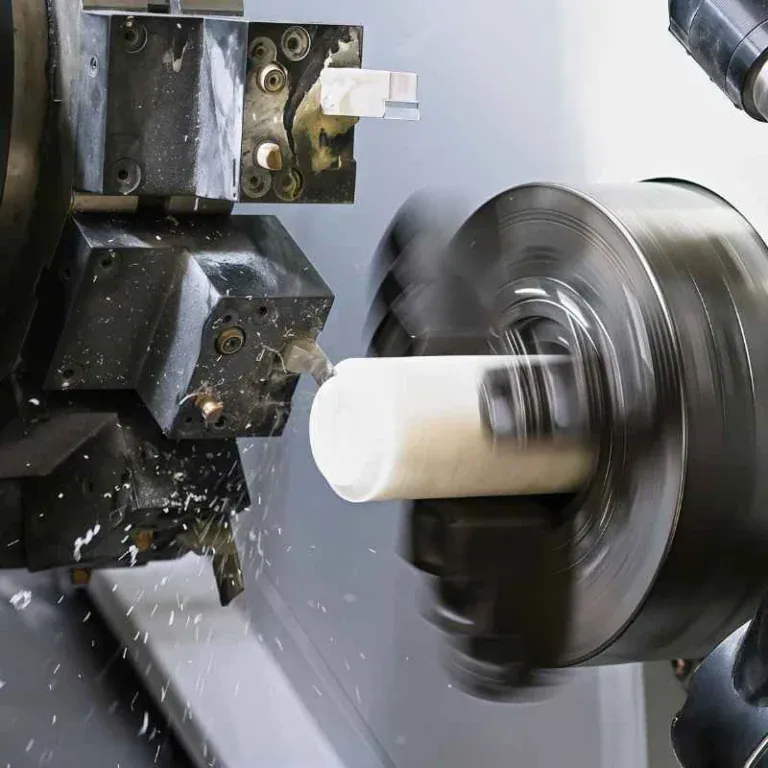
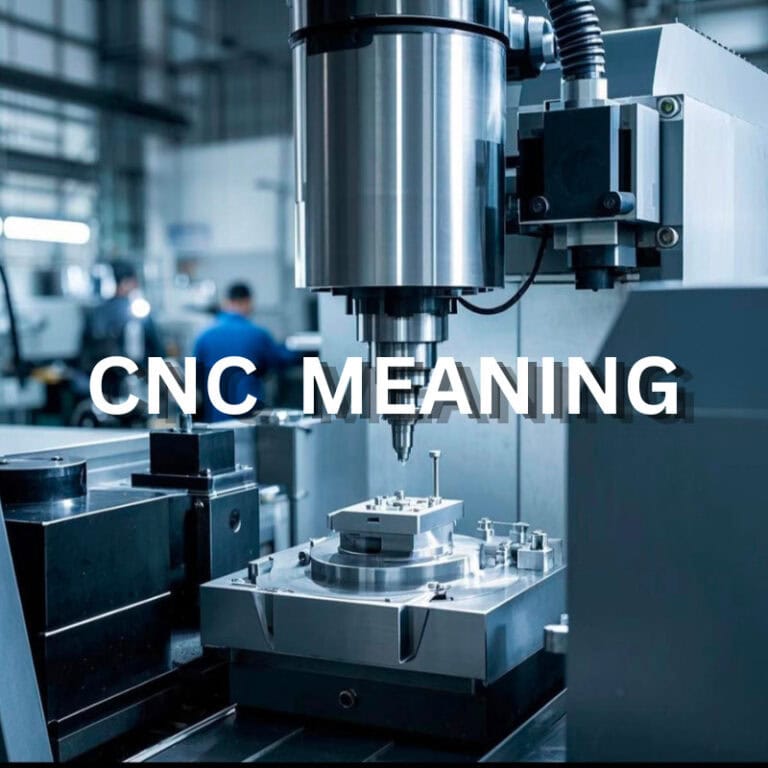
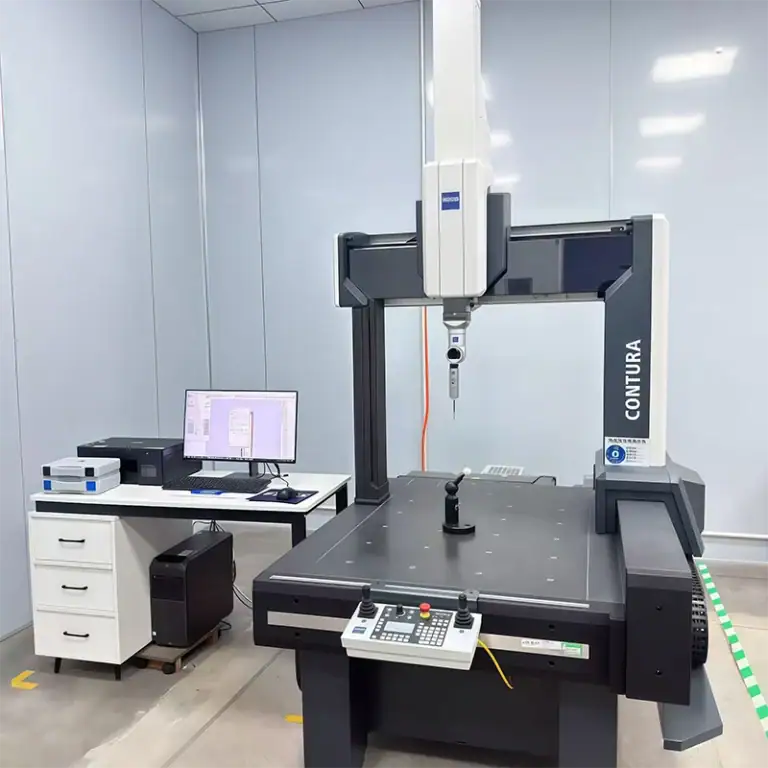
Semiconductor manufacturing equipment demands higher component precision than many conventional industrial machines. A slight deviation in a mounting hole can affect module assembly, while an uneven surface may compromise equipment stability. The challenge is even greater when components have complex structures and must meet strict dimensional tolerances, surface finish, cleanliness, and material performance requirements. For equipment to operate reliably over the long term, parts must be manufactured with both assembly and real operating conditions in mind. A well-planned CNC machining solution helps control complex geometries, critical dimensions, and production consistency, reducing rework and delivering reliable precision components for chip manufacturing equipment.
Which Chip Manufacturing Equipment Components Require Precision CNC Machining?
Semiconductor manufacturing equipment includes wafer handling, vacuum processing, temperature control, positioning, and inspection modules. Each component has different structural features and operating conditions. Machining must meet dimensional requirements while ensuring that parts maintain accurate positional relationships when assembled with other components.
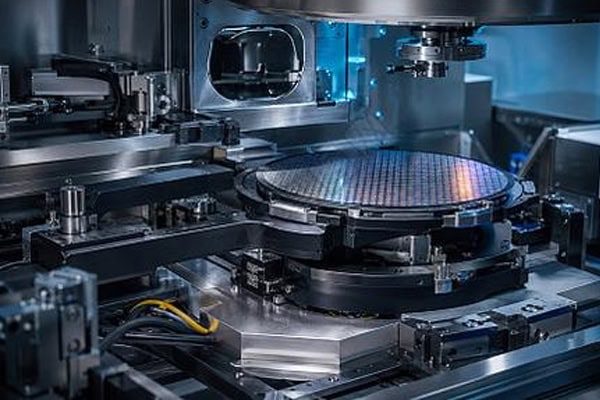
CNC Machining for Wafer Handling Equipment Components
Wafer handling mechanisms require accurate movement and positioning, making dimensional consistency, hole positioning, and surface condition essential. Common components include robotic arm connectors, support brackets, mounting plates, and positioning components. CNC machining follows engineering drawings to control hole locations, contours, and mating dimensions, helping reduce assembly deviations.
Machining Vacuum Chambers and Structural Components
Vacuum processing equipment may contain chambers, flanges, connectors, and sealing components that require controlled flatness, hole positioning, and sealing surface quality. Critical dimensions and sealing requirements should be clearly defined before machining. Otherwise, a component may meet individual dimensional specifications but still have poor contact or leakage issues after assembly.
Common Precision Components for Semiconductor Equipment and Their Machining Requirements
| Component Type | Typical Requirements | Key CNC Machining Considerations |
| Wafer handling robotic arm components | Lightweight structure and accurate positioning | Contour accuracy, hole positioning, and weight control |
| Vacuum chamber connectors | Flat sealing surfaces and matching hole positions | Flatness, hole positioning, and surface finish |
| Precision mounting plates | Multiple holes and dimensional stability | Consistent datums, hole spacing, and flatness |
| Temperature control components | Accurate dimensions and compatible interfaces | Cavity and channel machining, dimensional consistency |
| Inspection equipment supports | Accurate mounting positions and reliable rigidity | Geometric tolerances and connection surface accuracy |
Actual machining requirements should be determined by engineering drawings, operating conditions, and technical specifications. Precision levels cannot be determined from component names alone.
How Can CNC Machining Maintain Precision in Semiconductor Equipment Components?
The challenge in manufacturing semiconductor equipment components is not simply keeping dimensions within tolerance. The relationships between multiple machined features must also remain accurate. For parts with multiple holes, thin walls, or complex curved surfaces, process sequencing, tool selection, and workholding can all affect the final result.
How Can Hole Position Errors and Assembly Deviations Be Reduced?
When a component contains multiple mounting holes, locating holes, and connection surfaces, checking each hole diameter individually is not enough. The relative positions of the holes must also be verified. Establishing consistent datums, optimizing workholding, and controlling critical operations can reduce errors caused by repeated setups. For components that connect to other modules, drawings should clearly specify key requirements such as positional tolerance, concentricity, and flatness. This helps prevent assembly problems discovered only after machining is complete.
How Can Deformation Be Prevented in Thin-Walled and Complex Components?
Thin-walled parts, deep-cavity components, and parts requiring substantial material removal may deform under clamping forces, cutting heat, or residual stress. A machining plan should do more than remove material quickly; it must also account for component rigidity and stress relief.
- Use staged machining: Leave a suitable allowance during roughing and complete finishing after the component has stabilized.
- Optimize workholding: Position supports carefully and avoid excessive clamping force that could distort the workpiece.
- Control cutting parameters: Adjust feed rates and cutting depths to suit the material, tool, and geometry, helping reduce vibration and localized overheating.
- Inspect during production: Measure critical dimensions at key stages and adjust the process promptly when deviations appear.
These measures may seem straightforward, but they have a direct effect on component consistency. For precision equipment, preventing instability during machining is often more cost-effective than correcting defects at the end.
Which CNC Machining Processes Are Suitable for Semiconductor Precision Components?
| Machining Process | Suitable Component Features | Main Machining Objectives |
| CNC milling | Mounting plates, support brackets, complex contours | Machining flat surfaces, steps, slots, and external profiles |
| CNC turning | Shafts, sleeves, and rotational connectors | Controlling outer diameters, end faces, and concentric dimensions |
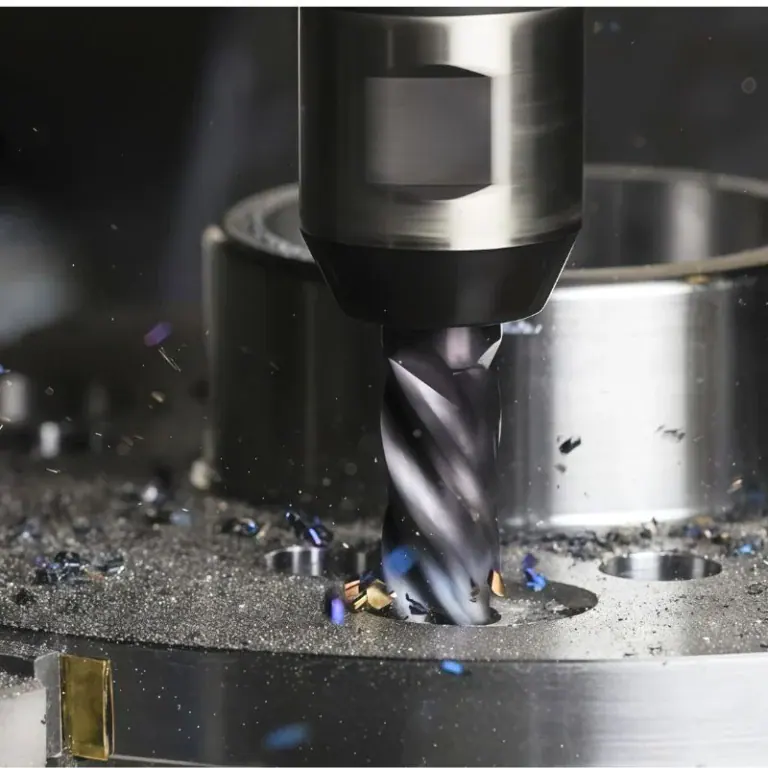
| CNC drilling and boring | Precision holes and hole patterns | Achieving accurate hole diameters, depths, and positions |
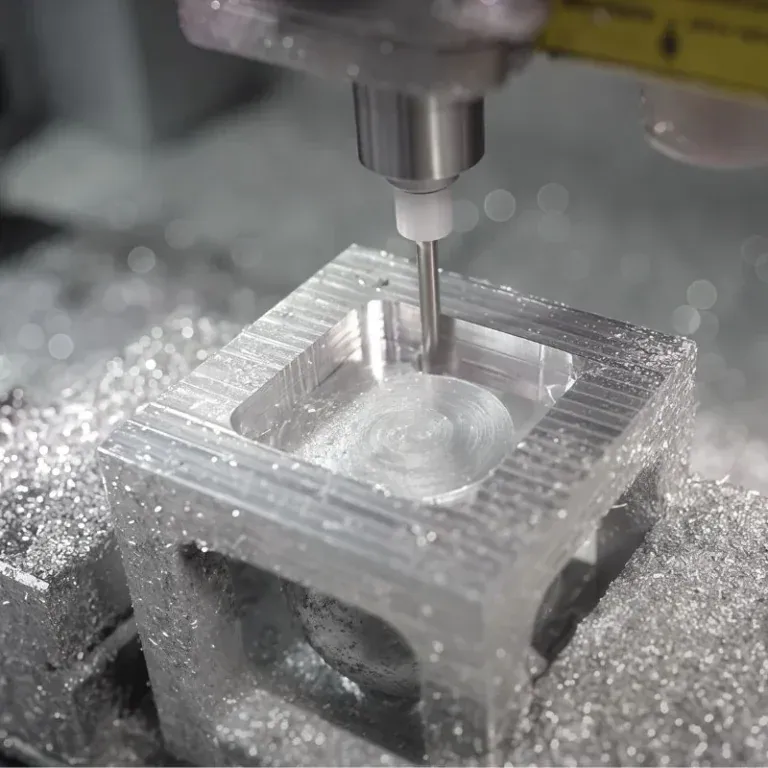
| Multi-axis CNC machining | Multi-directional features and complex curved surfaces | Reducing some repeated setups and improving machining efficiency |
The right process depends on part geometry, material, tolerance requirements, and available equipment. Some components require a combination of milling, drilling, and boring. Planning the sequence in advance helps control machining errors and avoid unnecessary production time.
What Affects Precision Machining Costs and Quality Inspection for Semiconductor Equipment?
The cost of precision components depends on more than their physical size. Material prices, geometric complexity, tolerance requirements, surface treatments, and inspection procedures can all affect the final quotation. For chip manufacturing equipment, critical dimensions and technical notes on engineering drawings are particularly important. Clear specifications make it easier to assess feasibility before production and reduce the need for later modifications.
What Factors Affect CNC Machining Costs?
Material selection: Aluminum alloys, stainless steel, and other engineering materials differ in cost, machinability, and tool wear.
- Tolerances and geometry: Precision hole patterns, thin walls, deep cavities, and complex curved surfaces generally require more detailed process planning.
- Surface requirements: Anodizing, passivation, and other specified treatments add processing steps. Some components also require careful control of dimensional changes after treatment.
- Order quantity: Programming, setup, and inspection costs are distributed differently between one-off custom parts and batch production.
For a more accurate quotation, provide 2D engineering drawings, 3D models, material grades, critical tolerances, surface treatment requirements, and estimated quantities. If components will be used in vacuum environments or clean areas, specify the relevant requirements in advance to ensure the quotation matches the intended delivery standards.
What Should Be Inspected Before Precision Components Are Delivered?
After machining, dimensional checks should be accompanied by inspections of critical mating surfaces, hole relationships, threads, and surface conditions against the engineering drawings. For semiconductor equipment components with cleanliness requirements, deburring, cleaning, protective measures, and packaging standards should also be specified to prevent contamination or transportation damage from affecting assembly. If inspection reports or material certificates are required, confirm these deliverables before placing the order.
Precision components may represent only a small part of chip manufacturing equipment, but they can directly affect assembly accuracy and operating stability. Clearly defining materials, tolerances, machining processes, and inspection requirements in advance helps production run more smoothly while reducing rework and delivery risks. TIRAPID provides custom CNC machining services and can evaluate machining solutions for semiconductor equipment components based on drawings, materials, and precision requirements. Submit your part specifications to request a quotation.