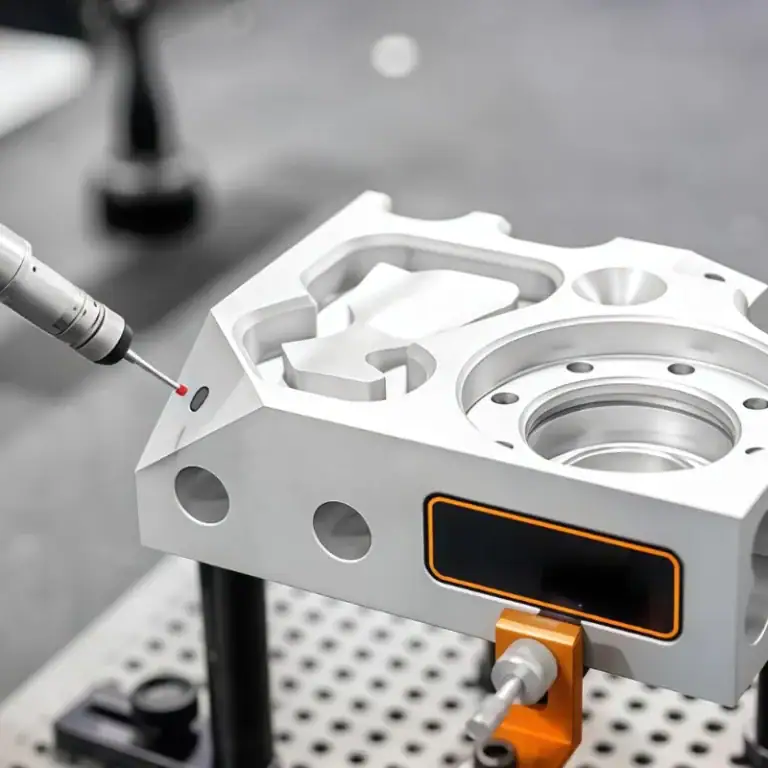
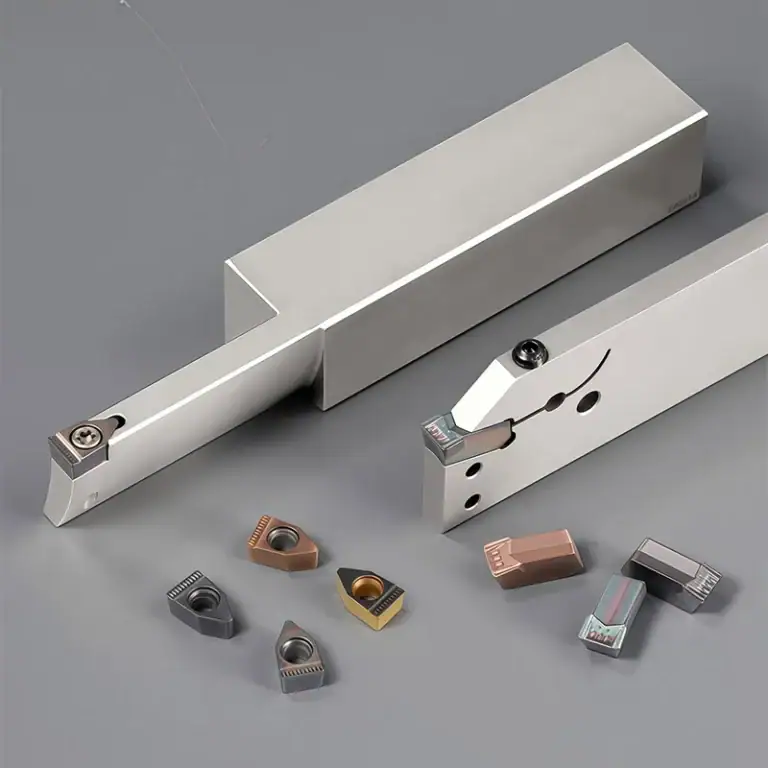
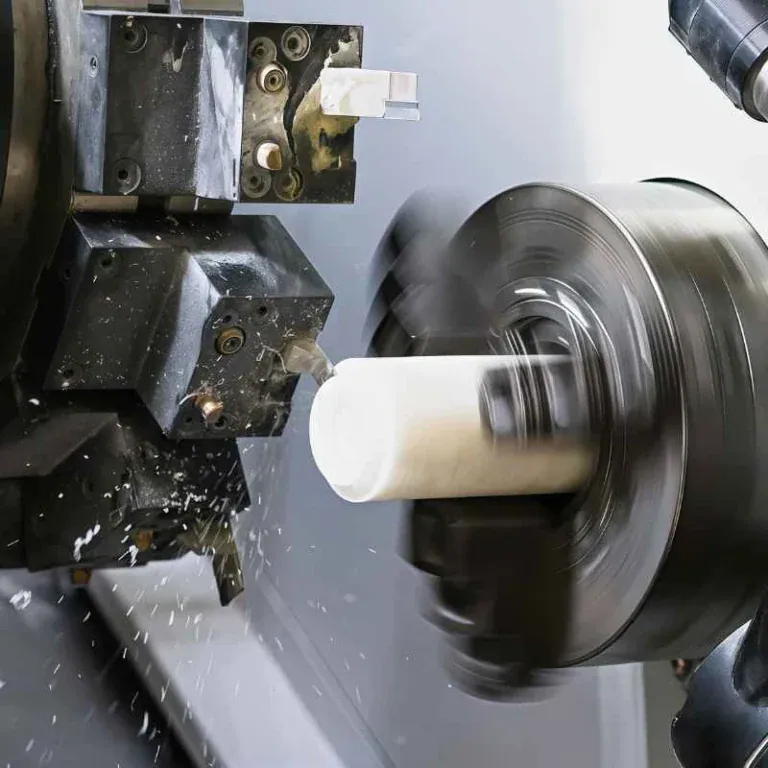
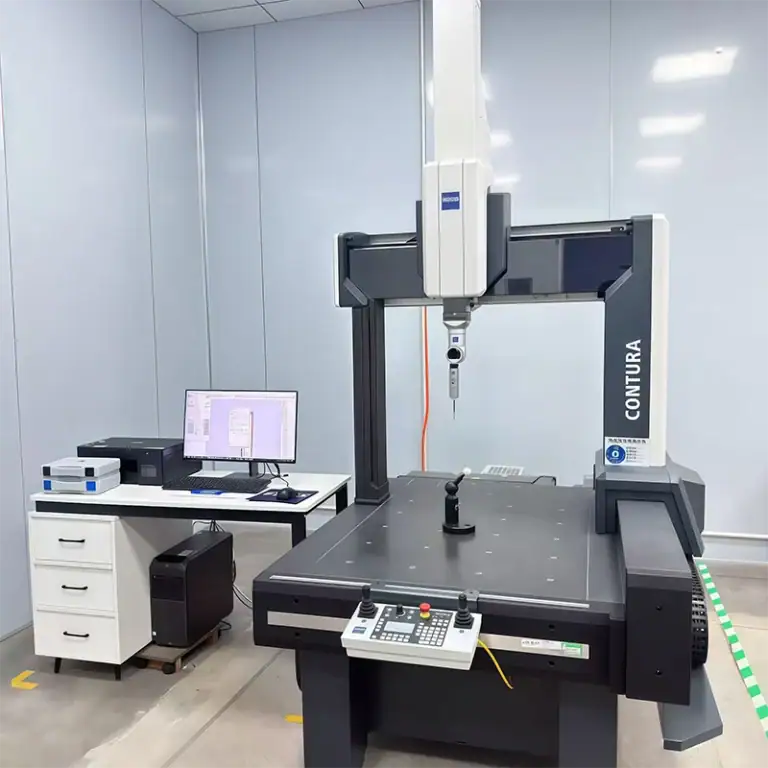
Xometry and Protolabs both provide digital manufacturing services for CNC machining, injection molding, 3D printing, and sheet metal fabrication. However, their manufacturing models are different: Xometry mainly relies on an AI-driven network of 5,000+ suppliers, while Protolabs combines its own digital factories with about 250 manufacturing partners.
This guide compares Xometry vs Protolabs in manufacturing capabilities, pricing, lead times, quality control, and project suitability to help you choose the right sourcing option.
Xometry Vs Protolabs: Quick Comparison
The biggest difference between Xometry and Protolabs is not whether they offer CNC machining or injection molding. Both do. The real difference is where the manufacturing capacity comes from and how production is controlled.
| Comparison | Xometry | Protolabs |
| Manufacturing Model | AI-driven manufacturing marketplace | Digital factories + manufacturing partner network |
| Manufacturing Network | 5,000+ global suppliers | Own factories + about 250 network partners |
| Core Strength | Network scale and process breadth | Speed, automation, and direct factory capacity |
| CNC Machining | Yes | Yes |
| Injection Molding | Yes | Yes |
| 3D Printing | Plastic and metal | Plastic and metal |
| Sheet Metal | Yes | Yes |
| Additional Processes | Casting, stamping, extrusion, tube fabrication, welding, assembly and more | Primarily CNC, injection molding, 3D printing, and sheet metal, with Network expansion |
| Online Quoting | AI pricing and process recommendations | Automated quoting and DFM |
| Production Range | Prototype to high-volume production | Prototype to production |
| Best Fit | Multi-process sourcing and flexible network capacity | Fast standardized parts and projects suited to digital factories |
Xometry covers more than 20 manufacturing technologies through its supplier network and uses that distributed capacity to support prototypes, small batches, bridge production, and high-volume manufacturing.
Protolabs is more concentrated around four major revenue-generating processes: CNC machining, injection molding, 3D printing, and sheet metal. Its own factories handle much of the standardized rapid-manufacturing work, while Protolabs Network extends tighter tolerances, more complex projects, higher quantities, and additional finishing options.
How Are Xometry And Protolabs Different?
Both companies use software to reduce the traditional RFQ cycle, but they solve the manufacturing-capacity problem in different ways.
Xometry: AI-Driven Manufacturing Marketplace
Xometry is structured around a marketplace model. Customers upload CAD files or drawings, select material, quantity, tolerance, surface finish, inspection, and delivery requirements, and the platform produces pricing, lead-time information, DFM feedback, and process recommendations.
After the customer orders, Xometry matches the project to a supplier based on manufacturing process, equipment, certifications, available capacity, quality history, and delivery performance. Xometry then manages the order, quality workflow, and logistics while the manufacturing partner produces the part.
The main strength of this structure is capacity flexibility. A network of more than 5,000 suppliers gives Xometry the ability to source across many processes, regions, equipment types, and certification requirements. The platform does not need to own every machine required for every project.
Its model also extends beyond individual part orders. Xometry supports enterprise purchasing, repeat ordering, procurement-system integration, quality documentation, and supplier-side services such as Workcenter, Thomasnet marketing, and financial tools.
That makes Xometry less like a conventional machine shop and more like a digital manufacturing and supply-chain execution platform.
Protolabs: Digital Factories Plus Manufacturing Network
Protolabs uses a hybrid model.
Its first layer is its own digital manufacturing factories in the United States and Europe. These facilities are designed around automated quoting, manufacturability analysis, standardized workflows, and rapid production.
The second layer is Protolabs Network. The report identifies roughly 250 vetted manufacturing partners that expand Protolabs beyond the manufacturing envelope of its own facilities. Network projects can support greater complexity, tighter tolerances, more secondary processes, and higher quantities.
This gives Protolabs a different balance between control and flexibility. Standardized parts that fit its internal manufacturing rules can move through its own factories, where the company directly controls the manufacturing environment. Projects that require capabilities outside those limits can move into the partner network.
This distinction matters to buyers. A Protolabs order may be produced in a Protolabs facility or through its manufacturing network depending on the project. The brand therefore combines direct manufacturing capacity with outsourced manufacturing capacity rather than relying exclusively on either model.
Manufacturing Services And CNC Capabilities
The service portfolios of Xometry and Protolabs overlap significantly, but Xometry has the broader process catalog while Protolabs is more concentrated around its major digital manufacturing services.
CNC Machining
CNC machining is strategically important for both companies.
Xometry’s report lists 3-axis, 4-axis, and 5-axis milling, CNC turning, Swiss machining, micro machining, drilling, and wire EDM among its machining capabilities. Its large network allows CNC work to be allocated according to machine capability, certification, material, region, and available capacity.
Protolabs operates its own CNC machining facilities and also extends its machining capacity through Protolabs Network. Its digital factories support 3-axis milling, 5-axis indexed milling, CNC turning, and live tooling, while the Network is used to expand into tighter tolerances, more complex components, higher production quantities, and additional finishing options.
CNC is also now the largest revenue-generating business for Protolabs. In 2025, CNC machining represented 45.6% of total revenue, and in the second quarter of 2026 that share increased to 47.1%.
For buyers, the practical distinction is relatively clear. Xometry offers broader access to a distributed pool of machining technologies and suppliers. Protolabs combines direct internal machining with external Network capability when a part falls outside the preferred manufacturing envelope of its own factories.
Injection Molding, 3D Printing, And Sheet Metal
Both companies offer injection molding, additive manufacturing, and sheet metal fabrication.
Xometry also extends into casting, stamping, extrusion, tube fabrication, welding, assembly, grinding, powder coating, and other production services. This makes the platform particularly useful when a purchasing team needs many unrelated manufacturing processes through one sourcing interface.
Protolabs has a more focused service structure. Its public financial reporting is organized around CNC machining, injection molding, 3D printing, and sheet metal. Injection molding remains its second-largest business, and the company emphasizes rapid tooling, automated DFM, aluminium molds, scientific molding, and production support.
Its 3D printing business supports plastic and metal additive manufacturing, while sheet metal services include laser cutting, punching, bending, hardware insertion, welding, riveting, assembly, and finishing.
The comparison is therefore less about whether one company can manufacture a typical CNC bracket or molded plastic housing. Both generally can. Xometry’s advantage is a broader list of manufacturing processes, while Protolabs concentrates more deeply on its four major digital manufacturing categories.
Prototype To Production Capabilities
Neither company should be considered only a rapid-prototyping supplier.
Xometry supports single prototypes, EVT/DVT/PVT-type validation quantities, bridge production, batch CNC work, injection molding, casting, stamping, and high-volume production. Some manufacturing routes can extend to very large quantities.
Protolabs also covers prototype, engineering validation, bridge production, low-volume production, and longer-term production programs. Its own factories are positioned around speed and standardized manufacturing, while the Network extends capacity and project complexity as quantity or manufacturing requirements increase.
For a product-development team, both companies can therefore support multiple stages of the product lifecycle. The more important difference is how the manufacturing source changes as the project becomes more complex or moves into higher production quantities.
Pricing, Lead Time, And Engineering Support
Pricing and delivery speed are major reasons engineers use digital manufacturing services, but comparing Xometry and Protolabs only by the first number shown on a quote can be misleading.
Online Quoting And DFM
Xometry places AI at the center of its quoting system. Its pricing and process-recommendation models use variables such as geometry, material, finishing, and order configuration to predict manufacturing cost and identify suitable processes. The platform then combines the quote with supplier matching.
This model is particularly useful when a buyer wants to evaluate many parts or manufacturing alternatives without manually requesting quotations from multiple machine shops.
Protolabs has also built its business around automated quoting and DFM. Its system analyzes customer CAD data, returns manufacturing feedback, and routes parts into digital factory workflows or other manufacturing paths. The company’s long history in automated quoting is one of its main competitive advantages.
The difference is subtle but important. Xometry’s automation is closely tied to marketplace pricing and supplier matching. Protolabs’ automation is closely tied to its digital manufacturing processes and factory workflows.
Lead Time And Manufacturing Speed
Protolabs has historically made speed a central part of its value proposition.
Its own digital factories are designed for fast processing of parts that fit defined manufacturing rules. This makes Protolabs particularly strong for rapid prototypes, design validation, and urgent parts that fit its internal production system. The report notes that several self-manufactured services advertise delivery in days and, for some projects, as quickly as one day.
Xometry approaches delivery from a different angle. Its large supplier base allows the platform to search a much larger distributed capacity pool. This may be valuable when one shop is overloaded, a particular certification is needed, or production needs to be shifted by region or capability.
A useful way to understand the distinction is:
Protolabs emphasizes factory speed, Xometry emphasizes network capacity.
However, actual lead time for either company still depends on material availability, geometry, quantity, tolerance, inspection, finishing, production route, and logistics.
What Affects The Final Price?
Neither Xometry nor Protolabs can accurately be described as always cheaper.
Manufacturing cost depends on geometry, material, machine time, programming, setup, quantity, tolerance, inspection, surface treatment, tooling, production location, and delivery requirements.
Both business models also include costs beyond actual machining or molding. Digital quoting systems, engineering support, customer acquisition, quality management, logistics, supplier management, and corporate infrastructure all contribute to the final transaction cost.
The Xometry report specifically notes that marketplace pricing is not necessarily the lowest available price because Xometry must manage the commercial, quality, and logistics layers around the manufacturing order.
The Protolabs report makes a similar analytical point: speed, digital experience, quality systems, and manufacturing infrastructure provide value, but conventional repeat CNC parts may sometimes be sourced at a different total cost through a direct factory relationship.
For buyers, the correct comparison is therefore total manufactured cost and project risk, not just the first quoted part price.
Quality Control And Manufacturing Consistency
Quality is one of the most important differences to understand because both companies use distributed manufacturing capacity, but not in exactly the same way.
Xometry Supplier Quality Management
Xometry’s supplier-management process considers equipment, certification, quality history, capacity, and delivery performance. Suppliers can go through QMS reviews, test parts, documentation checks, or audits, and future order matching is influenced by fulfillment performance.
The platform also supports quality documentation such as dimensional inspection, CMM reports, FAI, PPAP, material certification, and traceability. Its broader ecosystem includes capabilities associated with ISO 9001, ISO 13485, AS9100D, IATF 16949, ITAR, and other regulated-industry requirements.
The tradeoff is scale. A 5,000+ supplier network provides excellent capacity flexibility, but suppliers do not all use identical machines, tooling, engineering methods, or internal process controls.
The Xometry investigation therefore identifies supplier consistency as an ongoing management challenge. The platform must rely on qualification, performance data, scoring, inspection, and quality systems to control variation across its distributed manufacturing base.
Protolabs Factory And Network Quality Control
Protolabs has a structural advantage when work is produced inside its own facilities because it directly operates those factories.
Its public certification structure includes ISO 9001, AS9100D, and ISO 13485 capabilities across different facilities and processes. However, certification should still be verified for the specific manufacturing location and project rather than assumed to apply universally to every order.
Its Network follows a different quality model. Roughly 250 manufacturing partners are screened through qualification steps that can include factory review, legal due diligence, platform onboarding, and continued quality oversight. The Network quality process also includes dimensional and visual inspection.
This means buyers should distinguish between Protolabs factory production and Protolabs Network production. They operate under the same customer-facing brand but do not represent the same physical production environment.
Which Model Offers More Manufacturing Control?
For projects manufactured inside Protolabs’ own factories, manufacturing control is structurally more centralized because Protolabs operates the equipment, processes, and facility directly.
Xometry has a much larger distributed supplier base, which creates greater capacity flexibility but also requires stronger supplier-performance management to maintain consistency.
Protolabs Network sits somewhere between those models. It uses a smaller group of vetted external manufacturers, but production is still distributed across independent manufacturing partners.
The practical lesson is that brand name alone does not determine part quality. Buyers should confirm:
- Where the part will be produced
- Which certification applies
- Which dimensions are critical
- What inspection level is required
- Whether CMM, FAI, PPAP, or material traceability is needed
- How deviations and corrective actions will be handled
For demanding components, clear drawings and quality requirements remain essential regardless of platform.
Xometry Vs Protolabs: Which Should You Choose?
The best choice depends on whether the project benefits more from manufacturing-network breadth or from direct digital-factory capacity.
Choose Xometry For Process Variety And Network Scale
Xometry is particularly strong when purchasing teams need access to many manufacturing technologies through one sourcing platform.
Its network can support CNC machining, plastic and metal 3D printing, sheet metal, injection molding, casting, stamping, extrusion, welding, assembly, and other manufacturing services.
That makes Xometry attractive for companies managing large portfolios of different part types. Rather than qualifying individual suppliers for machining, sheet metal, molding, casting, and additive manufacturing, the buyer can use one platform to consolidate purchasing.
Its 5,000+ supplier network also provides capacity flexibility. When demand increases or regional production becomes important, the marketplace model gives Xometry a large manufacturing pool from which to allocate orders.
Enterprise buyers may also value its procurement integration, team collaboration, quality-document management, and repeat-order workflows.
Choose Protolabs For Speed And Digital Factory Manufacturing
Protolabs is particularly strong when a project fits the automated manufacturing environment of its own factories.
Rapid prototypes, validation parts, standard CNC geometry, rapid tooling, and short development cycles can benefit from direct digital-factory workflows. The combination of automated quotation, DFM, and manufacturing automation is designed to reduce the time between CAD upload and production.
The company can then use Protolabs Network when projects require tighter tolerances, additional finishing, greater complexity, or higher quantities.
This hybrid model provides a useful balance. The own-factory layer supports speed and process control, while the Network expands the available manufacturing envelope.
Consider A Direct Manufacturer For Complex CNC Parts
A digital manufacturing platform is highly effective when a project can be standardized. Complex CNC work can require a different type of relationship.
Thin walls, deep cavities, difficult five-axis access, unstable workholding, titanium or other difficult materials, multiple critical datums, demanding flatness, and frequent engineering changes often require repeated communication between the design engineer and the people developing the actual machining process.
Both investigation reports acknowledge this limit. Xometry’s instant engine is strongest on parameterizable work, while unusual materials, extreme tolerances, complex assemblies, and nonstandard validation still require human engineering support.
The Protolabs report similarly notes that special fixturing, thin-wall distortion, complex multi-axis strategies, difficult materials, and extreme tolerances still depend on experienced manufacturing engineers.
For these projects, a direct CNC manufacturer may provide several advantages: the customer can speak directly with the engineering team responsible for workholding, tool selection, machining sequence, inspection strategy, and corrective action.
This does not mean direct sourcing is always better. Xometry and Protolabs remain attractive when the main priorities are fast quoting, network capacity, multi-process sourcing, or standardized rapid production.
The more practical decision rule is:
Choose Xometry when process breadth and manufacturing-network scale are the priority. Choose Protolabs when speed and digital-factory manufacturing are more important. Consider a direct CNC manufacturer when the manufacturing strategy itself requires continuous engineering collaboration.
FAQs
How Does Protolabs Compare To Xometry?
Protolabs combines its own digital factories with about 250 vetted manufacturing partners, while Xometry primarily operates through an AI-driven marketplace of more than 5,000 suppliers. Protolabs is stronger in direct factory automation and rapid standardized manufacturing, while Xometry offers broader process coverage and greater network capacity across different suppliers and regions.
Is Protolabs Or Xometry Better?
Neither is better for every project. Protolabs is often a better fit for rapid prototypes and standardized parts that can move efficiently through its digital factories. Xometry may be more suitable when a project requires a wider range of manufacturing processes, flexible capacity, or access to a large distributed supplier network. The best choice depends on part complexity, quantity, process, tolerance, quality requirements, and delivery needs.
Is Protolabs Faster Than Xometry?
Protolabs can be very fast for parts that fit its automated digital-factory manufacturing limits, with some services advertised at lead times as short as one day. Xometry, however, uses a much larger supplier network to find available capacity, which can be advantageous for different processes or production requirements. Actual lead time for either company depends on geometry, material, quantity, tolerance, finishing, inspection, and manufacturing route.
Conclusion
The Xometry vs Protolabs comparison is ultimately a comparison between two different digital manufacturing models. Xometry is built around AI quoting, supplier matching, a network of more than 5,000 manufacturers, and broad multi-process sourcing. Protolabs combines automated quoting with its own digital factories, then uses a smaller vetted Network to extend complexity and production capacity. Xometry is particularly strong in process breadth and flexible sourcing, while Protolabs differentiates through factory automation, rapid manufacturing, and its hybrid production model.
At TiRapid, we provide precision CNC machining and manufacturing services for prototypes and low-volume production, with direct communication between customers and our engineering team. For complex aluminium, stainless steel, titanium, and engineering-plastic parts, we can review tooling, workholding, tolerances, machining sequence, CMM inspection, surface finishing, and production risks before manufacturing to provide clearer process visibility and controlled quality.