CNC turning tools directly affect dimensional accuracy, surface finish, machining efficiency, and production costs. In the manufacturing of precision shafts, metal sleeves, threaded fittings, and automation equipment components, different materials and part designs require suitable tool types, insert grades, and cutting parameters. Choosing the right CNC turning tools helps reduce tool wear and machining defects while improving production consistency. For businesses sourcing custom CNC turned parts, understanding common tool types and selection criteria can help optimize machining processes, control purchasing costs, and shorten lead times.
CNC Turning Tool Selection Criteria
Selecting CNC turning tools requires careful consideration of workpiece material, part geometry, machining accuracy, and production volume. Proper tool selection can reduce unnecessary tool changes, improve cutting stability, and help manufacturers achieve better machining results.
Choose Tools Based on Material
Different materials have different hardness levels, toughness, and cutting characteristics. Tool materials must match the actual machining conditions.
- Aluminum alloys: Aluminum generally offers good machinability. Suitable carbide inserts can be selected according to the application. Sharp cutting edges help reduce built-up edge and improve surface finish.
- Stainless steel: Stainless steel machining requires attention to cutting temperature, work hardening, and tool wear. Appropriate insert grades, coatings, and chip-breaker geometries help maintain stable cutting conditions.
- Carbon steel: Carbon steel is widely used for shafts, connectors, and mechanical components. Select suitable inserts according to the steel grade, hardness, and machining operation.
- Brass: Brass is commonly used for connectors, valves, and precision fittings. Tool selection should match the material’s cutting characteristics and dimensional requirements to prevent burrs from affecting assembly.
Matching the tool material to the workpiece helps improve cutting performance, extend tool life, and reduce variations in machining quality.
Select Tools According to Part Geometry
Part shape and dimensions determine the capabilities required from a cutting tool. Standard external turning usually uses external turning tools, while deep holes, narrow grooves, and complex threads require more specialized tooling.
- Shaft components: Choose suitable external turning tools according to step geometry, end faces, and outside diameters. Balance roughing efficiency with finishing accuracy.
- Thin-walled sleeves: Use tools that generate appropriate cutting forces and combine them with stable workholding to reduce deformation.
- Deep-hole components: Select boring tools suitable for the hole diameter and depth. Pay attention to tool-bar rigidity, chip evacuation, and coolant delivery.
- Threaded components: Choose threading inserts or tools according to thread pitch, profile, and depth.
Selecting tools based on actual part geometry helps simplify machining operations and improve dimensional consistency.
Common CNC Turning Tool Types
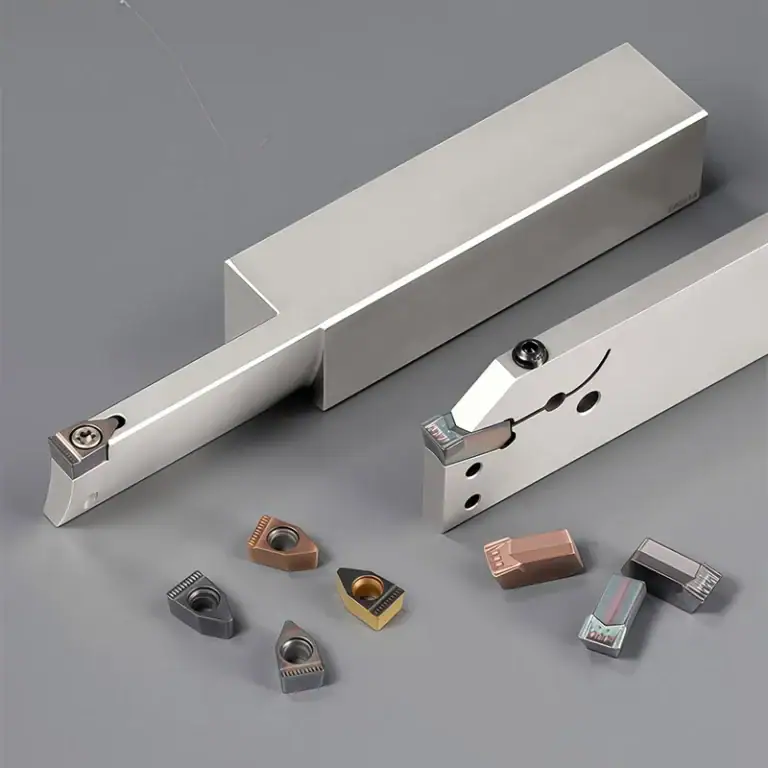
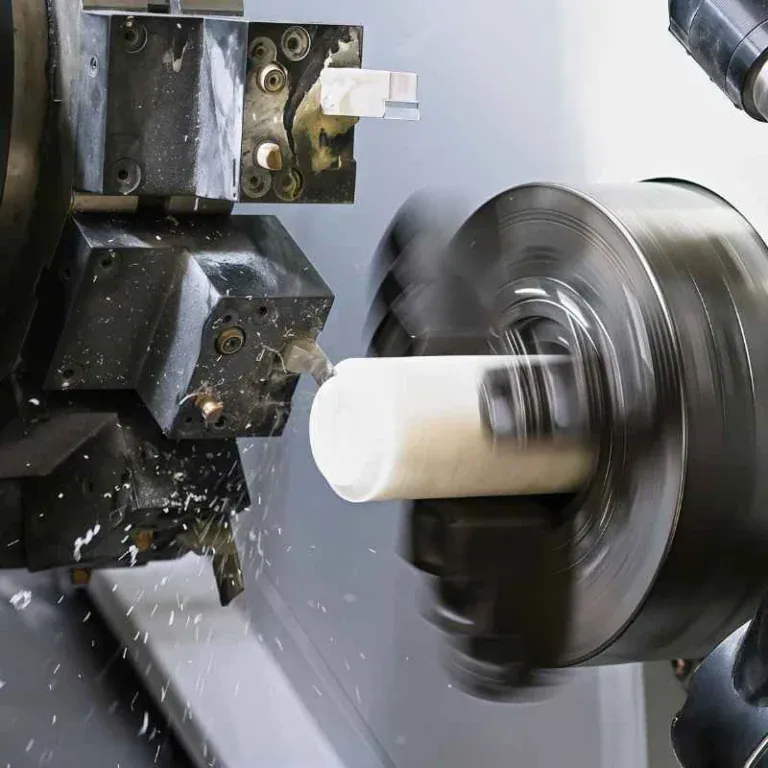
CNC turning operations typically include external turning, facing, grooving, parting, threading, and internal boring. Each operation has different requirements for tool geometry, cutting-edge strength, and machining stability. Understanding common tool types helps engineers develop more efficient machining processes.

External Turning and Finishing Tools
External turning tools are used to machine outside diameters, stepped surfaces, and end faces. They are widely used in shaft manufacturing. Roughing tools remove excess material efficiently, while finishing tools achieve the required dimensional tolerances and surface roughness.
When selecting these tools, consider the nose radius, insert shape, tool-holder rigidity, and cutting parameters. A larger nose radius may improve surface finish but can also increase cutting forces. The appropriate size depends on workpiece rigidity and machining requirements. Long shafts and thin-walled parts require particular attention to vibration and deformation.
Grooving and Parting Tools
Grooving tools machine external grooves, internal grooves, and sealing grooves. Parting tools separate finished components from bar stock. These tools often have narrow cutting edges and are sensitive to tool alignment, holder rigidity, and chip evacuation.
- Grooving tools: Select inserts according to groove width, depth, and bottom geometry to ensure proper access to the target area.
- Parting tools: Keep tool overhang appropriate and adjust cutting parameters according to the material and bar diameter.
- Internal grooving tools: Check tool-holder dimensions and available machining space to prevent interference with the bore walls.
Choosing suitable grooving and parting tools improves machining stability and reduces the risk of burrs, tool damage, and scrapped parts.
Threading Tools and Boring Bars
Threading tools produce internal and external threads for threaded fittings, fasteners, pipe components, and mechanical connections. Tool selection should account for thread standards, pitch, profile angle, and material properties. Checking the machining program and performing a trial cut can help prevent thread dimensional errors.
Boring bars are used to enlarge and finish existing holes. For deep holes or small-diameter bores, tool-bar rigidity, overhang length, and chip evacuation require particular attention. Proper boring tool selection helps control internal diameter, roundness, and surface finish to meet precision assembly requirements.
How to Improve CNC Turning Tool Performance
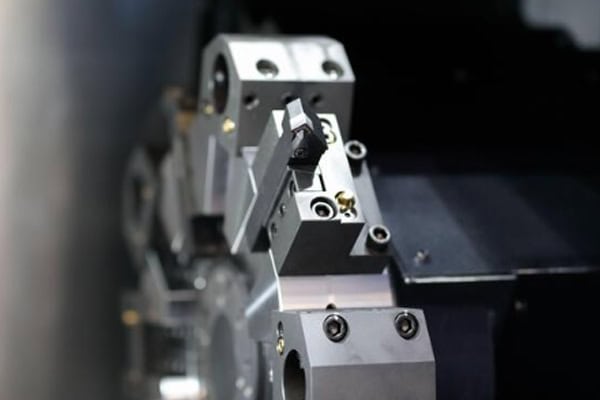
Suitable tools deliver the best results when combined with correct operating practices. Optimizing cutting parameters, inspecting tool conditions regularly, and maintaining a clean machining environment can reduce downtime and improve production efficiency.
Optimize Cutting Parameters
Cutting speed, feed rate, and depth of cut should be adjusted according to the workpiece material, insert grade, component rigidity, and surface finish requirements. Excessive parameters can cause overheating, accelerated tool wear, or vibration. Parameters that are too conservative may extend machining time and reduce machine utilization.
- Roughing: Increase material removal efficiency within the limits of machine rigidity and tool capability.
- Finishing: Focus on dimensional accuracy, surface quality, and cutting stability.
- Deep-hole machining: Adjust feed rates according to chip evacuation requirements and ensure that coolant reaches the cutting area effectively.
- Threading: Ensure that spindle speed, feed synchronization, and tool paths match the specified thread requirements.
Validating cutting parameters through trial machining and measurement helps reduce repeated setup adjustments and improve batch consistency.
Maintain and Replace Cutting Tools Properly
Tool wear affects dimensional accuracy, surface finish, and machining stability. A regular inspection routine helps identify damaged cutting edges, abnormal wear, and changes in cutting conditions.
- Inspect cutting edges regularly and replace inserts showing significant chipping or wear.
- Clean tool-clamping surfaces to prevent chips from affecting insert positioning.
- Record tool life and production quantities to establish suitable replacement intervals.
- Check coolant systems and chip conveyors to reduce machining problems caused by chip accumulation.
Effective tool management reduces unexpected downtime and rework while helping manufacturers control long-term production costs.
How to Choose a Reliable CNC Turning Service Provider
For businesses requiring custom precision components, the machining supplier usually selects tools based on the drawings, materials, and production requirements. Working with an experienced supplier helps balance machining efficiency, product quality, and manufacturing costs.
Verify Equipment and Machining Capabilities
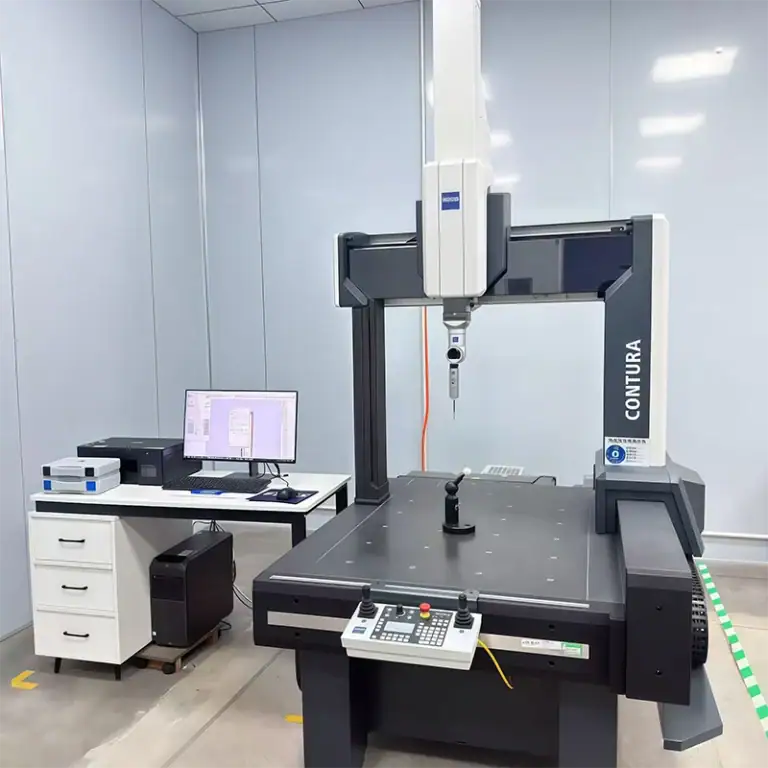
Buyers should check whether the supplier has CNC lathes suitable for the component dimensions and geometry, along with the necessary inspection equipment and quality-control procedures. For parts with deep holes, complex threads, or tight tolerances, confirm that the supplier has relevant machining experience.
Provide Complete Technical Documentation
When requesting a quotation, provide 3D models and engineering drawings, including material grades, critical dimensions, tolerances, surface treatment requirements, and order quantities. Complete documentation allows suppliers to evaluate tooling configurations, machining time, and inspection requirements more accurately, resulting in clearer quotations and more reliable delivery schedules.
Choosing a capable CNC machining supplier helps ensure that turned components meet specifications while reducing costs associated with design communication, process adjustments, and rework.
Choosing the right CNC turning tools requires consideration of material properties, part geometry, machining accuracy, and production efficiency. By selecting suitable tools, optimizing cutting parameters, and maintaining equipment properly, manufacturers can improve component quality, extend tool life, and control production costs. Businesses seeking custom machining services can accelerate the selection process by providing complete engineering drawings and consulting with an experienced supplier.