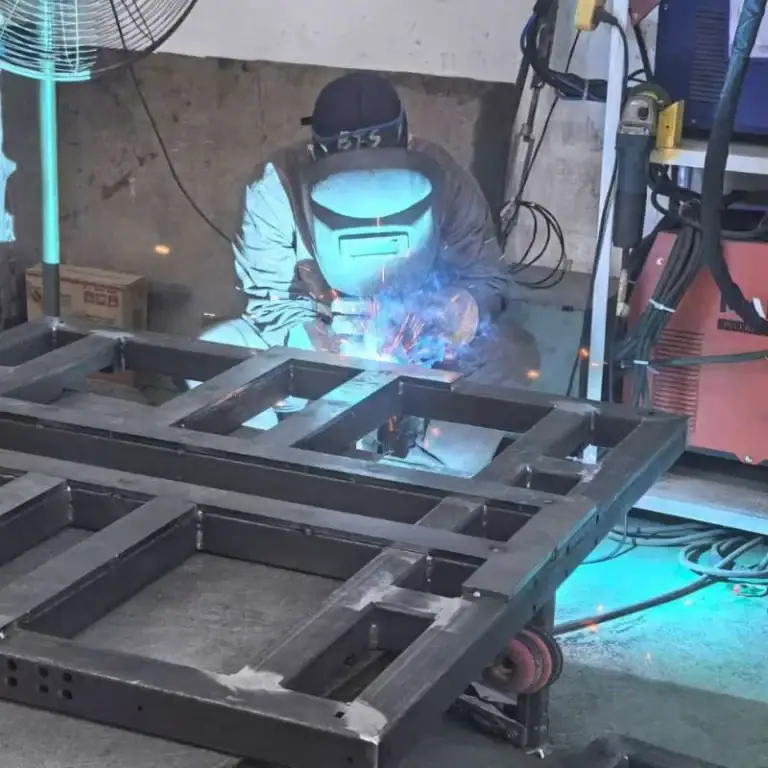
Metal fabrication is a fundamental manufacturing process that transforms raw metal materials into functional parts and structures through cutting, bending, and assembly. From bridges and vehicles to industrial machinery, fabricated
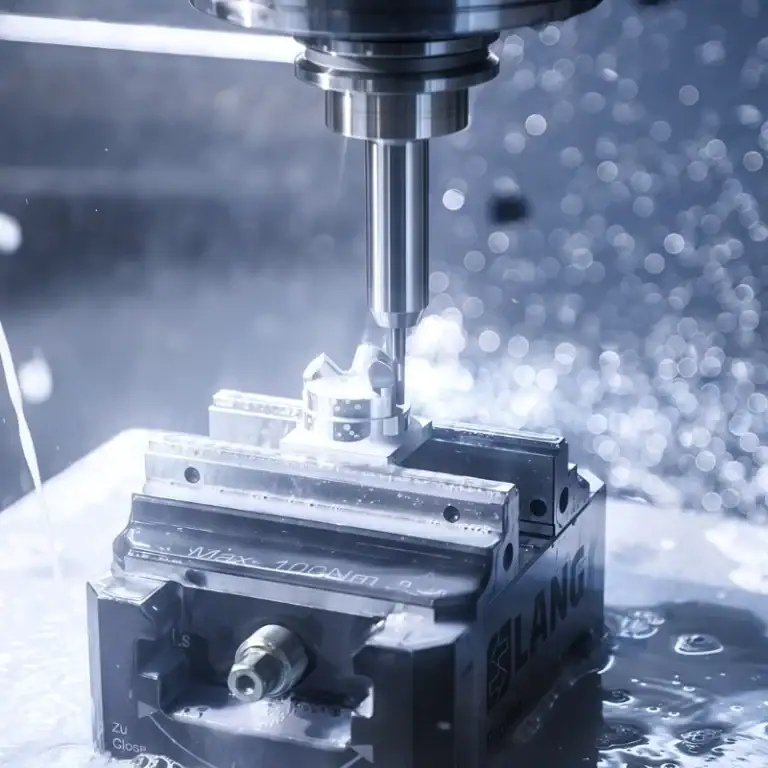
Electronics machining is the precision manufacturing of metal and plastic parts used in electronic products, assemblies, and equipment. It commonly involves CNC milling, turning, Swiss machining, micromachining, and related processes
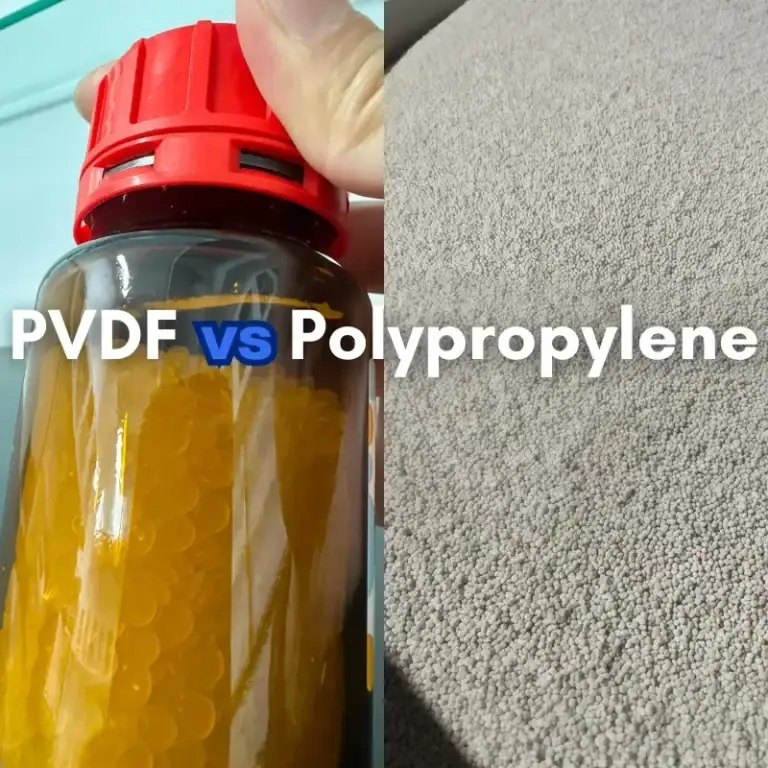
PVDF vs polypropylene is an important material comparison for chemical processing, fluid handling, industrial equipment, and custom plastic parts. PVDF is often selected for stronger chemical resistance, better heat performance,
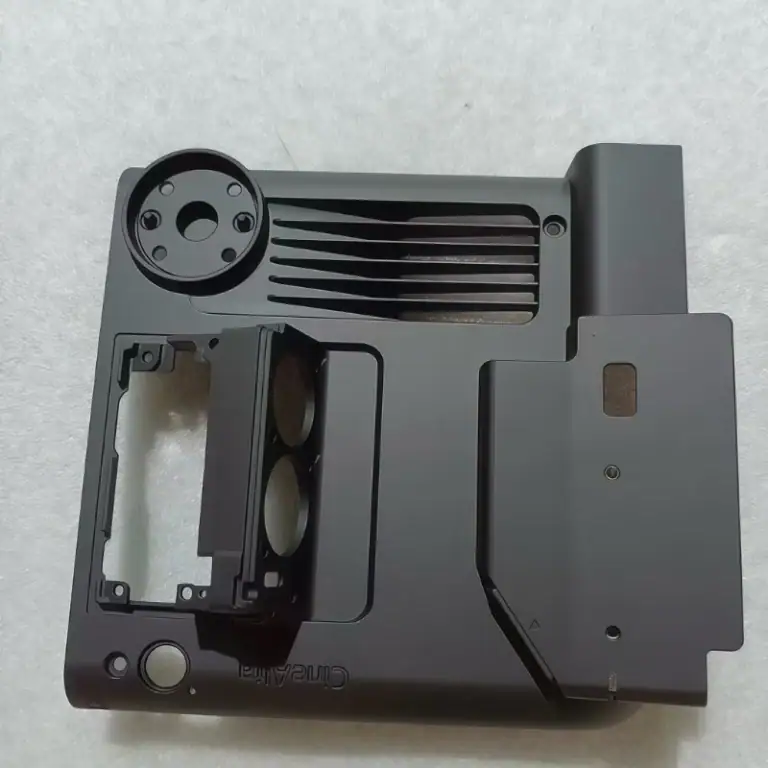
Surface finishing is a key step in manufacturing because it affects how a part looks, feels, fits, and performs in real working conditions. For CNC machined parts, the right surface
Delrin machining is widely used for precision plastic parts that require low friction, good wear resistance, stable dimensions, and clean CNC machining performance. Delrin is often selected for gears, bushings,
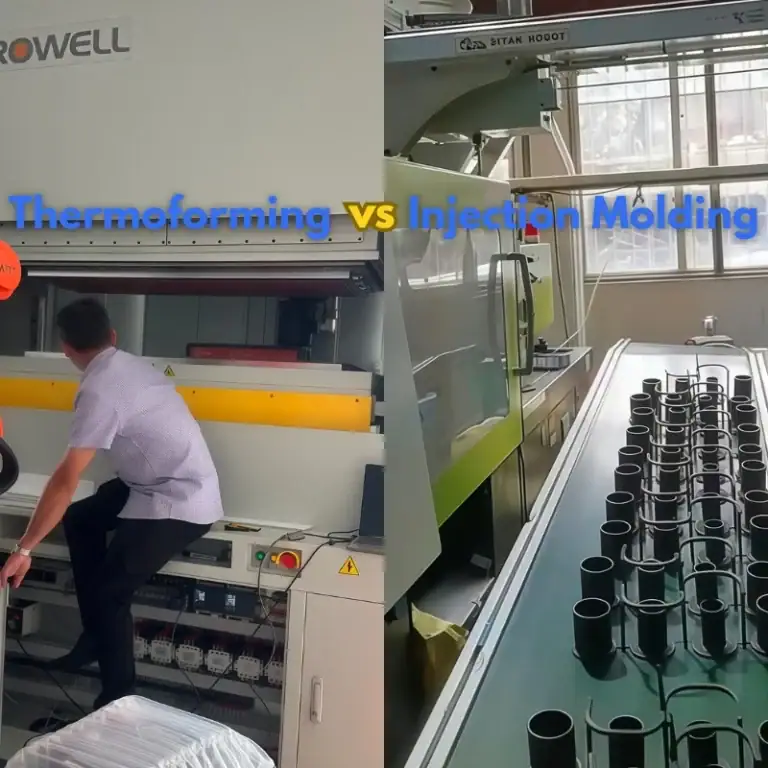
Thermoforming vs injection molding is a common manufacturing comparison when engineers need to choose the right plastic part production method. Both processes can produce functional thermoplastic parts, but they use
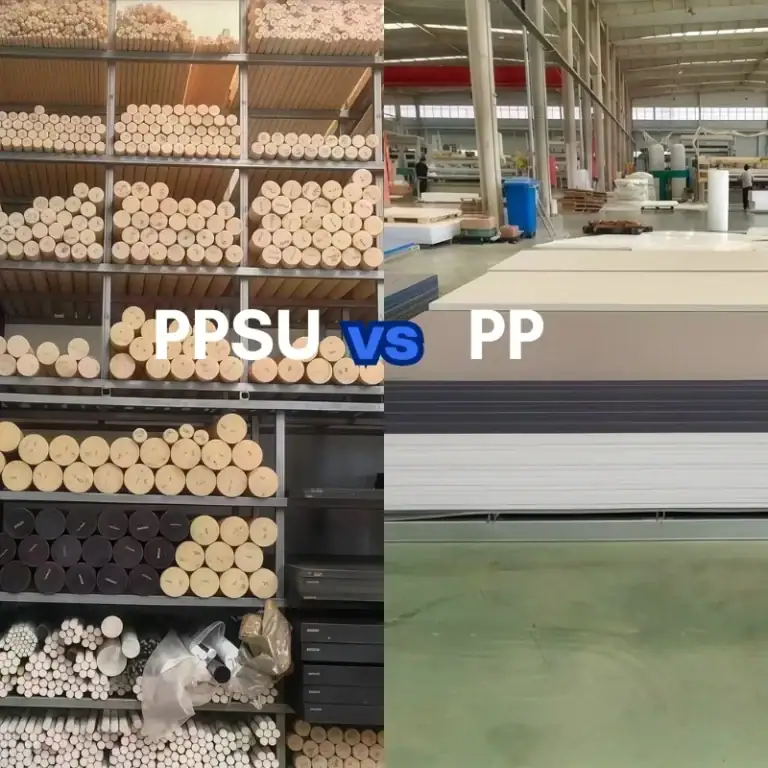
PPSU vs PP is a common material comparison for baby care products, medical devices, food-contact parts, and industrial plastic components. PP is lightweight and cost-effective, while PPSU offers higher heat
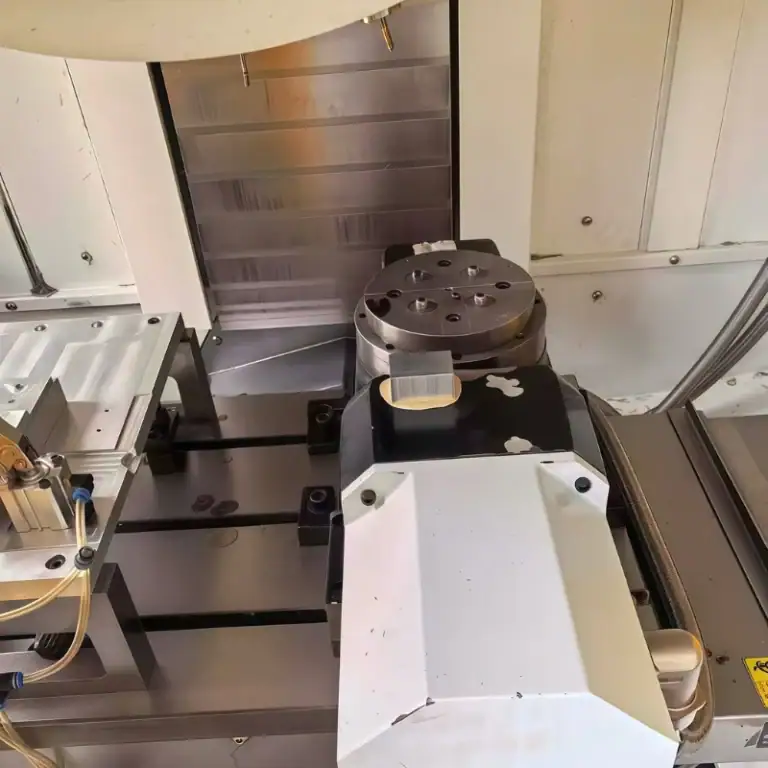
4 axis CNC machining gives manufacturers a practical way to machine parts with side features, angled details, and cylindrical surfaces without relying on repeated manual setups. It is often used
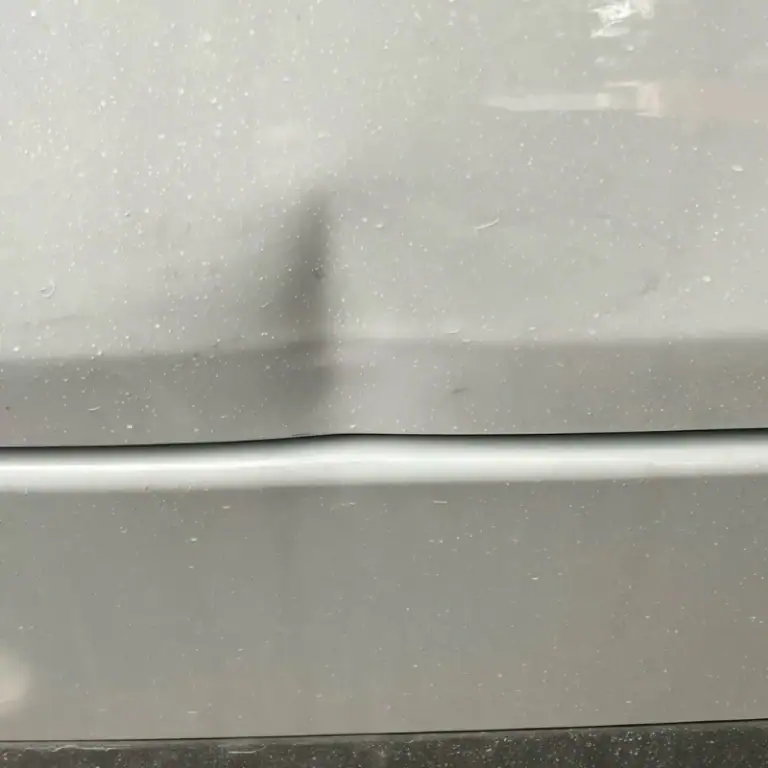
A sink mark is a visible depression or shallow dimple that forms on the surface of an injection molded plastic part. It usually appears above thick sections, ribs, bosses, internal
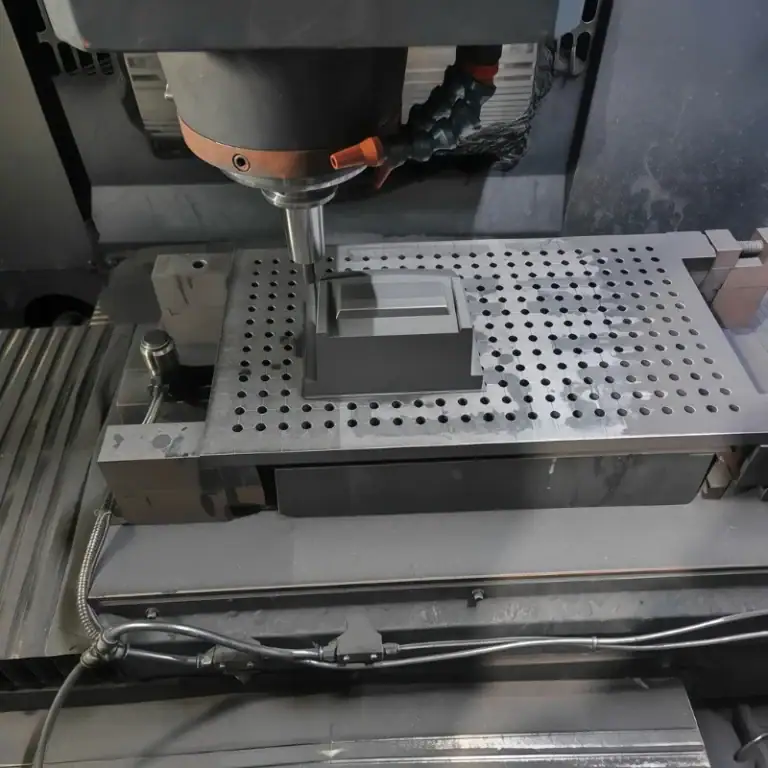
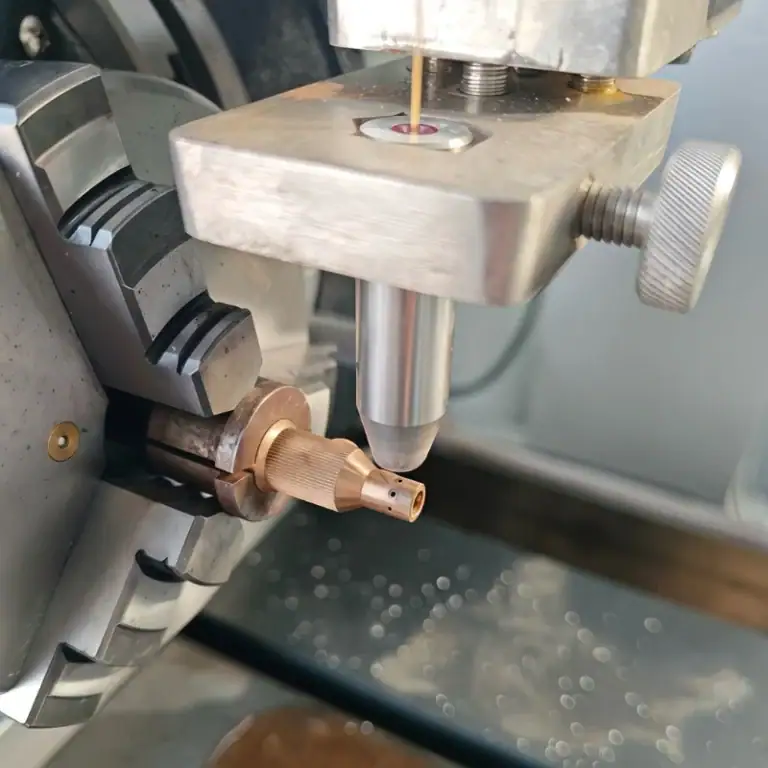
Electrode machining is a precision manufacturing process used to produce electrodes for EDM, mold making, die sinking, micro features, and complex tooling work. A well-machined electrode helps transfer accurate geometry
CNC drilling is a precision machining process used to create accurate holes in metal and engineering plastic parts. It is common in brackets, housings, manifolds, fixtures, heat sinks, and assemblies
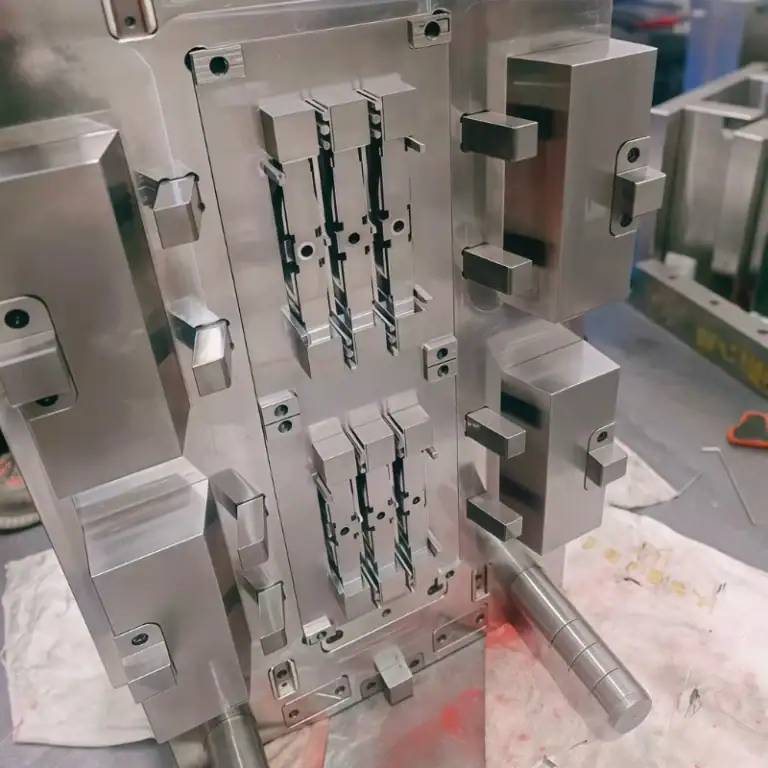
A mold core is a precision mold component used to form internal features, recessed areas, holes, ribs, bosses, threads, and complex geometry in molded or cast parts. In injection molding,
Scroll to Top
Your 24 hour quote
Send us a message if you have any questions or request a quote. We will be back to you within 1-2 hours!