5083 vs 5086 aluminum is a comparison between two marine-grade 5000 series aluminum-magnesium alloys used for shipbuilding, offshore structures, welded assemblies, and corrosion-resistant industrial parts. 5083 aluminum is usually preferred when higher strength, stronger welded joints, and critical structural performance matter, while 5086 aluminum is often chosen when good weldability, formability, corrosion resistance, and cost control are more important.
This guide explains the main differences between 5083 and 5086 aluminum, including alloy composition, strength, corrosion resistance, welding behavior, fabrication performance, cost, marine applications, and selection logic.
What Is 5083 Aluminum?
5083 aluminum is a high-strength 5000 series aluminum-magnesium alloy used for demanding marine, cryogenic, pressure vessel, and structural applications. It usually contains about 4.0–4.9% magnesium and about 0.4–1.0% manganese, which helps improve strength, toughness, and corrosion resistance in marine service.
5083 aluminum is often used in ship hulls, decks, offshore platforms, pressure vessels, tanks, LNG-related equipment, and heavy-duty welded structures. In H116 temper, it can reach about 317MPa tensile strength and 228MPa yield strength, giving it a stronger structural margin than 5086-H116 in many marine comparisons.
- Suitable for primary load-bearing marine structures where strength and safety margin are important.
- Often specified in H116 or H321 temper for shipbuilding and offshore plate applications.
- Performs well in low-temperature environments, including LNG and cryogenic equipment.
- Better for heavy-duty welded assemblies that need higher post-weld structural reliability.
- Commonly supplied as marine-grade aluminum plate, thick sheet, and structural stock.
- Requires proper welding heat control to reduce distortion in thick plates and large panels.
What Is 5086 Aluminum?
5086 aluminum is a marine-grade 5000 series aluminum-magnesium alloy known for corrosion resistance, weldability, and good formability. It generally has slightly lower magnesium and manganese content than 5083, so it is usually a little less strong but easier to form, bend, and fabricate into complex shapes.
5086 aluminum is commonly used for hull panels, decks, superstructures, small boats, yachts, marine fittings, tank trailers, walkways, grating, and secondary structures. It is useful when the project needs reliable marine performance but does not require the maximum strength margin of 5083 aluminum.
- Suitable for formed marine panels, curved structures, and parts with more complex geometry.
- Often chosen when fabrication efficiency and weldability matter more than maximum strength.
- Performs well in decks, superstructures, fittings, walkways, and secondary marine structures.
- Usually offers better cost control for non-critical marine and industrial components.
- Easier to bend and shape than 5083 in many fabrication conditions.
- Useful for projects that need corrosion resistance, moderate strength, and practical production cost.
5083 Vs 5086 Aluminum Quick Comparison Table
5083 vs 5086 aluminum quick comparison shows that 5083 is stronger and better for critical structures, while 5086 is more formable, cost-effective, and suitable for many welded marine components.
| Comparison Item | 5083 Aluminum | 5086 Aluminum |
| Alloy family | 5000 series Al-Mg | 5000 series Al-Mg |
| Heat treatment | Non-heat-treatable | Non-heat-treatable |
| Typical Mg content | About4.0–4.9% | About3.5–4.5% |
| Strength | Higher | Slightly lower |
| H116 tensile strength example | About317MPa | About290MPa |
| H116 yield strength example | About228MPa | About207MPa |
| Weldability | Excellent | Excellent, often easier for complex welds |
| Welded joint strength | Higher in many comparisons | Lower but reliable |
| Formability | Good | Slightly better |
| Marine corrosion resistance | Excellent | Excellent |
| Cost | Usually higher | Usually lower |
| Best for | Hulls, pressure vessels, offshore structures | Panels, decks, fittings, secondary structures |
| Main selection logic | Strength and long-term durability | Formability, weldability, and cost control |
Chemical Composition Comparison
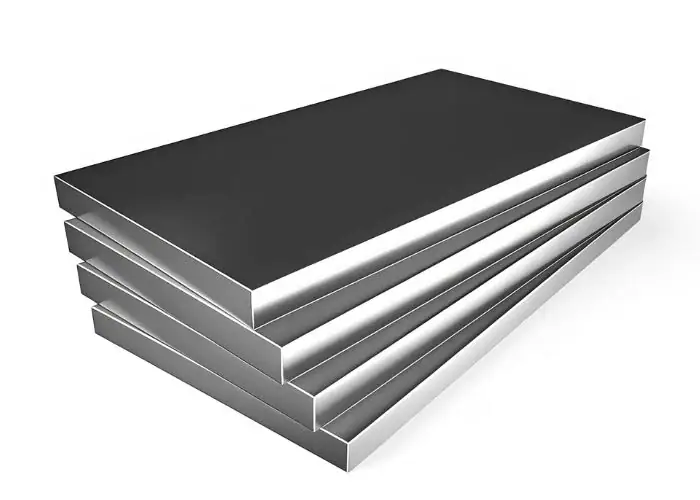
Chemical composition explains why 5083 and 5086 behave differently in strength, welding, corrosion resistance, and forming. Both alloys are aluminum-magnesium materials, but 5083 usually has higher magnesium and manganese content, which supports higher strength and toughness.
| Element / Feature | 5083 Aluminum | 5086 Aluminum | Practical Meaning |
| Alloy series | 5xxx Al-Mg | 5xxx Al-Mg | Both are marine aluminum alloys |
| Magnesium | About4.0–4.9% | About3.5–4.5% | 5083 usually has higher strength |
| Manganese | About0.4–1.0% | About0.2–0.7% | 5083 has stronger grain/toughness support |
| Chromium | About0.05–0.25% | About0.05–0.25% | Helps corrosion resistance |
| Heat treatment | Non-heat-treatable | Non-heat-treatable | Strength depends on strain hardening and temper |
| Main result | Higher strength | Better formability and value | Choose based on load and fabrication route |
Magnesium Content Difference
The magnesium content difference is one of the most important reasons 5083 aluminum is usually stronger than 5086 aluminum. Worthwill lists 5083 magnesium at4.0–4.9% and 5086 magnesium at3.5–4.5%, and explains that the higher average magnesium content helps drive 5083’s strength advantage.
For engineering use, higher magnesium helps improve strain-hardened strength and marine performance. However, higher alloying content can also make the material slightly less forgiving during forming, so bending and fabrication plans should be checked early.
Manganese And Chromium Effects
Manganese and chromium help control grain structure, toughness, corrosion behavior, and welded performance in 5083 and 5086 aluminum. Worthwill lists manganese at0.4–1.0% for 5083 and0.2–0.7% for 5086, while chromium is similar at0.05–0.25% for both alloys.
This difference supports 5083’s stronger mechanical profile. For parts exposed to vibration, structural loading, impact, or pressure, composition is one reason 5083 is frequently used in more demanding marine and industrial structures.
How Composition Affects Strength, Welding, And Corrosion Resistance
Composition affects strength, welding, and corrosion resistance by changing how the alloy hardens, how it behaves in the weld zone, and how it resists chloride attack. 5083’s higher magnesium and manganese support higher strength, while 5086’s slightly lower alloying level can support easier forming and fabrication.
In welded marine structures, the alloy must resist cracking, corrosion, distortion, and strength loss around the heat-affected zone. This is why material choice should be made together with weld design, filler selection, thickness, and service environment.
Mechanical Properties Comparison
Mechanical properties comparison shows that 5083 aluminum usually has the strength advantage, while 5086 aluminum remains strong enough for many marine and fabricated structures. The difference is not dramatic in every temper, but it becomes important in hulls, pressure vessels, offshore structures, and critical load-bearing parts.
Strength And Durability
5083 aluminum generally provides better strength and durability than 5086 aluminum in many marine temper comparisons. Mingtai lists 5083 at about317MPa tensile strength and228MPa yield strength, while 5086 is listed at about260MPa tensile strength and195MPa yield strength in its comparison.
Worthwill’s H116 comparison also shows 5083-H116 stronger than 5086-H116, with about317MPa tensile strength vs290MPa and228MPa yield strength vs207MPa. These values may vary by standard, temper, thickness, and supplier, but they show the typical engineering direction.
H116 Temper For Marine Hull Applications
H116 temper is commonly associated with marine hull plate applications because it supports corrosion resistance and structural reliability in marine environments. Worthwill compares H116 as a marine hull standard and lists 5083-H116 with higher strength than 5086-H116.
For underwater hulls, load-bearing decks, and primary structural areas, this strength difference can matter. 5083-H116 may allow a stronger safety margin, while 5086-H116 may still be suitable for less demanding areas or when forming and cost are more important.
H32 Temper For General Fabrication
H32 temper is commonly used for general fabrication, decks, superstructures, tanks, and formed parts. Worthwill compares 5083-H32 at about330MPa tensile strength and 5086-H32 at about300MPa, while listing formability as virtually identical in that comparison.
In practical fabrication, H32 selection should be checked against bend radius, welding sequence, and part geometry. If the part has complex bends or lower structural load, 5086-H32 can be a cost-effective option.
Formability And Fatigue Resistance
5086 aluminum usually has slightly better formability, while 5083 aluminum usually provides a stronger structural margin. Mingtai lists elongation of 5086 as12–20% and 5083 as12–16%, supporting the view that 5086 can be easier to bend, roll, and form.
For fatigue resistance, the right alloy depends on both data and design details. Radius design, weld quality, surface finish, tool marks, vibration level, and stress concentration can matter as much as base material strength.
Toughness And Long-Term Structural Performance
5083 aluminum is usually better for long-term structural performance when higher load, impact, fatigue, and safety margin are important. Its higher strength makes it suitable for hull plating, pressure vessels, offshore platforms, and heavy-duty marine structures.
5086 aluminum still provides reliable toughness for many marine and industrial applications. It is often a practical choice for secondary structures, formed panels, decks, workboats, cabinets, walkways, and parts where extreme strength is not the main requirement.
Corrosion Resistance In Marine Environments
Corrosion resistance in marine environments is excellent for both 5083 and 5086 aluminum. Both alloys are designed for saltwater, marine atmosphere, moisture, and welded aluminum structures, but small differences may appear depending on test method, temper, exposure, and weld condition.
Saltwater Corrosion Resistance
5083 and 5086 both resist saltwater corrosion because they use magnesium-based strengthening rather than copper-rich chemistry. Worthwill states that both are marine-grade alloys that form a robust oxide layer against chloride attack.
In severe seawater service, 5083 is often selected for critical hull and offshore structures because it combines corrosion resistance with higher strength. For splash-zone, deck, fitting, and secondary marine parts, 5086 can also provide strong practical corrosion resistance.
Stress Corrosion Cracking Resistance
Stress corrosion cracking resistance is important when aluminum parts face tensile stress and corrosive marine exposure at the same time. Dongmeng describes both alloys as excellent for marine service and notes that 5086 may offer slightly better corrosion performance in welded joints under extreme seawater exposure.
For welded structures, designers should control residual stress, avoid sharp corners, use proper filler material, manage heat input, and inspect critical welds. Material selection alone cannot prevent stress-related failures if the design or welding process is poor.
Long-Term Marine Exposure
Long-term marine exposure favors alloys that combine corrosion resistance, welded reliability, strength, and good maintenance planning. Worthwill reports a comparison where 5083 shows lower pitting and mass loss than 5086 in a salt spray test, while also noting that 5086 is still adequate for most applications.
For vessels, offshore equipment, and coastal structures, the difference becomes more important when parts stay submerged, face abrasion, or operate in polluted harbors. For lighter exposure or secondary structures, 5086 may provide enough durability at a lower cost.
Surface Protection And Maintenance Considerations
Surface protection and maintenance improve the service life of both 5083 and 5086 aluminum. Marine-grade paint, anodizing where appropriate, proper cleaning, isolation from dissimilar metals, and good drainage design can reduce corrosion risk after fabrication.
Before welding or coating, surfaces should be cleaned to remove oils, oxides, and contamination. Mingtai highlights surface cleaning and coatings such as anodizing or marine-grade paints as practical steps to keep corrosion under control after shaping and fabrication.
What Processing Methods Are Used For 5083 And 5086 Aluminum?
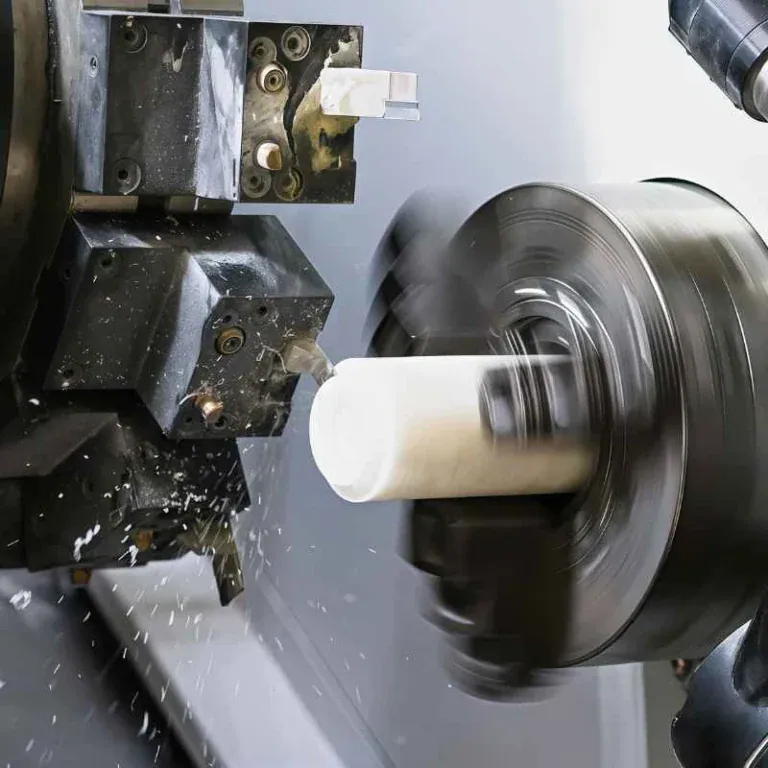
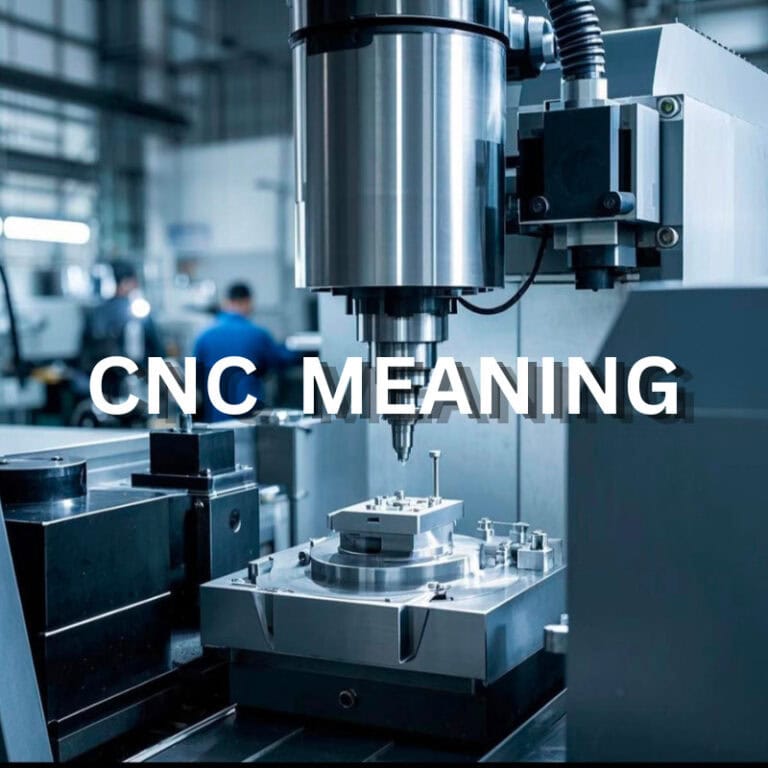
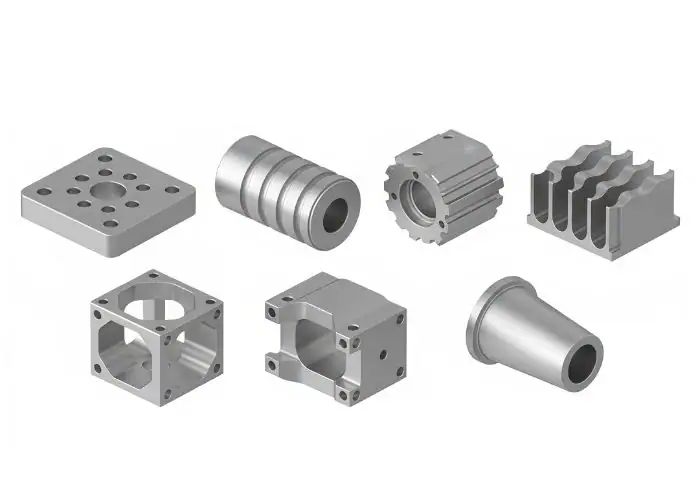
5083 and 5086 aluminum can be processed by CNC machining, cutting, forming, bending, welding, surface finishing, and assembly. 5083 is usually better for high-strength machined plates and structural marine components, while 5086 is usually easier to bend, form, weld, and fabricate into complex shapes.
CNC Machining
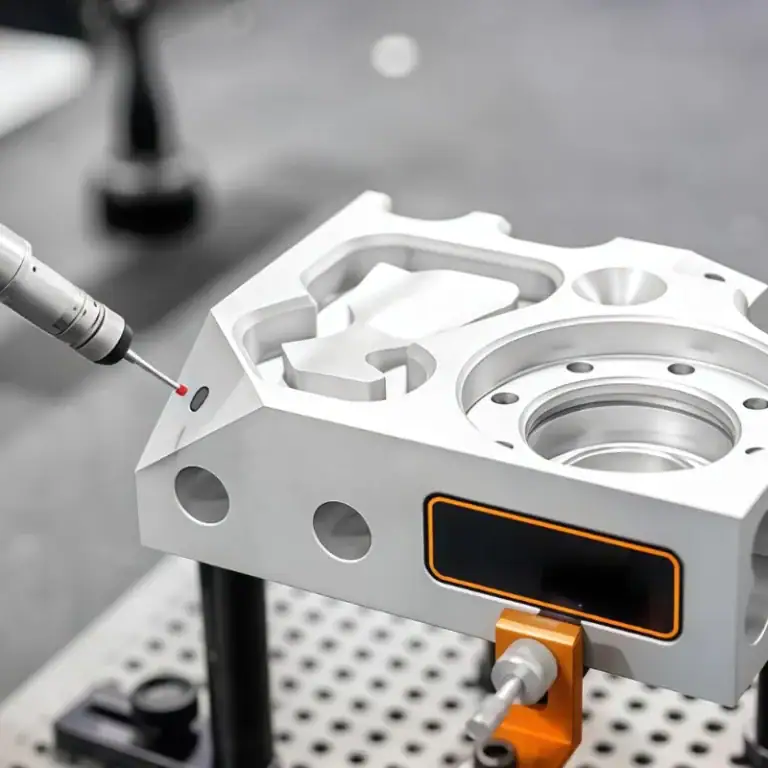
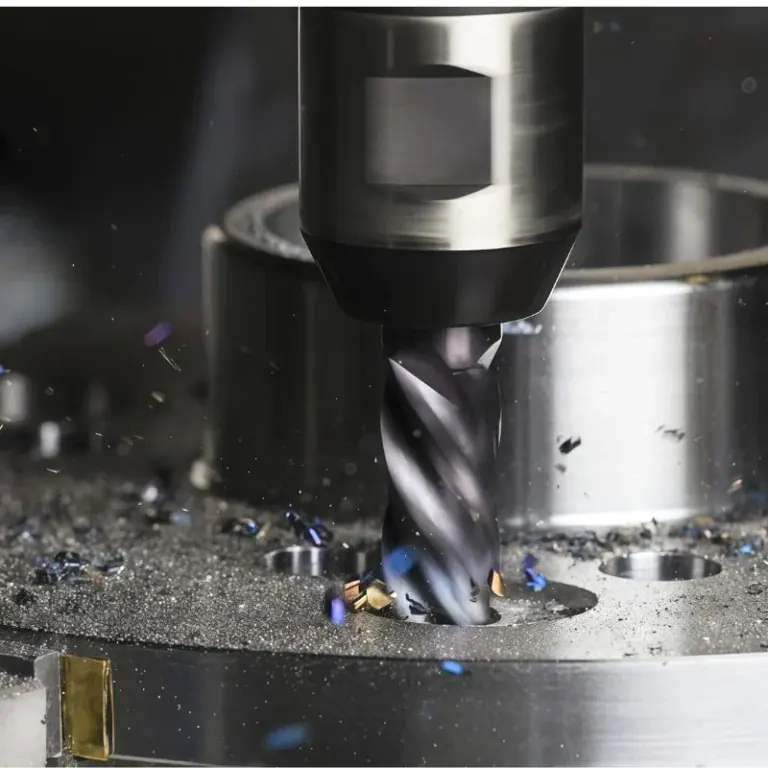
CNC machining is used for 5083 and 5086 aluminum parts that require holes, pockets, slots, flat surfaces, threads, and precision mounting features. 5083 is often selected for machined marine parts that need higher strength and corrosion resistance, while 5086 may be used for lighter machined components with moderate load requirements.
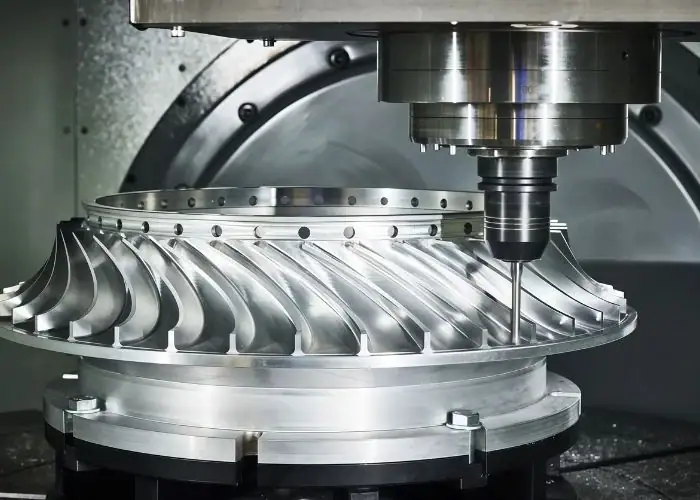
For CNC milling, drilling, tapping, and 5-axis CNC machining, sharp tools, stable clamping, proper coolant, and strong chip evacuation are important. Complex parts such as multi-angle brackets, curved housings, deep pockets, and precision mounting plates should be reviewed for machining stability, dimensional accuracy, surface finish, and post-machining distortion risk.
Cutting And Shaping
Cutting and shaping are common processing methods for both 5083 and 5086 aluminum. These alloys can be processed by sawing, waterjet cutting, laser cutting, plasma cutting, mechanical cutting, and blank preparation before welding or forming.
5083 has higher strength, so thick 5083 plate may require better edge control and more stable cutting conditions. 5086 is usually easier to shape, especially for curved panels, formed edges, marine covers, and secondary structural parts.
Forming And Bending
Forming and bending are more suitable for 5086 aluminum when the part has curved surfaces, complex bends, or fabricated sheet and plate geometry. 5086 usually has better fabrication flexibility, making it practical for decks, superstructures, formed covers, hull panels, and welded assemblies.
5083 can also be formed, but it is less forgiving in thick plate or high-strength tempers. When using 5083 for bent parts, engineers should confirm bend radius, grain direction, temper, springback, tooling pressure, and cracking risk before production.
Welding And Assembly
Welding and assembly are key processing methods for both 5083 and 5086 aluminum because they are widely used in marine welded structures. 5083 is usually better when the welded part needs higher strength, while 5086 is often easier for complex welded assemblies with bends, seams, panels, and secondary structures.
During welding, heat input, weld sequence, fixture support, filler material, and distortion control should be planned before production. Thick 5083 plates may require stricter control to reduce warping, while thinner or formed 5086 sections may be easier to fit, weld, and assemble.
Surface Treatment And Finishing
Surface treatment and finishing are used to improve corrosion resistance, appearance, handling protection, and service life for 5083 and 5086 aluminum parts. Common options include cleaning, brushing, polishing, painting, marine coating, anodizing in suitable cases, and protective packaging.
For marine applications, surface preparation is especially important. Saltwater exposure, galvanic contact, coating adhesion, weld cleaning, edge condition, and inspection requirements should be controlled to improve long-term performance.
Which Processing Method Is Better For 5083 And 5086 Aluminum?
The best processing method for 5083 and 5086 aluminum depends on whether the part needs strength, corrosion resistance, forming ability, welding reliability, or precision machining. 5083 is better for high-strength CNC machined plates, hull structures, pressure vessels, offshore parts, and heavy welded components.
5086 is better for formed panels, decks, superstructures, walkways, fittings, welded covers, and cost-effective marine fabrication. If the project requires complex CNC machining but only limited seawater exposure, 6061 may also be reviewed, but for marine environments, 5083 and 5086 remain stronger corrosion-resistant choices.
Cryogenic Performance And LNG Applications
Cryogenic performance is one reason 5083 and 5086 aluminum are used in LNG, low-temperature equipment, and specialized marine service. Both alloys can retain useful toughness at low temperatures, which makes them important alternatives to materials that become brittle in cryogenic conditions.
Low-Temperature Toughness
Low-temperature toughness is strong for both 5083 and 5086 aluminum. Worthwill states that both alloys are approved for cryogenic service at -162°C / -260°F for LNG transport and that they gain strength while retaining ductility at cryogenic temperatures.
This behavior makes aluminum useful in LNG storage, transport, and equipment systems. For critical cryogenic projects, buyers should confirm alloy, temper, standard, certificate, welding procedure, and inspection plan before production.
LNG Storage And Transport Applications
5083 aluminum is commonly associated with LNG tanks, cryogenic equipment, pressure vessels, and structural components that need higher strength. 5086 may be considered where fracture toughness, forming, or cost priorities matter in lower-risk sections.
Exceed Metal states that 5086 is used for cryogenic storage tanks and piping systems, while other sources emphasize 5083’s strength advantage in LNG-related applications. This shows why project specifications and engineering approval should guide final selection.
When Cryogenic Performance Matters In Material Selection
Cryogenic performance matters when the part will contact LNG, low-temperature gases, cold storage systems, or low-temperature marine environments. In these cases, room-temperature strength data alone is not enough.
Engineers should review impact toughness, weld procedure qualification, allowable stress, inspection requirements, corrosion conditions, and code compliance. For cryogenic service, material certificates and qualified suppliers are essential.
Best Uses Of 5083 Aluminum
5083 aluminum is best used for high-strength marine, structural, cryogenic, and heavy welded applications. It is usually preferred when the project needs higher strength, stronger weld performance, long-term durability, and a stronger safety margin.
Ship Hulls And Decks
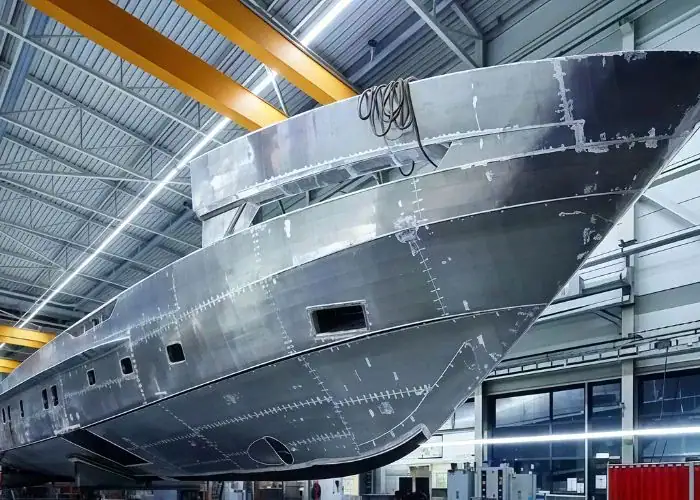
5083 aluminum is widely used for ship hulls and decks because it combines high strength, marine corrosion resistance, and good welded performance. Ye Fong states that 5083-H116 and 5083-H321 are standard specifications for structural hull plating on commercial and naval vessels.
For hull plates, the material must resist waves, impact, vibration, saltwater, and weld stress. 5083’s higher strength makes it a strong choice for primary structures and long-service vessels.
Marine Structural Components
5083 aluminum is suitable for marine structural components that must carry load and resist long-term seawater exposure. Common examples include bulkheads, frames, reinforced decks, support members, marine platforms, and load-bearing panels.
In high-stress marine parts, the small extra cost of 5083 can be justified by better strength margin. This is especially true where failure would create safety, downtime, or inspection risk.
LNG And Cryogenic Equipment
5083 aluminum is suitable for LNG and cryogenic equipment because it maintains useful toughness and strength at very low temperatures. Worthwill notes that 5083 is widely used in cryogenic service due to its higher strength.
Typical uses may include LNG tanks, low-temperature vessels, cryogenic piping support, and specialized transportation equipment. These applications require strict standards, qualified welding, and full material traceability.
Heavy-Duty Welded Structures
5083 aluminum is best for heavy-duty welded structures when the weld must retain higher strength and the base plate must carry structural load. Worthwill lists stronger typical weld tensile values for 5083 than 5086, giving 5083 a better safety margin in critical welded joints.
This makes 5083 useful for pressure vessels, offshore frames, heavy tanks, impact-resistant structures, and long-service marine assemblies. Heat control and distortion planning remain important even with a strong alloy.
Offshore And Industrial Applications
5083 aluminum is used in offshore and industrial applications because it provides strength, corrosion resistance, and durability. Worthwill recommends 5083 for offshore platforms and pressure vessels where primary structural members need maximum safety margin.
It can also be used in chemical equipment, industrial tanks, marine platforms, and heavy equipment panels. The final choice should consider load, corrosion, welding, inspection, and lifecycle cost.
Best Uses Of 5086 Aluminum
5086 aluminum is best used for marine and industrial parts that need corrosion resistance, weldability, formability, and cost-effective fabrication rather than maximum strength. It is a practical choice for secondary structures, panels, formed sections, and moderately loaded welded components.
Marine Hulls And Superstructures
5086 aluminum can be used for marine hull panels and superstructures when the design requires good corrosion resistance, easy welding, and controlled cost. Dongmeng lists 5086 applications including small boats, yachts, hull panels, marine structures, and coastal decking or fittings.
For primary high-load hull structures, 5083 is often preferred. For lighter sections, 5086 can provide enough strength while improving forming and fabrication efficiency.
Workboats And Patrol Vessels
5086 aluminum is suitable for workboats, patrol vessels, barges, and general service marine parts when the required design life and load level do not demand the highest 5083 strength. Worthwill describes 5086 as often sufficient for workboats and easy repair.
This makes 5086 a practical value choice for many real-world vessels. It offers marine corrosion resistance and weldability while keeping material cost under better control.
Welded Marine Fabrications
5086 aluminum is a good choice for welded marine fabrications that include formed panels, fittings, decks, cabinets, walkways, and superstructure components. Its forming and welding behavior can reduce fabrication difficulty.
For complex weld geometries, 5086 may be easier to process than 5083. This is useful when a part has many bends, seams, or secondary welded details but does not carry the highest structural load.
Industrial And Offshore Structures
5086 aluminum can be used for industrial and offshore structures where corrosion resistance and moderate strength are required. Worthwill lists 5086 for walkways, grating, tank trailers, and secondary structures because it is cost-effective and sufficiently durable.
It is also useful for coastal equipment, access platforms, cabinets, panels, and tanks. For critical load-bearing offshore members, 5083 may still be the safer material.
Applications Requiring Better Formability
5086 aluminum is preferred when better formability is important. It is often more forgiving in complex forming operations, making it useful for curved panels, shaped hull sections, bent covers, and fabricated sheet or plate assemblies.
When forming is difficult, a slightly less strong but more workable alloy can reduce cracking, scrap, rework, and welding distortion. This is one reason 5086 remains valuable in marine fabrication.
Cost And Availability Comparison
Cost and availability comparison shows that 5086 aluminum usually has a lower upfront material cost, while 5083 aluminum may provide better long-term value in demanding structural applications. The best economic choice depends on lifecycle, fabrication cost, performance risk, and availability.
Material Cost Difference
The material cost difference usually favors 5086 aluminum, while 5083 may cost more because of higher alloy content and stricter certification requirements in some tempers. Worthwill states that 5083 typically carries a3–8% price premium over 5086.
For buyers searching 5086 aluminum sheet prices, the actual price should be confirmed by alloy, temper, thickness, width, MOQ, certification, surface condition, and current market aluminum price. A lower material price may not always mean lower total project cost.
Processing And Welding Cost
Processing and welding cost depends on forming complexity, plate thickness, weld length, distortion control, cutting method, fixture design, inspection, and rework risk. 5086 may reduce fabrication difficulty in formed and complex welded parts, while 5083 may reduce structural risk in high-load parts.
A project with many complex bends may cost less with 5086 because it forms more easily. A project with high structural load may cost less over time with 5083 because it provides higher strength margin and may reduce lifecycle risk.
Availability In Plates, Sheets, And Extrusions
Availability can strongly influence cost and lead time. Ye Fong notes that 5083 is significantly more widely available globally than 5086 and is often the default marine aluminum alloy in many markets.
This means 5083 may sometimes be easier to source in certified marine plate, while 5086 may be chosen when available in the required sheet size, plate thickness, or project specification. Always confirm stock, certificate, temper, and delivery time before final design approval.
Total Project Cost Considerations
Total project cost should include material cost, cutting, forming, welding, machining, distortion control, finishing, inspection, certification, transport, maintenance, and lifecycle risk. Worthwill notes that 5086 may be cheaper upfront, while 5083 can be a better long-term investment for assets with long service life.
For premium vessels, offshore structures, or long-life pressure equipment, 5083 can justify its higher price. For secondary structures, panels, and shorter lifecycle assets, 5086 can offer better immediate value.
How To Choose Between 5083 And 5086 Aluminum?
The choice between 5083 and 5086 aluminum should be based on strength requirements, welding needs, forming complexity, marine corrosion exposure, cost, availability, and project risk. 5083 is the high-performance choice, while 5086 is the practical value choice for many standard marine fabrications.
Choose Based On Strength Requirements
Choose based on strength requirements by selecting 5083 when the part must carry higher load, resist deformation, or serve as a critical structural member. 5083 has higher representative tensile and yield strength values in common H116 comparisons.
Select 5086 when the part is moderately loaded or used as a panel, deck, superstructure, fitting, walkway, or secondary welded section. In these cases, maximum strength may not be necessary.
Choose Based On Welding And Fabrication Needs
Choose based on welding and fabrication needs by selecting 5083 for stronger welded structural joints and selecting 5086 for complex welded shapes or more forgiving fabrication. Both alloys weld well, but they serve different priorities.
If the weld carries critical load, 5083 often gives a stronger safety margin. If the part has many bends, large panels, or complex weld geometry, 5086 may reduce fabrication problems.
Choose Based On Marine Corrosion Exposure
Choose based on marine corrosion exposure by selecting 5083 for severe immersion, high-load seawater structures, and long-life offshore service, while selecting 5086 for general marine exposure, splash-zone parts, and secondary structures.
Both alloys resist saltwater well, so corrosion alone may not decide the material. The better selection usually combines corrosion exposure with strength, weld design, maintenance access, and service life.
Choose Based On Formability And Part Geometry
Choose based on formability and part geometry by selecting 5086 when the part needs bending, rolling, shaping, or complex formed panels. Its slightly better ductility and forming behavior can reduce cracking and rework.
Choose 5083 when the geometry is simple enough to fabricate but the structure needs higher strength. This is common for thick plates, straight hull sections, pressure vessel parts, and offshore structural panels.
Choose Based On Cost, Availability, And Project Risk
Choose based on cost, availability, and project risk by comparing the full project cost, not only raw material price. 5086 often reduces upfront material cost, while 5083 may reduce long-term risk for premium or critical marine assets.
Also check stock availability. In some regions, 5083 may be easier to source in certified marine plate, while 5086 may be more practical in specific sheet or plate sizes.
FAQs
What Are The Differences In Welding Performance Between 5083 And 5086 Aluminum?
5083 and 5086 aluminum both have excellent weldability, especially with MIG and TIG welding. The main difference is welded strength and fabrication behavior. 5083 usually provides stronger welded joints, with typical weld tensile strength around285–300MPa, making it better for critical hulls, pressure vessels, and offshore structures. 5086 is often easier for complex welded shapes, formed panels, and secondary marine structures because it has better formability and lower distortion risk.
What Is The Difference Between Aluminium 6061 And 5083?
The main difference between aluminium 6061 and 5083 is alloy system, strength method, corrosion resistance, and application. 6061 is a heat-treatable 6000 series Al-Mg-Si alloy, often used for CNC machining, brackets, frames, and structural parts. 5083 is a non-heat-treatable 5000 series Al-Mg alloy with about4.0–4.9% magnesium, offering better seawater corrosion resistance and welded marine performance. 6061-T6 is easier to machine, while 5083 is better for marine welded structures.
Is 5083 Aluminum Marine Grade?
5083 aluminum is marine grade because it has excellent seawater corrosion resistance, good weldability, and high strength for shipbuilding and offshore applications. It belongs to the 5000 series aluminum-magnesium alloy family and usually contains about4.0–4.9% magnesium. In H116 temper, 5083 can reach about317MPa tensile strength and228MPa yield strength. It is widely used for hull plates, decks, pressure vessels, LNG equipment, marine structures, and heavy-duty welded components.
Is 5083 Aluminum Bendable?
5083 aluminum is bendable, but its bendability depends on temper, thickness, grain direction, bend radius, and forming method. Compared with 5086, 5083 is usually stronger and less forgiving during tight bending, especially in thick plate or harder tempers. For marine plates, a larger bend radius and proper tooling are often needed to reduce cracking risk. 5086 may be easier for complex curved panels, while 5083 is better when higher strength and corrosion resistance are required.
Conclusion
5083 and 5086 aluminum are both reliable marine-grade aluminum alloys, but they are not identical. 5083 is better when higher strength, stronger welded joints, long-term structural durability, and critical marine service are required. 5086 is better when the part needs good corrosion resistance, easier forming, excellent weldability, and lower upfront cost. The right choice depends on strength, corrosion exposure, welding design, forming complexity, cost, availability, and final application.
At TiRapid, we provide precision CNC machining and manufacturing services for custom aluminum parts across marine, industrial equipment, automation, aerospace, and transportation applications. If you are comparing 5083 vs 5086 aluminum for machined plates, welded components, marine parts, fixtures, housings, or prototypes, our team can support material selection, DFM review, CNC machining, surface finishing, tolerance control, and reliable low-volume production.