The chemical symbol for aluminum is Al, and its atomic number is 13. The symbol is the same whether the element is spelled “aluminum” in American English or “aluminium” in British and international English. Both names refer to exactly the same chemical element.
This guide explains what aluminum’s symbol is, why the symbol is Al, where aluminum appears on the periodic table, its main properties, and the difference between pure aluminum and aluminum alloys. It also explains how alloy numbers such as 6061, 2024, and 7075 relate to aluminum used in engineering and manufacturing.
What Is The Chemical Symbol For Aluminum?
The chemical symbol for aluminum is Al. The first letter is an uppercase A, and the second is a lowercase l.
Aluminum is element 13 on the periodic table. It belongs to Group 13 and Period 3, with an electron arrangement of 2, 8, 3. Its standard atomic weight is approximately 26.98.
| Property | Aluminum |
| Chemical Symbol | Al |
| Atomic Number | 13 |
| Standard Atomic Weight | About 26.98 |
| Group | 13 |
| Period | 3 |
| Electrons Per Shell | 2, 8, 3 |
| Element Type | Metal |
| Common Oxidation State | +3 |
It is important to distinguish Al from an aluminum alloy designation. Al represents the chemical element itself. Numbers such as 6061, 2024, and 7075 identify specific families and compositions of aluminum alloys used for engineering applications.
Why Is Aluminum’s Symbol Al?
The symbol Al comes from the historical name of the element. Although the English spelling developed in different ways, the chemical symbol remained the same.
Where Does The Symbol Al Come From?
The history of aluminum’s name goes back to alum and alumina. In the early nineteenth century, Humphry Davy used several names for the proposed metal, including “alumium,” then “aluminum,” and later “aluminium.” The variations eventually developed into the two common English spellings used today.
The chemical symbol Al works with either spelling because both begin with the letters “Al.” Modern chemistry therefore uses one standard symbol even though regional spelling differs.
Like other chemical symbols, capitalization matters. Al is the correct form. “AL” may appear in ordinary text or abbreviations, but it is not the standard chemical-element notation.
Aluminum Vs Aluminium: Are They The Same Element?
Yes. Aluminum and aluminium are the same element.
“Aluminum” is the standard spelling in American English and is also widely used in Canada. “Aluminium” is standard in British English and many other English-speaking regions. ANSI notes that U.S.-based standards commonly use “aluminum,” while international ISO standards generally use “aluminium.”
This difference does not change the chemistry. In an American CNC drawing, a British engineering specification, or a periodic table, the element symbol remains Al.
Aluminum On The Periodic Table
What Is Aluminum’s Atomic Number?
Aluminum has an atomic number of 13. This means every aluminum atom has 13 protons in its nucleus. A neutral aluminum atom also has 13 electrons.
Those electrons are arranged as 2, 8, and 3 across the electron shells. Aluminum is located in Group 13 and Period 3 of the periodic table.
Atomic number is different from atomic weight. Aluminum’s standard atomic weight is about 26.98, while its atomic number always remains 13.
Is Aluminum A Metal?
Yes. Aluminum is a lightweight, silvery metal. It is relatively soft in its pure form, nonmagnetic under ordinary conditions, and capable of being formed, machined, cast, and extruded.
These characteristics make aluminum valuable in engineering. However, pure aluminum does not provide the strength needed for many structural components, so manufacturers commonly use aluminum alloys instead.
What Are The Main Properties Of Aluminum?
Aluminum is widely used because it combines low density with useful corrosion resistance, conductivity, formability, and manufacturing flexibility.
Low Density And Lightweight Performance
Pure aluminum has a density of approximately 2.70 g/cm³, roughly one-third the density of steel.
This low density makes aluminum useful when reducing weight is important. Transportation systems, aircraft, automation equipment, robotics, and portable products can reduce component mass without switching to extremely lightweight but more expensive materials.
Aluminum alloys can also achieve much higher strength than pure aluminum. This combination of relatively low density and improved mechanical strength is one reason aluminum alloys are so important in structural engineering.
Corrosion Resistance
Aluminum reacts readily with oxygen, but this reaction creates a thin protective aluminum oxide film on the surface. Under normal conditions, this passive layer helps protect the underlying metal from continued corrosion.
Actual corrosion resistance depends on the alloy and environment. Copper-rich high-strength alloys such as 2024 may require more surface protection than general-purpose alloys.
Anodizing, chemical conversion coating, painting, and other finishing methods can provide additional protection when aluminum parts operate in demanding environments.
Thermal And Electrical Conductivity
Aluminum conducts both heat and electricity well. Its combination of conductivity and low density makes it useful in electrical conductors, heat-management systems, motors, electronics, and related applications.
For thermal-management components, aluminum is commonly used in heat sinks, electronic housings, cooling structures, and equipment where heat needs to move efficiently away from operating components.
Different alloys provide different balances between conductivity and mechanical strength, so the highest-strength alloy is not always the best material for an electrical or thermal application.
Formability And Machinability
Aluminum can be processed through many manufacturing methods, including rolling, extrusion, casting, bending, forming, and CNC machining. Pure aluminum is relatively soft, while alloying and heat treatment can create much stronger materials for structural use.
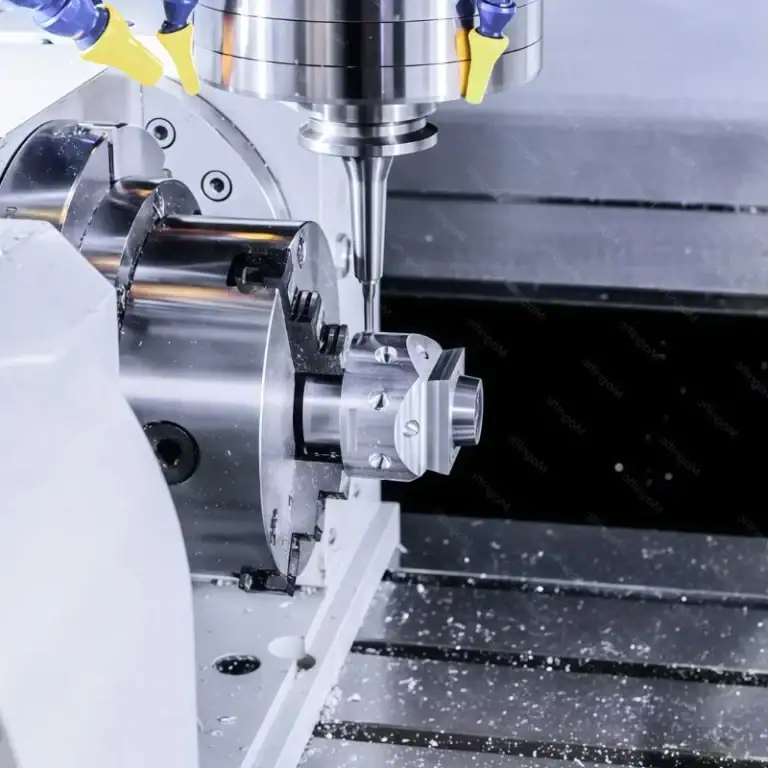
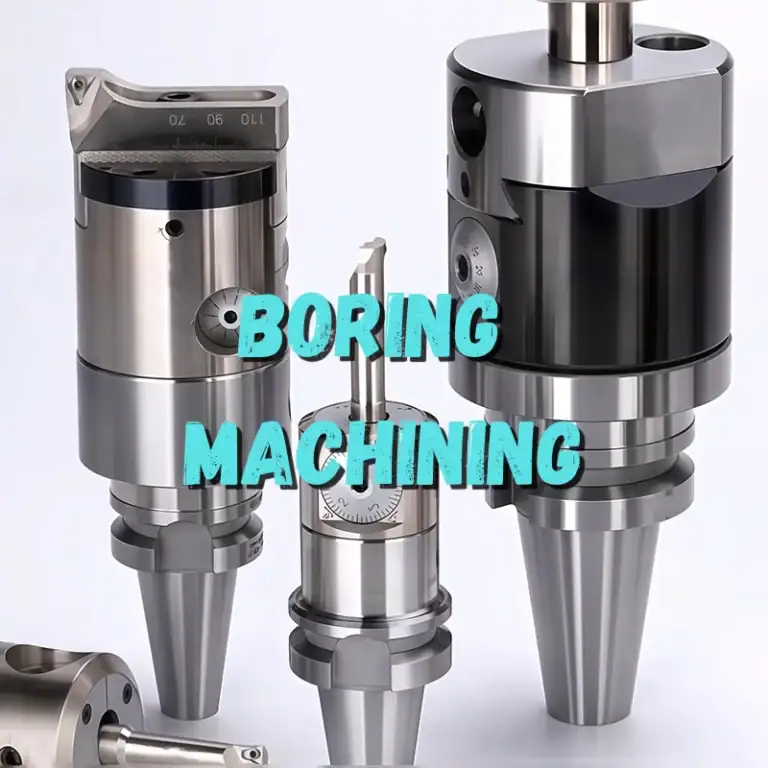
For CNC manufacturing, aluminum is commonly milled, turned, drilled, bored, tapped, and machined with multi-axis equipment.
Actual machining behavior depends strongly on alloy and temper. A 6061-T6 part, 2024-T351 plate, and 7075-T651 component are all aluminum-based materials, but they can differ significantly in strength, hardness, residual stress, cutting behavior, and dimensional stability.
Pure Aluminum And Aluminum Alloys
The symbol Al represents the chemical element, but most demanding engineering parts are made from aluminum alloys rather than high-purity aluminum. Pure aluminum is relatively soft, while alloying can substantially increase strength and hardness.
What Is Pure Aluminum?
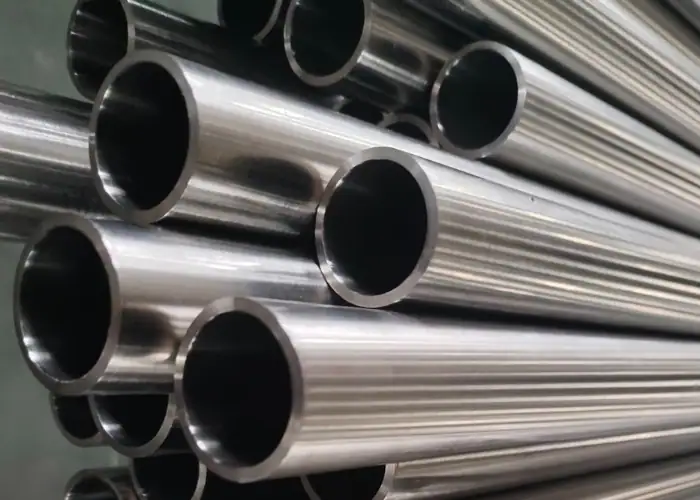
Commercially pure aluminum contains a very high percentage of aluminum with limited amounts of other elements.
The 1000-series aluminum family provides a useful industrial example. These materials are known more for corrosion resistance, conductivity, and formability than for high structural strength.
Pure and high-aluminum-content materials can be useful for electrical components, chemical equipment, sheet products, and applications where conductivity or corrosion behavior is more important than maximum mechanical strength.
For heavily loaded CNC components, however, engineers typically select a stronger aluminum alloy.
What Is An Aluminum Alloy?
An aluminum alloy combines aluminum with controlled amounts of other elements to modify its properties.
Important alloying elements include:
- Copper
- Magnesium
- Silicon
- Zinc
- Manganese
Copper can contribute to high strength in 2000-series alloys. Magnesium and silicon are important in many 6000-series materials. Zinc, usually combined with magnesium and other elements, helps 7000-series alloys reach very high strength.
These additions influence strength, hardness, corrosion resistance, machinability, formability, heat treatment response, and final manufacturing performance.
What Do Aluminum Alloy Numbers Mean?
Seeing Al, 6061, 2024, and 7075 together can be confusing. They describe different levels of material identification.
Al Vs 6061, 2024, And 7075
The simplest distinction is:
Al = chemical symbol for aluminum
6061, 2024, and 7075 = aluminum alloy designations
6061 is a 6000-series alloy containing magnesium and silicon as important alloying elements. It offers a useful balance of strength, machinability, corrosion resistance, and availability.
2024 belongs to the 2000 series and uses copper as a major alloying element. It provides higher strength and is well known in aerospace and precision machining applications.
7075 belongs to the 7000 series and is primarily strengthened with zinc and magnesium, with copper also contributing. It can achieve much higher strength than general-purpose 6000-series alloys.
The number therefore tells an engineer much more about the material than simply knowing that its base element is Al.
Common Aluminum Alloy Series
Different wrought aluminum alloy series are grouped according to their principal alloying systems.
| Alloy Series | Main Alloying Direction | General Characteristics |
| 1000 | High aluminum content | Conductivity and corrosion resistance |
| 2000 | Copper | High strength |
| 3000 | Manganese | Formability and corrosion resistance |
| 5000 | Magnesium | Corrosion resistance and forming |
| 6000 | Magnesium + Silicon | Balanced strength and machinability |
| 7000 | Zinc | Very high strength |
The series alone is still not a complete specification. For engineering parts, the alloy number should normally be combined with a temper such as 6061-T6, 2024-T351, or 7075-T651.
Temper can significantly change strength, residual stress, formability, corrosion performance, and machining behavior.
How Is Aluminum Produced?
Aluminum is abundant in the Earth’s crust, but its chemical reactivity means it is normally found in minerals rather than as free metallic aluminum. The Earth’s crust contains aluminum mainly in compounds, and bauxite is one of the most important industrial ores.
From Bauxite To Alumina
Primary aluminum production generally begins with bauxite.
The ore is refined to produce alumina, or aluminum oxide, using the Bayer process. This separates aluminum-bearing material from many unwanted components and produces alumina suitable for metal production.
ThoughtCo similarly summarizes the industrial route as bauxite mining followed by refining into alumina before electrolytic conversion to aluminum metal.
From Alumina To Aluminum Metal
Alumina is then converted into metallic aluminum through the Hall–Héroult process, an electrolytic smelting process.
The resulting primary aluminum can be cast into forms such as ingots or billets before being further processed into sheet, plate, bar, extrusion, forgings, castings, and other products.
Alloying elements can then be controlled to create the different aluminum grades required for specific manufacturing and engineering applications.
How Is Aluminum Used In Engineering And Manufacturing?
Aluminum’s combination of low density, manufacturability, corrosion behavior, and the ability to create high-strength alloys gives it a very broad industrial role. Transportation, engineering, construction, packaging, and electrical applications are among its major uses.
CNC Machined Aluminum Parts
Aluminum is one of the most common materials used for CNC prototypes and production components.
Frequently machined grades include:
- 6061for general-purpose structural and mechanical parts
- 2024for higher-strength aerospace and precision components
- 7075for highly loaded lightweight parts
These materials can be milled, turned, drilled, tapped, reamed, and machined with multi-axis equipment.
Material selection should consider more than strength. Temper, wall thickness, tolerance, surface finish, corrosion requirements, stock form, and the amount of material removed can all influence CNC performance and final part cost.
Aluminum Sheet, Plate, Bar, And Extrusions
Aluminum is supplied in many different product forms.
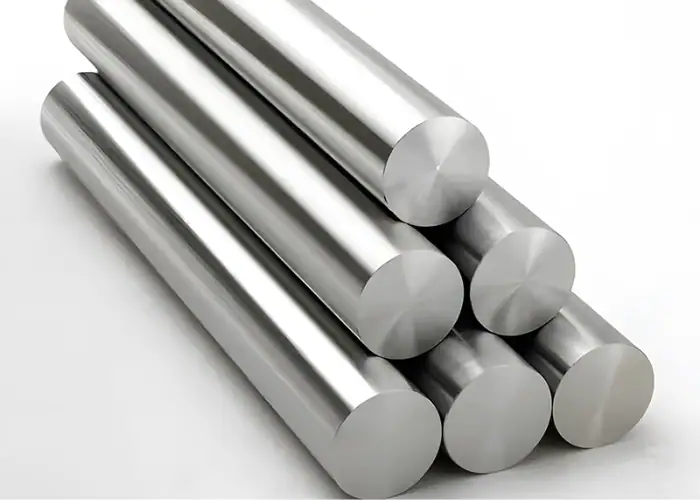
Sheet is commonly used for panels, enclosures, formed parts, and sheet-metal fabrication. Plate provides thicker stock for structural components and machined housings. Round and rectangular bar are widely used for turned and milled parts, while extrusions create long components with consistent cross-sectional profiles.
These terms describe the material’s physical form. They do not replace the alloy designation.
For example, a drawing may specify 6061-T6 aluminum plate. In that description, Al is the base element, 6061 identifies the alloy, T6 identifies the temper, and plate identifies the product form.
Common Engineering Applications
Aluminum and its alloys are used across automotive, industrial equipment, medical devices, aerospace, automation, electronics, robotics, and consumer products.
Aerospace systems value aluminum for its strength-to-weight performance. Electronics use its thermal conductivity and low mass. Automation and robotics use machined aluminum for frames, housings, brackets, fixtures, and moving components.
The correct alloy depends on the specific design. A general machine bracket may work well in 6061, while a highly loaded aerospace fitting may require 2024 or 7075. Material selection should therefore match actual load, environment, manufacturing method, and cost requirements.
FAQs
How To Anodize Aluminum
Aluminum is anodized using an electrochemical process that creates a protective oxide layer. It improves corrosion resistance, wear resistance, and appearance. For CNC parts, coating thickness and dimensional tolerances should be considered.
How To Weld Aluminum
Aluminum can be welded by TIG or MIG, but weldability depends on the alloy. 5052 and 6061 are easier to weld, while 2024 and 7075 are generally not recommended for conventional fusion welding.
How To Polish Aluminum
Aluminum is polished by removing scratches with progressively finer abrasives, followed by buffing. Polishing can improve surface appearance and may be combined with anodizing or clear coating for added protection.
Does Aluminum Rust
Aluminum does not rust like steel, but it can corrode. It naturally forms a thin oxide layer that provides protection, while harsh environments may still require anodizing, coating, or other surface treatments.
Conclusion
Aluminum’s chemical symbol is Al, and its atomic number is 13. Aluminum and aluminium are regional spellings of the same element, so both use the identical symbol. Al identifies the chemical element, while numbers such as 6061, 2024, and 7075 identify specific aluminum alloys with different strength, corrosion, machining, and application characteristics. Understanding this distinction makes engineering material specifications much easier to read.
At TiRapid, we provide precision CNC machining and manufacturing services for aluminum alloys including 6061, 2024, and 7075. Our team considers alloy, temper, geometry, tolerances, machining strategy, dimensional control, inspection, and finishing requirements to support reliable prototypes and low-volume production.