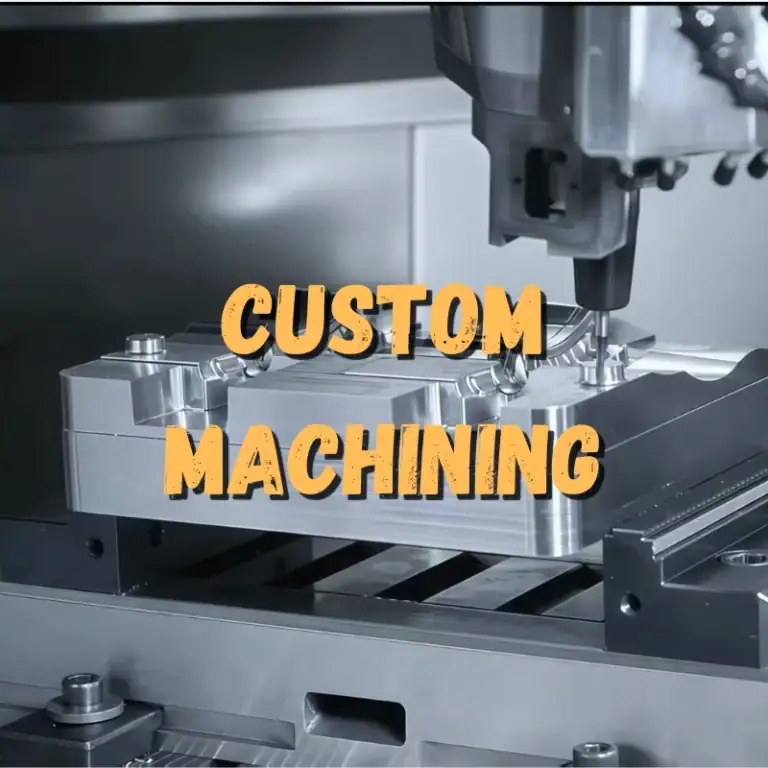
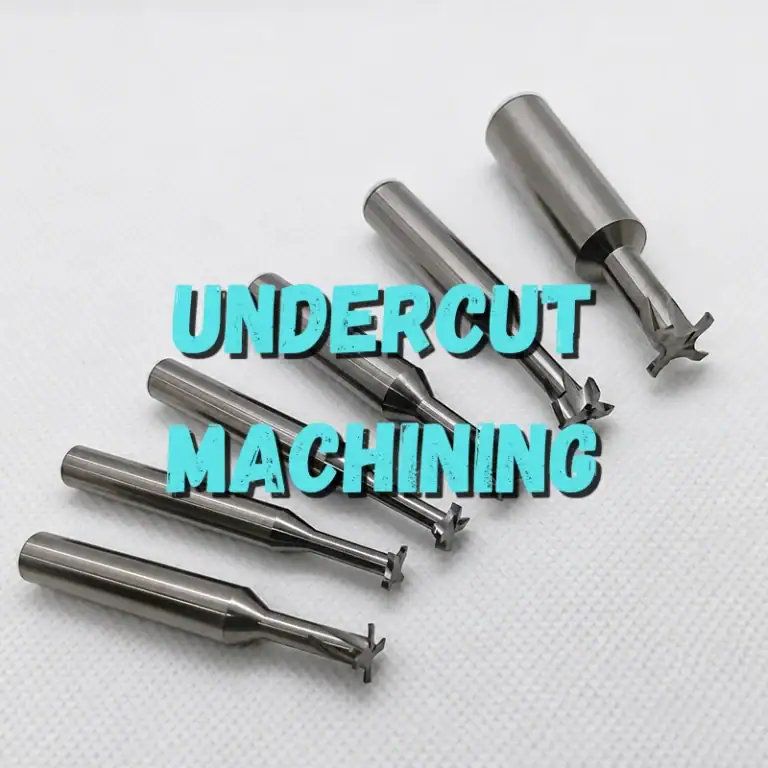
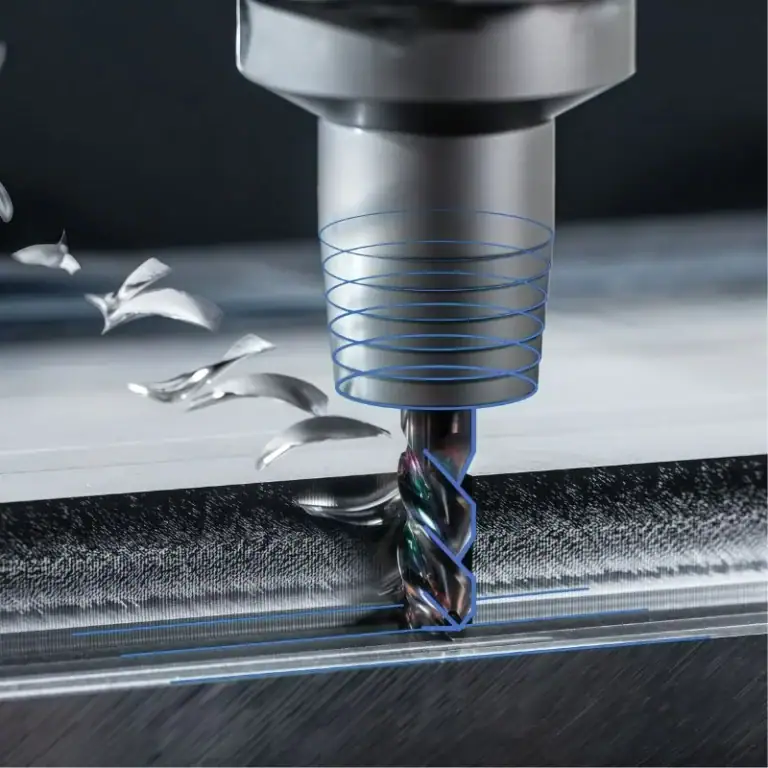
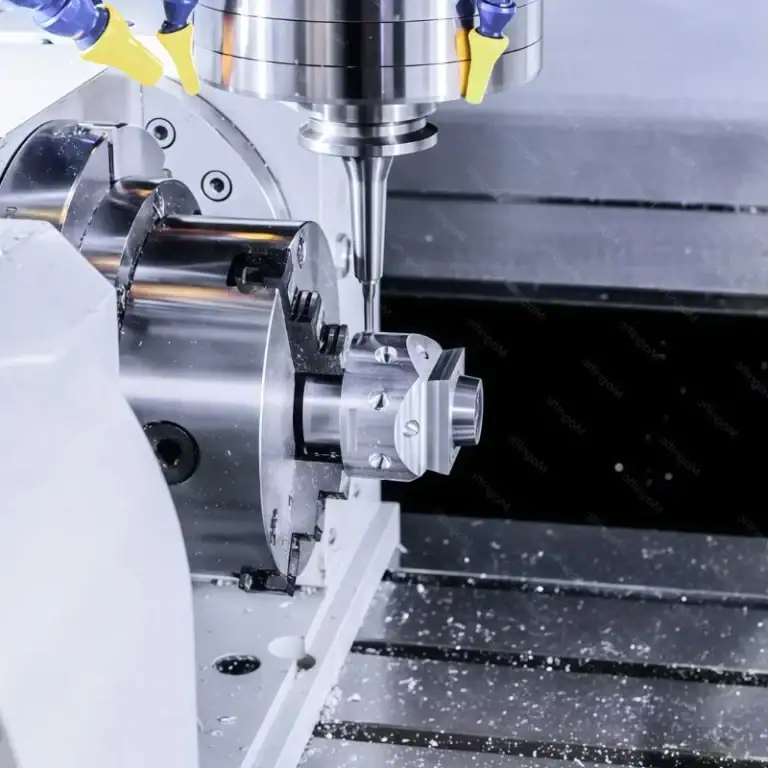
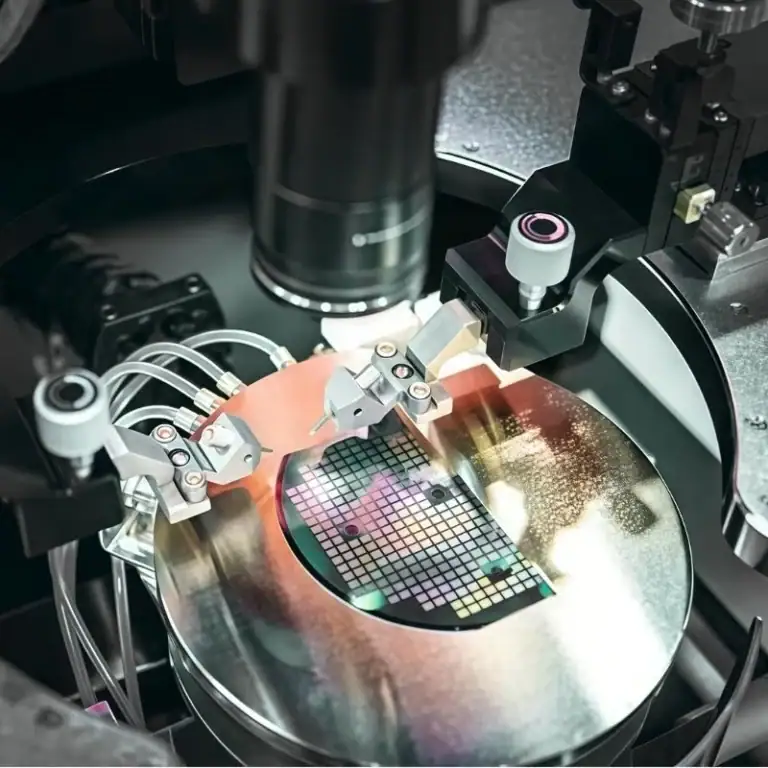
The medical industry demands extremely high standards for component precision, surface quality, consistency, and reliability. Whether manufacturing surgical instruments, orthopedic implants, dental components, diagnostic equipment, or imaging device parts, every component must meet strict dimensional tolerances and deliver dependable long-term performance. Even the smallest machining error may affect equipment functionality or patient safety. For this reason, medical manufacturers rely heavily on precision CNC machining to produce critical components. CNC turning has become one of the most important manufacturing processes because it offers exceptional machining accuracy, outstanding repeatability, automated production, and excellent efficiency for both prototype and high-volume production. As medical technology continues to advance, increasingly sophisticated medical devices require highly precise machined components. CNC turning provides manufacturers with the capability to consistently produce complex medical parts that comply with stringent international quality standards while improving productivity and reducing manufacturing costs.
CNC Turning Meets the Extremely High Precision Requirements of Medical Components
Medical components require significantly tighter tolerances than most industrial products. Many parts must maintain micron-level dimensional accuracy while ensuring long-term assembly reliability and operational stability. Conventional machining methods often struggle to maintain this level of precision throughout large production runs. CNC turning utilizes advanced numerical control systems to precisely control every machining movement, allowing manufacturers to produce highly accurate and consistent medical components with exceptional repeatability.
Precision Machining Ensures Stable Dimensional Accuracy
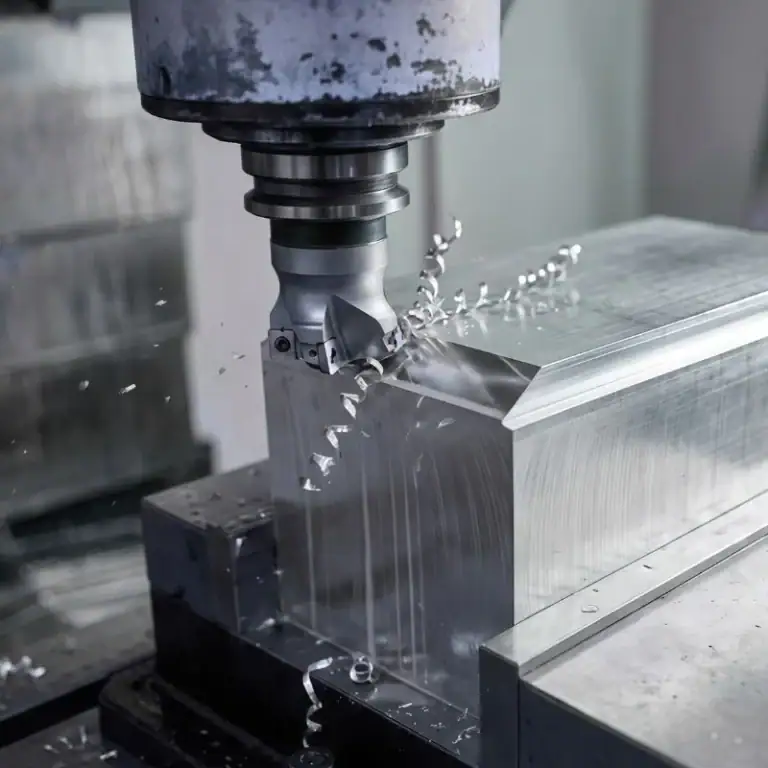
Many medical components are compact yet highly complex, including orthopedic implant connectors, dental implants, surgical instrument shafts, catheter fittings, and precision medical connectors. These components require not only precise dimensions but also excellent consistency throughout mass production to ensure reliable assembly and safe operation. Modern CNC turning centers equipped with precision spindles, high-performance servo systems, and advanced cutting tools consistently achieve the strict tolerances demanded by the medical industry.
- Achieve micron-level machining accuracy
- Maintain dimensional consistency
- Improve assembly precision
- Reduce manufacturing deviations
- Meet international medical standards
- Increase product reliability
Exceptional machining accuracy not only improves product quality but also helps manufacturers successfully pass rigorous quality certifications and customer audits.
Excellent Repeatability Ensures Production Consistency
Medical devices often require continuous long-term production, with every component maintaining identical dimensions and quality standards. CNC turning automates the machining process through precisely programmed instructions, minimizing human error and ensuring consistent quality throughout every production batch.
- Improve batch consistency
- Reduce operator errors
- Maintain stable production quality
- Support automated manufacturing
- Increase production efficiency
- Strengthen customer confidence
Outstanding repeatability has become one of the key competitive advantages for medical component manufacturers.
Numerous Medical Components Are Manufactured by CNC Turning
As medical technology continues to evolve, demand for precision-machined metal components continues to grow rapidly. Many medical products feature cylindrical or rotational geometries, making CNC turning an ideal manufacturing solution that combines outstanding efficiency with exceptional machining quality.
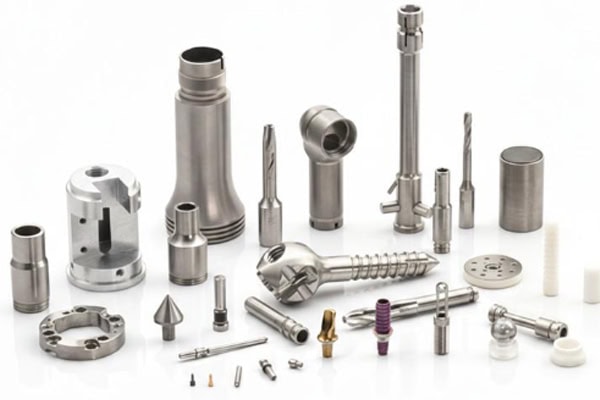
Common Medical Components Suitable for CNC Turning
Many medical devices include rotational components such as dental implants, orthopedic fixation devices, catheter connectors, endoscope components, surgical instrument shafts, and precision instrument fittings. These products require excellent dimensional accuracy, superior surface finishes, and reliable mechanical performance.
- Surgical instrument components
- Orthopedic implants
- Dental implants
- Medical connectors
- Catheter fittings
- Precision shaft components
CNC turning efficiently produces high volumes of complex rotational medical components while maintaining consistent product quality.
Compatible with Various Medical-Grade Materials
Medical manufacturers frequently machine 316L stainless steel, titanium alloys, cobalt-chromium alloys, PEEK engineering plastics, and other specialty materials. Each material presents unique machining characteristics, and modern CNC turning equipment can optimize cutting parameters accordingly to achieve stable and precise machining performance.
- Medical-grade stainless steel machining
- Titanium alloy machining
- Cobalt-chromium alloy machining
- PEEK machining
- Engineering plastics machining
- Specialty alloy machining
The ability to machine a wide range of medical materials allows CNC turning to satisfy diverse medical manufacturing applications.
High-Quality Machining Ensures Medical Product Safety
Medical components require not only precise dimensions but also excellent surface quality, biocompatibility, and long-term durability. CNC turning improves overall product quality by precisely controlling every stage of the machining process.
Superior Surface Finish Reduces Secondary Processing
Medical components generally require smooth surface finishes to reduce bacterial adhesion, improve assembly performance, and minimize polishing requirements. Optimized CNC turning processes can achieve excellent surface quality directly during machining.
- Improve surface finish
- Reduce burr formation
- Minimize friction and wear
- Enhance corrosion resistance
- Improve assembly performance
- Extend service life
Superior machining quality improves product performance while reducing secondary finishing operations and increasing manufacturing efficiency.
Strict Quality Control Ensures Reliable Product Delivery
Quality management is critical in medical manufacturing. From raw material inspection to final product verification, every production stage must follow comprehensive quality control procedures. CNC turning can be integrated with in-process inspection and first-article verification to ensure consistent production quality.
- First-article inspection
- In-process dimensional inspection
- Product traceability
- Comprehensive quality management
- Stable batch production
- Compliance with international certification requirements
A complete quality management system effectively reduces manufacturing risks while improving customer satisfaction and product reliability.
Automation Improves Medical Manufacturing Efficiency
As global demand for medical products continues to grow, automated manufacturing has become increasingly important. CNC turning integrates seamlessly with intelligent manufacturing systems to deliver highly efficient production.
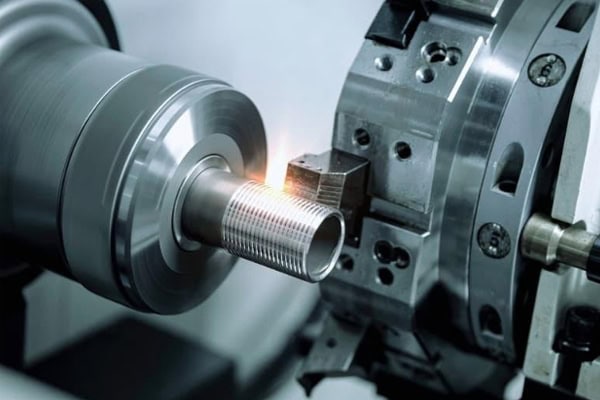
Automated Equipment Supports Continuous Production
Modern CNC turning centers can be equipped with automatic bar feeders, robotic loading systems, automatic tool changers, and online inspection technologies to enable long periods of unattended production while minimizing manual intervention.
- Automatic material feeding
- Automatic tool changing
- Online inspection
- Continuous production
- Higher machine utilization
- Reduced labor costs
Automation enables medical manufacturers to increase production capacity while maintaining stable product quality.
Smart Manufacturing Optimizes Production Management
Manufacturing Execution Systems (MES), production data collection platforms, and digital factory management solutions are becoming standard technologies in medical manufacturing. Real-time monitoring of machining data allows manufacturers to continuously optimize production efficiency and improve quality management.
- Increase production efficiency
- Optimize machining parameters
- Reduce machine downtime
- Improve quality management
- Lower manufacturing costs
- Strengthen market competitiveness
Smart manufacturing technologies continue to drive medical component production toward higher efficiency, greater automation, and superior quality.
CNC Turning Continues to Advance Medical Manufacturing
As minimally invasive surgery, robotic-assisted procedures, advanced diagnostic equipment, and personalized medical devices continue to develop, the demand for higher machining precision, superior material performance, and greater production consistency will continue to increase. Future CNC turning technology will integrate intelligent inspection systems, automated manufacturing, digital factory management, and advanced cutting tool technologies to further improve machining efficiency and product quality. These continuous innovations will enable manufacturers to deliver safer, more reliable, and higher-precision medical components while strengthening their competitiveness in the global medical device industry.