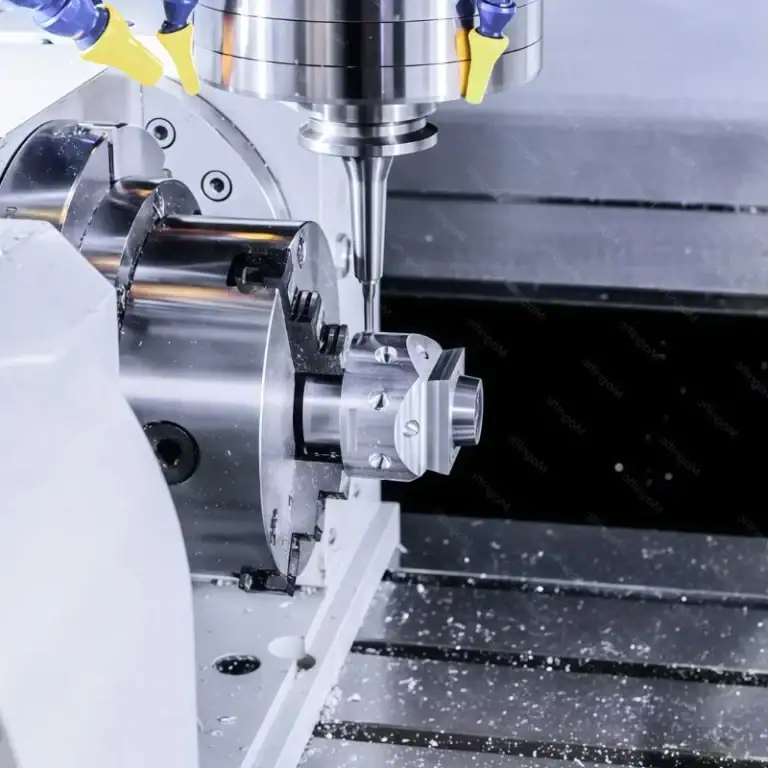
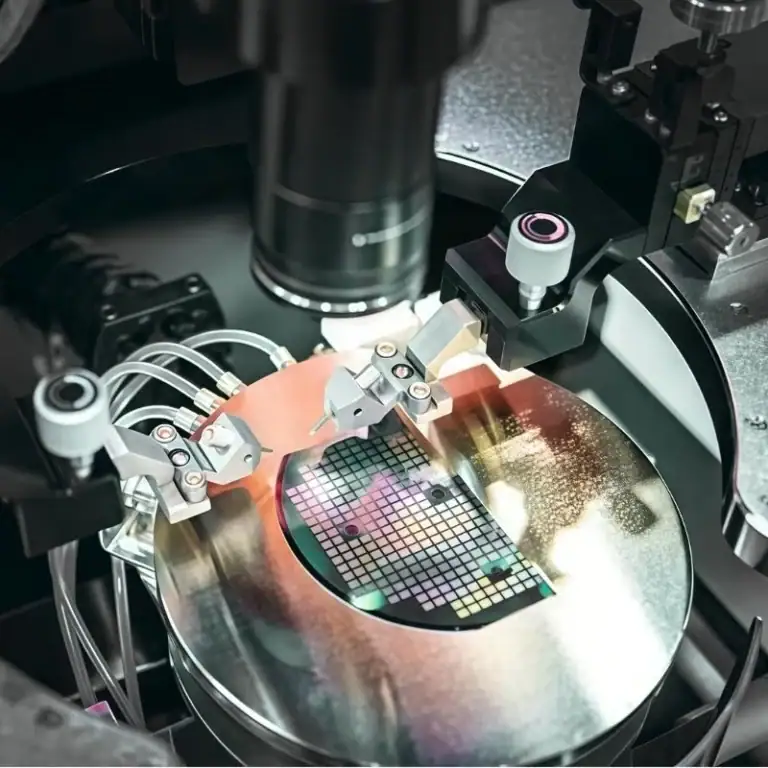
Precision metal parts are widely used in industries such as automotive, electronics, medical devices, automation equipment, and aerospace, making them essential components in many high-end products. As products continue to become smaller, lighter, and more precise, customers place higher demands on dimensional accuracy, surface quality, assembly performance, and production consistency. Different product structures, materials, and production volumes require different manufacturing processes. Choosing the right manufacturing method and combining it with advanced precision machining technology can effectively improve product quality, production efficiency, and overall manufacturing cost control.
CNC Precision Machining Methods
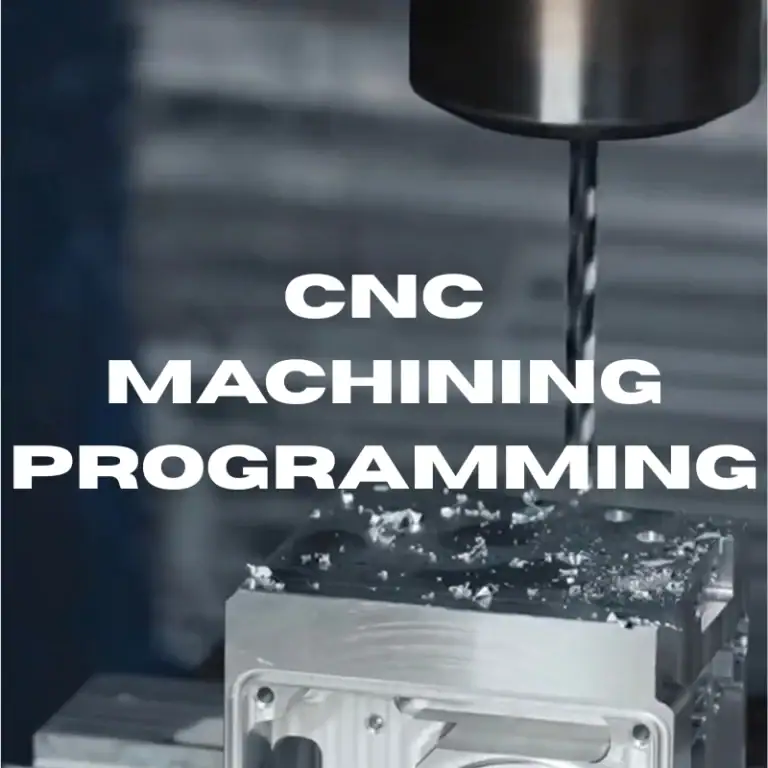
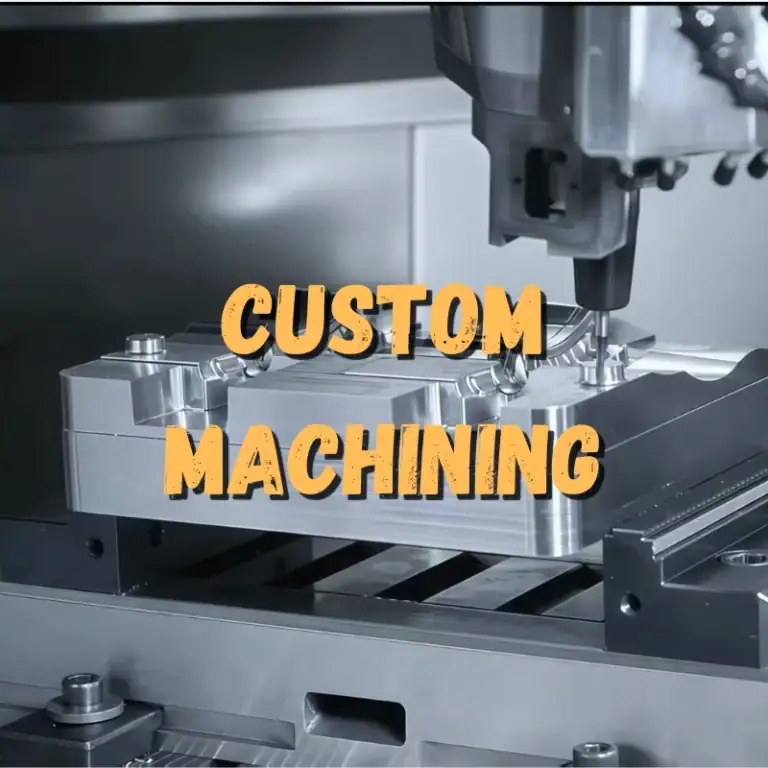
CNC precision machining is one of the most widely used manufacturing methods for precision metal parts. It is ideal for high-precision, low-volume, multi-variety, and complex components. Through computer numerical control, CNC machining delivers stable accuracy and excellent repeatability while allowing machining processes to be flexibly adjusted according to product designs, meeting the manufacturing requirements of various industries.
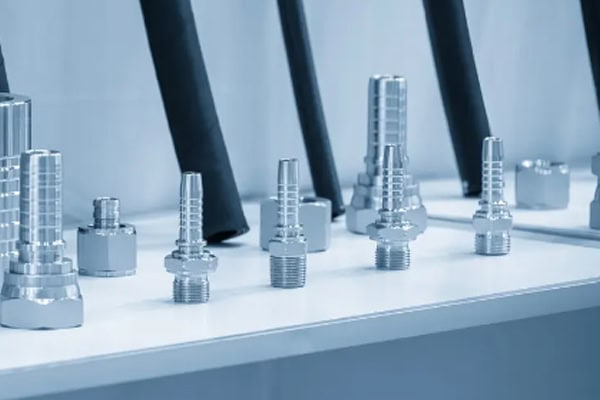
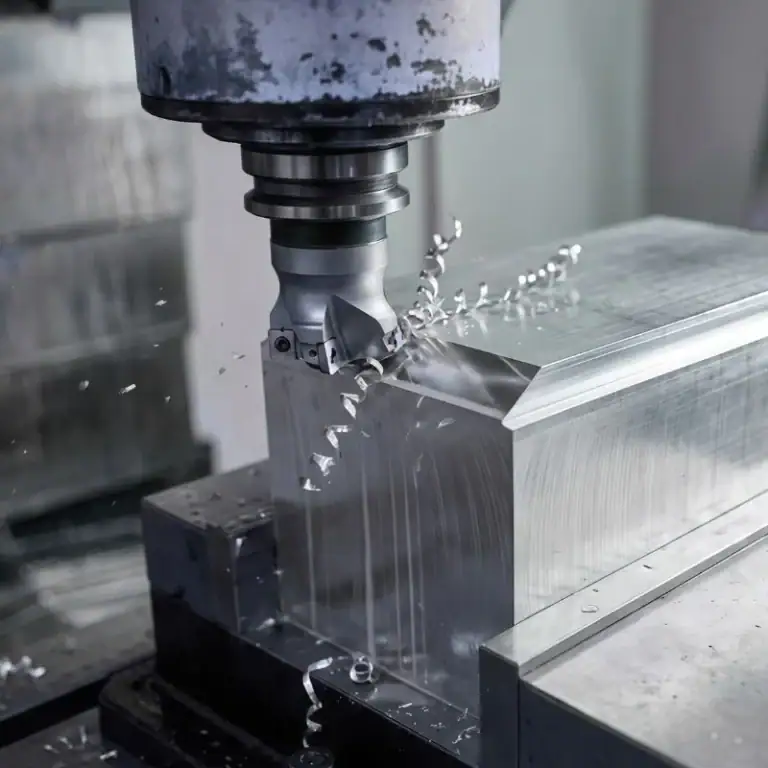
CNC Milling
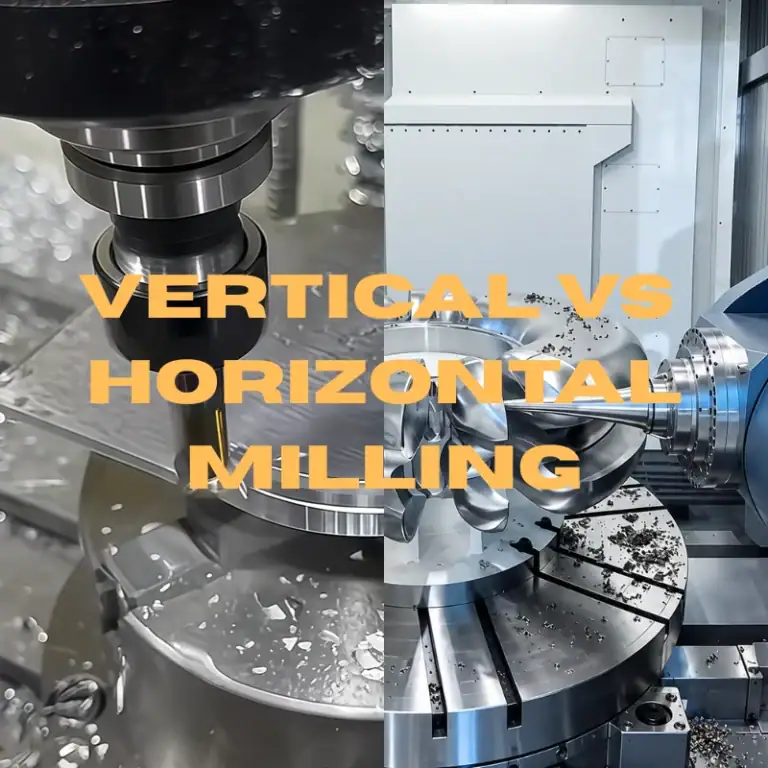
CNC milling can perform a wide variety of machining operations, including flat surfaces, curved surfaces, cavities, and complex contours, making it one of the most common methods for manufacturing precision metal parts.
- Machines complex shapes and irregular geometries, providing greater design flexibility.
- Suitable for various metal materials, including aluminum alloys, stainless steel, copper alloys, and titanium alloys.
- Delivers high machining accuracy for components requiring precise assembly.
- CNC programs can be modified quickly to accommodate product upgrades.
A well-planned milling process balances machining efficiency and dimensional accuracy, making it suitable for manufacturing a wide range of complex precision components.
CNC Turning
For shafts, bushings, and rotationally symmetrical parts, CNC turning provides stable and reliable machining performance.
- Ensures excellent roundness, concentricity, and dimensional consistency.
- Supports continuous automated production for higher manufacturing efficiency.
- Provides good surface finish quality.
Stable turning processes improve product consistency while reducing assembly difficulty.
Five-Axis Machining
For complex components, five-axis machining minimizes multiple setups and improves overall machining quality.
- Completes multiple machining operations in a single setup.
- Reduces repositioning errors.
- Improves machining capability for complex curved surfaces.
- Shortens the overall production cycle.
Five-axis machining is particularly suitable for aerospace, medical, and high-end automation components.
Forming Manufacturing Processes
In addition to cutting processes, many precision metal parts are produced using forming methods such as stamping, forging, and die casting. These manufacturing methods are better suited for medium- and high-volume production while improving productivity and lowering unit costs. In practical manufacturing, multiple processes are often combined to satisfy different dimensional and performance requirements.
Precision Stamping
Precision stamping is ideal for manufacturing sheet metal components and is widely used in electronics, home appliances, and automotive industries.
- High production efficiency for large-volume manufacturing.
- Excellent dimensional consistency.
- High material utilization reduces manufacturing costs.
- Supports continuous automated production.
Stamping meets the needs of standardized, large-scale manufacturing.
Precision Forging
Forging is mainly used to manufacture metal parts that require high mechanical strength.
- Improves material density and internal structure.
- Enhances mechanical performance.
- Suitable for high-load applications.
Proper forging processes improve product durability and reliability.
Die Casting
Die casting is commonly used for high-volume production of aluminum alloy and zinc alloy components.
- Forms complex structures in a single operation.
- Delivers high production efficiency.
- Provides excellent product consistency.
- Requires minimal secondary machining.
Die casting combines production efficiency with excellent surface appearance.
Precision Post-Processing
After the primary machining process is completed, many precision metal parts require post-processing to further improve dimensional accuracy, surface quality, and corrosion resistance. These finishing operations not only enhance product appearance but also improve service life and assembly performance, making them essential for high-end precision components.
Deburring and Precision Finishing
Burrs generated during machining must be removed to ensure the product meets assembly requirements.
- Improve assembly accuracy.
- Eliminate sharp edges that could damage products.
- Enhance overall appearance quality.
Careful finishing significantly improves overall product quality.
Surface Treatment
Different surface treatment methods can be selected according to the application requirements.
- Anodizing improves corrosion resistance.
- Electroplating enhances appearance and wear resistance.
- Sandblasting creates a uniform surface texture.
- Polishing improves surface smoothness.
Proper surface treatment increases product value and performance.
Precision Inspection
Every batch of products should undergo strict inspection before delivery to ensure compliance with quality standards.
- Coordinate Measuring Machine (CMM) inspection of critical dimensions.
- Surface roughness measurement.
- Visual inspection for surface defects.
- Batch consistency verification.
A comprehensive inspection process ensures stable and reliable product quality.
How to Choose the Right Manufacturing Process?
There is no single manufacturing process suitable for every precision metal part. The optimal solution should be selected based on product geometry, material properties, machining accuracy requirements, and production volume. Careful process planning not only improves production efficiency but also reduces manufacturing costs while ensuring consistently high product quality.
Choose the Process Based on Product Structure
Different precision metal parts require different manufacturing methods depending on their structural complexity. Analyzing the design before production helps reduce rework, deformation, and dimensional errors.
- Simple structures are suitable for stamping or CNC turning.
- Complex geometries are better suited for CNC machining.
- Five-axis machining is recommended for special curved surfaces.
Selecting the appropriate process improves efficiency, reduces setup time and material waste, lowers production costs, and ensures stable product quality.
Select the Process According to Material Properties
Different materials vary in hardness, toughness, and machinability, all of which affect machining difficulty and final quality. Manufacturing plans should take these material characteristics into account when selecting machines, cutting tools, and machining parameters.
- Aluminum alloys are suitable for high-speed machining.
- Stainless steel requires carefully controlled cutting parameters.
- Titanium alloys benefit from high-rigidity machining equipment.
- Different materials require matching cutting tools.
Choosing the proper machining process and cutting parameters according to material characteristics improves dimensional accuracy, surface quality, and production stability.
Plan Production Based on Order Volume
Different production volumes require different manufacturing strategies. Small-batch production emphasizes flexibility, while high-volume production focuses on efficiency and cost control. Poor production planning can result in delivery delays or unnecessarily high manufacturing costs.
- Flexible CNC machining is suitable for small production runs.
- Large-volume production can combine stamping, die casting, and other forming processes.
- Automation improves overall production efficiency.
Proper production planning helps balance machining accuracy, delivery schedules, manufacturing efficiency, and production costs while reducing material waste, minimizing rework, and improving overall process control.
Precision metal part manufacturing involves various processes, including CNC machining, stamping, forging, die casting, and post-processing. Each manufacturing method offers unique advantages and is suitable for different applications. Selecting the appropriate process according to part geometry, material properties, and production volume, combined with advanced precision machining technology, helps continuously improve product quality and manufacturing efficiency. Tirapid specializes in precision machining services, providing high-quality, high-precision, one-stop manufacturing solutions for precision metal parts.