Vibration in CNC turning machines is one of the most critical machining stability problems in precision manufacturing. It not only affects surface quality but also directly reduces dimensional accuracy, tool life, machining efficiency, and overall production reliability. In real industrial environments, vibration often appears as chatter marks on the surface of machined parts, abnormal cutting noise, unstable chip formation, or visible tool shaking during operation. These issues are especially common when machining long shafts, thin-walled components, stainless steel, titanium alloys, or high-strength materials. CNC turning vibration is rarely caused by a single factor. Instead, it is usually the result of a combination of machine structure rigidity, tool system stability, cutting parameters, workholding method, and external environmental interference. To achieve stable and high-precision machining, manufacturers must analyze vibration sources systematically and apply comprehensive control strategies across the entire machining process.
Machine Rigidity Is the Foundation of Vibration Control
Machine rigidity is the most fundamental factor affecting CNC turning stability. If the machine structure lacks sufficient stiffness, even correctly selected tools and optimized cutting parameters cannot fully eliminate vibration. During cutting, any elastic deformation in the spindle, guideways, tool post, or machine bed can amplify cutting instability and lead to chatter. High-rigidity machines are essential for heavy-duty turning, high-speed machining, and precision finishing operations. In industrial production, improving structural rigidity is always the first step in vibration control because it determines the upper limit of machining stability and accuracy.
Structural Weakness Leads to Unstable Cutting Behavior
When machine components such as spindle bearings, guide rails, or tool holders lack rigidity or suffer from wear, the entire cutting system becomes unstable. This instability is transmitted directly to the cutting edge, resulting in vibration patterns on the workpiece surface. The problem becomes more serious during deep cutting or when machining hard materials.
- Increased chatter vibration intensity
- Unstable cutting force distribution
- Reduced dimensional accuracy consistency
- Poor surface finish quality
- Accelerated tool wear rate
- Increased risk of machining failure
Strengthening machine structure rigidity significantly improves machining stability and reduces vibration-related defects.
Machine Installation and Maintenance Stability
Even a high-rigidity CNC machine can still produce vibration if installation conditions are poor or maintenance is insufficient. A stable foundation ensures that cutting forces are absorbed properly without transferring unwanted vibration.
- Reinforced machine foundation design
- Accurate leveling of machine bed
- Regular spindle alignment checks
- Tightening of mechanical joints
- Guideway lubrication maintenance
- Long-term structural stability control
Proper installation and maintenance create a stable mechanical environment for consistent CNC turning performance.
Cutting Tool System Has a Direct Impact on Vibration
The cutting tool system is another key factor influencing vibration during CNC turning. Even when using a stable machine, improper tool selection or poor tool condition can still cause serious chatter problems. Tool rigidity, overhang length, material quality, coating type, and edge sharpness all play important roles in machining stability. A well-designed tool system ensures smooth cutting action, stable chip formation, and reduced cutting resistance. In precision manufacturing, optimizing tool selection is one of the most effective ways to control vibration and improve surface quality.
Poor Tool Geometry Causes Cutting Instability
Tool geometry determines how cutting forces are distributed during machining. If rake angle, clearance angle, or nose radius are not properly designed, cutting resistance increases and vibration is more likely to occur. This is especially noticeable in high-speed turning or hard material cutting.
- Increased cutting force fluctuations
- Poor chip breaking performance
- Surface chatter marks formation
- Higher heat concentration at cutting zone
- Reduced tool lifespan
- Unstable machining trajectory
Optimized tool geometry significantly improves cutting smoothness and reduces vibration generation.
High-Rigidity Tool Setup Reduces Deflection
Tool holder rigidity and setup configuration directly affect vibration resistance. Excessive tool overhang or weak clamping increases tool deflection, which amplifies chatter during cutting.
- Use short tool overhang design
- Select high-rigidity tool holders
- Apply carbide or coated inserts
- Strengthen clamping force stability
- Reduce tool extension length
- Ensure sharp and stable cutting edges
A rigid tool system ensures stable cutting conditions even under heavy machining loads.
Cutting Parameters Must Be Carefully Balanced
Cutting parameters such as spindle speed, feed rate, and depth of cut play a decisive role in CNC turning vibration control. Incorrect parameter settings can easily trigger resonance between tool and workpiece, resulting in severe chatter. High-speed cutting is not always better; in many cases, excessive speed increases instability. Achieving the right balance between efficiency and stability is essential for high-quality machining.
Excessive Cutting Speed Increases Chatter Risk
High spindle speed may improve productivity, but it can also amplify vibration if not properly matched with tool and material conditions. This is particularly common in stainless steel, titanium, and alloy machining.
- Increased dynamic instability
- Higher probability of resonance
- Rapid tool wear acceleration
- Poor surface finish quality
- Excessive heat generation
- Reduced machining reliability
Optimized cutting speed selection helps maintain stable machining performance and reduces vibration risk.
Feed Rate and Cutting Depth Optimization
Feed rate and cutting depth must be carefully adjusted based on material type and machining stage. Improper combinations can overload the cutting system and cause instability.
- Control cutting load distribution
- Improve surface finish quality
- Reduce tool deflection risk
- Maintain machining stability
- Enhance chip formation control
- Improve production efficiency balance
Proper parameter optimization ensures smooth and stable CNC turning operations.
Workpiece Clamping Stability Is Critical
Workpiece clamping is often underestimated but is one of the most common causes of vibration in CNC turning. If the workpiece is not securely fixed, even small cutting forces can cause movement or oscillation. This is especially problematic for long shafts, thin-walled parts, or irregular geometries. A stable workholding system ensures that all cutting forces are properly absorbed without affecting machining accuracy.
Insufficient Clamping Causes Machining Instability
Weak or uneven clamping leads to workpiece movement during cutting, which directly generates vibration and reduces machining accuracy.
- Workpiece displacement during cutting
- Increased surface vibration marks
- Dimensional accuracy deviation
- Reduced machining safety
- Inconsistent production results
- Higher scrap rate risk
Strong and balanced clamping force is essential for stable CNC turning operations.
Fixture Design and Support Optimization
Advanced fixture design significantly improves machining stability by reducing vibration sources and improving support strength.
- Use hydraulic or pneumatic chucks
- Add tailstock or center support
- Improve fixture structural rigidity
- Distribute clamping force evenly
- Minimize unsupported length
- Design custom fixtures for complex parts
Proper fixture engineering ensures stable machining conditions even for difficult components.
External Environment Also Affects Machining Stability
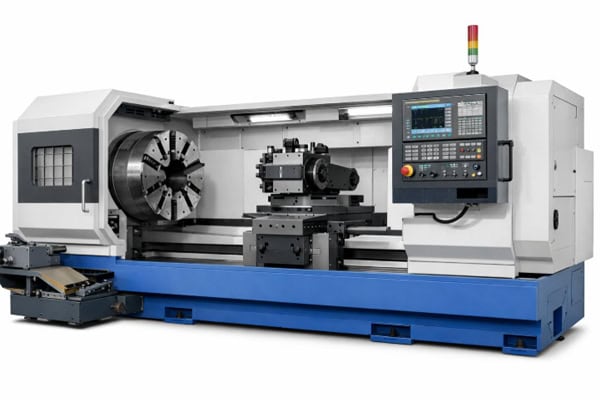
In addition to machine, tool, and process factors, external environmental conditions can also influence CNC turning vibration. External vibration sources, unstable foundations, or temperature fluctuations can all reduce machining stability. A well-controlled workshop environment helps maintain consistent machining performance and reduces unexpected disturbances during production.
External Vibration Interference Sources
Nearby heavy machinery, transportation systems, or unstable floors can transmit vibration to CNC machines, affecting machining accuracy and surface quality.
- Ground vibration transmission
- Machine-to-machine interference
- Reduced machining precision
- Surface quality degradation
- Increased chatter occurrence
- Lower production stability
Proper isolation measures help reduce external vibration influence.
Stable Workshop Environment Control
Maintaining a stable production environment improves long-term machining consistency and reduces vibration-related issues.
- Stable temperature control system
- Anti-vibration machine foundation
- Optimized factory layout design
- Separation of heavy equipment zones
- Controlled humidity environment
- Improved overall machining stability
A well-designed workshop environment supports high-precision CNC turning operations.
Systematic Optimization Is the Key to Vibration Control
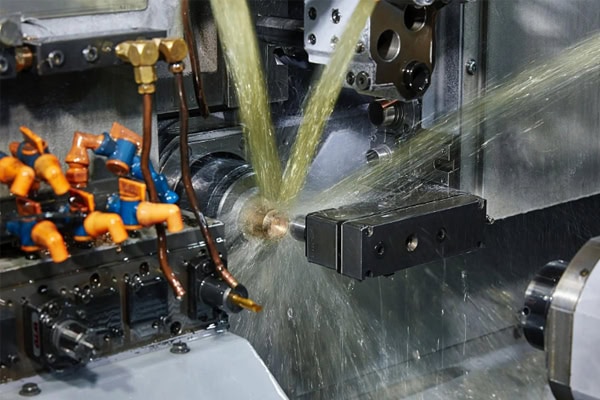
CNC turning vibration cannot be eliminated by a single adjustment. It requires a comprehensive optimization strategy that includes machine rigidity, tool system design, cutting parameter control, workholding stability, and environmental management. Continuous monitoring and process improvement help manufacturers achieve stable machining, higher precision, and better productivity in real industrial applications.
Integrated Vibration Control Strategy
Combining multiple control methods ensures stable and efficient CNC turning operations.
- Improve machine structural rigidity
- Optimize cutting tool system
- Adjust cutting parameters scientifically
- Strengthen workholding design
- Control environmental vibration sources
- Monitor machining stability continuously
A systematic approach ensures long-term vibration-free machining performance.
Real-Time Monitoring and Process Improvement
Advanced monitoring systems help detect vibration early and allow immediate process adjustment, improving production stability.
- Real-time vibration detection
- Adaptive parameter adjustment
- Reduced defective part rate
- Improved machining efficiency
- Enhanced process control capability
- Stable long-term production quality
Continuous optimization ensures reliable and high-quality CNC turning manufacturing performance.