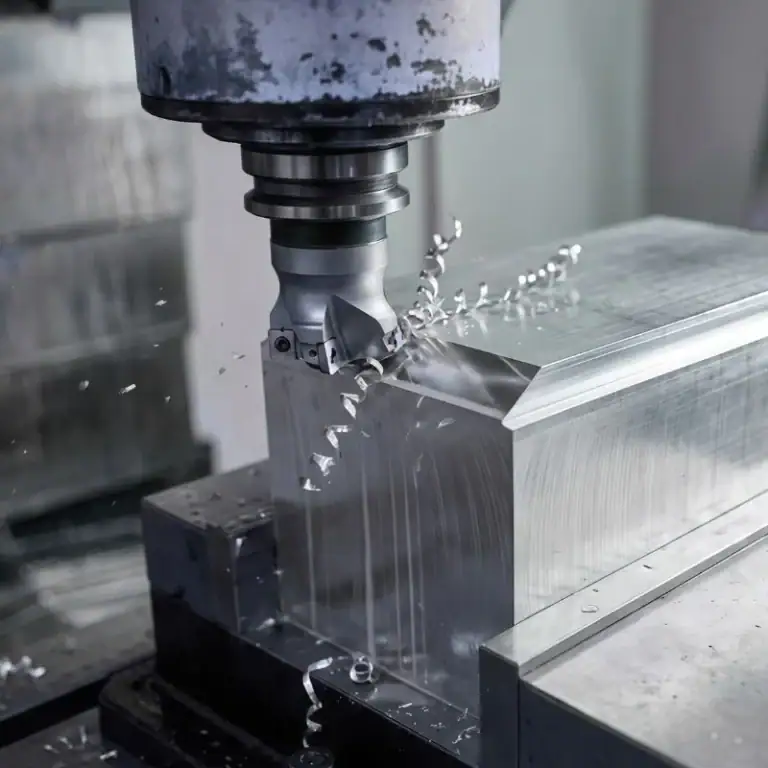
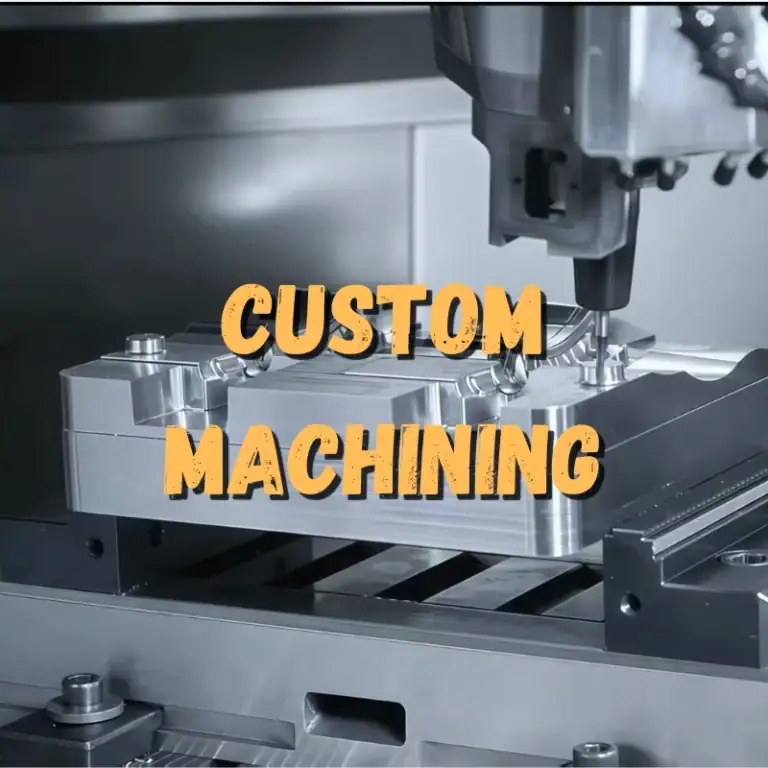
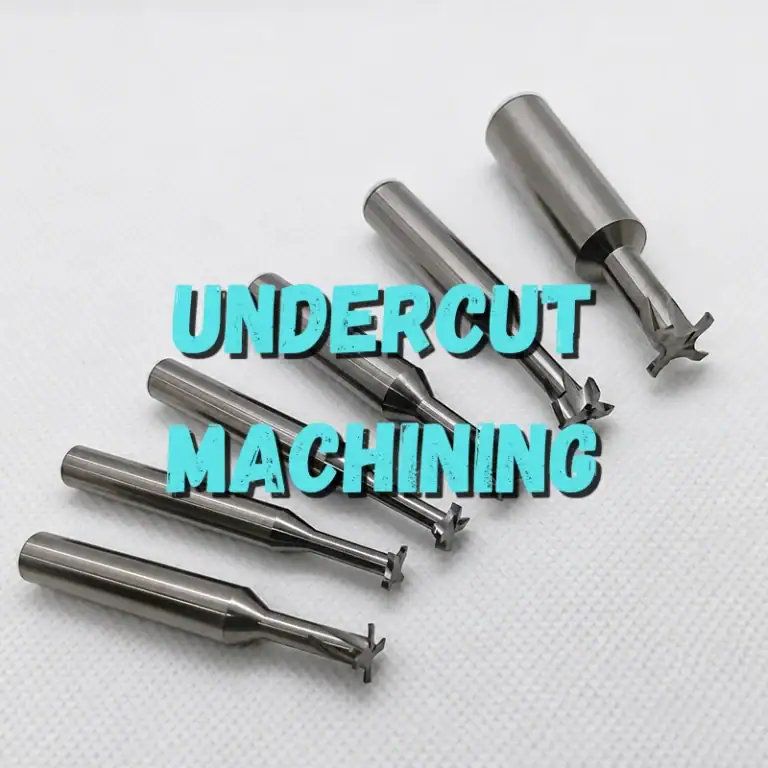
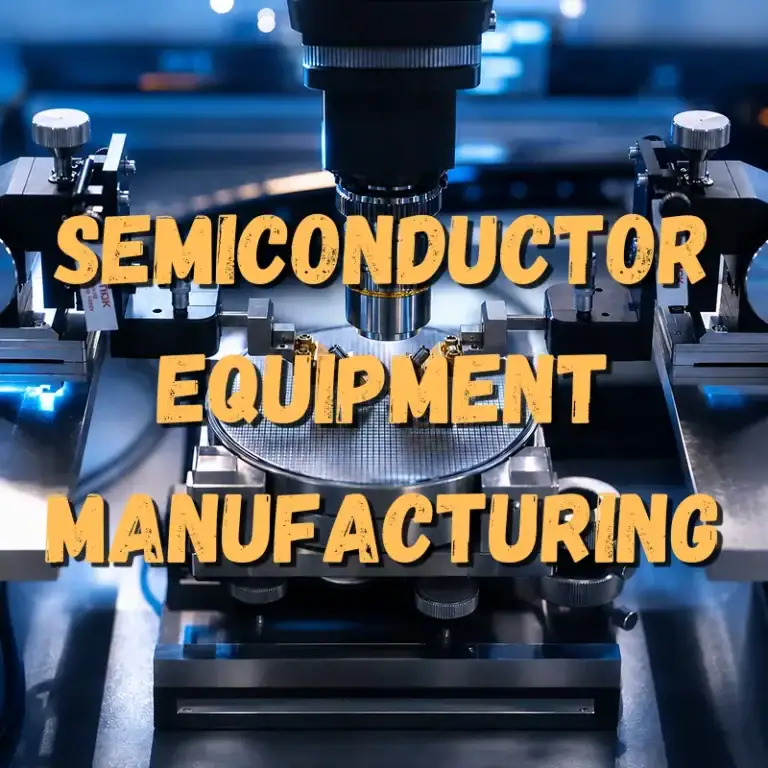
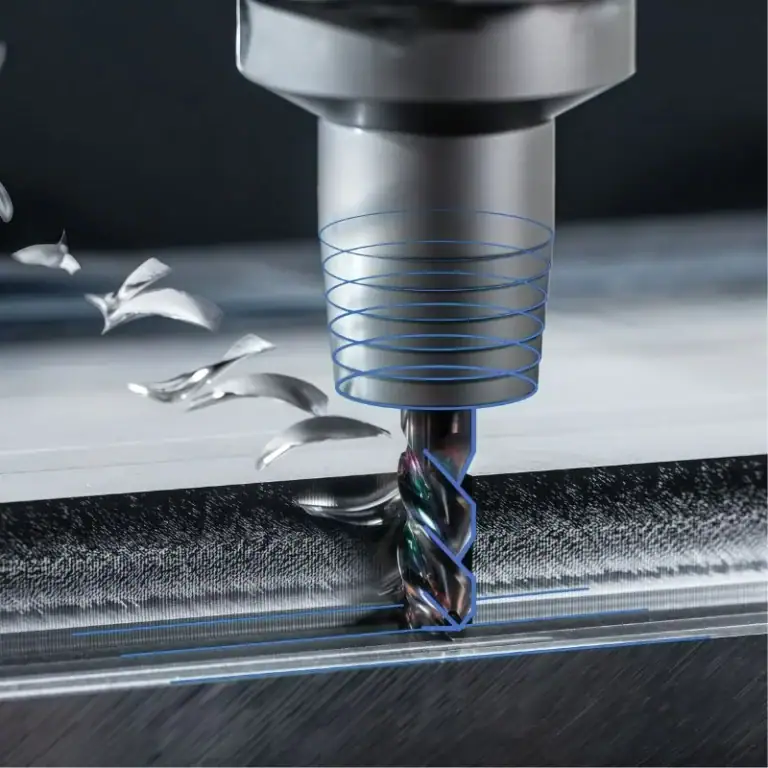
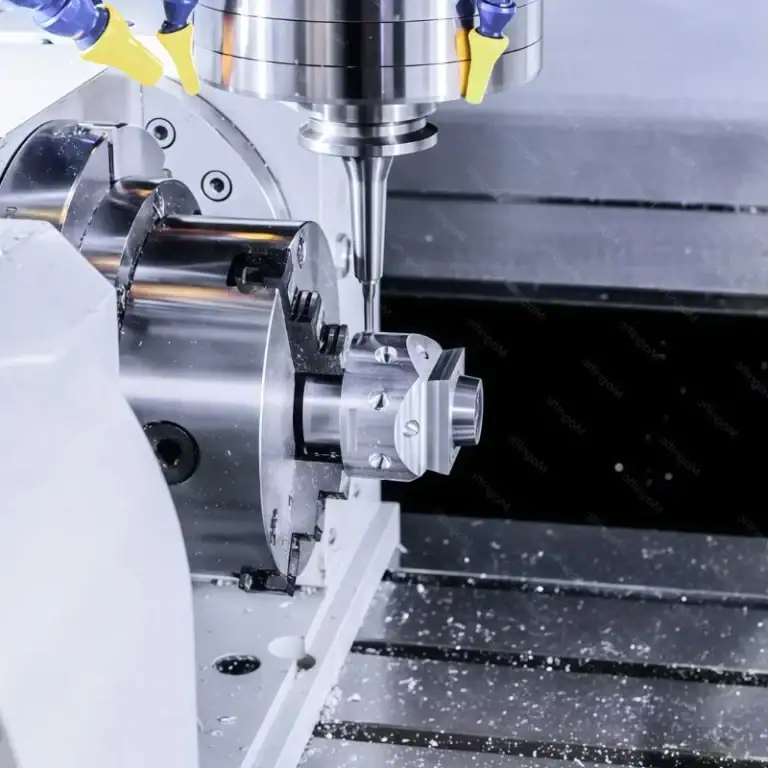
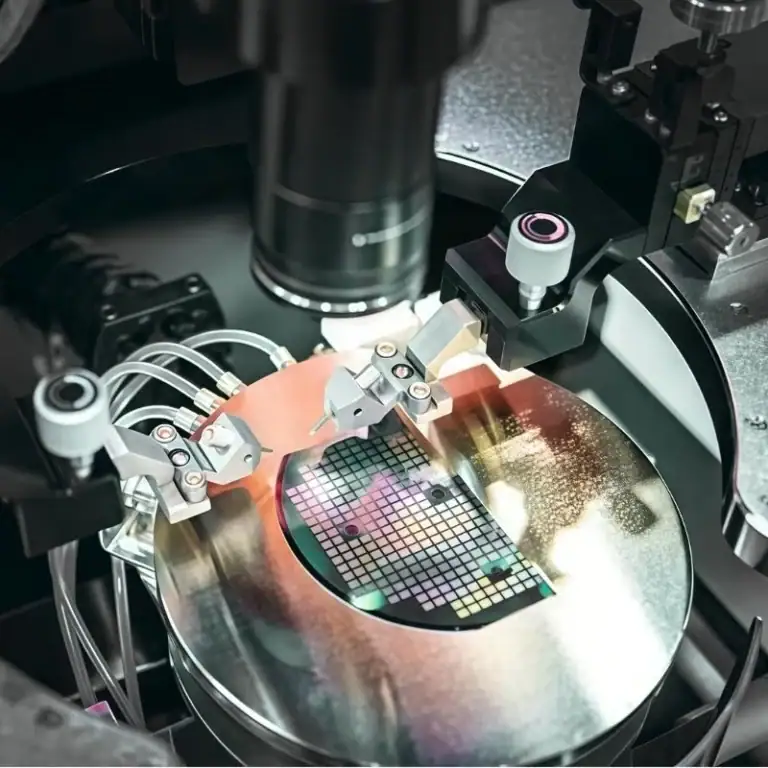
In CNC milling, many customers tend to focus first on spindle speed, tool material, and machine rigidity, but what truly determines the final performance of a part is often the machine control system. The control system is the “brain” of the machine tool. It is responsible for trajectory calculation, servo drive, error correction, and machining rhythm coordination. Once the control logic is not stable enough, dimensional accuracy, surface quality, and batch consistency will all be affected. For companies that want stable delivery, reduce rework, and control costs, understanding how the control system affects quality not only helps them choose the right equipment, but also helps avoid many machining risks at the early stage of a project.
The Control System Determines the Upper Limit of Machining Accuracy
The computing capability and execution precision of the control system directly determine whether a part can be formed stably according to drawing requirements.
Interpolation Accuracy Affects Contour Formation
In complex surface and precision contour machining, the control system needs to continuously calculate the tool motion trajectory and maintain sufficient path resolution at high speed in order to make the part contour as close as possible to the design model.
- The higher the interpolation accuracy, the closer the tool path is to the design model, and the easier it is to accurately reproduce complex surfaces and fine contours.
- Contour transitions become more natural, significantly reducing step marks, ripple marks, and poor local transitions.
- Dimensional errors become smaller, making it especially suitable for high-precision parts that require high contour consistency.
The stronger the interpolation capability, the more stable the CNC milling forming quality will be. Especially in complex surface and high-precision contour machining, this difference is often directly reflected in the final part’s appearance, dimensions, and assembly performance.
Servo Response Determines Dynamic Following Capability
After the control system sends a command, the servo system must respond quickly and execute accurately. Otherwise, the tool is likely to lag during high-speed motion, which in turn affects contour and dimensional performance.
- Fast response speed reduces trajectory lag and allows the tool to maintain better synchronization during turning, speed changes, and complex path transitions.
- Strong dynamic following capability makes complex paths less likely to distort, especially in continuous curves and high-frequency turning areas.
- Stable precision can still be maintained during high-speed machining, avoiding local dimensional deviations caused by slow system response.
The more timely the servo response, the less likely machining quality is to fluctuate. The equipment can also maintain stable output when facing complex paths and high-speed cutting, which is especially important for projects with high batch consistency requirements.
Error Compensation Improves Long-Term Consistency
High-end control systems usually have thermal compensation, backlash compensation, and lead screw error correction functions. Although these functions do not directly change the machine structure, they can continuously correct deviations during long-term operation and keep the equipment in a more stable output state.
- They can correct deviations caused by long-term operation, reducing dimensional drift caused by mechanical wear and environmental changes.
- They reduce the impact of thermal deformation on dimensions, especially during long continuous machining runs.
- They improve batch part consistency, making products from the same batch more uniform in dimensions and contour performance.
The more complete the compensation functions are, the more suitable the equipment is for long-term stable production, and the better it can help enterprises maintain consistent quality across multiple batches and shifts, thereby reducing rework and repeated calibration costs.
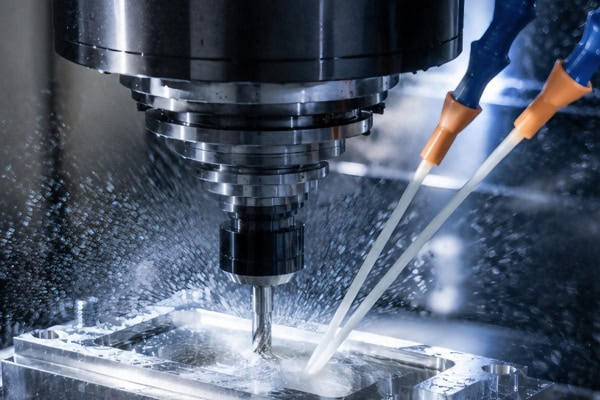
The Control System Affects Surface Quality and Machining Stability
When many customers inspect parts, the most intuitive thing they notice is the surface finish, and this is closely related to the control system.
Trajectory Smoothness Determines Surface Roughness
If the control system is not smooth enough during path transitions, the tool is more likely to experience jerking. Especially in curved surface transitions, corner connections, and finishing stages, the surface is more likely to show chatter marks and tool marks, affecting the appearance and functional surface quality of the part. At the same time, finishing results become unstable, with some areas being smooth while others show obvious texture. More importantly, the cost of subsequent polishing and trimming increases, and the worse the surface foundation is, the greater the manual repair workload becomes. The smoother the trajectory, the better the CNC milling surface quality. Especially for appearance parts, mold cavities, and functional mating surfaces, the smoothness of the control system often directly determines whether additional finishing is needed later.
Acceleration and Deceleration Control Reduces Impact Fluctuations
The way the control system handles acceleration and deceleration curves affects the stability of the tool when entering and exiting the cut. If the control logic is unreasonable, impact is likely to occur during tool entry and exit, which in turn affects the workpiece surface and tool life.
- Reducing instantaneous impact can protect the tool and lower the risk of surface tearing or compression damage on the workpiece.
- Lowering the risk of overcut at corners allows complex contours to maintain better boundary control even during high-speed machining.
- It improves the machining safety of thin-walled parts and complex parts, preventing deformation, vibration, or local chipping caused by excessive impact.
Reasonable acceleration and deceleration control is an important guarantee for stable quality. Especially in thin-wall structures, deep cavity structures, and high-speed finishing scenarios, this control capability often determines whether the part can be formed in one pass while maintaining a good surface condition.
Vibration Suppression Improves Yield
An excellent control system can suppress resonance and micro-vibration during high-speed operation. This is especially important for high-precision parts and products with high surface requirements. Even very small vibrations may leave obvious marks on the final surface.
- It reduces surface defects caused by tool chatter, making the machined surface more uniform and fine.
- It reduces dimensional drift and scrap risk, especially during long continuous machining runs where stability advantages are more obvious.
- It improves first-pass yield, making batch production easier to manage and delivery schedules easier to control.
The better the vibration control, the easier batch production becomes to manage. The equipment can also maintain stable machining performance during long-cycle tasks, which is crucial for companies pursuing high pass rates and low rework rates.
Intelligent Functions Determine the Balance Between Production Efficiency and Quality
Modern CNC milling is not just about “being able to machine,” but about “machining stably, quickly, and economically.”
Automatic Parameter Optimization Reduces Human Error
Advanced control systems can automatically adjust certain parameters according to machining conditions. This capability is especially important for teams with varying experience levels because it can partially compensate for differences in human judgment.
- It reduces the impact of differences in operator experience, making results more consistent across different shifts and operators.
- It reduces quality problems caused by improper parameter settings, avoiding finished part defects caused by errors in feed rate, spindle speed, or path settings.
- It improves stability between shifts, making the production process easier to standardize and replicate.
Intelligent control makes quality more manageable and also allows enterprises to maintain high machining consistency and lower trial-and-error costs even when personnel turnover is high or order changes are frequent.
Online Monitoring Helps Detect Abnormalities in Time
Some control systems support load monitoring, alarm prompts, and status feedback. These functions are very important for preventing batch problems because they can signal abnormalities as soon as they appear, rather than waiting until parts are scrapped. Through real-time monitoring, enterprises can detect tool wear or abnormal vibration in time and adjust machining parameters to prevent problems from escalating. At the same time, they can prevent small issues from turning into batch scrap, which is especially suitable for high-value parts and projects with tight delivery schedules, thereby improving equipment utilization and delivery reliability. The more complete the real-time monitoring, the easier it is to control quality risks, and the earlier enterprises can intervene to reduce downtime, rework, and batch losses.
Program Compatibility Affects the Implementation of Complex Projects
For multi-variety, small-batch, or complex-structure parts, the compatibility of the control system is very important because projects often require frequent program switching, process adjustments, and rapid production startup.
- Supporting more programming formats and machining logic allows better adaptation to different customers and different part requirements.
- It facilitates quick switching between different orders, reduces repeated debugging time, and improves equipment utilization.
- It reduces debugging time and improves delivery efficiency, making complex projects easier to advance according to plan.
The stronger the compatibility, the more suitable CNC milling is for diversified production, and the better it can help enterprises maintain flexible response capability when facing different materials, structures, and process requirements.
The Control System Affects Equipment Maintenance and Long-Term Quality
Many companies only look at initial performance when purchasing equipment and overlook the role of the control system in long-term stability.
System Stability Affects Equipment Failure Rate
If the control system has clear operating logic and strong anti-interference capability, the equipment is less likely to experience abnormal shutdowns during long-term use because the more stable the system itself is, the fewer uncertainties there are in the production process.
- It reduces program interruptions and false alarms, making machining more continuous and easier to keep on schedule.
- It lowers machining failures caused by system fluctuations, avoiding part scrap due to control abnormalities.
- It improves continuous production capability, allowing the equipment to deliver stable value in batch tasks.
The more stable the system is, the more reliable long-term quality becomes. When facing high-frequency production tasks, enterprises can also reduce losses and delivery pressure caused by unexpected failures.
Maintenance Convenience Reduces Downtime Losses
If the control system has good diagnostic functions and a modular design, later maintenance will be more efficient because maintenance personnel can locate problems faster and take targeted action.
- Fault location is faster, reducing troubleshooting time and avoiding long downtime that affects production.
- Repair time is shorter, helping reduce the impact of equipment failures on delivery schedules and capacity.
- It reduces the impact of production interruptions on delivery, giving enterprises better assurance when facing urgent orders.
The easier the maintenance, the more suitable the equipment is for high-frequency production, and the better it can help enterprises quickly restore operation when abnormalities occur, avoiding the impact of prolonged downtime on the overall delivery plan.
Software Upgrade Capability Extends Equipment Value
As machining requirements continue to change, whether the control system supports upgrades is also very important, because many enterprises will later encounter more complex parts, higher precision requirements, and more diverse process scenarios.
- It can adapt to new machining processes, allowing the equipment to remain highly compatible when facing new projects.
- It extends the service life of the equipment and reduces the risk of premature replacement due to outdated systems.
- It improves the equipment’s adaptability across different projects, making the investment return longer and more stable.
The stronger the upgrade capability, the higher the long-term investment value of the equipment, and the better it can help enterprises maintain continuous competitiveness during technological iteration and order upgrades instead of being forced to replace the entire machine because the system is outdated.
Conclusion
The control system of a CNC milling machine is not just an operating interface, but the core element that determines machining quality. It affects accuracy, surface finish, stability, efficiency, and long-term consistency, and it also determines whether a company can maintain a high pass rate and low rework rate in complex projects. For customers who truly care about delivery time, cost, and finished part quality, choosing equipment with a mature control system and stable machining capability is more important than simply pursuing specifications. TiRapid can provide you with high-precision CNC milling support to help projects move forward faster.