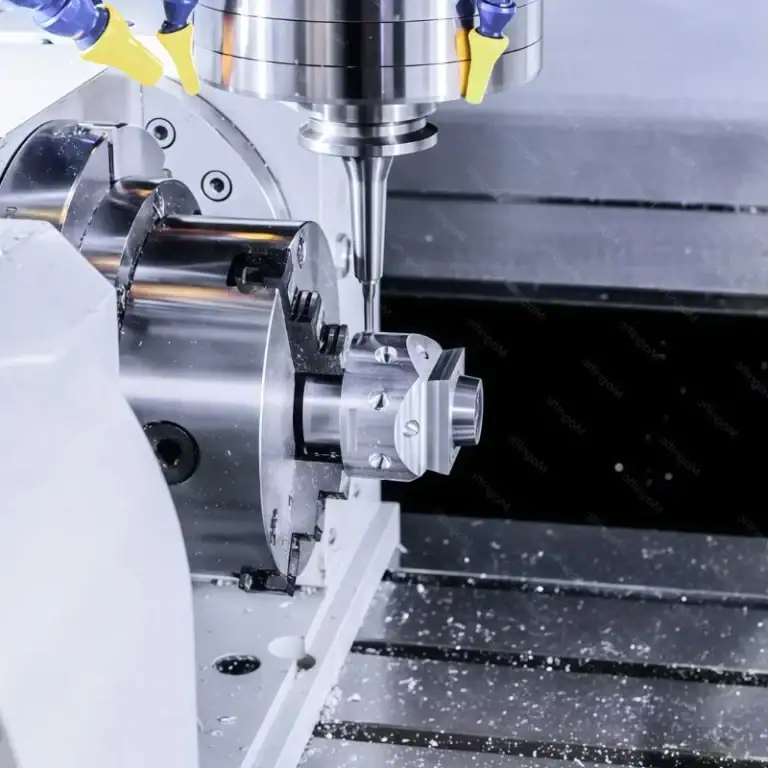
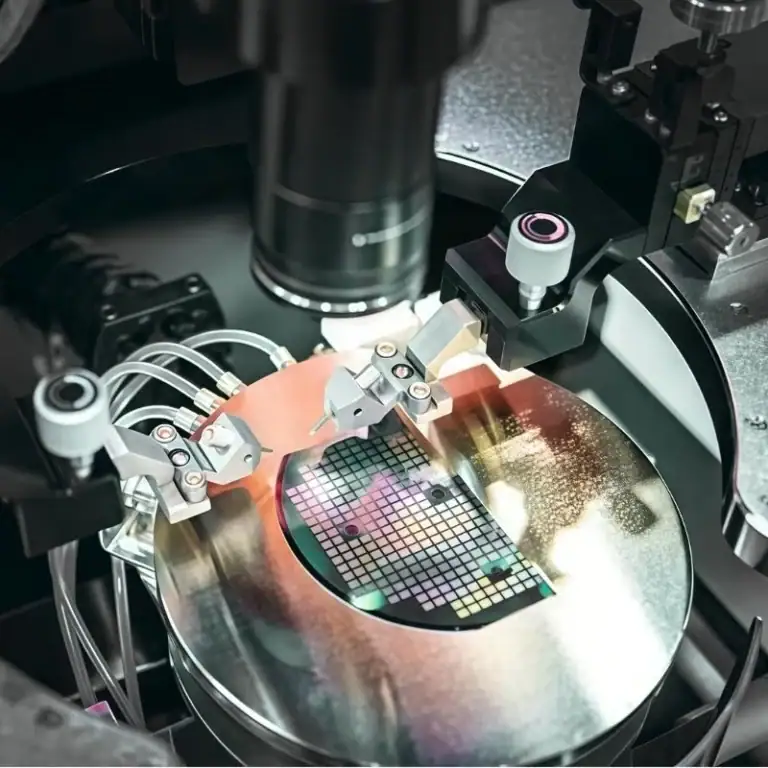
In modern precision manufacturing, CNC turning has become one of the most widely used machining processes for rotational components. It is extensively applied in industries such as automotive, aerospace, medical devices, electronics, and industrial automation. Compared with traditional manual lathes, CNC turning uses computer numerical control to precisely manage tool paths, enabling highly accurate, stable, and efficient machining. However, not all parts are suitable for turning; it is mainly used for components with rotational or cylindrical structures. Understanding which parts are suitable for CNC turning helps manufacturers optimize production processes, improve machining efficiency, reduce costs, and ensure consistent product quality.
Shaft Components Are the Most Typical CNC Turning Parts
Shaft components are widely used in mechanical systems, including transmission shafts, drive shafts, connecting shafts, and support shafts. These parts usually have symmetrical rotational structures, making them ideal for CNC turning. The process ensures precise control of diameter, roundness, and concentricity, which is essential for stable operation under high-speed working conditions.
High-Precision Requirements for Shaft Machining
Shaft parts often require extremely tight dimensional accuracy. Even small deviations may affect the stability and performance of mechanical systems. CNC turning ensures precise control of geometry and surface quality through programmed tool paths and stable cutting parameters.
- Ensure roundness accuracy
- Control concentricity tolerance
- Improve surface finish
- Reduce assembly deviation
- Enhance operational stability
- Increase wear resistance
Stable machining capability makes CNC turning a core process for shaft manufacturing.
High Consistency in Mass Production
Shaft components are often produced in large quantities, requiring consistent quality across all parts. CNC turning ensures identical machining conditions through programmed control, minimizing human error and improving production efficiency.
- Improve batch consistency
- Reduce human errors
- Increase production efficiency
- Support automated machining
- Reduce defect rates
- Improve delivery stability
This consistency makes CNC turning indispensable in industrial production.
Sleeve Parts Are Ideal for Internal and External Turning
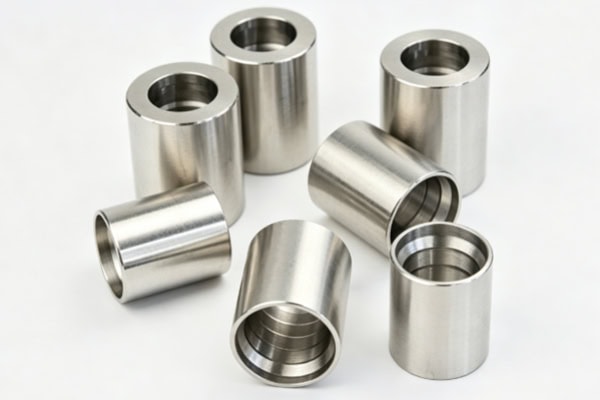
Sleeve-type parts include bushings, bearing sleeves, and cylindrical housings. These components require precise internal and external dimensional matching. CNC turning can efficiently machine both inner and outer surfaces in a single setup, improving accuracy and productivity.
Advantages in Internal and External Machining
The key requirement of sleeve parts is precise fit between inner holes and outer diameters. CNC turning reduces repositioning errors by completing multiple machining operations in one clamping.
- Improve fitting accuracy
- Reduce clamping errors
- Increase machining efficiency
- Ensure uniform wall thickness
- Improve surface quality
- Enhance assembly performance
Proper machining methods significantly improve the performance of sleeve components.
Widely Used in Industrial Applications
Sleeve parts are widely used in mechanical transmission systems, automotive engineering, hydraulic systems, and industrial machinery. They require excellent wear resistance and dimensional stability.
- Mechanical bearing structures
- Automotive transmission systems
- Hydraulic equipment components
- Industrial bushings
- Precision positioning parts
- Equipment support structures
CNC turning efficiently meets the manufacturing needs of these applications.
Flange Parts Are Suitable for High-Efficiency Turning
Flange parts are widely used in piping systems, machinery, and industrial equipment. They typically feature disc-shaped structures with central holes, making them ideal for CNC turning.
High Dimensional Stability Requirements
Flange components require high flatness and hole accuracy to ensure proper sealing and assembly performance. Any deviation may cause leakage or connection failure.
- Ensure flatness
- Improve hole accuracy
- Enhance sealing performance
- Improve connection stability
- Reduce leakage risk
- Increase assembly efficiency
Precision turning ensures reliable performance of flange parts.
Suitable for Standardized Mass Production
Flange parts are often standardized, making them ideal for large-scale CNC turning production. This improves efficiency and reduces manufacturing costs.
- Standardized production
- Higher machining efficiency
- Lower manufacturing cost
- Consistent dimensions
- Faster delivery
- Improved production rhythm
As a result, flanges are widely used in industrial manufacturing.
Threaded Parts Are Ideal for Precision Turning
Threaded components include screws, bolts, connectors, and various fastening parts. These components require precise thread pitch and profile accuracy, which CNC turning can reliably achieve.
High-Precision Thread Machining Capability
Thread accuracy directly affects connection strength and sealing performance. CNC turning ensures consistent pitch and thread profile quality.
- Control thread pitch accuracy
- Maintain uniform thread profile
- Improve connection strength
- Reduce loosening risk
- Enhance sealing performance
- Increase durability
Precision threading is one of the key applications of CNC turning.
Widely Used Industrial Fastening Components
Threaded parts are widely used in mechanical, automotive, electronic, and piping systems.
- Mechanical fasteners
- Automotive connectors
- Industrial pipe fittings
- Electronic assembly parts
- Medical device components
- Equipment fastening systems
CNC turning efficiently supports the production of these components.
Complex Rotational Parts Are Suitable for CNC Turning
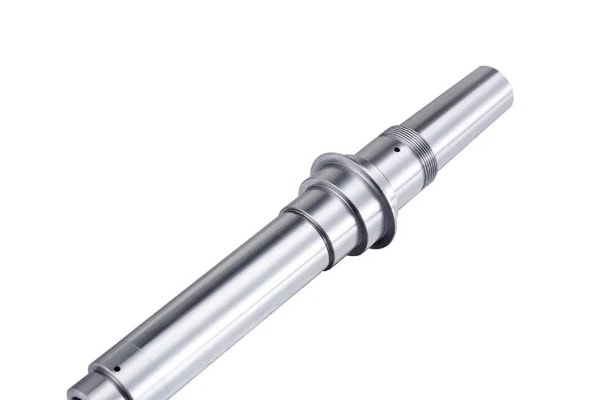
Some components have complex geometries but are still based on rotational structures, such as stepped shafts, shaped shafts, and grooved components. CNC turning can efficiently handle these designs with high precision.
Multi-Process Integrated Machining Capability
Complex parts often require multiple operations, but CNC turning can complete many of them in a single setup.
- Multi-diameter machining
- Groove machining capability
- Chamfering operations
- High precision control
- Improved efficiency
- Reduced setups
Integrated machining significantly improves production efficiency.
Improved Stability for Complex Manufacturing
Complex parts are more prone to cumulative errors, but CNC turning minimizes such risks through precise numerical control.
- Improve machining stability
- Reduce cumulative errors
- Enhance dimensional accuracy
- Improve surface quality
- Increase consistency
- Strengthen reliability
Therefore, it is suitable for high-precision complex part manufacturing.
Core Value of CNC Turning in Industrial Manufacturing
With continuous advancements in manufacturing technology, CNC turning plays an increasingly important role in modern industry. It is suitable not only for shaft parts but also for sleeve, flange, threaded, and complex rotational components. With further development in automation and intelligent manufacturing, CNC turning will continue to improve efficiency, precision, and stability, providing strong support for high-end manufacturing industries worldwide.