Aluminum is one of the most widely used metal materials in modern manufacturing. It is commonly found in aerospace, automotive manufacturing, electronics, automation equipment, medical devices, and new energy industries.
In modern manufacturing, CNC turning and casting are two widely used production processes for mechanical components. Both methods are extensively applied in machinery manufacturing, automotive production, aerospace engineering, energy equipment,
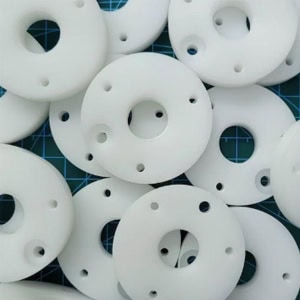
As engineering plastics continue to evolve, more industries are replacing certain metal components with plastic parts. Compared with traditional metal materials, plastics offer advantages such as lighter weight, corrosion resistance,
As competition in the manufacturing industry continues to intensify, companies are placing greater emphasis on production efficiency, delivery speed, and cost control. CNC turning is one of the most widely
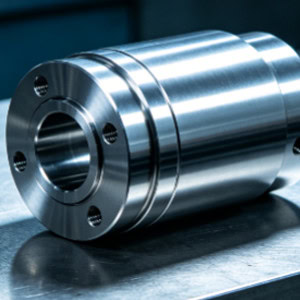
The quality of CNC turning parts directly influences product performance, assembly accuracy, and durability. Many elements in the machining process can affect the final outcome, from machine stability and tool
Surface finish quality is a critical indicator of CNC turning performance, directly influencing part functionality, assembly precision, and long-term durability. Achieving smooth surfaces requires attention to machine condition, tool selection,
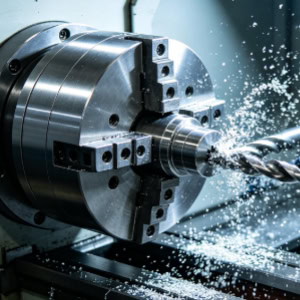
Vibration is one of the most common issues affecting machining quality, production efficiency, and equipment lifespan during CNC turning operations. When vibration occurs in the cutting zone, it can lead
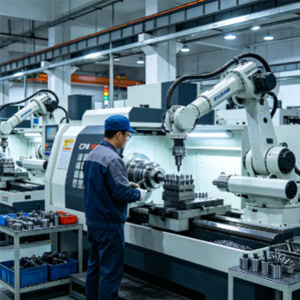
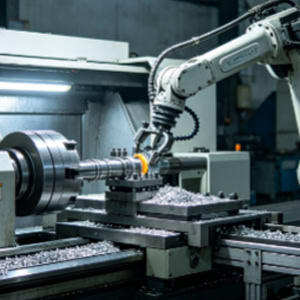
CNC turning is a key technology in modern manufacturing, capable of high precision and complex shape machining. Improving efficiency in CNC turning involves optimizing processes, tool selection, cutting parameters, and
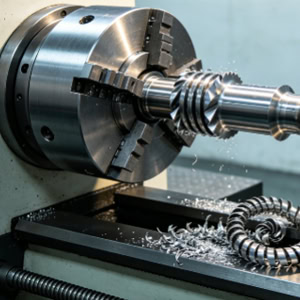
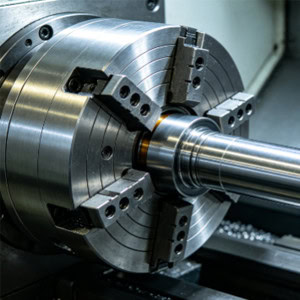
CNC turning is a core process in modern precision manufacturing. It uses computer numerical control systems to precisely control tool paths and spindle movement, enabling high-efficiency and high-accuracy machining of
CNC turning technology uses computer numerical control systems to precisely manage tool paths and spindle movements, enabling stable machining of various rotational parts. With the continuous development of modern manufacturing,
CNC turning is a widely used precision manufacturing method in modern engineering. It uses computer numerical control systems to manage tool paths, spindle rotation, and feed movement, enabling highly accurate
CNC turning is an advanced manufacturing process that uses computer numerical control systems to perform precision cutting operations. It enables high accuracy, excellent repeatability, and efficient production of various components.
Scroll to Top
Your 24 hour quote
Send us a message if you have any questions or request a quote. We will be back to you within 1-2 hours!