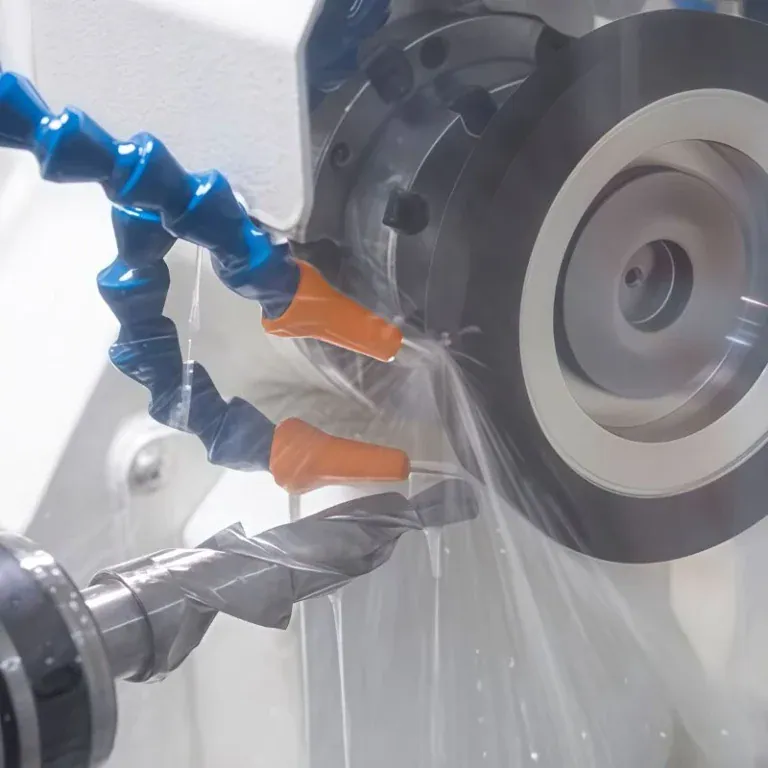
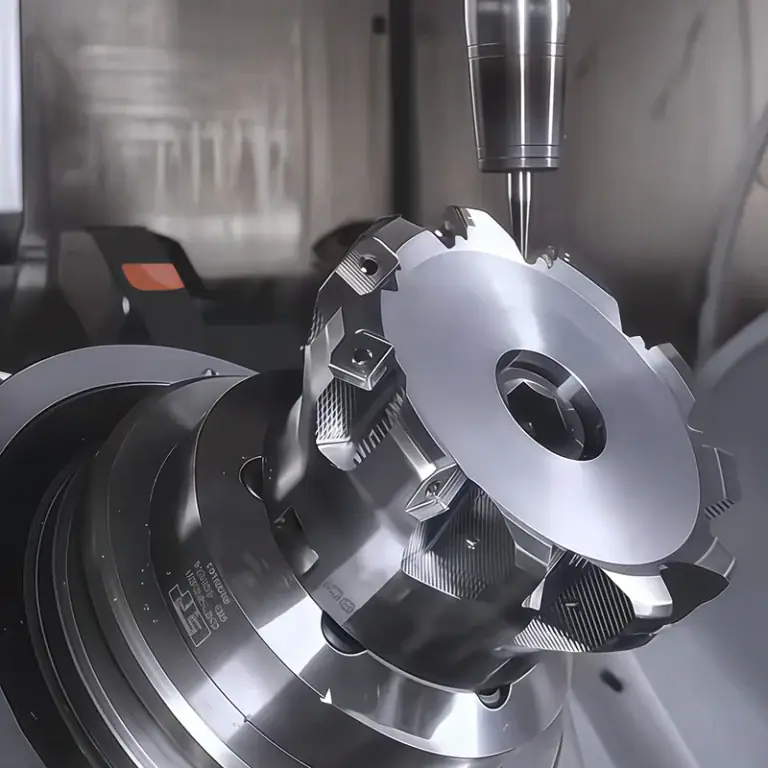
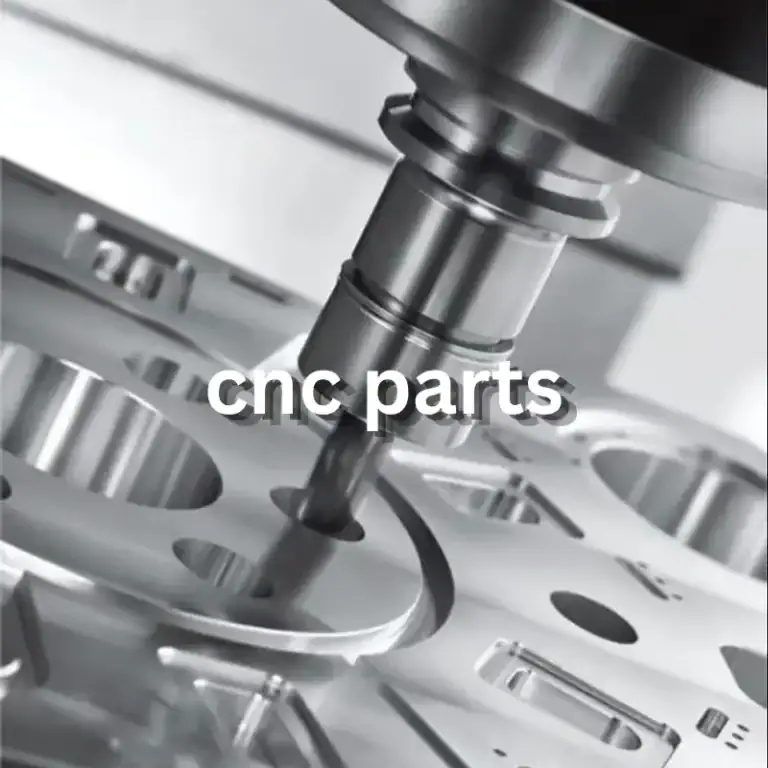
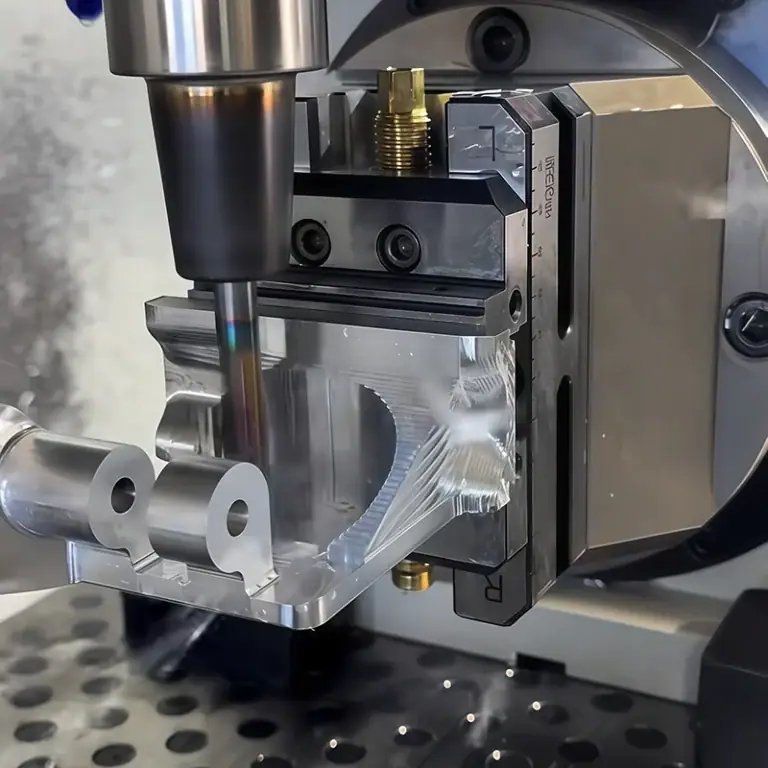
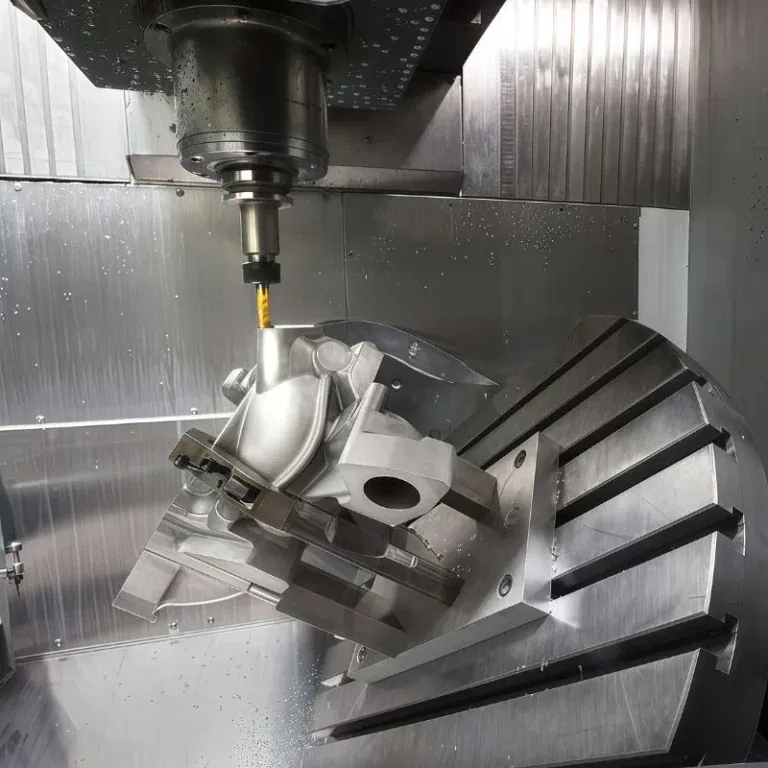
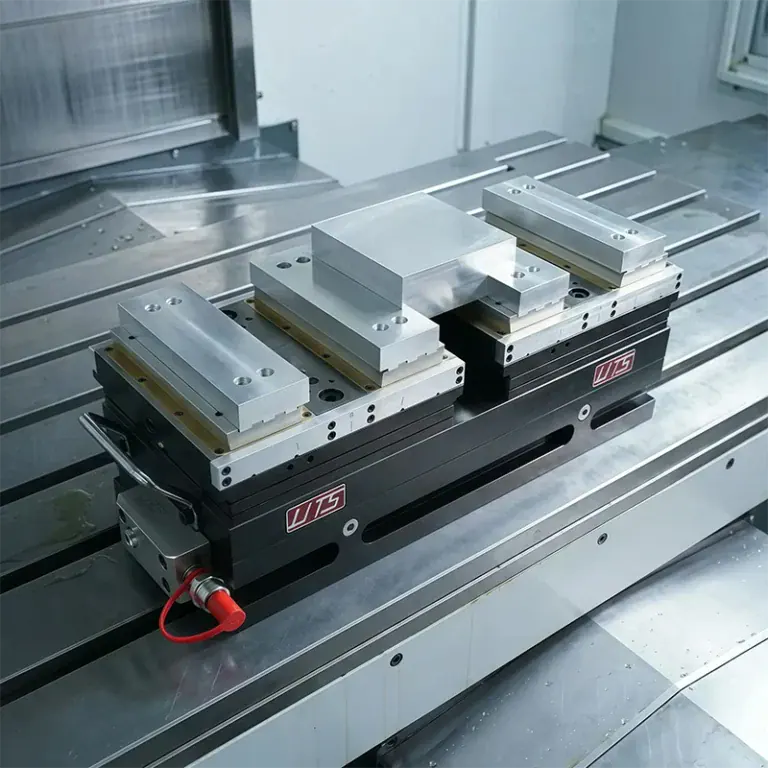
In CNC turning processes, the selection of cutting tools directly affects machining efficiency, surface quality, and part precision. Different materials and geometric structures require different types of tools to achieve optimal machining results. With the development of CNC technology, modern turning tools have been continuously improved in terms of material, structural design, and coating technology, significantly enhancing machining capabilities. Proper tool selection not only improves cutting efficiency but also extends tool life and reduces production costs.
External Turning Tools Are Widely Used in Shaft Machining
External turning tools are one of the most fundamental and frequently used tools in CNC turning. They are mainly used for machining cylindrical outer surfaces. Shaft parts, sleeve components, and various rotationally symmetric structures all rely heavily on external turning tools.
Rough and Finish Machining Capabilities of External Turning Tools
External turning tools can complete both roughing and finishing operations with stable performance under different cutting parameters. By adjusting feed rate and cutting depth, a balance between high efficiency and high precision can be achieved.
- Improve machining efficiency
- Ensure dimensional consistency
- Reduce machining errors
- Enhance surface finish
- Adapt to multiple materials
- Extend tool life
In mass production of shaft components, external turning tools significantly improve production efficiency while maintaining stable quality.
Suitable for Multiple Material Types
External turning tools can be used for machining carbon steel, stainless steel, aluminum alloys, and engineering plastics.
- Stable performance on carbon steel
- High wear resistance for stainless steel
- Smooth cutting of aluminum alloys
- Low deformation when machining plastics
- Suitable for high-speed cutting
- Compatible with various machine tools
Their strong versatility makes them a basic tool in CNC turning operations.
Internal Boring Tools for Precision Hole Machining
Internal boring tools are used for machining internal hole structures, widely applied in mechanical parts such as bearing seats, connection holes, and hydraulic channels.
High Precision Control in Internal Machining
Internal machining requires high tool rigidity and stability. Boring tools use long, slender tool holders to reach deep internal structures.
- Ensure hole diameter accuracy
- Improve inner wall finish
- Control roundness deviation
- Reduce vibration influence
- Suitable for deep-hole machining
- Improve assembly precision
High-precision internal machining is critical for assembly quality.
Suitable for Complex Internal Structures
Modern mechanical parts often have complex internal geometries. Internal boring tools can meet the machining requirements of various hole structures, including those used in aerospace, automotive manufacturing, hydraulic systems, and precision machinery.
With continuous advancements in CNC technology and tool manufacturing, modern boring tools can achieve deeper machining, higher precision, and more complex structures, providing reliable support for high-quality production.
- Hydraulic valve body machining
- Bearing seat machining
- Sleeve internal machining
- Precision through-hole machining
- Stepped hole machining
- Deep hole components
Whether simple or complex, internal boring tools maintain stable precision and surface quality.
Parting Tools for Cutting and Shaping Operations
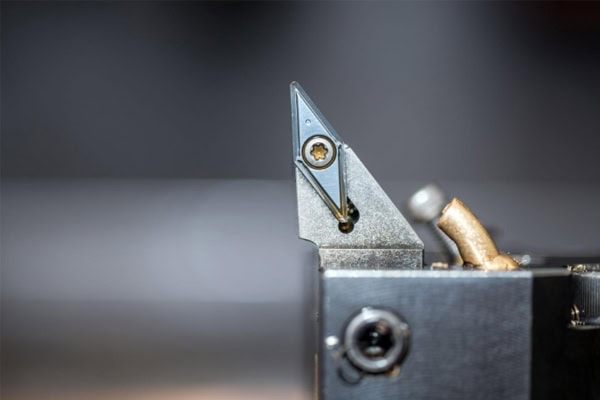
Parting tools are mainly used to separate finished parts from raw material bars and also for grooving operations. In automated CNC lathe production, they provide fast and stable cutting performance while improving efficiency and reducing material waste.
High-Efficiency Cutting Capability
Parting tools complete material separation in a short time, improving productivity.
- Fast material separation
- Smooth cut surfaces
- Reduced material waste
- Increased production speed
- Suitable for batch production
- Lower manufacturing cost
They are widely used in automated production lines.
Suitable for Groove Machining
In addition to cutting operations, parting tools are also used for groove machining.
- Keyway machining
- Sealing groove machining
- Positioning groove machining
- Circular groove machining
- Assembly groove structures
- Functional slotting
Their flexibility makes them highly practical in manufacturing.
Threading Tools for Precision Thread Machining
Threading tools are essential for producing threaded parts and are widely used in mechanical connections.
High Thread Accuracy Control
With CNC control of pitch and tool path, threading tools ensure precise and stable thread machining.
- Consistent thread pitch
- Improved fit accuracy
- Stable thread profile
- Reduced assembly errors
- Support for standard threads
- Improved connection reliability
Thread quality directly affects mechanical performance.
Suitable for Various Thread Types
Threading tools can process multiple industrial thread standards.
- Metric threads
- Imperial threads
- Tapered threads
- Pipe threads
- Fine-pitch precision threads
- Custom threads
They meet diverse industrial requirements.
Form Tools for Complex Profile Machining
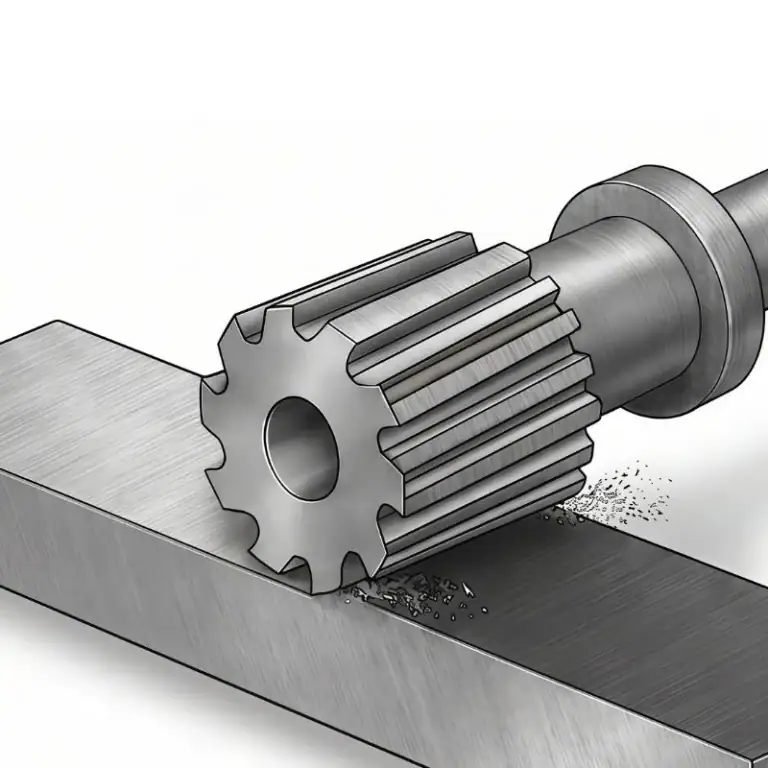
Form tools are used for machining parts with complex contours. A specially designed cutting edge allows the entire profile to be formed in a single operation.
High-Efficiency Complex Shape Machining
Form tools significantly reduce machining steps and improve production efficiency.
- One-step forming
- Higher machining efficiency
- Consistent profile accuracy
- Reduced tool changes
- Lower cumulative errors
- Stable batch production
They are ideal for standardized mass production.
Suitable for Special Structural Parts
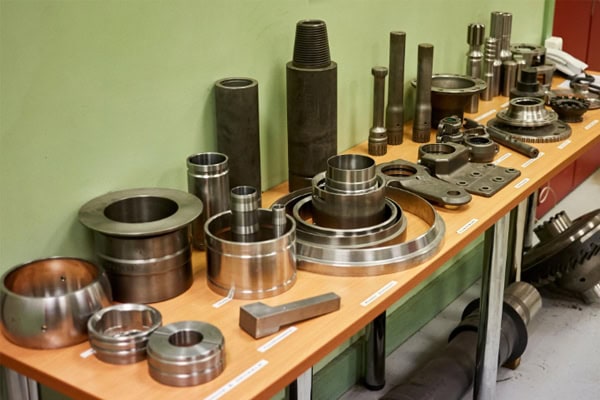
In the field of non-standard parts machining, forming tools play an irreplaceable role due to their unique tool profile design. Many parts have complex curves, special contours, or custom structures. If machined using ordinary turning tools, they often require multiple tool changes and repeated machining, which not only increases the production cycle but also easily introduces dimensional errors. Forming tools can be specially designed according to the product’s structural characteristics, completing the machining of complex contours in one or a few operations, effectively improving production efficiency and machining accuracy. For special parts produced in batches, forming tools can ensure that each product maintains a high degree of consistency in shape, size, and surface quality.Irregular part machining
- Tooth profile machining
- Curved surface machining
- Custom components
- Precision contour machining
- Industrial special parts
With the increasing demand for precision manufacturing and personalized production, form tools are being used more and more widely in industries such as automotive parts, aerospace equipment, medical devices, and automated equipment. By rationally designing the tool profile and cutting parameters, not only can machining time be shortened, but manual intervention and machining costs can also be reduced, providing strong support for enterprises to achieve high-efficiency, high-quality production. In modern CNC turning systems, form tools have become one of the important tools for improving the manufacturing capabilities of complex parts.
Impact of Tool Selection on Machining Quality
The selection of CNC turning tools not only affects machining efficiency, but also directly determines product quality, machining accuracy, surface finish and production cost control. Reasonable tool selection can improve the overall manufacturing level.
Proper Selection Improves Productivity
The appropriate selection of cutting tools not only affects the machining quality of individual parts but also impacts the efficiency of the entire production process. In modern CNC machining workshops, different workpiece materials, machining accuracy requirements, and production batches all impose different requirements on tool configurations. By analyzing the workpiece’s structural characteristics and cutting conditions, selecting suitable tool types, insert materials, and cutting parameters can effectively reduce machining difficulty, improve equipment operational stability, and minimize downtime during production.Increase machining speed
- Reduce tool wear
- Improve surface quality
- Lower defect rate
- Optimize workflow
- Improve machine utilization
For businesses, selecting the right cutting tools not only reduces production costs but also improves product consistency and delivery efficiency. In an increasingly competitive market, efficient and stable machining capabilities have become crucial for manufacturing companies to enhance their competitive advantage, and correctly selecting turning tools is a fundamental basis for achieving this goal.
Different Materials Require Different Tools
Material properties determine the choice of cutting tool type. Different workpiece materials vary significantly in hardness, toughness, thermal conductivity, and cutting characteristics. Inappropriate tool selection can not only affect machining efficiency but also lead to accelerated tool wear, decreased workpiece surface quality, and even dimensional deviations. Choosing the appropriate tool material, tip structure, and coating type based on material characteristics can effectively improve machining stability and production efficiency.Steel requires wear-resistant tools
- Aluminum requires sharp tools
- Stainless steel requires tough tools
- Plastics require low-heat tools
- Hard materials require coated tools
- Precision parts require stable tools
Proper tool matching can significantly improve machining results. In the field of modern CNC machining, cutting tools have become a crucial factor affecting production quality and manufacturing costs. When selecting cutting tools, companies need to consider not only the workpiece material but also the machining accuracy requirements, production volume, and equipment performance for a comprehensive evaluation. A scientific tool configuration can improve machining efficiency, extend tool life, and achieve more stable product quality, creating higher production value and a competitive advantage for the company.