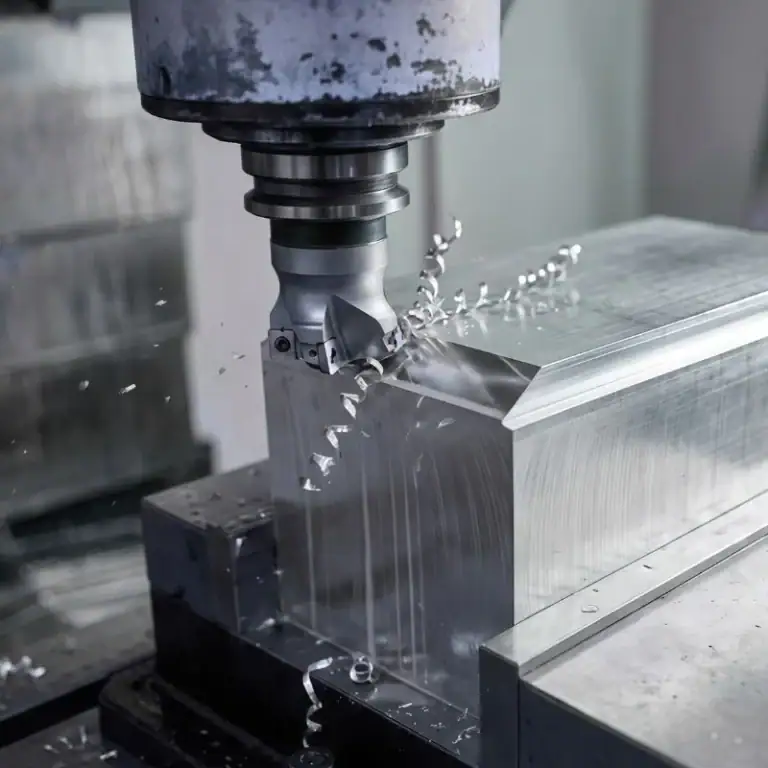
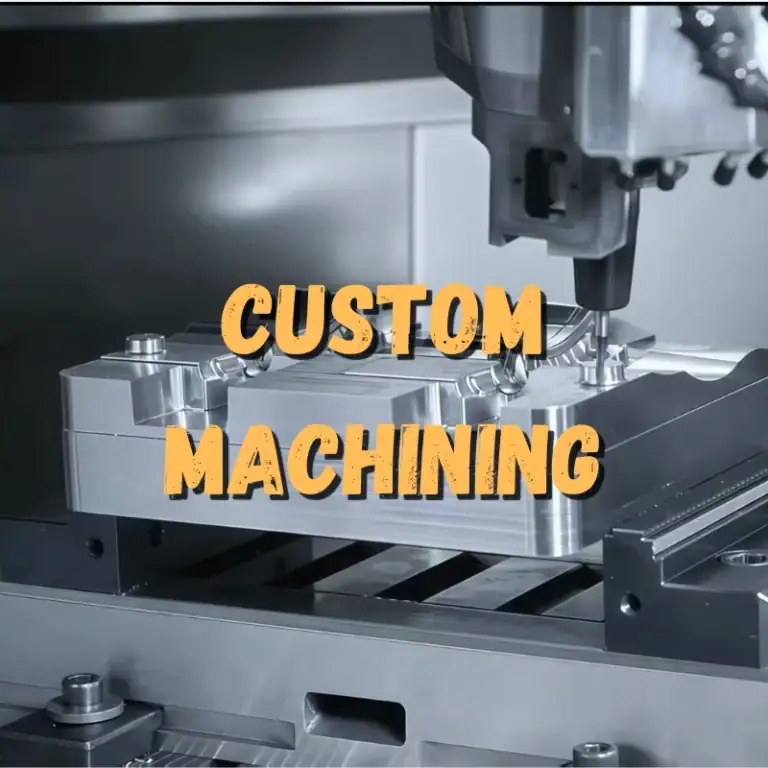
CNC turning technology has become an essential manufacturing process in modern industry due to its high precision, efficiency, and stable mass-production capabilities. From traditional machinery manufacturing to advanced aerospace engineering, from automotive production to medical device manufacturing, countless precision components rely on CNC turning processes. As automation equipment and intelligent manufacturing continue to evolve, manufacturers demand higher dimensional accuracy, surface quality, and production efficiency. CNC turning effectively meets these requirements through digitally controlled machining processes, improving product consistency while reducing human error. As a result, an increasing number of industries are adopting CNC turning technology to enhance product quality and strengthen market competitiveness.
The Aerospace Industry Relies Heavily on CNC Turning Technology
The aerospace sector places extremely strict requirements on component accuracy, material performance, safety, and reliability. Aircraft engines, aerospace structures, and spacecraft systems contain numerous critical components that require precision machining. Since these parts are often made from titanium alloys, superalloys, and high-strength aluminum alloys, advanced CNC turning equipment plays a vital role in manufacturing.
Aircraft Engine Component Manufacturing
Aircraft engines operate under high temperatures, high pressures, and extremely high rotational speeds. Internal components must withstand substantial mechanical loads and demanding operating conditions. Dimensional accuracy, concentricity, roundness, and surface finish are critical requirements. Even minor machining deviations can affect engine performance and operational safety.
CNC turning technology utilizes advanced numerical control systems to manufacture complex shafts, rotor assemblies, connecting structures, and rotating components with exceptional precision. Automated toolpath control ensures dimensional consistency and repeatable machining accuracy.
- Improve dimensional accuracy
- Ensure concentricity requirements
- Enhance surface quality
- Increase operational stability
- Meet high-strength requirements
- Improve product reliability
High-precision machining capabilities help ensure long-term engine stability and flight safety.
Aerospace Structural Component Manufacturing
Aircraft structural components must provide sufficient strength while supporting lightweight design objectives. CNC turning enables manufacturers to efficiently produce precision structural parts that meet strict industry standards.
- Support lightweight designs
- Improve machining efficiency
- Ensure dimensional consistency
- Reduce assembly errors
- Enhance product quality
- Meet strict certification requirements
Consistent machining quality contributes to overall aircraft performance and reliability.
Space Equipment Component Production
Many critical components used in satellites and spacecraft require ultra-high precision machining.
- Achieve micron-level precision
- Improve reliability
- Reduce failure risks
- Adapt to extreme environments
- Support complex structures
- Extend product lifespan
High-quality machining supports stable aerospace system performance.
The Automotive Industry Widely Uses CNC Turning
The automotive industry represents one of the largest application sectors for CNC turning technology. Engine systems, transmissions, chassis assemblies, and electric vehicle components all depend heavily on precision turning processes.
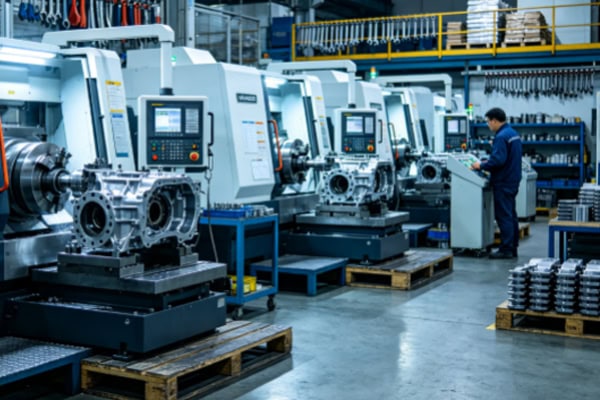
Engine System Component Manufacturing
Engine components directly influence power output, fuel economy, and vehicle stability. Strict requirements exist for dimensional accuracy, concentricity, and surface finish.
- Crankshaft machining
- Camshaft machining
- Piston pin production
- Connecting rod components
- Precision bushing machining
- Support component manufacturing
Large-scale engine manufacturing requires exceptional consistency and machining precision.
Transmission System Component Production
Transmission systems transfer power throughout the vehicle and require precise dimensional control and wear resistance.
- Transmission shafts
- Coupling components
- Connection assemblies
- Gear-related parts
- Transmission structures
- Precision connectors
High-quality machining improves driving performance and vehicle reliability.
Electric Vehicle Component Manufacturing
The rapid growth of electric vehicles has significantly increased demand for precision machining.
- Motor shafts
- Battery structural components
- Conductive connectors
- Cooling assemblies
- Precision housings
- Lightweight components
The continued expansion of the EV market increases the importance of CNC turning technology.
The Medical Device Industry Has Strong Demand for Precision Turning
The medical industry requires exceptional precision, material safety, and product consistency. Many medical devices and implantable products rely on CNC turning processes.
Medical Implant Manufacturing
Implantable medical products require outstanding precision and reliability. Strict tolerances and superior surface finishes are essential.
- Orthopedic implants
- Dental implants
- Medical connectors
- Surgical components
- Precision support parts
- Specialized medical components
High-precision machining improves safety and treatment effectiveness.
Medical Equipment Component Manufacturing
Modern medical devices contain numerous precision components that require highly accurate machining.
- Testing equipment parts
- Diagnostic components
- Imaging system parts
- Surgical equipment components
- Automated medical assemblies
- Precision transmission parts
Consistent product quality improves equipment reliability and performance.
Miniature Precision Component Production
Many medical products require extremely small and highly precise components.
- Miniature shafts
- Precision threaded parts
- Guide assemblies
- Micro connectors
- High-precision sleeves
- Small support components
CNC turning effectively meets the requirements of miniature component manufacturing.
Automation Equipment and Industrial Machinery Widely Utilize CNC Turning
Industrial automation has increased demand for precision components, and many automated systems depend on CNC turning technology for core component production.
Core Automation Equipment Components
Automation systems often operate continuously for extended periods and require exceptional dimensional accuracy and durability.
- Precision shafts
- Guide assemblies
- Structural connectors
- Drive components
- Motion control assemblies
- Mechanical supports
High-quality components ensure long-term equipment stability.
Industrial Robot Component Manufacturing
Industrial robots depend on highly accurate motion systems. The quality of critical components directly affects positioning accuracy and operational performance.
- Rotary shafts
- Connection components
- Servo system parts
- Precision brackets
- Reduction gear assemblies
- Power transmission components
Precision machining improves robotic performance and accuracy.
Smart Manufacturing Equipment Production
The growth of smart factories has created strong demand for advanced manufacturing equipment.
- Automated production line parts
- Inspection equipment components
- Intelligent control structures
- Conveyor system parts
- Precision connectors
- Automation modules
The expanding smart manufacturing market continues to drive advancements in CNC turning technology.
Demand for CNC Turning Continues to Grow in the Electronics and Telecommunications Industry
Electronics and telecommunications products evolve rapidly, creating growing demand for precision structural components and metal housings. CNC turning supports both high accuracy and large-scale production requirements.
Telecommunications Equipment Component Manufacturing
The telecommunications industry requires large quantities of precision connectors and structural components.
- Signal connectors
- Communication interface assemblies
- Antenna structures
- Precision supports
- Conductive components
- Metal housing parts
Precision machining helps improve telecommunications equipment performance.
Consumer Electronics Manufacturing
Modern electronic products require excellent appearance quality, dimensional accuracy, and assembly performance.
- Smartphone components
- Wearable device parts
- Camera structure components
- Electronic housings
- Precision metal parts
- Functional connectors
High-quality machining improves product quality and customer satisfaction.
Heat Dissipation and Precision Structural Components
Electronic devices require effective thermal management to ensure reliable operation.
- Heat sink machining
- Metal frame manufacturing
- Precision mounting components
- Thermal conductive structures
- Functional support components
- Specialized structural assemblies
As the electronics industry continues to grow, CNC turning technology will play an increasingly important role in precision manufacturing, providing stable, efficient, and reliable machining solutions for advanced industries.