CNC turning is widely used in machinery manufacturing, automotive production, aerospace, medical equipment, energy systems, and automation industries. Different metals vary significantly in hardness, strength, thermal conductivity, corrosion resistance, and machinability. These differences directly affect machining efficiency, tool life, surface finish, and production costs. Selecting the right metal can improve machining performance, reduce tooling expenses, and ensure that finished components meet design requirements. Understanding the machining characteristics of common metals is essential for optimizing production processes and achieving consistent product quality.
Aluminum Alloys Are Among the Easiest Metals to Machine
Aluminum alloys are widely used in CNC turning due to their lightweight properties, high strength-to-weight ratio, and excellent machinability. They are commonly found in electronic housings, automotive components, aerospace structures, and industrial equipment. Compared with many high-hardness metals, aluminum generates lower cutting resistance, allowing higher cutting speeds and improved machining efficiency. For manufacturers focused on productivity and cost control, aluminum alloys are often the preferred choice.
Excellent Machining Efficiency
Aluminum alloys possess good thermal conductivity and relatively low hardness. Heat generated during cutting is quickly dissipated, reducing tool wear and allowing higher machining speeds. Chips are easily removed during machining, helping maintain stable cutting conditions and improving overall productivity.
- Low cutting resistance
- Suitable for high-speed machining
- Excellent chip evacuation
- Longer tool life
- Shorter machining cycles
- Higher production efficiency
High machining efficiency helps manufacturers reduce lead times and maximize machine utilization.
Superior Surface Finish
With proper cutting parameters, aluminum alloys can achieve excellent surface quality and dimensional accuracy. Many precision parts and cosmetic components are manufactured from aluminum because of its ability to produce smooth surfaces.
- High surface quality
- Stable dimensional accuracy
- Easy anodizing treatment
- Attractive appearance
- Convenient post-processing
- High product consistency
A better surface finish reduces polishing requirements and lowers finishing costs.
Wide Range of Applications
Aluminum alloys are used across numerous industries where lightweight construction and reliable performance are required.
- Aerospace components
- Automotive parts
- Communication equipment housings
- Automation equipment components
- Medical device parts
- Consumer electronics products
Their excellent balance of performance and machinability keeps aluminum alloys in high demand.
Stainless Steel Is Ideal for High-Strength and Corrosion-Resistant Components
Stainless steel offers outstanding corrosion resistance and mechanical strength, making it one of the most widely used materials in industrial manufacturing. Components exposed to moisture, chemicals, or harsh environments often rely on stainless steel for long-term reliability.
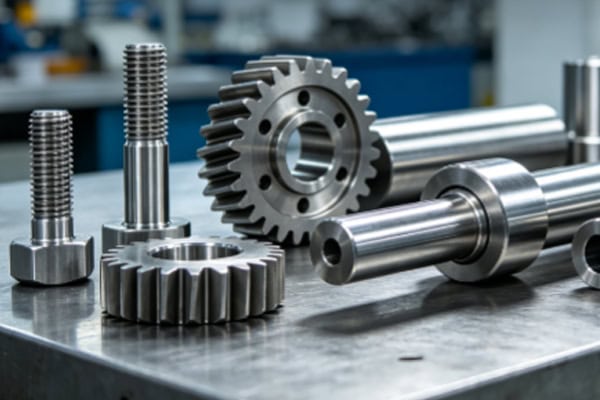
Outstanding Corrosion Resistance
A protective oxide layer forms naturally on stainless steel surfaces, providing excellent resistance against rust and corrosion. This property makes it highly suitable for demanding environments.
- Strong oxidation resistance
- Excellent corrosion resistance
- Suitable for humid environments
- Long service life
- Reduced maintenance costs
- Stable long-term performance
Corrosion resistance improves equipment reliability and extends component lifespan.
Excellent Mechanical Properties
Stainless steel provides a combination of strength, toughness, and durability that allows it to perform well under heavy loads and demanding operating conditions.
- High strength
- Good toughness
- Strong impact resistance
- Excellent fatigue resistance
- Stable structure
- High reliability
These characteristics make stainless steel suitable for critical industrial applications.
Common Applications
Stainless steel components are found in many industries requiring durability and hygiene.
- Medical equipment
- Food processing machinery
- Chemical processing equipment
- Marine components
- Energy systems
- Industrial machinery parts
Its versatility and durability make stainless steel an essential engineering material.
Carbon Steel Is Suitable for Cost-Effective Manufacturing
Carbon steel is one of the most commonly used industrial materials due to its balance of mechanical performance and affordability. It is particularly suitable for large-scale production projects where cost efficiency is important.
Relatively Low Material Cost
Carbon steel is widely available and economical compared with many specialty metals, making it attractive for high-volume manufacturing.
- Affordable raw material cost
- Stable supply availability
- Lower manufacturing expenses
- Suitable for mass production
- Widely available sources
- Excellent cost-effectiveness
Lower material costs help manufacturers maintain competitive pricing.
Good Machining Performance
Many grades of low- and medium-carbon steel offer stable machining characteristics and reliable production results.
- Stable cutting performance
- Reduced tool wear
- Easy dimensional control
- Suitable for automated production
- High machining efficiency
- Mature manufacturing processes
Its predictable machining behavior contributes to efficient production operations.
Broad Industrial Applications
Carbon steel is widely used in general industrial manufacturing because it offers a practical balance between strength, durability, machinability, and cost. Many manufacturers choose carbon steel for components that must withstand mechanical loads while remaining economical to produce. Its versatility allows it to be used in both simple and complex parts across a wide range of industries, from heavy machinery to automated production equipment.
- Shafts
- Flanges
- Couplings
- Industrial brackets
- Structural components
- Equipment connectors
Carbon steel is also commonly used in transmission systems, construction machinery, agricultural equipment, hydraulic systems, and industrial tooling. Different grades of carbon steel can be selected according to specific performance requirements, allowing manufacturers to optimize strength, wear resistance, and production costs. Its reliable mechanical properties and widespread availability make it one of the most important materials in modern manufacturing, ensuring strong and consistent demand across numerous industrial sectors.
Brass Is Ideal for High-Precision Turned Components
Brass is highly valued for its excellent machinability and electrical conductivity. It is frequently selected for precision components that require tight tolerances and smooth surface finishes.
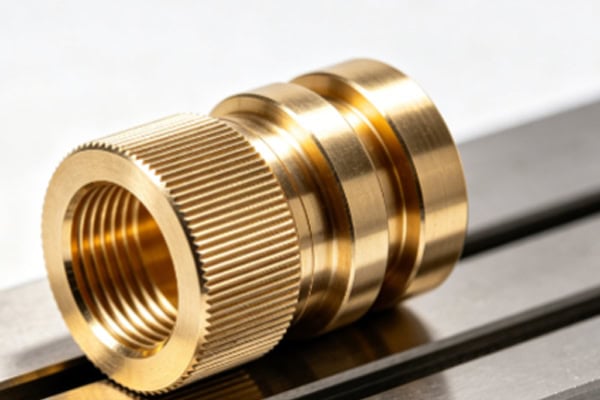
Outstanding Machinability
Brass is often considered one of the easiest metals to machine. It produces minimal tool wear and allows high cutting speeds while maintaining excellent accuracy.
- Low cutting resistance
- Smooth chip evacuation
- High machining efficiency
- Long tool life
- Excellent surface finish
- Stable precision
These properties make brass highly suitable for precision CNC turning operations.
Excellent Electrical and Thermal Conductivity
Brass offers excellent electrical and thermal conductivity, making it a preferred material for many electronic and electrical applications. Its stable performance helps ensure reliable operation in demanding environments, while its machinability allows manufacturers to produce precise components efficiently. Brass is commonly used for connectors, terminals, fittings, and other parts that require consistent conductivity and durability. These characteristics make it suitable for a wide variety of industrial and technical applications where performance and reliability are essential.
Typical Applications
Brass is commonly used in precision mechanical and electrical components.
- Fittings
- Valve components
- Electrical connectors
- Instrument parts
- Precision nuts
- Automation equipment components
Demand for high-precision components continues to drive the use of brass in manufacturing.
Titanium Alloys Are Ideal for High-End Precision Manufacturing
Titanium alloys offer an exceptional strength-to-weight ratio and outstanding corrosion resistance. They are among the most important materials used in aerospace, medical, and advanced engineering applications. Although machining titanium is more challenging than many other metals, its performance advantages make it highly valuable.
Exceptional Strength-to-Weight Ratio
Titanium combines exceptional mechanical strength with a remarkably low density, giving it one of the highest strength-to-weight ratios among engineering metals. This unique characteristic allows manufacturers to reduce component weight without sacrificing structural integrity. In industries where every gram matters, such as aerospace and medical technology, titanium alloys help improve efficiency, performance, and durability. Their ability to withstand repeated stress and harsh operating conditions makes them a preferred choice for critical components that require long-term reliability.
- High strength
- Lightweight structure
- Excellent fatigue resistance
- Outstanding durability
- Strong impact resistance
- Reliable performance
- Long service life
- Excellent temperature resistance
- Suitable for advanced products
- Ideal for weight-sensitive applications
The combination of strength, low weight, and durability enables titanium to perform exceptionally well in demanding environments where conventional metals may struggle to meet performance requirements. These advantages contribute to improved product efficiency, enhanced safety, and longer operational lifespans across a wide range of high-performance applications.
Excellent Corrosion Resistance
Titanium maintains its integrity in harsh environments and resists many forms of corrosion that affect other metals. A naturally formed oxide layer on the surface provides excellent protection against chemical attack, moisture, saltwater, and extreme temperatures. This protective characteristic allows titanium components to maintain their structural integrity and performance even after prolonged exposure to demanding operating conditions. As a result, titanium is frequently selected for applications where reliability and longevity are critical.
- Strong corrosion resistance
- Suitable for marine environments
- Excellent oxidation resistance
- Stable long-term performance
- Reduced maintenance costs
- Strong environmental adaptability
Unlike many conventional metals, titanium can withstand aggressive environments without significant degradation, reducing the need for frequent replacement or protective coatings. Its ability to perform consistently in challenging conditions helps improve equipment reliability and lowers lifecycle costs. These advantages make titanium a preferred material for specialized industries that require exceptional durability and long-term operational stability.
High-Value Industry Applications
Titanium alloys are commonly used in advanced manufacturing sectors where performance requirements are extremely demanding.
- Aircraft engine components
- Medical implants
- Aerospace structures
- Marine equipment
- Advanced automation systems
- Precision industrial products
As advanced manufacturing continues to expand, demand for titanium CNC turning applications is expected to grow steadily.