In the CNC machining industry, CNC turning and CNC milling are two of the most widely used manufacturing processes. Both methods are capable of producing high-precision components, but their cost structures differ significantly due to variations in machining principles, equipment configurations, tooling systems, and production methods. For product designers, purchasing managers, and manufacturing companies, understanding the cost differences between turning and milling can help create more efficient production plans and cost-effective sourcing strategies.
Many companies discover noticeable price differences when requesting quotations for parts made from the same material and with similar dimensions. These differences are influenced not only by equipment investment but also by machining time, tooling consumption, material utilization, and labor expenses. In high-volume production projects, these cost variations become even more significant. A thorough understanding of the key cost factors allows manufacturers to select the most economical machining process for their specific applications.
Differences in Equipment Investment Costs
Equipment investment is one of the largest fixed costs for machining companies. The purchase price, maintenance expenses, and service life of CNC machines directly affect the overall production cost and are ultimately reflected in product pricing.
CNC Turning Machines Require Lower Initial Investment
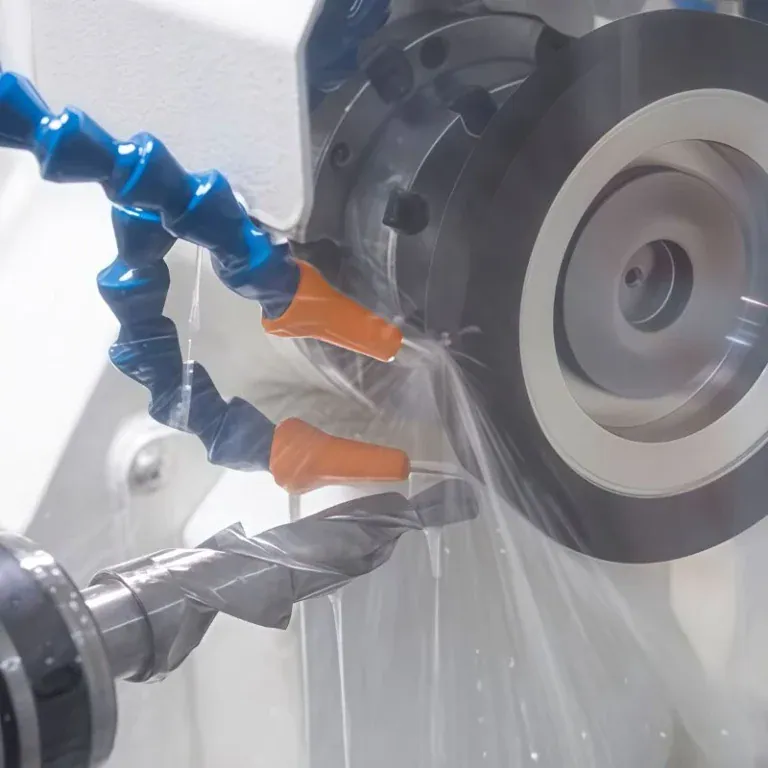
CNC lathes perform machining operations by rotating the workpiece while the cutting tool moves along programmed paths. Their mechanical structure is relatively mature and straightforward. For manufacturers producing shafts, bushings, sleeves, and cylindrical components, CNC lathes are often considered essential workshop equipment. Due to their widespread use and established technology, CNC lathes generally cost less than CNC machining centers with comparable precision levels.
- Lower machine purchase costs
- Smaller floor space requirements
- Reduced installation expenses
- Easier maintenance procedures
- Lower energy consumption
- Faster return on investment
For companies specializing in rotational components, CNC lathes provide stable production capabilities while maintaining lower fixed operating costs.
CNC Milling Equipment Requires Higher Investment
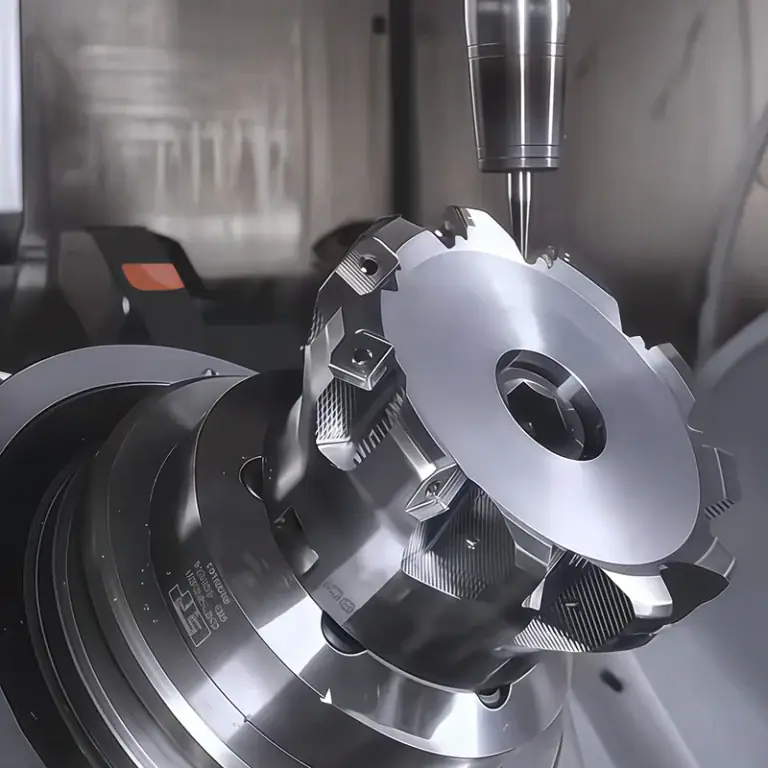
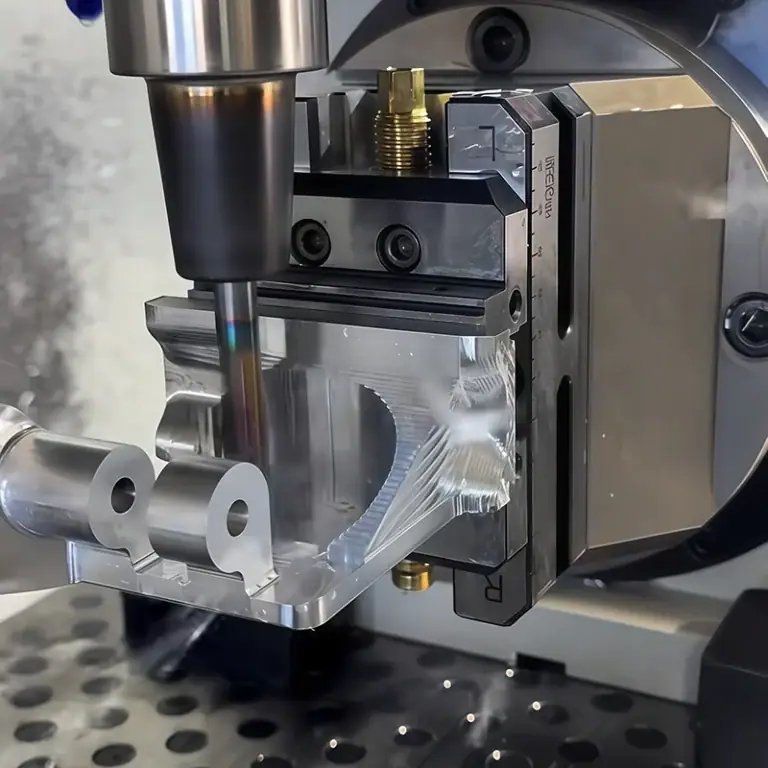
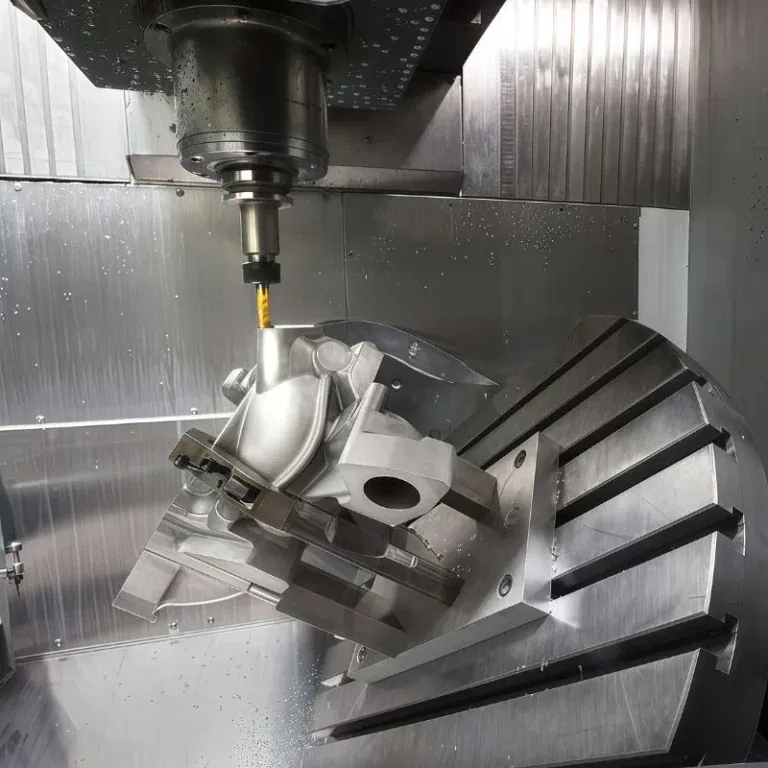
CNC milling machines and machining centers are designed to process flat surfaces, cavities, contours, and complex geometries. Their structures are considerably more sophisticated than CNC lathes. Modern machining centers typically include automatic tool changers, high-speed spindles, and multi-axis motion systems, all of which increase machine capability and purchase cost.
- Higher equipment prices
- Advanced automation features
- More complex control systems
- Increased maintenance requirements
- Larger installation footprint
- Greater initial capital investment
Although the investment cost is higher, CNC milling equipment offers greater versatility and enables manufacturers to undertake a broader range of projects.
The Impact of Machining Efficiency on Cost
Machining efficiency directly affects production output and plays a major role in determining the final cost per part. Different component geometries can significantly influence the efficiency of turning and milling operations.
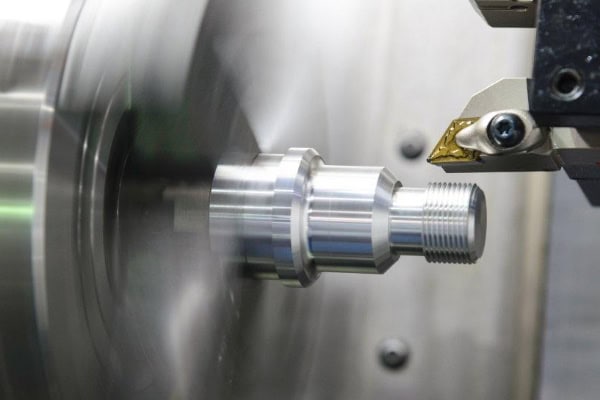
Turning Provides Higher Efficiency for Rotational Parts
CNC turning is particularly suitable for cylindrical, conical, and shaft-type components. Since the workpiece continuously rotates during machining, the cutting tool maintains a consistent cutting action, resulting in a high material removal rate. For large production runs, turning often completes machining tasks in a shorter amount of time.
- High material removal rates
- Continuous cutting efficiency
- Fewer tool changes
- High automation levels
- Faster production cycles
- Lower cost per part
For standard rotational components, CNC turning maximizes machine productivity while maintaining consistent quality.
Milling Requires More Time for Complex Components
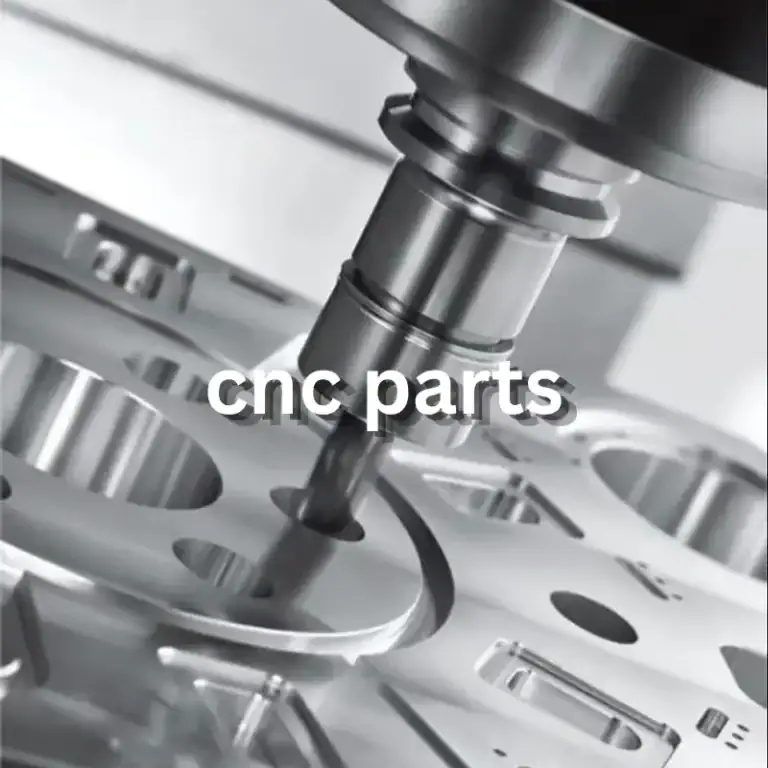
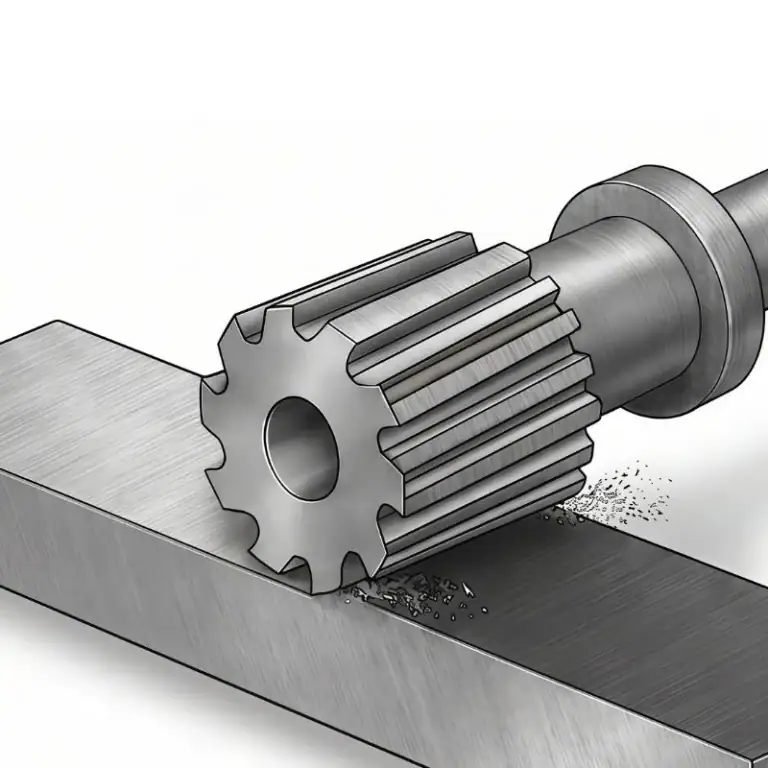
CNC milling relies on rotating cutting tools and multi-axis movement to remove material. It is highly effective for producing complex shapes and intricate features. However, sophisticated tool paths and frequent tool changes often increase machining time.
- Extensive programming requirements
- Complex toolpath generation
- Longer machining cycles
- Additional setup and testing time
- Frequent tool changes
- Higher unit production costs
Although milling operations may require more machining time, they are essential for manufacturing high-value components with demanding design requirements.
Differences in Tooling Costs
Cutting tools are among the most important consumables in CNC machining. Tool purchase costs, wear rates, and replacement frequency all contribute to long-term production expenses.
CNC Turning Tools Are More Cost-Effective
Turning operations generally use standardized indexable inserts. These tools are widely available, competitively priced, and easy to replace. Their standardized design makes them particularly suitable for long-term mass production.
The replacement process is straightforward, minimizing machine downtime and maintaining production efficiency. Strong tool standardization also simplifies inventory management and cost tracking.
- Lower insert prices
- High standardization levels
- Fast replacement procedures
- Simplified inventory management
- Longer tool life
- Lower overall tooling costs
A standardized tooling system helps manufacturers reduce inventory costs and improve production management efficiency.
CNC Milling Requires Greater Tool Investment
Milling operations often require multiple tool types, including end mills, ball nose cutters, face mills, and specialty tools. Complex parts frequently require several tools working together throughout the machining process.
- Larger variety of tools
- Higher purchasing costs
- More complicated inventory management
- Increased replacement frequency
- Faster wear rates
- Higher overall expenditures
By optimizing tooling strategies and cutting parameters, manufacturers can reduce milling-related tooling expenses to some extent.
Material Utilization Affects Final Pricing
Material cost represents a significant portion of total manufacturing expenses in many machining projects. The efficiency with which raw materials are utilized directly impacts profitability and product pricing.
CNC Turning Offers Higher Material Utilization
Turning operations typically begin with round bar stock, and the finished part often closely resembles the shape of the original material. As a result, less material must be removed during machining.
This advantage becomes especially valuable when working with expensive materials such as stainless steel, titanium alloys, and copper alloys.
- Reduced material waste
- Improved material utilization
- Lower raw material expenses
- Less scrap generation
- Increased profitability
- Lower overall production costs
For shafts and connector components, CNC turning often provides superior material efficiency.
CNC Milling Produces More Scrap Material
Complex milled parts are usually machined from blocks or plates, requiring substantial amounts of material removal. Large volumes of raw material may become waste during the machining process.
- Greater stock removal requirements
- Increased material waste
- Higher raw material costs
- Additional scrap handling expenses
- Longer machining times
- Increased overall production costs
In industries such as aerospace and medical manufacturing, material utilization is often a critical factor when evaluating project costs.
How to Choose the Most Cost-Effective Machining Process
The geometry of a component has a direct impact on manufacturing costs. Companies should evaluate part design, production volume, precision requirements, material selection, and delivery schedules before choosing a machining process.
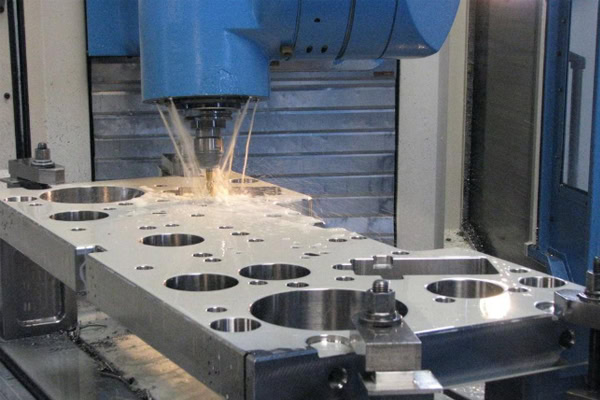
CNC Turning Is Ideal for Simple Rotational Components
Components such as shafts, threaded parts, connectors, and flanges benefit greatly from the efficiency and cost advantages of CNC turning. These advantages become even more apparent in large-volume production environments.
- Lower equipment investment
- Higher machining efficiency
- Reduced tooling expenses
- Better material utilization
- Strong mass-production capability
- Excellent product consistency
For standardized products, CNC turning often delivers the highest cost-performance ratio.
CNC Milling Is Better for Complex Geometries
For mold components, aerospace structures, and advanced mechanical parts, CNC milling can create features that are impossible to achieve through turning alone. While costs may be higher, the resulting products often provide greater value and functionality.
- Supports complex contours
- Meets high-precision requirements
- Enhances product functionality
- Reduces process transfers
- Accommodates sophisticated designs
- Supports advanced manufacturing applications
CNC turning generally offers stronger economic advantages for rotational components, while CNC milling excels in the production of complex structures and high-value products. Manufacturers should carefully evaluate product design, production volume, and technical requirements to achieve the best balance between quality, efficiency, and cost.