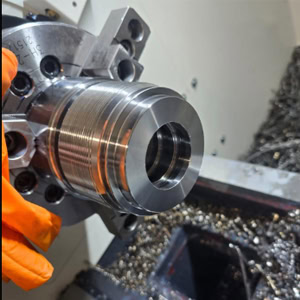
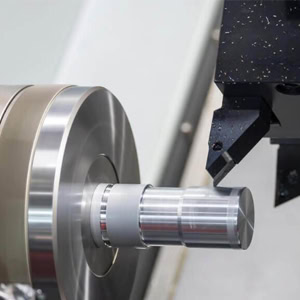
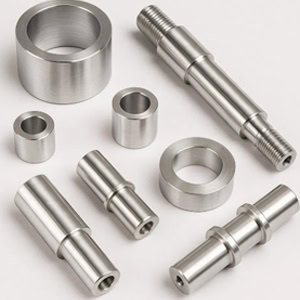
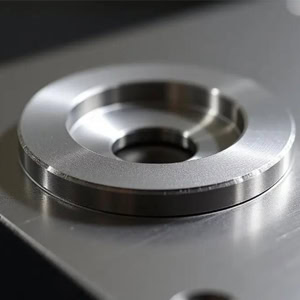
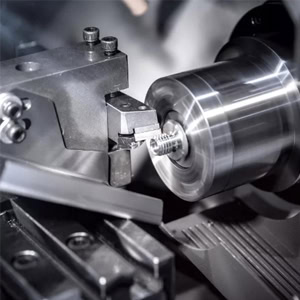
CNC turning is one of the most widely used precision machining technologies in modern manufacturing. By using computer numerical control (CNC) to precisely manage machine movements, CNC turning produces highly
CNC turning is a precision manufacturing process that requires careful planning to achieve high accuracy, efficiency, and production stability. Before a CNC lathe begins machining, thorough production preparation directly affects
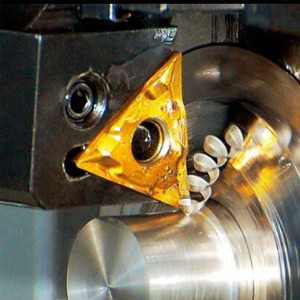
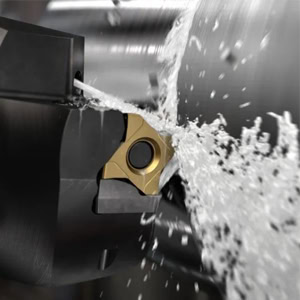
During CNC turning operations, cutting tools play a critical role in determining machining efficiency, dimensional accuracy, surface finish, and overall production cost. Throughout continuous cutting, the tool is subjected to
As precision manufacturing continues to evolve toward higher efficiency, greater accuracy, and smarter automation, traditional two-axis CNC lathes are no longer sufficient for machining increasingly complex components. Multi-axis CNC turning
As precision manufacturing technology continues to advance, CNC turning has become one of the most widely used machining processes in modern industry. Industries such as automotive manufacturing, aerospace, medical devices,
Round parts are widely used in mechanical manufacturing industries, including shafts, sleeves, flanges, gear shafts, connectors, rollers, and various rotating structural components. These parts usually require excellent roundness, concentricity, surface
In modern precision manufacturing, CNC turning has become a core process for producing cylindrical, shaft-type, and high-precision mechanical components. It is widely used in automotive, aerospace, medical devices, electronics, hydraulic
Vibration in CNC turning machines is one of the most critical machining stability problems in precision manufacturing. It not only affects surface quality but also directly reduces dimensional accuracy, tool
In modern precision manufacturing, CNC turning has become one of the most widely used machining processes for rotational components. It is extensively applied in industries such as automotive, aerospace, medical
The medical industry demands extremely high standards for component precision, surface quality, consistency, and reliability. Whether manufacturing surgical instruments, orthopedic implants, dental components, diagnostic equipment, or imaging device parts, every
Stainless steel is one of the most widely used engineering materials in modern manufacturing. Thanks to its excellent corrosion resistance, high mechanical strength, wear resistance, and attractive surface appearance, it
CNC turning has become one of the most important machining technologies in modern industrial manufacturing. It is widely used to produce precision rotational components for industries such as automotive, aerospace,
Scroll to Top
Your 24 hour quote
Send us a message if you have any questions or request a quote. We will be back to you within 1-2 hours!