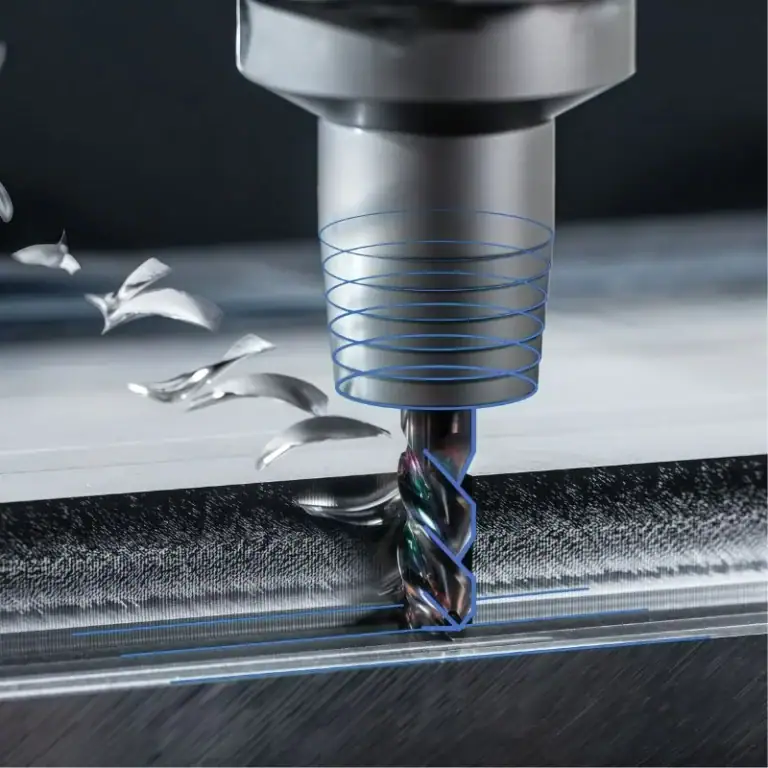
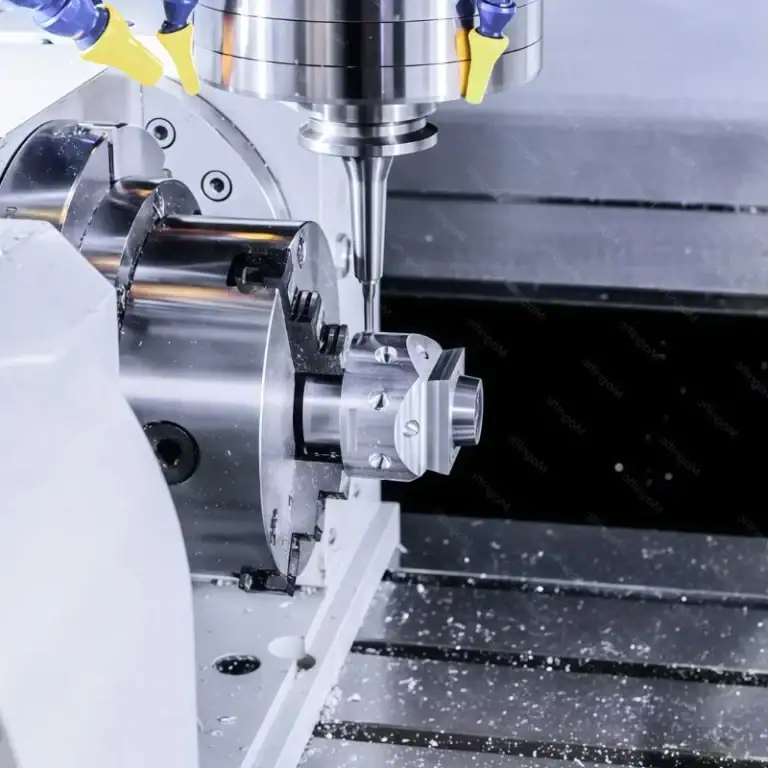
CNC turning is one of the most widely used precision machining technologies in modern manufacturing. It is extensively applied in industries such as automotive, aerospace, medical devices, electronics, and industrial machinery. During the machining process, cutting speed is one of the most critical machining parameters because it directly affects production efficiency, dimensional accuracy, surface finish, tool life, and manufacturing costs. Even when using the same machine, cutting tool, and workpiece material, adjusting the cutting speed alone can produce significantly different machining results. If the cutting speed is too low, production efficiency decreases and equipment capacity cannot be fully utilized. If the cutting speed is too high, excessive heat generation may accelerate tool wear, reduce machining accuracy, and even damage the workpiece. Selecting an appropriate cutting speed according to material properties, cutting tool performance, and machining requirements is essential for achieving high-quality CNC turning results while maintaining stable production and competitive manufacturing costs.
Cutting Speed Directly Influences Machining Efficiency
Production efficiency is one of the primary goals of CNC machining operations. Manufacturers constantly seek ways to shorten machining cycles while maintaining consistent product quality. Cutting speed plays a key role in determining production output because it directly controls how quickly material is removed from the workpiece. However, increasing cutting speed without considering machine capability, tooling performance, or material characteristics may create unwanted machining problems. Optimizing cutting speed requires balancing productivity with process stability to achieve maximum manufacturing efficiency.
Proper Cutting Speed Reduces Machining Time
When cutting conditions remain stable, increasing the cutting speed allows the cutting tool to remove material more quickly, reducing the machining time required for each component. This improvement becomes particularly valuable in high-volume manufacturing where even small reductions in cycle time can significantly increase daily production capacity. Higher efficiency also improves machine utilization and reduces idle time, helping manufacturers maximize equipment productivity while lowering production costs.
- Increase production output per hour
- Shorten machining cycles
- Improve machine utilization
- Accelerate order delivery
- Enhance automated production efficiency
- Reduce manufacturing costs per part
Properly increasing cutting speed allows manufacturers to improve productivity while maintaining stable machining quality and reliable equipment performance.
Excessively Low Cutting Speed Reduces Productivity
Although lower cutting speeds can reduce tool wear under certain conditions, they also increase machining time considerably. Machines operating at unnecessarily slow speeds cannot fully utilize their production capacity, resulting in higher labor costs and lower manufacturing efficiency. For companies handling large production volumes, excessively conservative cutting parameters can negatively affect delivery schedules and profitability.
- Extend machining time
- Reduce equipment utilization
- Increase labor costs
- Raise manufacturing expenses
- Lower production capacity
- Reduce market competitiveness
Maintaining a balanced cutting speed helps manufacturers improve productivity without sacrificing machining stability.
Cutting Speed Affects Surface Finish Quality
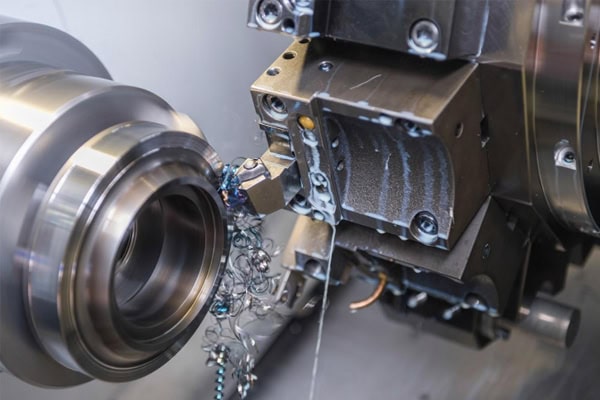
Surface finish is a critical quality indicator for precision-machined components because it directly influences assembly accuracy, wear resistance, sealing performance, and product lifespan. Selecting the appropriate cutting speed allows manufacturers to achieve smoother surfaces while minimizing machining defects.
Proper Cutting Speed Produces Better Surface Finish
Under suitable machining conditions, increasing cutting speed within the recommended range helps reduce built-up edge formation and allows the cutting tool to remove material more smoothly. This produces a cleaner surface with fewer visible tool marks. High-quality surface finishes are especially important for aerospace, automotive, and medical components where precision and reliability are essential.
- Reduce surface roughness
- Minimize tool marks
- Improve dimensional stability
- Enhance product appearance
- Improve assembly accuracy
- Extend component service life
Stable cutting speeds contribute to consistent machining quality while reducing the need for secondary finishing operations.
Excessive Cutting Speed Can Damage Surface Quality
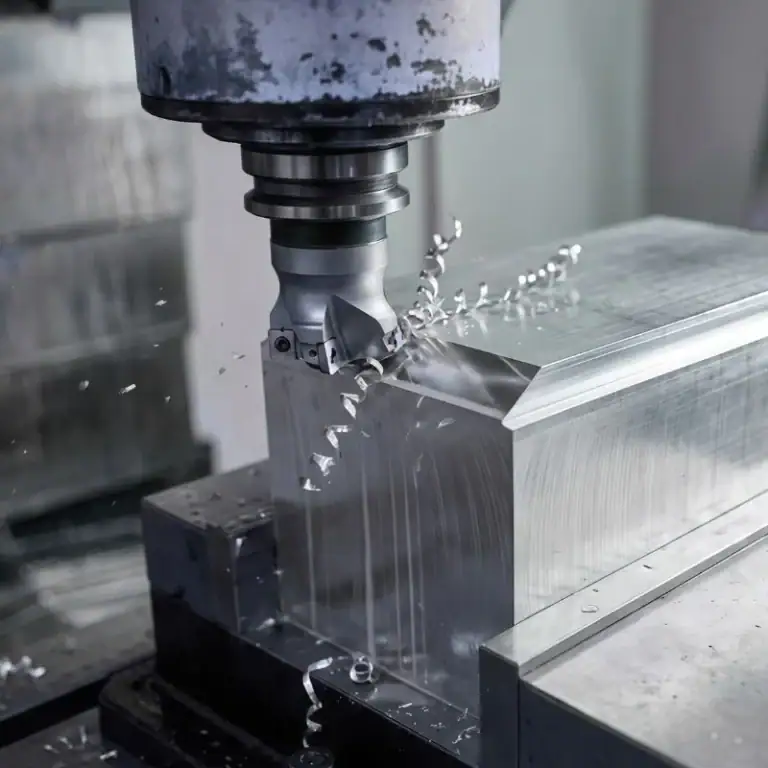
When cutting speed exceeds the recommended range, excessive heat builds up rapidly at the cutting zone. High temperatures may accelerate tool wear, generate chatter, create burrs, and even cause surface discoloration or thermal damage on certain materials. These defects often require additional finishing processes or lead to rejected parts.
- Accelerate tool wear
- Cause surface burning
- Reduce dimensional accuracy
- Increase vibration risks
- Generate burr formation
- Raise scrap rates
Selecting appropriate cutting speeds helps manufacturers maintain excellent surface quality while minimizing production defects.
Cutting Speed Has a Significant Impact on Tool Life
Cutting tools represent one of the major consumable costs in CNC machining. Their service life depends heavily on cutting conditions, making cutting speed one of the most important variables affecting long-term manufacturing costs.
High Cutting Speeds Accelerate Tool Wear
As cutting speed increases, friction between the cutting edge and the workpiece becomes more intense. Higher temperatures develop rapidly, causing faster flank wear, crater wear, and edge deterioration. Continuous high-speed machining without proper tool selection may significantly shorten tool life and increase replacement frequency.
- Increase cutting temperature
- Intensify friction wear
- Shorten tool lifespan
- Increase tool replacement frequency
- Raise tooling expenses
- Interrupt continuous production
High-speed machining requires premium cutting tools with excellent heat resistance and wear resistance to maintain consistent performance.
Optimized Cutting Parameters Extend Tool Life
Selecting cutting speeds that match both the workpiece material and the cutting tool allows the machining process to remain stable while minimizing abnormal wear. Proper parameter optimization reduces unnecessary tool consumption and improves production consistency.
- Extend tool service life
- Reduce machine downtime
- Improve production stability
- Lower tooling consumption
- Minimize machining failures
- Control manufacturing costs
Well-designed machining parameters help manufacturers maintain reliable long-term production while reducing operational expenses.
Cutting Speed Must Match Different Materials
Each engineering material has unique hardness, thermal conductivity, and cutting characteristics. Consequently, there is no universal cutting speed suitable for every machining application. Appropriate parameter selection should always be based on the specific material being processed.
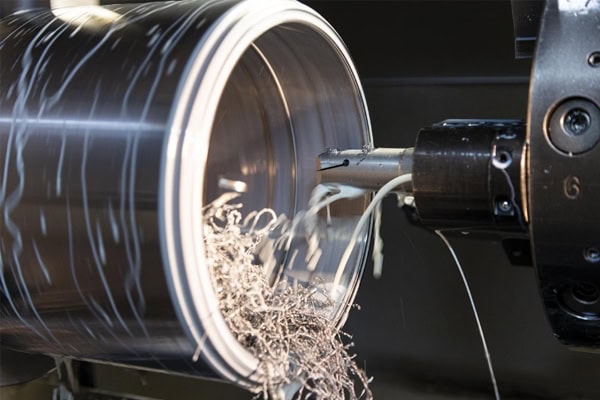
Aluminum Alloys Support Higher Cutting Speeds
Aluminum alloys are lightweight materials with excellent thermal conductivity and relatively low cutting resistance. These characteristics make them highly suitable for high-speed CNC turning. High-speed aluminum machining is widely used in automotive manufacturing, consumer electronics, and aerospace production.
- Achieve higher machining efficiency
- Reduce tool wear
- Produce excellent surface finishes
- Support high-speed machining
- Increase production capacity
- Improve manufacturing economy
Taking advantage of aluminum’s outstanding machinability enables manufacturers to maximize productivity while maintaining excellent quality.
Stainless Steel and Titanium Alloys Require Lower Cutting Speeds
High-strength materials such as stainless steel and titanium alloys generate significant cutting forces and heat during machining. Excessive cutting speeds may rapidly damage cutting tools and reduce machining accuracy. Lower cutting speeds combined with effective coolant systems usually provide more stable machining performance.
- Reduce cutting temperatures
- Extend tool life
- Maintain dimensional accuracy
- Minimize machining vibration
- Improve surface quality
- Increase machining stability
Selecting cutting parameters according to material properties is essential for achieving reliable machining results.
How to Select the Appropriate Cutting Speed
Successful CNC turning is not simply about maximizing cutting speed. Instead, manufacturers should seek the optimal balance between machining efficiency, product quality, tooling costs, and production stability. Continuous process optimization allows companies to improve productivity while maintaining consistent manufacturing performance.
Establish Standard Cutting Parameter Databases
Developing a comprehensive machining parameter database allows manufacturers to store proven cutting conditions for different materials and tooling combinations. Engineers can quickly retrieve optimized parameters, reducing trial machining and improving programming efficiency.
- Store proven machining parameters
- Improve programming efficiency
- Ensure product consistency
- Reduce setup time
- Lower trial machining costs
- Standardize manufacturing processes
A standardized cutting parameter database supports efficient large-scale production while improving machining consistency.
Continuously Optimize Machining Processes
As cutting tool technologies, machine tools, and engineering materials continue to evolve, machining parameters should also be continuously refined. Manufacturers who regularly analyze production data and optimize cutting speed can improve product quality, extend tool life, increase production efficiency, and strengthen their competitive advantage in modern precision manufacturing.