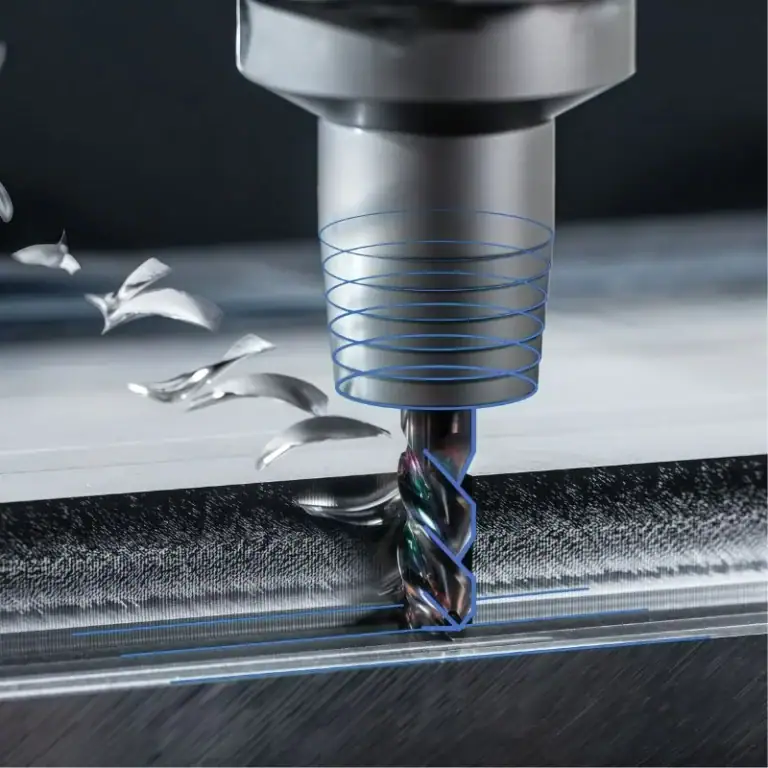
Titanium alloys are widely used in aerospace, medical devices, automotive manufacturing, marine engineering, energy equipment, and other high-end industries because of their excellent strength-to-weight ratio, outstanding corrosion resistance, and superior high-temperature performance. As advanced manufacturing continues to develop, the demand for precision titanium alloy components is increasing rapidly, making CNC turning one of the most important machining processes for these materials. However, titanium alloys are well known as difficult-to-machine materials due to their low thermal conductivity, high cutting temperatures, significant elastic recovery, and strong chemical reactivity. During machining, these characteristics often result in rapid tool wear, machining vibration, poor surface finish, and dimensional instability. Selecting the proper cutting tools, machining parameters, cooling methods, and process strategies is essential for achieving stable machining quality, improving production efficiency, extending tool life, and reducing manufacturing costs.
Understanding Titanium Alloy Properties Is the Foundation of Successful Machining
Titanium alloys possess exceptional mechanical properties, but their machining behavior differs significantly from carbon steel, stainless steel, and aluminum alloys. A thorough understanding of material characteristics enables engineers to develop effective machining strategies, reduce cutting problems, and improve machining stability throughout the production process.
Titanium Alloys Are Challenging to Machine
Titanium alloys generate a considerable amount of heat during cutting, while their poor thermal conductivity prevents heat from dissipating efficiently. Most of the heat remains concentrated at the cutting edge, increasing cutting temperatures and accelerating tool wear. In addition, titanium alloys exhibit high chemical activity at elevated temperatures, causing the workpiece material to adhere to the cutting edge and form built-up edges. Understanding these characteristics allows manufacturers to optimize machining conditions and achieve more reliable production results.
- Low thermal conductivity
- High cutting temperatures
- Significant elastic recovery
- Rapid tool wear
- Easy formation of built-up edges
- High machining stability requirements
A comprehensive understanding of titanium alloy characteristics helps manufacturers establish optimized machining strategies that improve productivity and maintain consistent product quality.
Select Machining Strategies According to Titanium Grades
Different titanium alloy grades have different hardness, strength, and machinability. Common grades such as Ti-6Al-4V require machining parameters that differ from other titanium materials. Before production begins, manufacturers should evaluate the material properties, verify machining conditions, and optimize cutting parameters according to component requirements.
- Analyze material hardness
- Evaluate machinability
- Develop machining plans
- Optimize cutting parameters
- Verify machining stability
- Ensure production consistency
Creating machining standards for each titanium alloy grade improves production efficiency while maintaining consistent machining quality.
Selecting the Right Cutting Tools Improves Machining Quality
Cutting tools play a decisive role in titanium alloy machining. Since titanium alloys generate high cutting temperatures, cutting tools must provide excellent wear resistance, heat resistance, and mechanical strength. Proper tool selection improves machining efficiency while reducing tooling costs.
Choose Highly Wear-Resistant Cutting Tool Materials
Titanium alloy machining commonly uses carbide inserts, ultra-fine grain carbide tools, and advanced coated cutting tools. These tools withstand high temperatures while maintaining stable cutting performance throughout the machining cycle.
- Use carbide cutting tools
- Select wear-resistant coated inserts
- Improve heat resistance
- Increase wear resistance
- Maintain sharp cutting edges
- Extend tool service life
High-quality cutting tools significantly improve machining stability and reduce production risks during titanium alloy turning.
Optimize Cutting Tool Geometry
Tool geometry, including rake angle, clearance angle, nose radius, and cutting-edge design, has a major influence on machining performance. Optimized tool geometry reduces cutting forces, lowers cutting temperatures, improves chip evacuation, and enhances machining stability.
- Reduce cutting resistance
- Improve chip evacuation
- Lower cutting temperatures
- Increase machining stability
- Minimize vibration
- Improve surface finish
Proper cutting tool geometry is essential for maximizing titanium alloy machining performance.
Optimize Cutting Parameters for Stable Machining
Well-designed machining parameters balance productivity, tool life, and product quality. Manufacturers should continuously optimize cutting conditions according to machine capabilities and material characteristics to achieve stable and efficient production.
Properly Control Cutting Speed
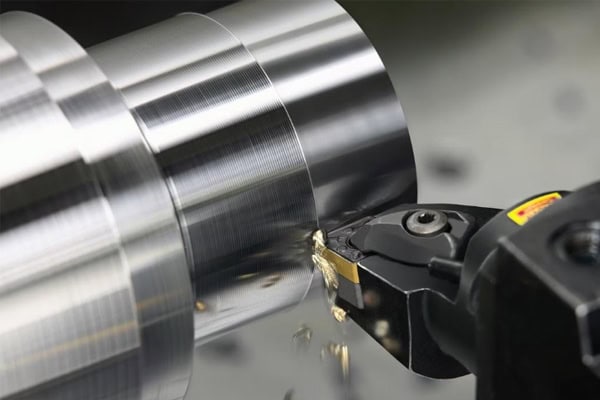
Titanium alloys are not suitable for excessively high cutting speeds because high temperatures can quickly damage cutting tools. Medium or relatively low cutting speeds combined with appropriate feed rates generally provide better machining stability and longer tool life.
- Control cutting temperature
- Extend tool life
- Reduce abnormal wear
- Maintain dimensional accuracy
- Improve machining stability
- Lower production costs
Selecting an appropriate cutting speed allows manufacturers to achieve an ideal balance between machining efficiency and tooling performance.
Optimize Feed Rate and Depth of Cut
Feed rate and depth of cut should be carefully matched to prevent excessive cutting forces that may generate vibration or damage cutting tools. Proper parameter optimization improves machining efficiency while maintaining excellent dimensional accuracy.
- Control cutting load
- Reduce vibration risks
- Improve machining efficiency
- Maintain dimensional stability
- Enhance surface finish
- Improve product consistency
A balanced combination of machining parameters contributes to stable, high-quality titanium alloy turning.
Cooling and Lubrication Play a Critical Role
Titanium alloy machining generates significant heat, making effective cooling essential. Insufficient cooling can rapidly increase tool wear, reduce machining accuracy, and damage the machined surface. Proper lubrication and cooling systems greatly improve machining performance.
Use High-Pressure Coolant Systems
High-pressure coolant systems rapidly remove heat from the cutting zone while improving chip evacuation. Efficient cooling reduces cutting temperatures, minimizes tool wear, and improves machining stability. Modern CNC lathes designed for titanium machining are commonly equipped with internal high-pressure coolant systems.
- Rapidly reduce cutting temperatures
- Improve chip evacuation
- Reduce tool wear
- Increase machining stability
- Extend tool life
- Improve surface quality
Efficient cooling technology has become an essential component of precision titanium alloy machining.
Select Suitable Cutting Fluids
Different cutting fluids provide different cooling capacities and lubrication characteristics. Choosing cutting fluids specifically designed for titanium machining helps reduce friction, suppress built-up edge formation, improve surface quality, and protect both cutting tools and machine tools.
- Improve lubrication
- Enhance cooling performance
- Reduce built-up edge formation
- Improve machining quality
- Extend machine life
- Reduce maintenance costs
Selecting the appropriate cutting fluid further improves machining efficiency and supports stable long-term production.
Methods for Improving Titanium Alloy Turning Quality
Producing high-quality titanium alloy components requires more than advanced CNC equipment. Manufacturers should establish standardized machining procedures, continuously optimize machining processes, maintain equipment regularly, and accumulate production experience to achieve consistent quality and higher productivity.
Establish Standardized Machining Procedures
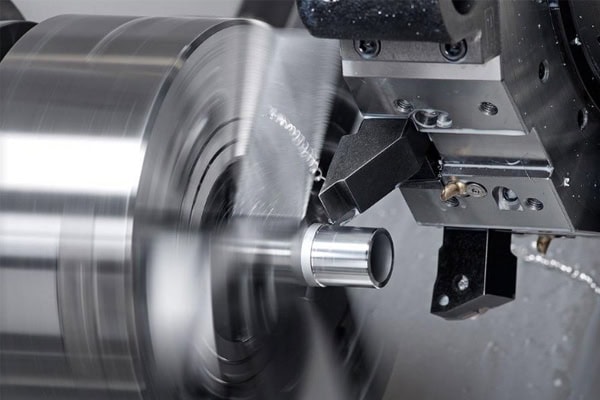
Creating standardized machining specifications and maintaining a database of proven machining parameters allows manufacturers to reduce setup time, improve repeatability, and increase production efficiency during large-scale manufacturing.
- Develop machining standards
- Store proven machining parameters
- Improve production consistency
- Reduce setup time
- Increase manufacturing efficiency
- Simplify technical management
Standardized machining processes minimize human error while improving product quality and delivery performance.
Continuously Improve Production Management
As cutting tools, CNC equipment, and intelligent manufacturing technologies continue to evolve, titanium alloy turning processes should also be continuously optimized. By analyzing production data, refining machining strategies, strengthening operator training, and adopting intelligent monitoring systems, manufacturers can consistently improve machining quality, increase productivity, reduce production costs, and strengthen their competitiveness in the precision manufacturing industry.