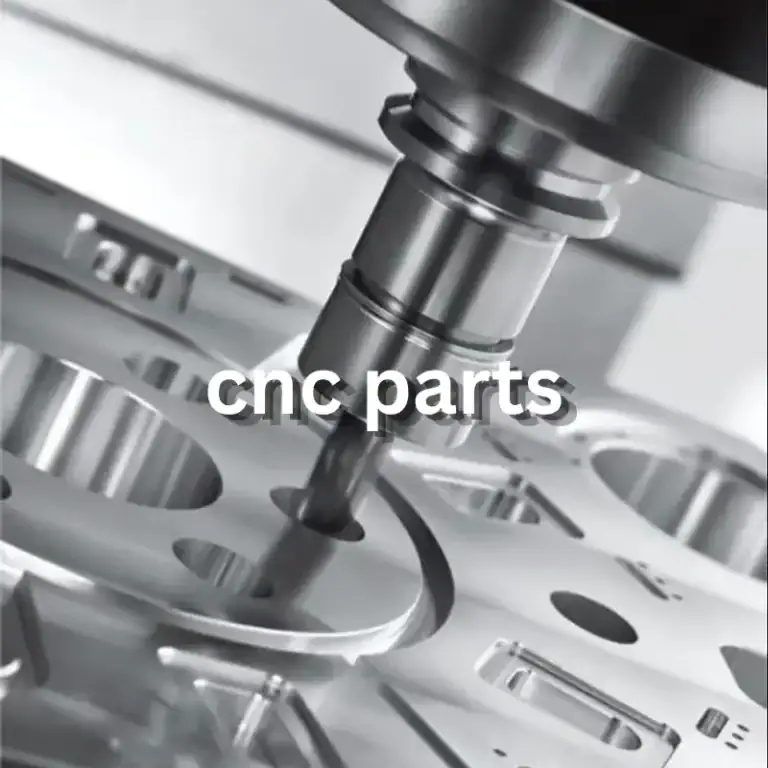
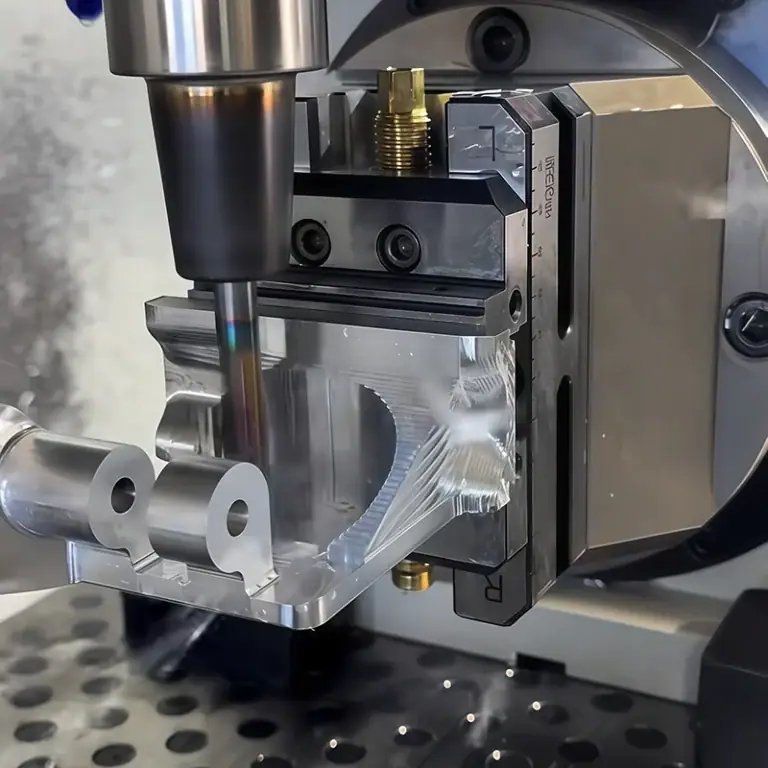
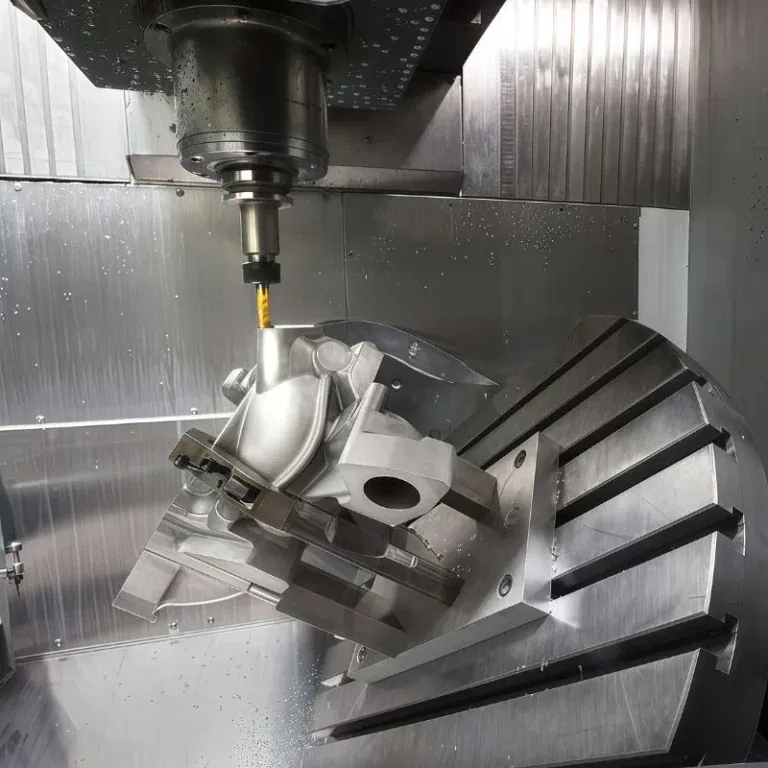
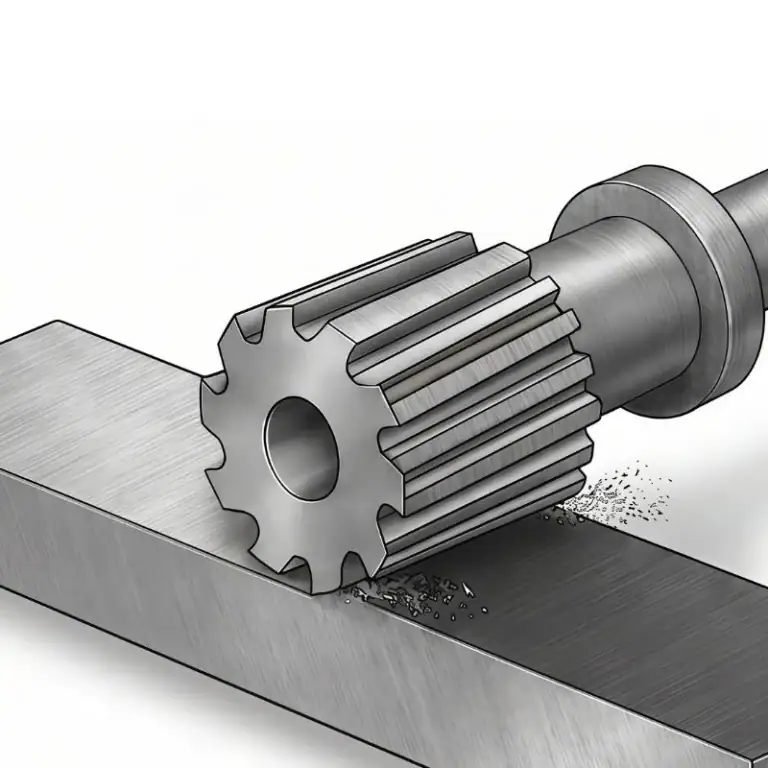
In CNC turning operations, cutting tools play a critical role in material removal, dimensional accuracy, and surface finish quality. As machining time increases, tool wear becomes inevitable. Excessive tool wear can reduce machining accuracy, increase surface roughness, raise cutting forces, and lead to higher production costs. For manufacturers, understanding the causes of tool wear helps optimize machining processes, improve cutting efficiency, and extend tool life. A thorough understanding of wear mechanisms is essential for maintaining stable production, reducing downtime, and ensuring consistent product quality.
Excessive Cutting Temperature Accelerates Tool Wear
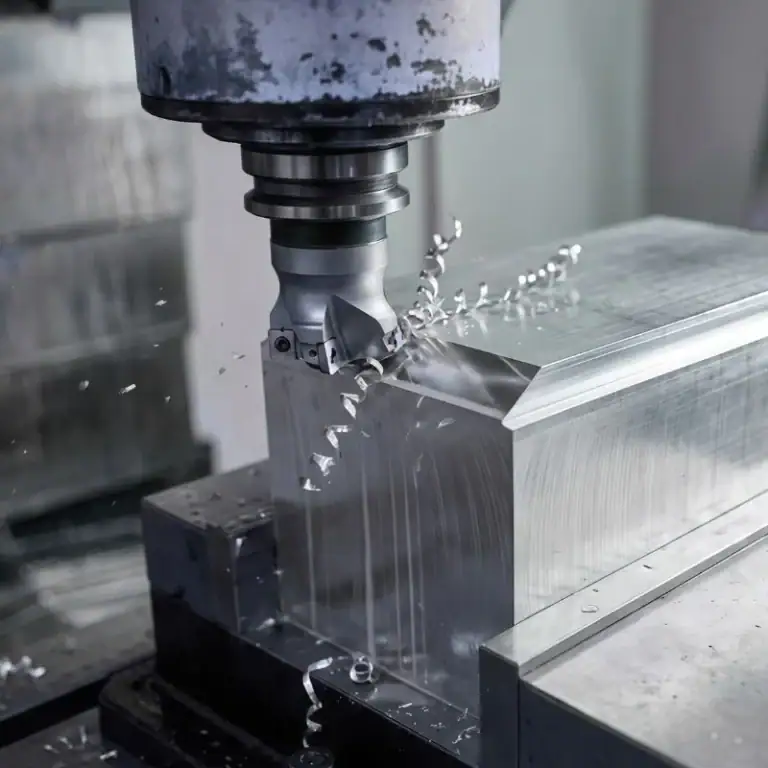
During turning operations, continuous contact between the cutting tool and the workpiece generates significant friction. A large amount of heat is concentrated around the cutting edge. When this heat cannot be dissipated effectively, the tool temperature rises rapidly. Prolonged exposure to high temperatures can weaken tool material properties and significantly accelerate wear. In high-speed and continuous machining environments, temperature is one of the most important factors affecting tool life.
High Temperature Reduces Tool Hardness
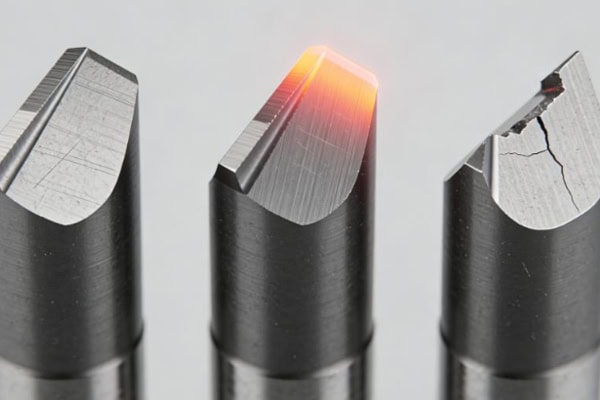
Although cutting tools are designed with high hardness and wear resistance, prolonged exposure to elevated temperatures can gradually alter their internal structure. During high-speed machining, heat accumulation around the cutting edge becomes increasingly severe, reducing the tool’s ability to maintain sharpness. As hardness decreases, the cutting edge becomes more vulnerable to friction and pressure from the workpiece material, leading to dulling, chipping, and abnormal wear.
- Faster cutting-edge wear
- Reduced surface quality
- Dimensional accuracy variation
- Shorter tool life
- Lower machining stability
- Increased tool replacement frequency
Proper temperature control can effectively extend tool life and improve production stability.
Thermal Stress Causes Microcracks
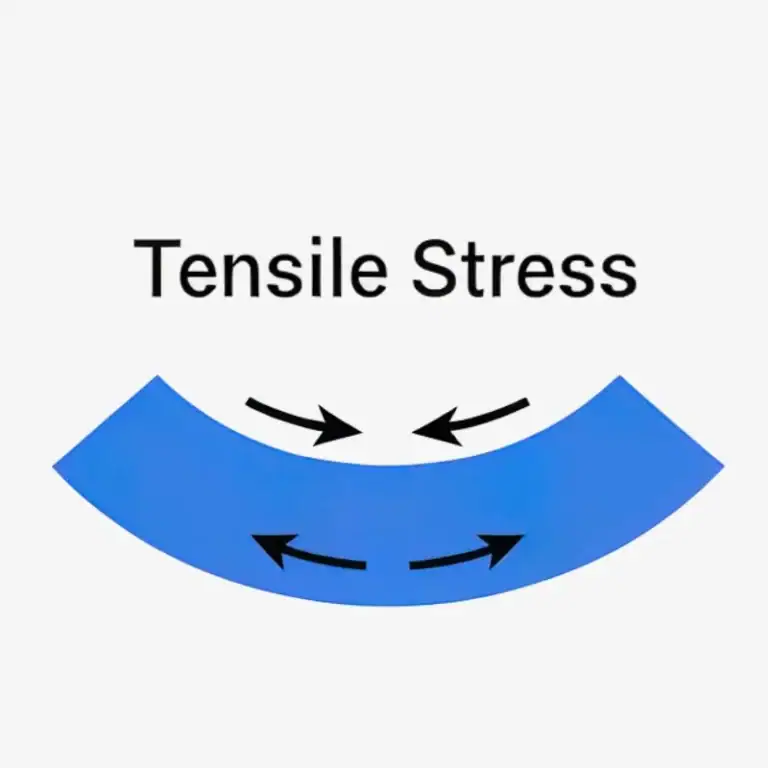
During machining, tools repeatedly experience heating and cooling cycles. In interrupted cutting operations or when coolant is frequently applied, significant thermal stress can develop. Over time, thermal stress creates tiny cracks on the tool surface, which continue to expand as machining progresses.
- Formation of microcracks
- Increased risk of edge chipping
- Reduced tool strength
- Accelerated surface flaking
- Interrupted machining operations
- Higher production risks
Minimizing sudden temperature fluctuations can help reduce thermal-stress-related damage.
Workpiece Material Properties Affect Tool Life
Different materials possess unique hardness levels, toughness characteristics, and thermal conductivity. As a result, the cutting load imposed on the tool varies significantly from one material to another. Some materials are relatively easy to machine, while others cause severe tool wear.
Hard Materials Cause Abrasive Wear
When machining hardened steel, superalloys, and high-strength stainless steel, the cutting tool is subjected to substantial cutting forces. Hard particles within these materials continuously rub against the tool surface and gradually remove tool material.
- Increased friction intensity
- Accelerated cutting-edge wear
- Higher cutting loads
- Increased machining temperature
- Reduced tool lifespan
- Higher manufacturing costs
Selecting highly wear-resistant cutting tools is essential when machining hard materials.
Sticky Materials Produce Built-Up Edge
Aluminum alloys, low-carbon steel, and certain stainless steels tend to adhere to the cutting tool during machining. Material accumulates on the rake face and forms a built-up edge. As this built-up edge repeatedly forms and breaks away, it damages the tool surface and reduces cutting stability.
- Increased surface roughness
- Reduced dimensional accuracy
- Accelerated tool wear
- Increased vibration
- Reduced machining quality
- Higher rejection rates
Optimizing cutting parameters and selecting suitable tool coatings can reduce built-up edge formation.
Improper Cutting Parameters Lead to Abnormal Wear
Cutting speed, feed rate, and depth of cut directly determine the operating condition of the cutting tool. If these parameters exceed recommended ranges, tool loads increase significantly, resulting in rapid wear.
Excessive Cutting Speed
Many manufacturers increase cutting speed to improve productivity. However, when the speed exceeds the tool’s capability, frictional heat rises sharply and the cutting edge is exposed to excessive thermal stress.
- Rapid temperature increase
- Faster tool wear
- Poorer surface finish
- Premature tool failure
- More frequent tool changes
- Increased production costs
Proper cutting speed selection helps balance productivity and tool life.
Excessive Feed Rate
Feed rate determines the amount of material removed per unit time and directly influences cutting force. An excessive feed rate places additional stress on the cutting edge, increasing the likelihood of damage.
- Higher cutting force
- Faster edge deterioration
- Reduced dimensional accuracy
- Increased surface roughness
- Greater vibration levels
- Reduced machining stability
Carefully optimized feed rates help maintain both quality and tool durability.
Insufficient Cooling and Lubrication Increase Wear
Coolants perform essential functions during turning operations, including cooling, lubrication, and chip evacuation. When coolant delivery is inadequate, the tool operates under less favorable conditions.
Poor Cooling Performance
If coolant flow is insufficient or improperly directed, heat cannot be removed effectively from the cutting zone. Continuous heat buildup accelerates oxidation wear on the tool surface.
- Continuous temperature rise
- Increased oxidation wear
- Reduced tool life
- Lower surface quality
- More tool replacements
- Higher machining costs
An efficient cooling system significantly improves tool performance and longevity.
Inadequate Lubrication
Lubrication reduces direct friction between the cutting tool and the workpiece. Poor lubrication increases frictional resistance and accelerates wear.
- Increased friction
- Higher tool temperature
- More surface scratches
- Faster wear rate
- Reduced cutting stability
- Product quality fluctuations
Improved lubrication enhances machining conditions and extends tool lifespan.
Tool Quality and Installation Conditions Also Matter
In addition to machining conditions, the quality of the cutting tool itself and its installation status directly affect wear performance. Even with optimized cutting parameters, improper tool selection or installation can lead to premature wear.
Incorrect Tool Material Selection
Different workpiece materials require different cutting tool materials. If wear resistance or toughness does not match machining requirements, rapid tool deterioration may occur.
- Insufficient wear resistance
- Short tool lifespan
- Higher production costs
- Reduced product quality
- Frequent tool changes
- Lower productivity
Selecting the appropriate tool material is essential for efficient machining operations.
Poor Tool Installation Accuracy
When the tool is not securely mounted or extends excessively from the tool holder, vibration is more likely to occur during machining. Vibration negatively affects cutting stability and accelerates wear.
- Visible vibration marks
- Increased tool wear
- Higher risk of chipping
- Reduced dimensional accuracy
- Shortened tool life
- Lower production stability
Maintaining proper installation practices and adequate rigidity helps reduce abnormal wear, improve machining quality, and enhance CNC turning productivity.