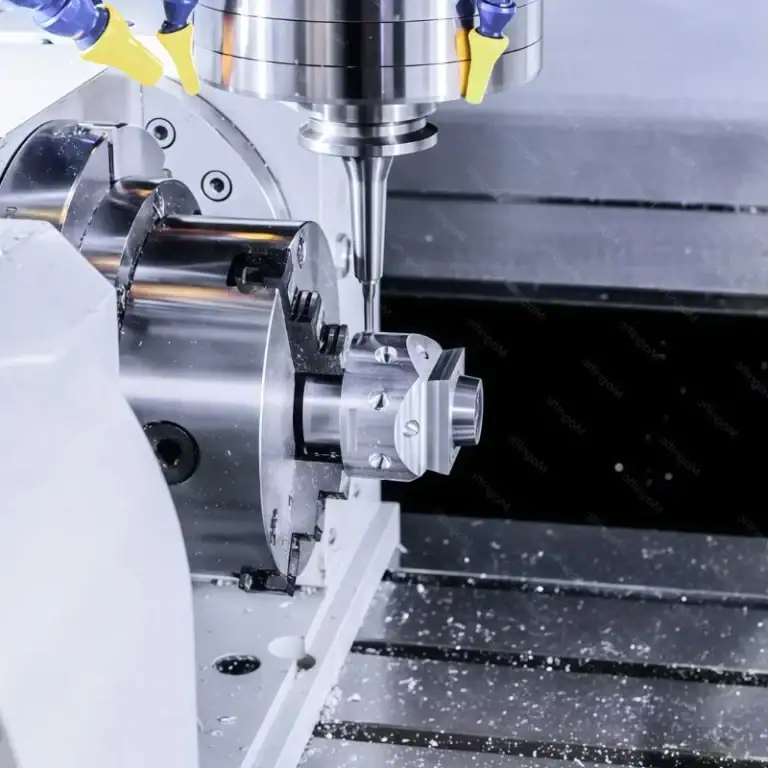
The aerospace industry is one of the most technologically advanced sectors in global manufacturing, requiring extremely high standards for component precision, material performance, product reliability, and production consistency. From commercial aircraft and military jets to aerospace engines and satellite propulsion systems, every critical component must undergo strict manufacturing and quality control processes. As aerospace equipment continues to evolve toward lightweight designs, higher performance, and longer service life, traditional machining methods are becoming increasingly inadequate. CNC turning has become one of the most important manufacturing technologies in aerospace production due to its high precision, efficiency, automation capabilities, and ability to process complex materials. Components such as engine shafts, hydraulic fittings, fasteners, fuel system parts, and aerospace structural elements all rely heavily on CNC turning technology. As smart manufacturing and digital factory initiatives continue to expand, the value of CNC turning within the aerospace supply chain continues to grow.
CNC Turning Meets the High-Precision Requirements of Aerospace Components
Aerospace equipment operates under extreme conditions, including high temperatures, high pressures, high rotational speeds, and complex aerodynamic environments. Even the smallest dimensional deviation can affect overall system performance. To ensure flight safety and equipment reliability, aerospace components often require micron-level machining accuracy. CNC turning uses advanced numerical control systems to precisely manage tool paths and cutting parameters, enabling highly repeatable and accurate machining results. For aerospace manufacturers, high precision not only affects product performance but also improves assembly efficiency and operational safety.
Improving Dimensional Accuracy of Critical Components
Aerospace engines, hydraulic systems, and flight control systems contain a large number of precision shafts and sleeve components. These parts must be machined within extremely tight tolerances to ensure proper assembly and operational stability. CNC turning equipment utilizes high-precision servo systems and advanced programming to achieve exceptional dimensional control.
- Maintain stable dimensional tolerances
- Improve assembly accuracy
- Reduce machining errors
- Enhance product consistency
- Lower rework rates
- Meet aerospace manufacturing standards
Improved dimensional accuracy not only enhances product quality but also reduces assembly adjustments, resulting in greater manufacturing efficiency.
Enhancing Surface Quality
Aerospace components are exposed to continuous loads and demanding operating environments. Surface quality has a direct impact on fatigue life and long-term reliability. Rough surfaces can create stress concentration points that increase the risk of crack formation. CNC turning allows manufacturers to achieve smoother surfaces through optimized cutting tools and machining parameters.
- Reduce surface defects
- Minimize stress concentration
- Improve fatigue strength
- Increase wear resistance
- Enhance operational stability
- Extend service life
Superior surface quality contributes significantly to the reliability and safety of aerospace equipment.
CNC Turning Processes Aerospace-Grade Materials
The aerospace industry widely utilizes advanced materials known for high strength, heat resistance, corrosion resistance, and lightweight characteristics. Although these materials offer excellent performance, they are often difficult to machine. Modern CNC turning systems provide the precision and control required to process these demanding materials effectively.
Machining Titanium Alloy Components
Titanium alloys are among the most important materials used in aerospace manufacturing. They are commonly found in aircraft structural components, engine parts, and spacecraft assemblies. Titanium offers an excellent combination of high strength and low weight, helping improve fuel efficiency and overall aircraft performance.
- Suitable for engine components
- Supports lightweight design goals
- Increases structural strength
- Provides excellent corrosion resistance
- Improves flight safety
- Extends component lifespan
Advanced CNC turning techniques help overcome challenges such as high cutting temperatures and rapid tool wear when machining titanium alloys.
Machining High-Temperature Superalloys
Turbine disks, combustion chambers, and other engine components operating in extreme temperatures are often manufactured from nickel-based superalloys. These materials retain excellent mechanical properties at elevated temperatures but are significantly more difficult to machine than conventional metals.
- Maintain strength at high temperatures
- Improve heat resistance
- Meet engine performance requirements
- Ensure structural stability
- Extend operating life
- Increase reliability
High-rigidity CNC lathes combined with advanced cutting tools enable efficient machining of superalloy components.
CNC Turning Supports the Production of Complex Aerospace Components
As aerospace technology advances, component designs continue to become more sophisticated. Many parts require not only high precision but also lightweight structures and enhanced mechanical performance. CNC turning provides the flexibility and accuracy needed to manufacture these complex components.
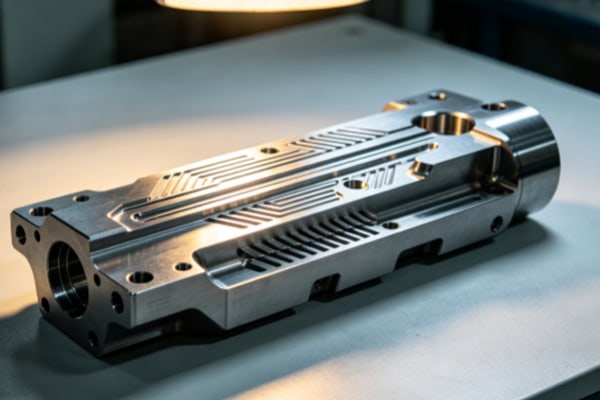
Machining Engine Shaft Components
Aircraft engines are often referred to as the heart of an aircraft. They contain numerous high-speed rotating shafts that require exceptional concentricity and balance.
- Ensure concentricity accuracy
- Improve rotational stability
- Reduce vibration levels
- Increase power transmission efficiency
- Meet high-speed operating requirements
- Improve engine reliability
Precision CNC turning ensures long-term engine performance while minimizing operational risks.
Manufacturing High-Precision Connecting Components
Aircraft and spacecraft contain numerous fittings, connectors, and mounting structures. Although these components may be relatively small, they play a critical role in overall structural integrity and operational safety.
- Improve assembly quality
- Ensure connection strength
- Reduce structural deviations
- Increase manufacturing efficiency
- Support mass production
- Enhance product reliability
Automated CNC turning enables consistent quality across large production volumes while meeting strict aerospace certification requirements.
CNC Turning Improves Aerospace Manufacturing Efficiency
As global demand for aerospace products continues to increase, manufacturers must improve productivity while maintaining strict quality standards. Modern CNC turning systems provide significant advantages through automated and highly efficient production processes.
Shortening Production Cycles
Traditional machining methods often require extensive manual intervention and setup adjustments. CNC turning automates these processes through programmable control systems.
- Increase machining speed
- Reduce auxiliary processing time
- Improve machine utilization
- Lower labor costs
- Enhance delivery performance
- Meet production demands
Shorter production cycles allow manufacturers to respond more quickly to market requirements and improve operational efficiency.
Improving Consistency in Mass Production
Aerospace components are frequently manufactured in large quantities, with every part required to meet strict technical specifications. CNC turning ensures consistent quality throughout the production process.
- Maintain dimensional consistency
- Reduce human error
- Improve quality stability
- Minimize inspection workload
- Increase productivity
- Streamline manufacturing processes
Reliable mass-production capabilities have become a major competitive advantage for aerospace manufacturers.
CNC Turning Drives Aerospace Manufacturing Advancement
Smart manufacturing and digital technologies are transforming the aerospace industry. Modern CNC turning systems not only deliver high-precision machining but also support real-time monitoring and data management, helping manufacturers achieve higher levels of efficiency and quality control.
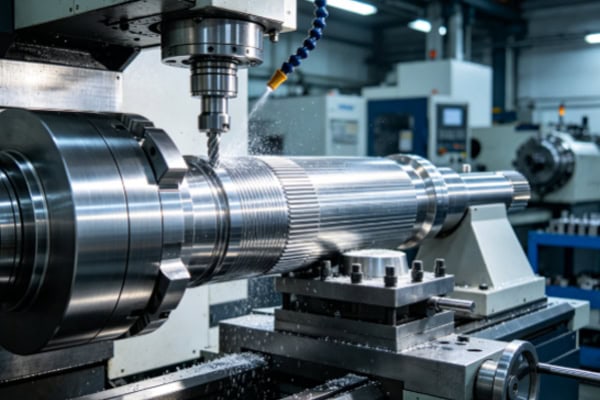
Supporting Smart Manufacturing Development
Advanced CNC systems can integrate with production management platforms, enabling seamless data exchange and improved operational visibility.
- Increase automation levels
- Optimize production management
- Reduce operating costs
- Improve quality control capabilities
- Enhance manufacturing flexibility
- Increase overall efficiency
Smart machining technologies are becoming a core component of next-generation aerospace factories.
Meeting Future Aerospace Equipment Requirements
As new aircraft, reusable spacecraft, and advanced satellite systems continue to emerge, manufacturing technologies must evolve to support increasingly demanding requirements. CNC turning continues to advance, providing the precision and reliability necessary for future aerospace innovations.
- Support advanced material processing
- Meet complex structural requirements
- Improve component performance
- Ensure machining precision
- Strengthen manufacturing capabilities
- Promote industry innovation
The future growth of the aerospace industry depends heavily on advanced manufacturing technologies, and CNC turning will continue to play a critical role in the production of high-precision aerospace components.