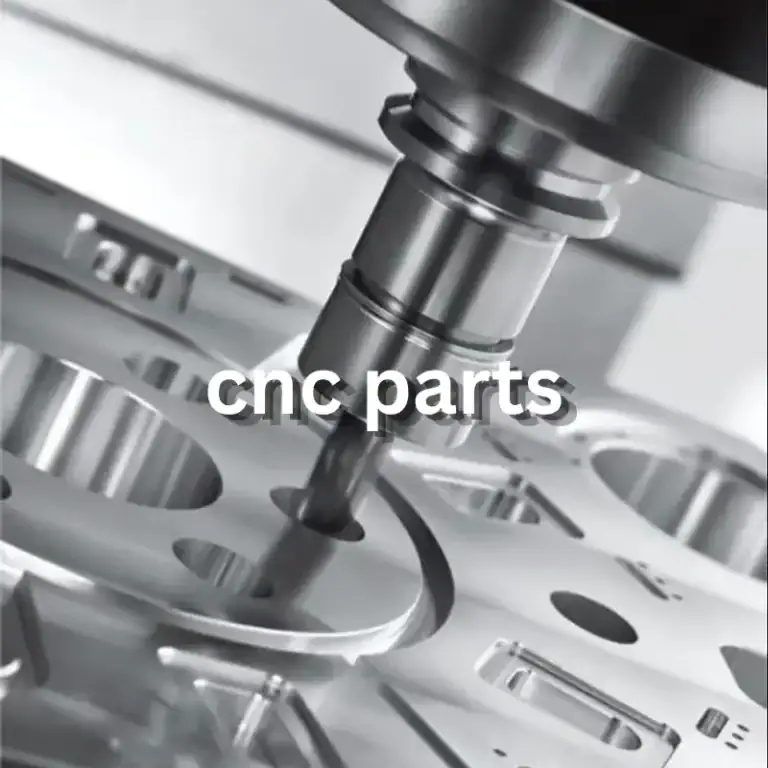
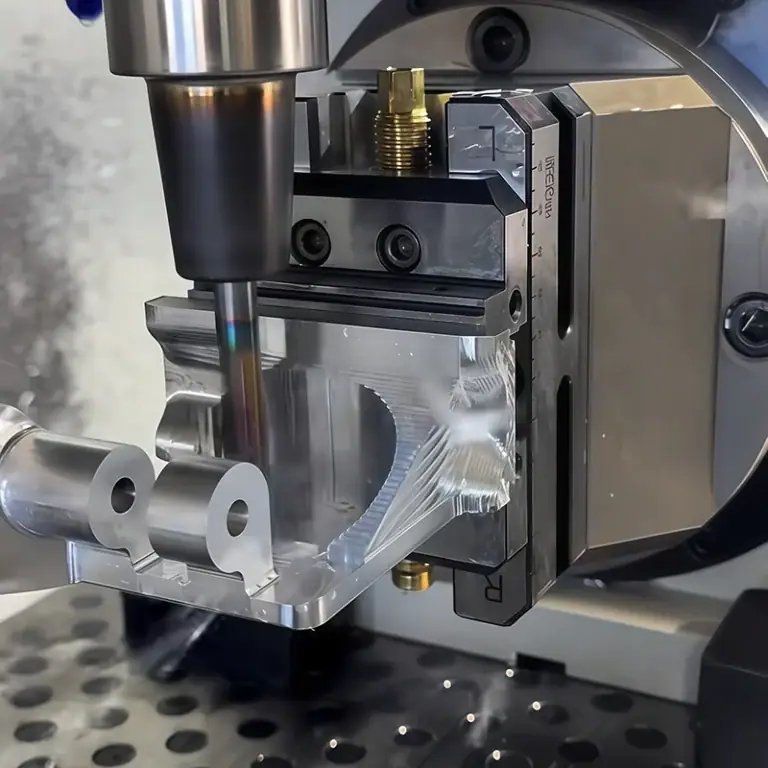
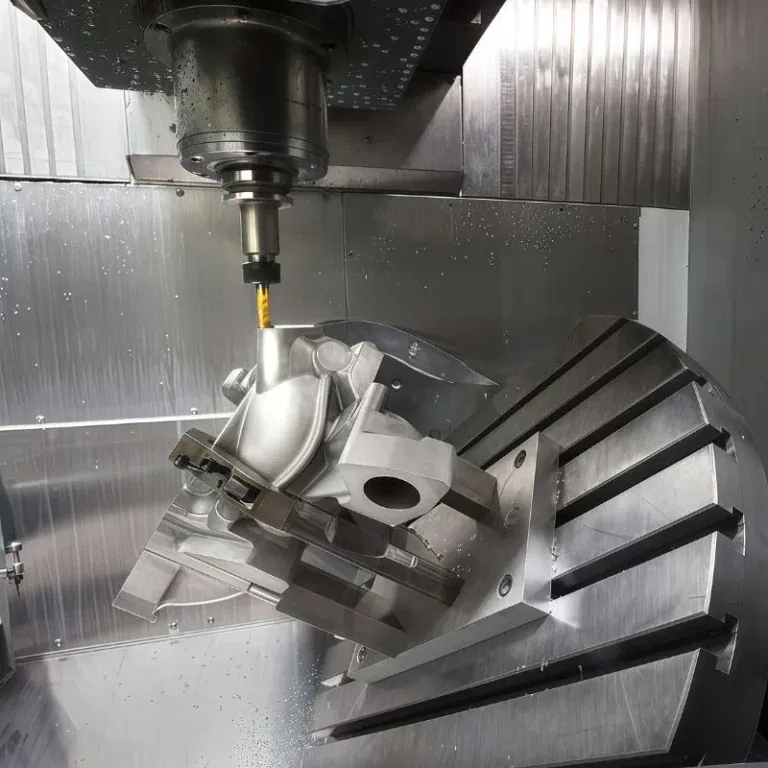
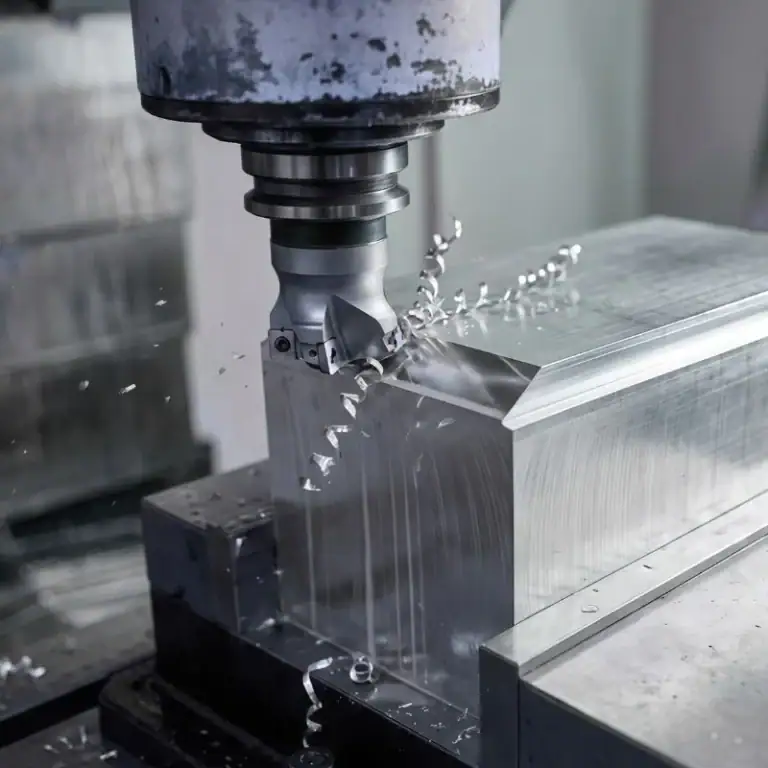
In CNC turning operations, cutting tools are responsible not only for material removal but also for determining dimensional accuracy, surface finish, machining efficiency, and production costs. Even when a machine tool offers high precision, improper tool selection can still result in dimensional deviations, rough surfaces, increased vibration, and shortened tool life. As modern manufacturing demands continue to rise, cutting tools have become one of the key factors influencing machining quality. Selecting the right tool according to workpiece material, machining stage, and processing requirements can significantly improve product consistency, reduce scrap rates, and maintain stable production performance.
Tool Material Determines Machining Stability
Tool material is the foundation of cutting performance. Different tool materials offer varying levels of hardness, wear resistance, and heat resistance, making them suitable for different machining conditions and workpiece materials.
Tool Hardness Affects Cutting Performance
During machining, cutting tools must continuously withstand friction and impact loads. Only tools with sufficient hardness can maintain a sharp cutting edge and stable cutting performance. When machining hardened steel, alloy steel, and heat-treated components, tool hardness directly influences machining quality. If hardness is insufficient, the cutting edge will wear rapidly, resulting in dimensional inaccuracies and poor surface finish.
- Improve cutting efficiency
- Maintain sharp cutting edges
- Reduce dimensional errors
- Enhance machining stability
- Minimize tool wear
- Extend tool service life
Selecting the proper hardness level helps ensure stable machining performance and reduces tool replacement frequency.
Wear Resistance Influences Tool Life
In mass production environments, cutting tools are required to operate continuously for long periods. Tools with superior wear resistance can withstand friction-related damage and maintain consistent machining quality. In high-speed turning and automated production systems, wear resistance has become a critical indicator of tool performance.
- Reduce wear rate
- Minimize downtime
- Improve productivity
- Ensure dimensional consistency
- Lower production costs
- Enhance product quality
Excellent wear resistance helps manufacturers achieve more reliable and efficient production.
Tool Geometry Affects Surface Finish Quality
The geometry of a cutting tool directly influences cutting force, chip formation, and workpiece surface condition. Properly designed tool geometry improves machining performance and enhances part quality.
Nose Radius Influences Surface Finish
The tool nose radius is one of the most important factors affecting surface roughness. A larger nose radius can reduce machining marks and create a smoother surface. For precision finishing operations, selecting an appropriate nose radius is especially important.
- Improve surface smoothness
- Reduce machining marks
- Enhance dimensional stability
- Minimize surface defects
- Improve product appearance
- Support better assembly performance
A properly selected nose radius contributes to superior machining results and improved product quality.
Rake and Clearance Angles Affect Cutting Conditions
Tool rake and clearance angles determine material flow characteristics and friction levels during machining. Proper angle design helps reduce cutting resistance and improve machining efficiency.
- Lower cutting force
- Reduce heat generation
- Improve chip evacuation
- Decrease vibration risk
- Increase machining efficiency
- Enhance surface quality
Optimized tool geometry can significantly improve CNC turning performance.
Tool Type Determines Machining Adaptability
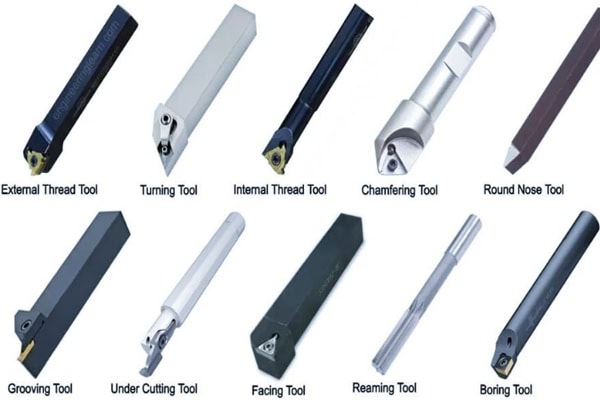
Different machining operations require different types of cutting tools. Choosing the correct tool increases productivity and ensures better machining quality.
Roughing and Finishing Tools Have Different Functions
Rough machining focuses on material removal efficiency, while finishing operations prioritize dimensional accuracy and surface quality. These objectives require different tool designs and cutting characteristics.
- Roughing tools provide high rigidity
- Improve material removal rates
- Finishing tools offer sharper cutting edges
- Improve surface finish quality
- Control dimensional accuracy
- Increase overall productivity
Using the appropriate tool for each machining stage leads to better production outcomes.
Specialized Tools Improve Productivity
Specialized tools are commonly used for threading, grooving, and complex contour machining. These tools reduce the number of machining steps while improving precision.
- Increase machining efficiency
- Reduce tool changes
- Maintain profile accuracy
- Improve production stability
- Reduce machining errors
- Enhance product consistency
Specialized cutting tools are essential for manufacturing complex components.
Tool Coatings Improve Machining Performance
Modern CNC cutting tools often incorporate advanced coating technologies to improve wear resistance and heat resistance.
Coatings Reduce Friction
Tool coatings lower friction between the cutting edge and the workpiece, resulting in smoother cutting performance. Reduced friction decreases cutting temperatures and extends tool life.
- Reduce friction resistance
- Lower cutting temperatures
- Improve machining efficiency
- Enhance surface quality
- Extend tool life
- Improve production stability
High-performance coatings have become a key feature of modern cutting tools.
Coatings Improve Heat Resistance
High-speed turning generates substantial heat. Without proper heat resistance, cutting tools may fail prematurely. Advanced coatings help maintain stable tool performance under elevated temperatures.
- Improve heat resistance
- Reduce oxidation wear
- Increase cutting stability
- Support high-speed machining
- Extend tool lifespan
- Lower production costs
Heat-resistant coatings help meet the demands of modern high-speed manufacturing.
Proper Tool Selection Improves Overall Machining Quality
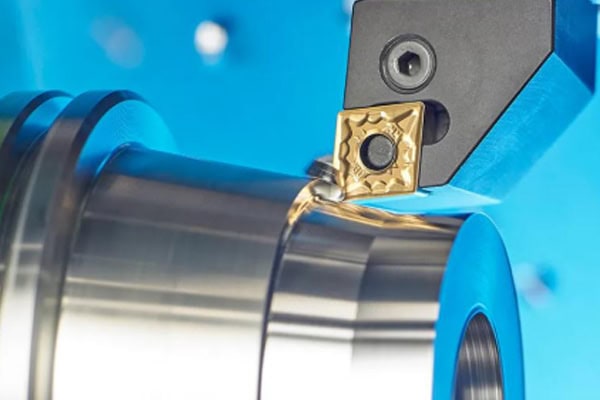
Tool selection affects not only individual machining operations but also the stability and efficiency of the entire production process. A well-planned tooling strategy helps manufacturers achieve higher quality and greater productivity.
Reduce Product Defect Rates
Appropriate cutting tools maintain stable cutting conditions and reduce machining errors throughout production.
- Improve dimensional accuracy
- Enhance surface quality
- Reduce machining defects
- Increase product consistency
- Lower rework rates
- Improve customer satisfaction
Reliable tool performance is essential for maintaining high manufacturing standards.
Improve Productivity and Competitiveness
As competition in manufacturing continues to increase, companies place greater emphasis on productivity and cost control. Proper tool selection helps maximize machine utilization and machining efficiency.
- Shorten machining cycles
- Reduce tool-change downtime
- Increase machine utilization
- Lower production costs
- Improve delivery capability
- Strengthen market competitiveness
A scientific tooling strategy enables manufacturers to achieve stable, efficient, and high-quality CNC turning operations.