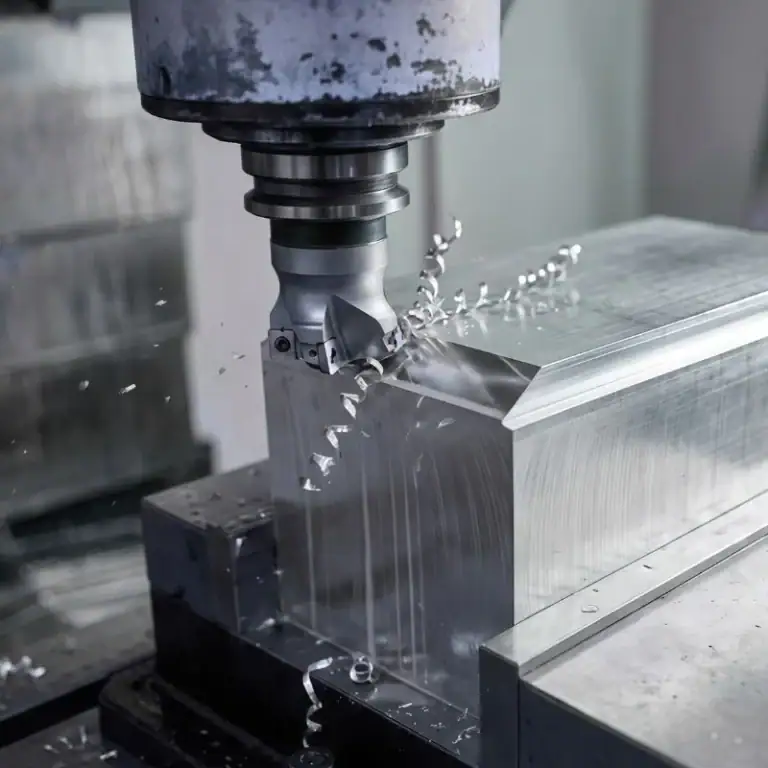
The automotive manufacturing industry places extremely high demands on component accuracy, production efficiency, and product consistency. From engine systems and transmission assemblies to chassis structures and new energy vehicle components, a large number of automotive parts rely on precision machining technologies for production. As vehicles continue to evolve toward lightweight construction, intelligent systems, and electrification, CNC turning has become an indispensable process in automotive manufacturing. Through advanced numerical control systems, manufacturers can achieve high-precision, high-volume, and highly consistent production. Compared with conventional machining methods, CNC turning not only improves product quality but also shortens production cycles, helping automotive manufacturers meet strict industry requirements for reliability and efficiency.
CNC Turning Is Widely Used in Engine Component Manufacturing
The engine is the core power unit of a vehicle, and its internal components must operate under high temperatures, high pressures, and continuous rotational speeds. Even small dimensional deviations can affect engine performance and service life. CNC turning plays a critical role in engine manufacturing by delivering the precision required for these demanding applications.
Crankshaft and Camshaft Machining
Crankshafts and camshafts are among the most important moving components in an engine. Their dimensional accuracy directly affects power output, fuel efficiency, and engine stability. CNC turning machines use precise programming to control cutting paths, ensuring consistent quality throughout large production runs.
- Improve dimensional accuracy
- Ensure concentricity requirements
- Enhance surface quality
- Reduce vibration effects
- Increase operational stability
- Improve engine efficiency
High-precision machining helps maximize engine performance while reducing wear and maintenance requirements.
Piston Pin and Bushing Production
Piston pins and bushings are constantly subjected to friction and repeated movement during engine operation. These components require excellent dimensional accuracy and wear resistance to maintain long-term reliability.
- Ensure precise fit
- Improve wear resistance
- Enhance lubrication performance
- Increase operational smoothness
- Reduce friction losses
- Extend service life
Consistent machining quality helps maintain engine efficiency and reliability over extended periods.
Engine Connection Components
Numerous connecting and supporting parts inside an engine require precision machining to ensure proper assembly and performance.
- Accurate thread machining
- High dimensional consistency
- Support mass production
- Reduce assembly errors
- Improve product reliability
- Meet complex design requirements
High-quality connecting components contribute to stable engine operation and improved durability.
CNC Turning in Transmission System Components
The transmission system transfers power from the engine to the drive wheels. Its accuracy directly influences driving performance, efficiency, and comfort. Many transmission components are manufactured through CNC turning processes.
Transmission Shaft Manufacturing
Transmission systems contain various shafts that operate under high torque and rotational speeds. Precision machining is essential to maintain smooth power transmission.
- Maintain roundness accuracy
- Improve concentricity control
- Increase wear resistance
- Enhance transmission efficiency
- Reduce operating noise
- Extend component lifespan
High-quality shafts contribute to efficient and reliable drivetrain performance.
Gear Support Component Machining
While gears themselves are often manufactured using specialized gear-cutting equipment, many supporting components such as gear hubs, spacers, sleeves, bearing seats, and retaining rings are commonly produced through CNC turning. These parts play an important role in maintaining proper gear alignment, minimizing vibration, and ensuring efficient power transmission throughout the drivetrain. CNC turning enables manufacturers to achieve tight tolerances and consistent dimensions, which are essential for maintaining transmission performance under varying operating conditions. High-precision machining also helps reduce assembly issues and contributes to smoother gear engagement during vehicle operation.
- Precise dimensional control
- Improved assembly accuracy
- Stable operating performance
- Reduced transmission errors
- Enhanced efficiency
- Lower maintenance costs
By producing highly accurate support components, CNC turning helps improve transmission reliability, reduce mechanical wear, and extend the service life of the entire drivetrain system. Consistent machining quality is particularly valuable in large-scale automotive production, where every component must meet strict performance and durability standards.
Couplings and Connection Parts
Couplings serve as critical links in power transmission systems and require excellent dimensional accuracy and alignment.
- Improve connection accuracy
- Increase structural strength
- Enhance reliability
- Ensure efficient power transfer
- Reduce wear risks
- Support long-term operation
Precision-manufactured couplings improve the overall performance of transmission systems.
CNC Turning in Automotive Chassis Components
The chassis system supports the vehicle while providing steering, suspension, and stability functions. Many chassis components depend on precision machining to achieve reliable performance.
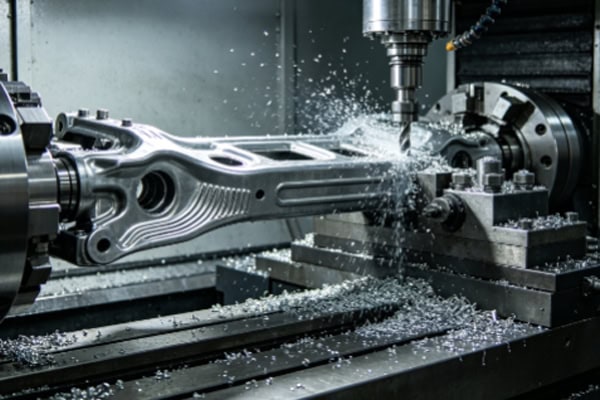
Steering System Components
Steering components directly affect vehicle handling and driver control. High machining accuracy is essential for responsive and safe steering performance.
- Improve dimensional accuracy
- Enhance steering responsiveness
- Increase operational stability
- Reduce assembly deviations
- Improve safety performance
- Extend service life
Precision machining contributes to a smoother and more reliable driving experience.
Suspension System Components
Suspension parts are constantly exposed to complex operating conditions, including road impacts, vehicle loads, acceleration forces, braking forces, and continuous vibrations. Components such as suspension shafts, bushings, mounting sleeves, and connecting rods require high dimensional accuracy and excellent mechanical properties to maintain stable vehicle performance. CNC turning enables manufacturers to produce
these parts with tight tolerances and consistent quality, ensuring reliable operation under demanding driving conditions. Precision machining also helps improve component durability, reduce maintenance requirements, and support the long-term safety and comfort of the vehicle.
- Ensure structural strength
- Improve fatigue resistance
- Increase impact resistance
- Enhance stability
- Reduce wear issues
- Improve driving comfort
High-quality CNC-turned suspension components contribute to better handling performance, smoother ride quality, and improved vehicle stability. Consistent machining accuracy also helps ensure proper assembly and alignment, allowing suspension systems to perform effectively throughout the vehicle’s service life.
Brake System Components
Brake system components are directly related to vehicle safety and must meet extremely strict manufacturing and quality requirements. Components such as brake pistons, brake cylinder housings, brake shaft parts, and hydraulic system fittings require precise dimensions and excellent surface finishes to ensure reliable braking performance under various driving conditions. CNC turning enables manufacturers to achieve tight tolerances and consistent quality, which is critical for maintaining stable braking force and reducing the risk of component failure. As modern vehicles continue to incorporate advanced braking technologies, including anti-lock braking systems (ABS) and electronic stability control systems, the demand for precision-machined brake components continues to increase.
- Ensure dimensional accuracy
- Improve sealing performance
- Increase reliability
- Reduce failure risks
- Meet safety standards
- Support large-scale production
Accurately machined brake components help maintain proper hydraulic pressure, improve braking responsiveness, and enhance overall vehicle safety. Consistent production quality also reduces assembly issues and supports long-term durability, making CNC turning an essential process in modern brake system manufacturing.
CNC Turning Supports the Development of Electric Vehicles
The rapid growth of electric vehicles has introduced new requirements for precision, efficiency, and lightweight component design. CNC turning has become increasingly important in supporting EV manufacturing.
Electric Motor Shaft Machining
The drive motor is one of the most critical components in an electric vehicle, serving as the primary source of propulsion and directly influencing vehicle performance, energy efficiency, and driving experience. The motor shaft operates at extremely high rotational speeds and must maintain precise balance and dimensional accuracy throughout its service life. Even minor deviations can lead to increased vibration, noise, energy loss, and premature component wear. CNC turning enables manufacturers to achieve the tight tolerances required for motor shafts while maintaining consistent quality across large production volumes. Advanced CNC equipment can also produce complex shaft geometries that support modern high-performance electric motor designs.
- Ensure rotational accuracy
- Improve power output efficiency
- Reduce vibration and noise
- Enhance reliability
- Extend service life
- Support high-speed operation
By delivering exceptional dimensional consistency and surface quality, precision CNC turning helps electric motors operate smoothly under demanding conditions. This contributes to improved energy utilization, enhanced driving comfort, reduced maintenance requirements, and greater long-term reliability for electric vehicles.
Battery System Structural Components
Battery systems require numerous precision-machined structural components to support, secure, and protect battery modules throughout the vehicle’s service life. These parts must meet strict dimensional tolerances to ensure proper assembly, thermal management, and mechanical stability. As electric vehicle battery packs become larger and more sophisticated, manufacturers increasingly rely on CNC turning to produce components that deliver both precision and consistency while supporting lightweight vehicle designs.
- Ensure assembly accuracy
- Improve safety performance
- Increase structural stability
- Support lightweight designs
- Meet complex structural requirements
- Improve production efficiency
High-quality CNC-turned battery components help maintain the integrity of battery packs under vibration, temperature fluctuations, and long-term operating conditions. Consistent machining quality contributes to safer, more reliable, and longer-lasting battery systems while supporting efficient large-scale EV production.
Electrical Connection Components
Electric vehicles rely on numerous connectors and interfaces that require high precision and excellent conductivity.
- Improve electrical conductivity
- Ensure dimensional consistency
- Enhance reliability
- Increase durability
- Meet precision requirements
- Support mass production
These components play an important role in vehicle performance, safety, and electrical efficiency.
CNC Turning Improves Automotive Manufacturing Efficiency
As competition in the automotive industry continues to increase, manufacturers are constantly seeking ways to improve productivity while reducing costs. CNC turning provides an effective solution for achieving these goals.
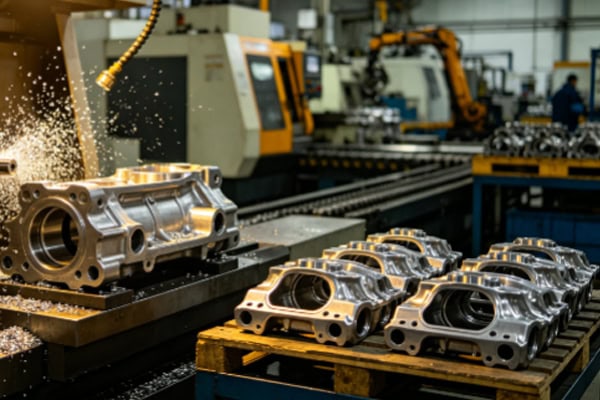
Support for Automated Production
Modern CNC equipment can operate together with robotic loading and unloading systems, enabling highly automated production environments.
- Improve manufacturing efficiency
- Reduce labor costs
- Minimize human error
- Increase machine utilization
- Support continuous production
- Improve delivery capacity
Automation helps manufacturers strengthen competitiveness and maintain stable production output.
Consistent Product Quality
Automotive manufacturing depends heavily on standardized parts that must meet strict quality requirements. Even minor dimensional variations can create assembly challenges, increase production costs, and affect vehicle performance. CNC turning technology enables manufacturers to maintain tight tolerances throughout large production runs, ensuring that every component meets the same specifications. This level of consistency is particularly important for engine parts, transmission components, braking systems, and electric vehicle assemblies, where precision directly influences safety, reliability, and operational efficiency.
- Stable machining accuracy
- High product consistency
- Lower defect rates
- Improved assembly efficiency
- Reliable quality control
- Compliance with industry standards
By using advanced CNC turning equipment, manufacturers can monitor machining parameters in real time and maintain repeatable production results across thousands of parts. Consistent quality reduces the need for rework and inspections, improves production efficiency, and helps automotive companies meet strict customer and regulatory requirements. Reliable component quality also strengthens supply chain performance by ensuring that parts from different production batches can be assembled seamlessly without additional adjustments.
Meeting High-Volume Production Demands
Automotive manufacturers require the ability to produce large quantities of components while maintaining quality and efficiency.
- Support mass production
- Shorten production cycles
- Improve resource utilization
- Optimize manufacturing processes
- Reduce overall costs
- Increase market responsiveness
As automotive technologies continue to advance, CNC turning will remain a critical manufacturing process for producing high-quality automotive components efficiently and reliably.