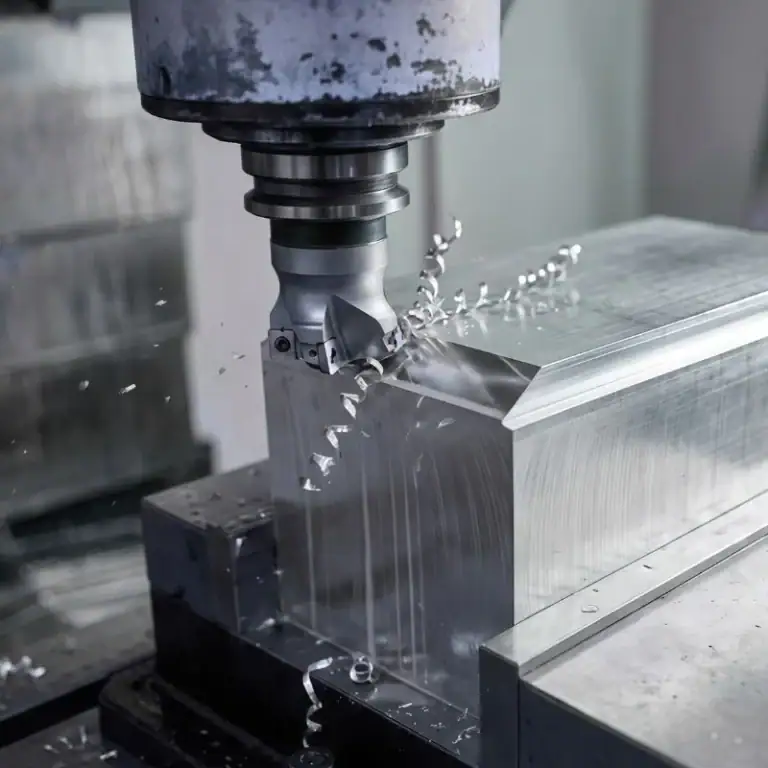
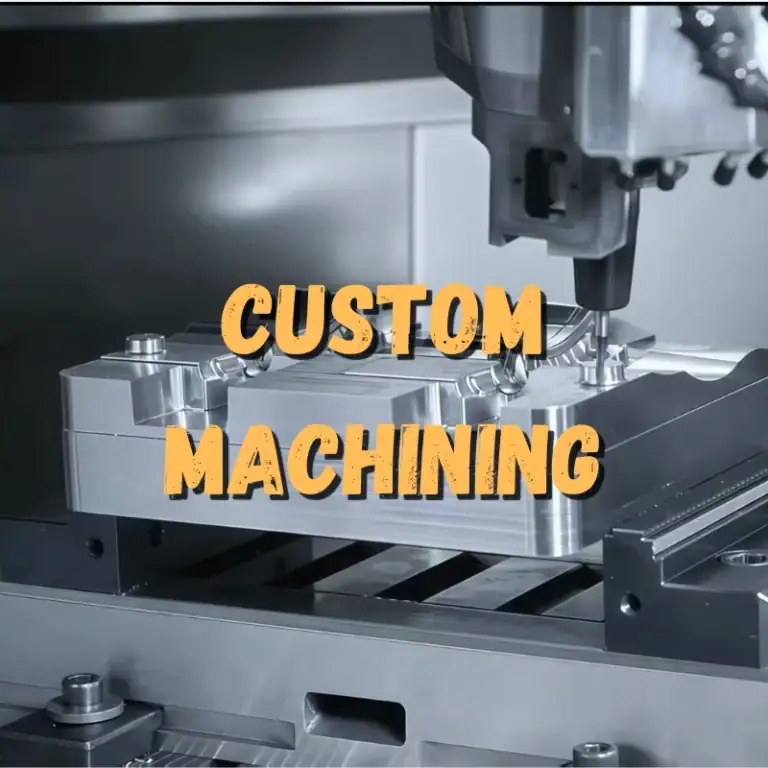
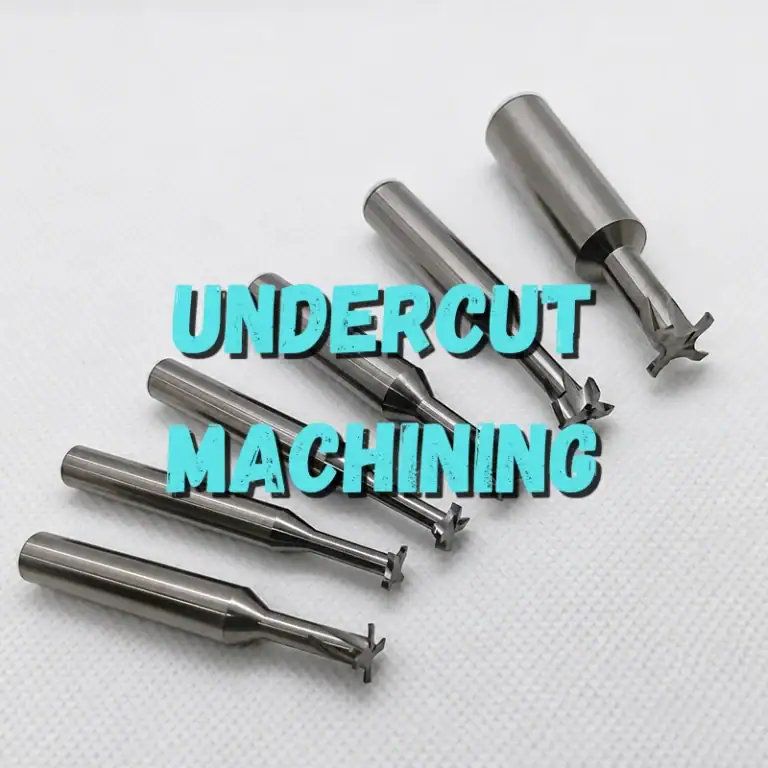
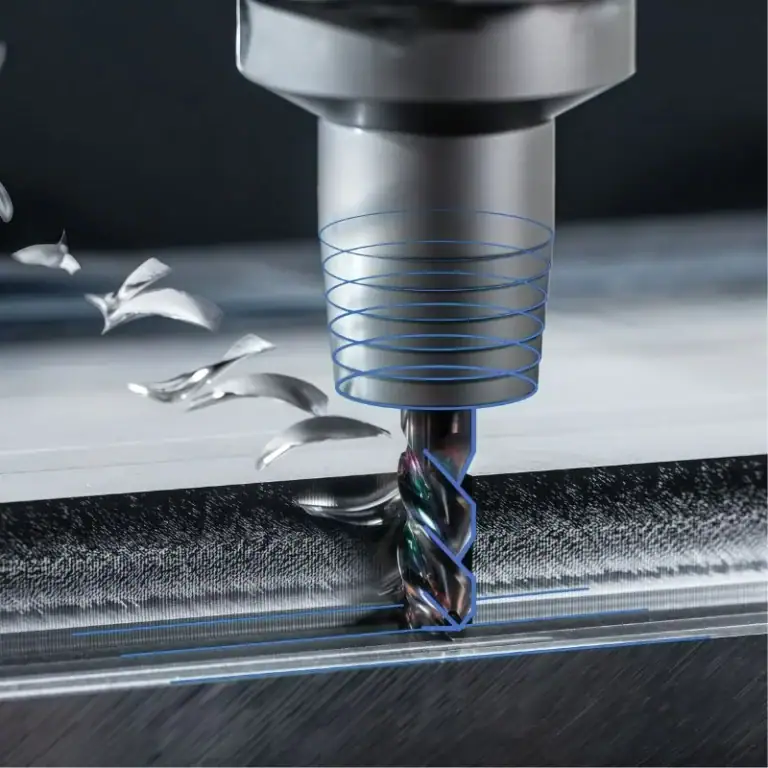
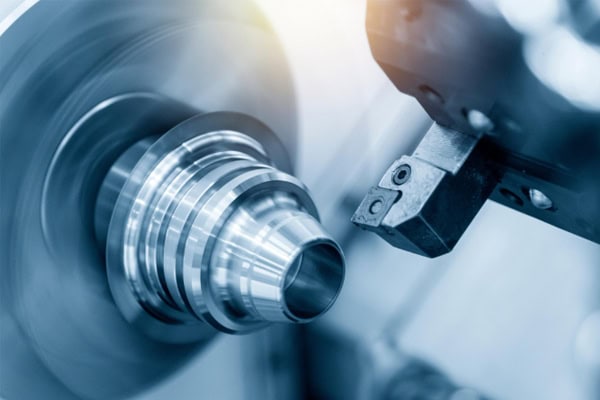
CNC turning is one of the most widely used precision machining processes in modern manufacturing. By using computer numerical control (CNC) to precisely control machine movements, CNC turning performs continuous, high-precision cutting operations on rotating workpieces. Compared with conventional lathes, CNC turning can automatically complete complex machining tasks while delivering consistent quality and significantly improving production efficiency. It is suitable for both prototype production and large-volume manufacturing. As industries such as aerospace, automotive, medical devices, electronics, renewable energy, and industrial automation continue to demand tighter tolerances and higher productivity, CNC turning has become an essential manufacturing technology for producing precision components.
Modern CNC turning centers are capable of machining external diameters, internal bores, end faces, threads, grooves, tapers, and many other rotational features. When combined with live tooling, multi-axis machining, automatic tool changers, and in-process inspection systems, CNC turning can complete multiple machining operations in a single setup. Its outstanding machining stability, excellent dimensional consistency, and high level of automation make CNC turning one of the most valuable manufacturing solutions available today.
High Precision Meets the Requirements of Modern Manufacturing
Dimensional accuracy is one of the most important indicators of CNC turning quality. Advanced CNC control systems precisely manage tool movement, allowing machining dimensions to remain highly consistent while minimizing human error. For batch production, stable machining accuracy improves product consistency, reduces scrap rates, and minimizes material waste.
Stable Dimensional Accuracy
Modern CNC turning equipment combined with optimized machining processes delivers reliable dimensional control for a wide range of precision components.
- High dimensional accuracy
- Excellent positioning repeatability
- Controlled roundness tolerance
- Improved concentricity
- Consistent product quality
- Reduced dimensional variation
Stable machining accuracy improves assembly performance while increasing customer confidence in product quality.
Superior Surface Finish
Proper tool selection, optimized cutting parameters, and effective coolant systems help produce smoother surfaces while reducing the need for additional polishing or secondary finishing operations.
- Lower surface roughness
- Improved surface finish
- Reduced tool marks
- Fewer burrs
- Better product appearance
- Improved wear resistance
Excellent surface quality enhances both the appearance and long-term performance of precision components.
High Automation Improves Production Efficiency
Modern CNC turning machines automatically execute machining programs with minimal operator intervention, greatly increasing production stability and machine utilization.
CNC Programming Enables Continuous Machining
Pre-programmed machining operations allow the CNC machine to perform each production step automatically, improving manufacturing efficiency and maintaining consistent quality.
- Automatic machining execution
- Automatic process sequencing
- Continuous production cycles
- Reduced manual operation
- Improved machining stability
- Consistent batch production
Automated machining significantly increases productivity while reducing the possibility of human error.
Automatic Tool Changers Increase Productivity
Many modern CNC turning centers are equipped with automatic tool changers that quickly select the correct cutting tool for different machining operations.
- Automatic tool identification
- Faster tool changes
- Higher production efficiency
- Multiple operations in one setup
- Reduced machine downtime
- Improved equipment utilization
Automatic tool changing minimizes non-cutting time and keeps production running efficiently.
Wide Machining Capability Supports Diverse Components
CNC turning is suitable not only for simple rotational parts but also for highly precise components with complex geometries. This flexibility allows manufacturers to serve many different industries with consistent machining quality.
Ideal for Rotational Components
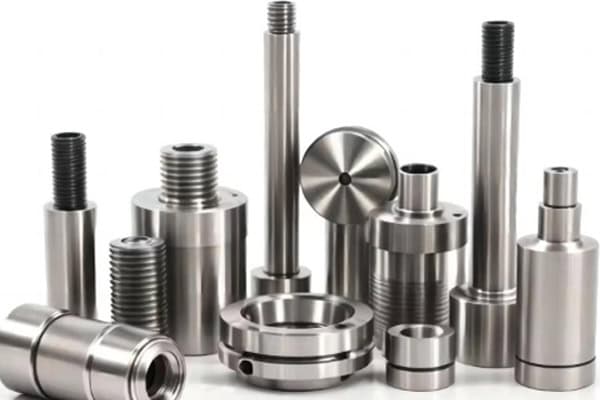
Parts with cylindrical, tapered, or rotationally symmetrical shapes are especially suitable for CNC turning.
- Precision shafts
- Sleeves and bushings
- Flanges
- Threaded components
- Hydraulic fittings
- Instrument connectors
Selecting appropriate machining strategies according to product characteristics further improves machining quality and production efficiency.
Compatible with Numerous Materials
Modern CNC turning equipment can machine a wide variety of metals and engineering plastics to meet diverse manufacturing requirements.
- Aluminum alloys
- Stainless steel
- Titanium alloys
- Copper alloys
- Alloy steels
- Engineering plastics
Selecting suitable cutting tools and machining parameters according to material properties helps maintain stable machining conditions while extending tool life.
Excellent Repeatability Makes CNC Turning Ideal for Mass Production
Product consistency is a critical requirement for high-volume manufacturing. CNC turning maintains identical machining paths through precise CNC programming, ensuring that every finished component meets the same quality standard.
Outstanding Repeatability
CNC systems execute every machining operation exactly as programmed, maintaining excellent consistency throughout production.
- Consistent dimensions
- Excellent interchangeability
- Reduced batch variation
- Improved assembly efficiency
- Less manual adjustment
- Stable manufacturing performance
High repeatability makes CNC turning an essential production technology for the automotive, medical, electronics, and industrial equipment industries.
Comprehensive Quality Management
Modern manufacturing facilities implement complete quality management systems to continuously monitor machining performance and maintain stable production quality.
- In-process dimensional inspection
- First article inspection
- Routine quality monitoring
- Machining data recording
- Tool life management
- Product traceability
Comprehensive quality control ensures long-term production stability while improving customer satisfaction.
CNC Turning Continues to Advance Modern Manufacturing
As intelligent manufacturing technologies continue to develop, CNC turning has evolved beyond conventional machining into a highly automated, digital, and intelligent production process. Combined with robotic loading systems, automatic tool changers, in-process measurement, Manufacturing Execution Systems (MES), and digital process management, manufacturers can significantly improve production efficiency, shorten delivery times, and reduce overall manufacturing costs.
With advantages including exceptional precision, high productivity, excellent repeatability, advanced automation, and broad material compatibility, CNC turning is widely used throughout aerospace, automotive manufacturing, medical devices, electronics, energy equipment, robotics, and precision engineering industries. As high-performance CNC equipment and smart manufacturing technologies continue to evolve, CNC turning will play an increasingly important role in precision component manufacturing while providing manufacturers with more efficient, reliable, and competitive machining solutions.