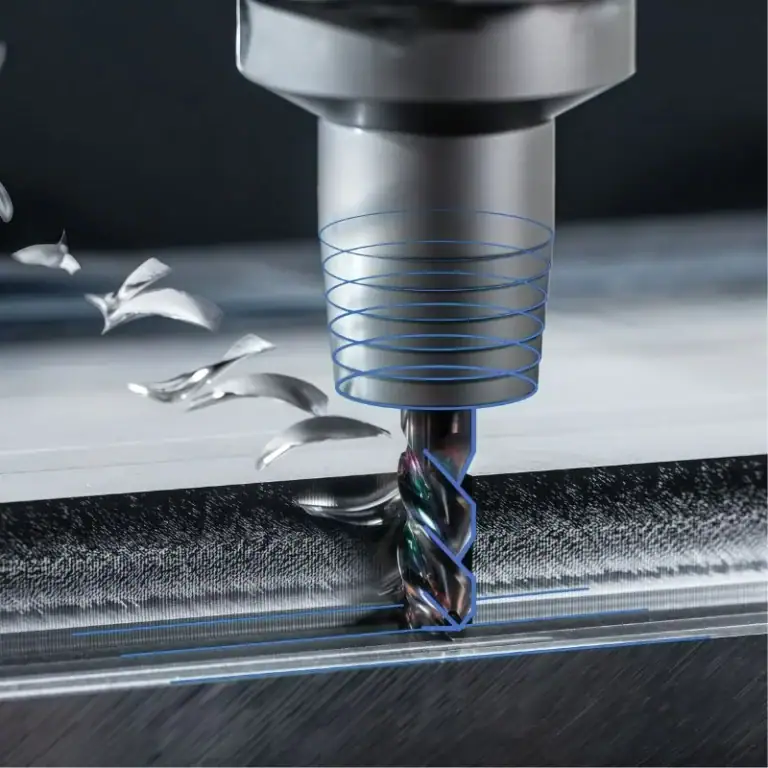
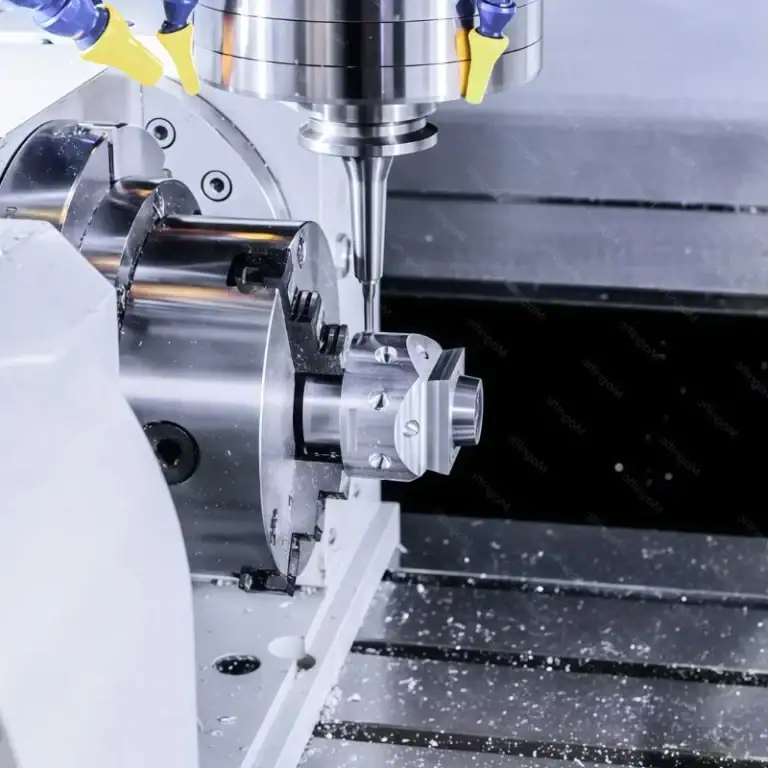
Alloy steel is widely used in automotive manufacturing, aerospace, construction machinery, energy equipment, mold manufacturing, and industrial automation because of its high strength, hardness, wear resistance, and excellent mechanical properties. Many critical components must withstand heavy loads, repeated impacts, continuous friction, and demanding operating conditions over long service periods. These applications require outstanding material performance together with precise machining quality. CNC turning uses computer numerical control technology to machine alloy steel with high precision and consistent stability, making it an ideal solution for manufacturing precision components.
Compared with ordinary carbon steel, alloy steel generates greater cutting forces and higher cutting temperatures during machining. As a result, CNC turning requires machines with high rigidity, high-performance cutting tools, optimized machining strategies, and effective cooling systems. By selecting suitable tooling, optimizing cutting parameters, improving coolant application, and implementing comprehensive quality control procedures, manufacturers can improve machining efficiency, extend tool life, and ensure excellent dimensional accuracy and surface quality.
Influence of Alloy Steel Material Properties on CNC Turning
Different grades of alloy steel vary significantly in hardness, toughness, heat resistance, and machinability. Understanding these material characteristics before production helps engineers develop efficient machining strategies and maintain stable manufacturing performance.
Alloy Steel Presents Greater Machining Challenges
Due to its high strength, alloy steel places considerable loads on cutting tools during machining while generating substantial cutting heat. If machining parameters are not properly optimized, tool wear may accelerate, dimensional accuracy may decline, and production efficiency may decrease. Before production begins, manufacturers should evaluate the alloy grade, heat treatment condition, and component geometry to establish an appropriate machining process.
- High cutting resistance
- Heavy tool loading
- Elevated cutting temperature
- Faster tool wear
- High machining stability requirements
- Greater machine rigidity requirements
A thorough understanding of cutting characteristics helps improve machining quality while minimizing production abnormalities.
Heat Treatment Conditions Affect Machining Performance
Many alloy steel components undergo heat treatment processes such as quenching, tempering, or normalizing. Different heat treatment conditions directly influence material hardness and machining behavior.
- Verify heat treatment condition
- Evaluate material hardness
- Adjust machining strategy
- Optimize cutting parameters
- Arrange machining sequence properly
- Control machining deformation
Selecting machining methods according to the actual material condition improves dimensional stability and production efficiency.
Alloy Steel CNC Turning Workflow
A standardized machining process improves production consistency, reduces machining errors, and supports stable mass production. Every stage, from engineering drawing analysis to final inspection, requires careful control.
Engineering Drawing Analysis and Process Planning
Before machining begins, engineers should analyze component geometry, dimensional tolerances, and technical specifications to establish an efficient machining process.
- Analyze component geometry
- Confirm dimensional requirements
- Plan machining sequence
- Design tool paths
- Define machining allowance
- Evaluate machining challenges
Proper process planning minimizes machine adjustments and improves production efficiency.
CNC Programming and Equipment Preparation
CNC programming determines machining paths and production rhythm. At the same time, cutting tools, fixtures, and machine parameters must be prepared before production starts.
- Establish machining coordinate systems
- Create tool paths
- Set spindle speed
- Adjust feed parameters
- Inspect tool condition
- Calibrate fixture positioning
Accurate programming and proper machine preparation ensure stable operation and improve machining quality.
Cutting Tool Selection and Parameter Optimization
Tool performance has a direct influence on machining efficiency and component quality. Selecting appropriate tool materials and optimizing cutting parameters effectively reduce tool wear and improve machining stability.
Selecting Suitable Cutting Tools for Alloy Steel
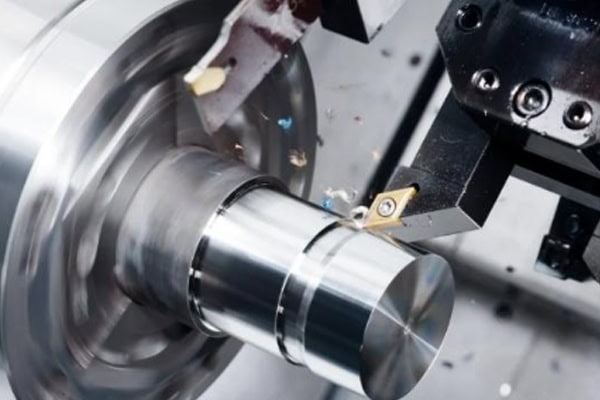
Alloy steel machining generally requires high-performance carbide tools or wear-resistant coated tools capable of handling demanding cutting conditions.
- Use carbide cutting tools
- Select wear-resistant coatings
- Improve tool rigidity
- Maintain sharp cutting edges
- Monitor tool wear
- Extend tool service life
Proper tool selection maintains stable cutting performance and improves manufacturing productivity.
Optimizing Cutting Parameters
Cutting speed, feed rate, and depth of cut should be optimized according to material properties, tool specifications, and component requirements.
- Control spindle speed
- Optimize feed rate
- Set cutting depth
- Manage cutting temperature
- Reduce machining vibration
- Improve machining efficiency
Scientific parameter optimization balances machining quality with production efficiency while minimizing abnormal tool wear.
Quality Control and Surface Finish Improvement
High-quality alloy steel components must achieve both dimensional accuracy and excellent surface quality while maintaining reliable mechanical performance. After machining, comprehensive inspections ensure compliance with engineering specifications.
Dimensional Accuracy Control
Precision components require strict dimensional tolerances and geometric accuracy to guarantee proper assembly performance.
- Inspect outside diameters
- Verify bore accuracy
- Measure roundness
- Check concentricity
- Record inspection data
- Maintain production consistency
Accurate dimensional inspection increases product acceptance rates while reducing rework and scrap.
Surface Quality Optimization
Surface finish directly influences wear resistance, assembly performance, and component lifespan, making comprehensive process control essential.
- Reduce surface roughness
- Minimize machining marks
- Control burr formation
- Improve wear resistance
- Enhance assembly quality
- Increase product reliability
Optimizing tool condition, cutting parameters, and coolant application produces more consistent machining surfaces.
Applications of Alloy Steel CNC Turning
Because of its outstanding mechanical performance, alloy steel CNC turned components are widely used in numerous advanced manufacturing industries and have become an essential solution for precision engineering.
Automotive and Construction Machinery Industries
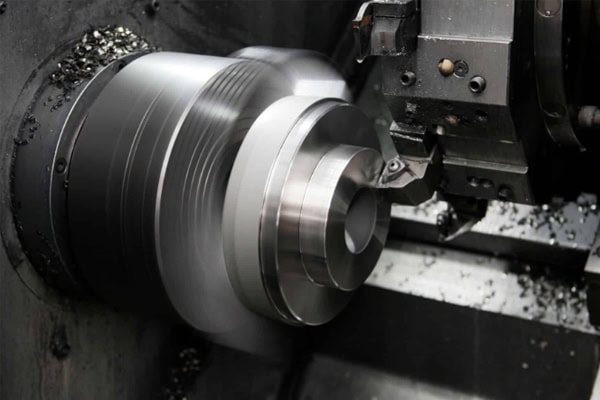
Many critical transmission components used in automotive and construction equipment require high-strength alloy steel to ensure long-term operational reliability.
- Drive shafts
- Gear shafts
- Shaft sleeves
- Hydraulic components
- Suspension system parts
- Power transmission components
Stable machining accuracy enables these components to perform reliably under demanding operating conditions.
Aerospace and Industrial Equipment
Aerospace and industrial equipment require exceptional precision, reliability, and material performance. Alloy steel CNC turning satisfies these demanding manufacturing standards.
- Aerospace connectors
- Precision shaft components
- Energy equipment parts
- Industrial automation components
- Mold accessories
- High-strength structural components
High-quality machining capabilities enable manufacturers to meet the requirements of precision engineering and high-performance industrial applications.
Alloy Steel CNC Turning Supports Advanced Manufacturing
As CNC technology continues to advance, alloy steel CNC turning has become an essential part of precision manufacturing. Through scientific process planning, proper tool selection, optimized machining parameters, and comprehensive quality control systems, manufacturers can significantly improve machining efficiency, maintain dimensional accuracy, and reduce total manufacturing costs.
With the continued development of intelligent manufacturing, automated production lines, and in-process inspection technologies, alloy steel CNC turning will continue progressing toward higher precision, greater productivity, and more consistent quality. These advancements will provide increasingly reliable machining solutions for automotive manufacturing, aerospace engineering, energy equipment, and other advanced industrial applications.