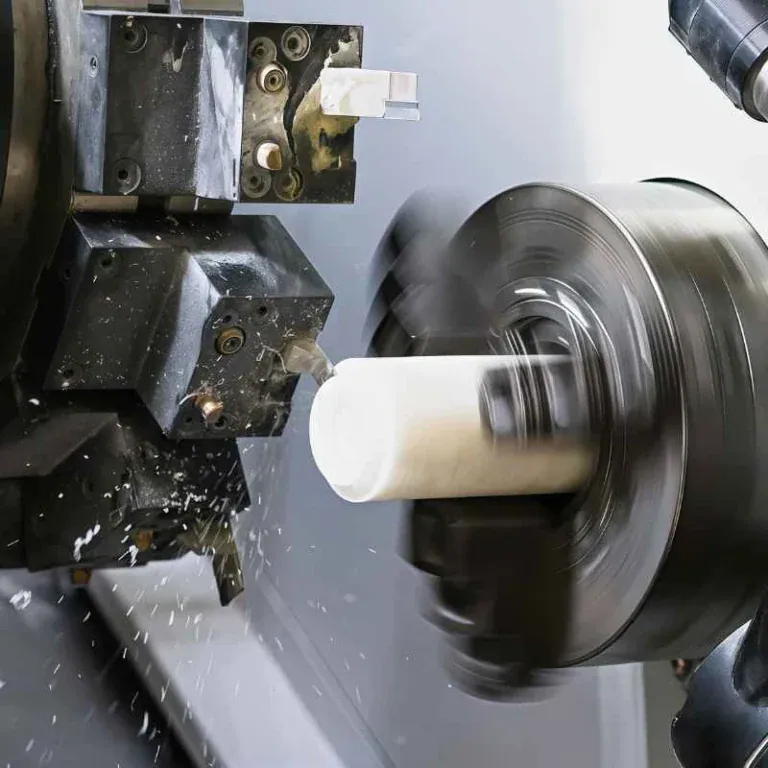
Brass is a widely used copper alloy material with excellent electrical conductivity, thermal conductivity, corrosion resistance, and outstanding machinability. It is commonly used in electronic components, automotive parts, valves, connectors, precision instruments, and industrial equipment. With the increasing demand for higher accuracy and production efficiency in modern manufacturing, brass CNC turning has become an important machining process for precision component production.
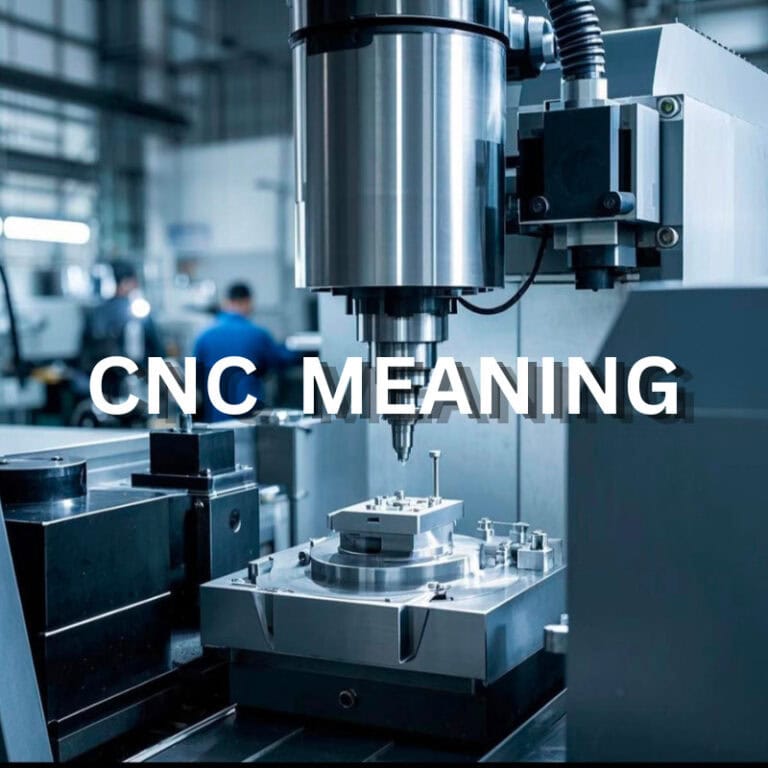
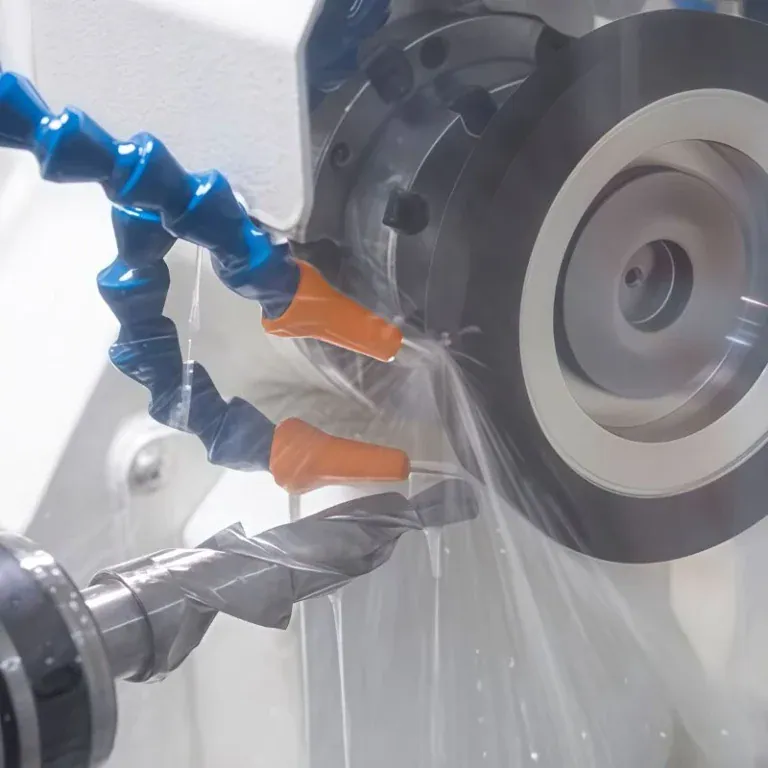
CNC turning uses a computer numerical control system to guide cutting tools and precisely machine rotating brass workpieces. It can complete operations such as external diameter turning, internal hole machining, facing, threading, and complex contour processing. Compared with traditional turning methods, CNC machining reduces manual operation errors, improves batch production consistency, and supports both low-volume customized production and large-scale manufacturing.
Brass has excellent cutting performance, but different brass grades may vary in hardness, toughness, and machining behavior. During actual production, manufacturers need to develop suitable machining strategies based on material characteristics, component structure, accuracy requirements, and application conditions to ensure machining quality and production stability.
Influence of Brass Material Characteristics on CNC Turning
Brass is considered an easy-to-machine metal, but its composition and mechanical properties directly affect cutting performance. Understanding material characteristics helps manufacturers select suitable tools, machining parameters, and cooling methods.
Brass Provides Excellent Cutting Performance
Compared with many steel materials, brass is easier to machine because it produces lower cutting resistance during machining. This reduces tool load and improves machining efficiency.
- Low cutting resistance
- Faster machining speed
- Reduced tool wear
- Easy chip removal
- Better surface finish
- Lower machining costs
Excellent machinability makes brass highly suitable for CNC turning applications and allows manufacturers to produce precision components efficiently.
Brass Machining Requires Deformation Control
Although brass has good machinability, thin-wall structures and precision components may still experience deformation caused by cutting forces.
- Optimize clamping methods
- Control cutting forces
- Improve machining sequence
- Reduce workpiece stress
- Maintain machining stability
- Improve dimensional accuracy
Proper process planning reduces deformation risks and improves final component quality.
Brass CNC Turning Machining Process
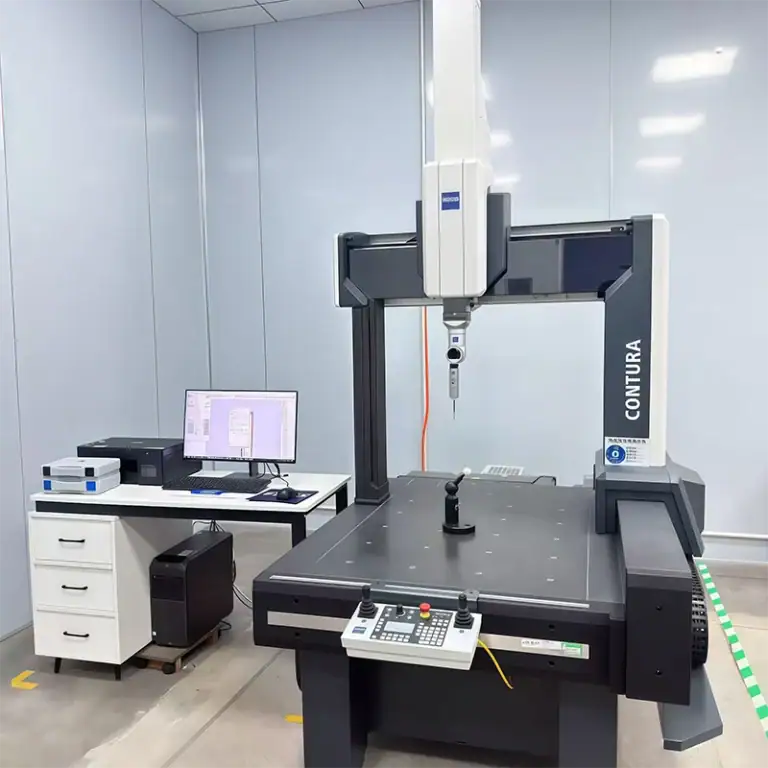
A complete brass CNC turning process includes drawing analysis, programming, tool selection, machine setup, and quality inspection. A standardized workflow ensures that components meet design specifications.
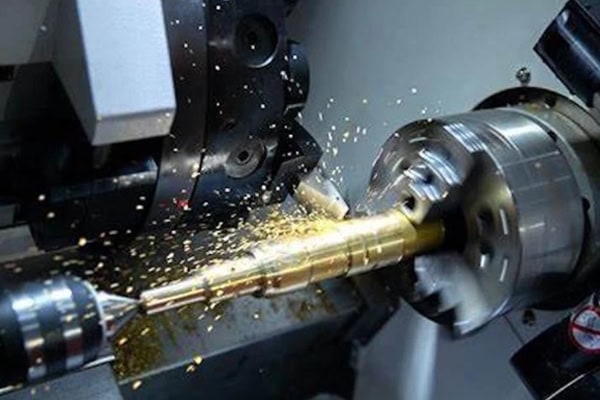
Component Drawing Analysis and Process Planning
Before machining begins, engineers need to analyze component structures and technical requirements to develop an appropriate manufacturing plan.
- Confirm dimensional requirements
- Analyze structural features
- Determine machining sequence
- Plan tool paths
- Set machining allowance
- Evaluate machining challenges
Effective process planning improves machining efficiency and reduces adjustment time during production.
CNC Program Development
Programming is an important step that connects product design requirements with machine operations. The program defines accurate tool movement paths and machining actions.
- Establish machining coordinates
- Create tool movement paths
- Set spindle speed
- Adjust feed rate
- Optimize machining cycles
- Reduce unnecessary movements
Accurate programming improves machine efficiency and ensures stable machining performance.
Cutting Tool Selection and Parameter Optimization for Brass Turning
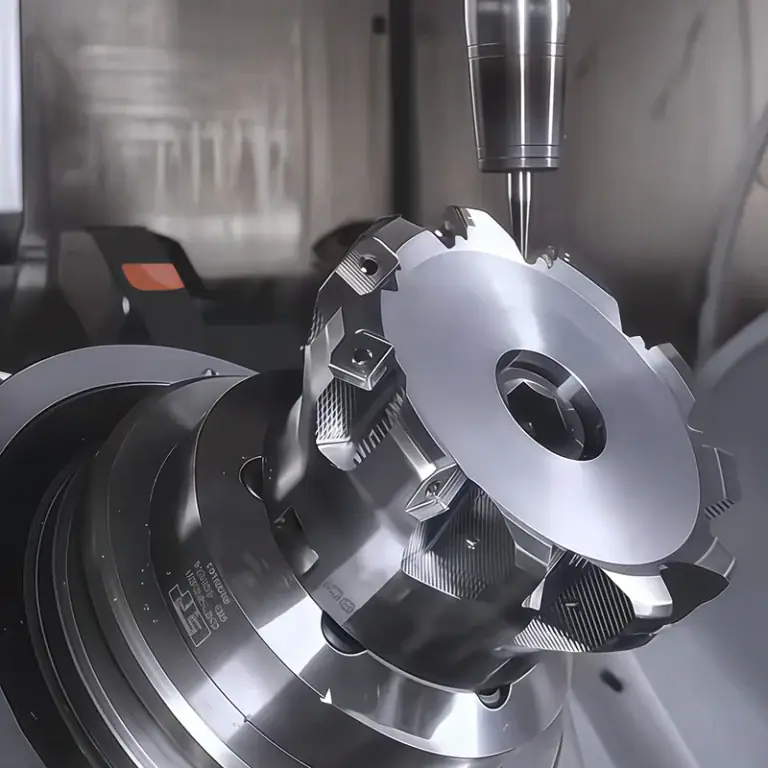
Tool performance directly affects brass machining results. Selecting suitable tools and optimizing cutting parameters help improve productivity and achieve better surface quality.
Select Suitable Cutting Tools
Brass machining typically requires sharp cutting tools to reduce cutting resistance and prevent material adhesion.
- Use carbide cutting tools
- Select sharp cutting edges
- Control tool wear
- Improve cutting stability
- Enhance surface finish
- Extend tool life
Proper tool selection maintains stable cutting conditions and improves production efficiency.
Optimize Cutting Parameters
Cutting speed, feed rate, and depth of cut should be adjusted according to brass grades and component requirements.
- Set proper spindle speed
- Control feed rate
- Adjust cutting depth
- Reduce machining vibration
- Maintain dimensional stability
- Improve machining efficiency
Proper parameter configuration enables manufacturers to achieve both high-quality results and efficient production.
Surface Quality Control in Brass CNC Turning
Brass components are commonly used in connectors, electrical parts, and precision mechanical equipment, where surface quality is highly important. Proper machining methods reduce defects and improve component performance.
Improve Component Surface Finish
Surface quality affects not only appearance but also assembly performance and service life.
- Reduce surface roughness
- Minimize machining marks
- Improve fitting performance
- Enhance appearance quality
- Reduce finishing requirements
- Increase product reliability
Optimizing tool conditions and machining parameters helps achieve smoother and more consistent surfaces.
Control Burrs and Machining Defects
Due to brass’s ductility, burrs may appear during machining. Proper control methods are required to maintain component quality.
- Optimize tool geometry
- Adjust machining parameters
- Improve edge treatment
- Perform necessary deburring
- Inspect machining quality
- Maintain product standards
Effective defect control improves overall component reliability and manufacturing quality.
Applications of Brass CNC Turning Components
With excellent mechanical properties and machining advantages, brass CNC turned components are widely used across many industries.
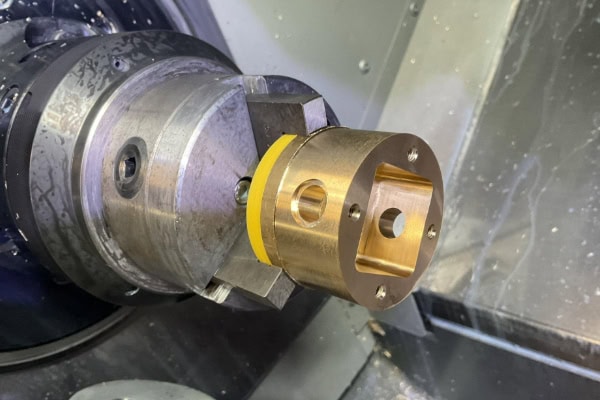
Applications in Electronics and Electrical Industries
Brass has excellent electrical conductivity, making it an important material for electronic connection components.
- Electrical terminals
- Wiring connectors
- Electrical contacts
- Conductive components
- Precision contacts
- Electronic structural parts
CNC turning ensures accurate dimensions and improves the reliability of electronic components.
Applications in Automotive and Industrial Equipment
Brass components are widely used in automotive and industrial systems for connection, transmission, and control functions.
- Valve components
- Shaft sleeves
- Connectors
- Precision threaded parts
- Mechanical accessories
- Control components
Stable machining accuracy enables these components to meet long-term industrial operating requirements.
Brass CNC Turning Supports Precision Manufacturing Development
Brass CNC turning has become an important manufacturing technology for precision components due to its high efficiency, excellent accuracy, and strong material adaptability. Through proper process planning, suitable tool selection, optimized cutting parameters, and strict quality inspection, manufacturers can improve production efficiency and product reliability.
With the continuous advancement of CNC automation technology, brass machining is developing toward higher precision, shorter delivery cycles, and more stable quality. Whether producing electronic components, automotive parts, or industrial equipment components, CNC turning provides reliable manufacturing solutions that help companies improve production capabilities and strengthen market competitiveness.