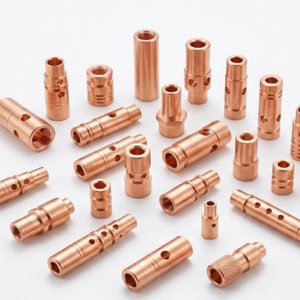
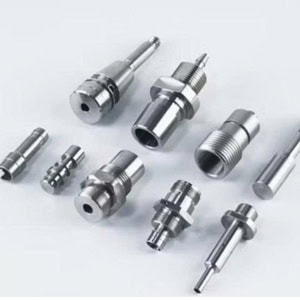
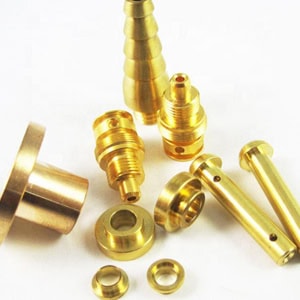
Copper and copper alloys play an essential role in modern manufacturing due to their excellent electrical conductivity, thermal conductivity, corrosion resistance, and outstanding machinability. From electronics and telecommunications to new
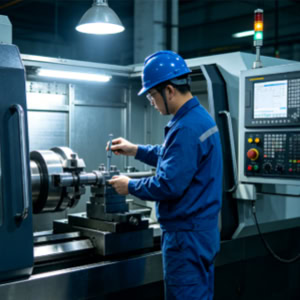
CNC turning has become one of the most important machining technologies in modern manufacturing. As CNC technology, automation, and intelligent manufacturing continue to advance, an increasing number of industries rely
With the continuous development of modern manufacturing toward higher precision, greater efficiency, and intelligent production, traditional CNC turning methods are becoming insufficient for many complex component manufacturing requirements. More manufacturers
During CNC turning operations, cutting tool materials have a direct impact on machining efficiency, component accuracy, and manufacturing costs. Different workpiece materials possess varying hardness, toughness, wear resistance, and thermal
Carbon steel is one of the most widely used metal materials in manufacturing due to its excellent strength, toughness, machinability, and cost-effectiveness. It is extensively applied in mechanical manufacturing, automotive
Alloy steel is widely used in automotive manufacturing, aerospace, construction machinery, energy equipment, mold manufacturing, and industrial automation because of its high strength, hardness, wear resistance, and excellent mechanical properties.
Brass is a widely used copper alloy material with excellent electrical conductivity, thermal conductivity, corrosion resistance, and outstanding machinability. It is commonly used in electronic components, automotive parts, valves, connectors,
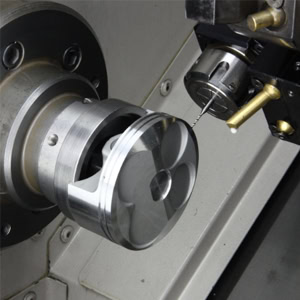
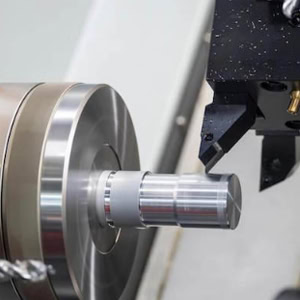
CNC turning is one of the most widely used precision manufacturing technologies in modern industries. By using computer numerical control systems to manage machine movements, CNC turning allows cutting tools
The automotive industry has strict requirements for component accuracy, structural stability, and service life. With the rapid development of electric vehicles, intelligent vehicles, and high-performance automobiles, automotive component manufacturing is
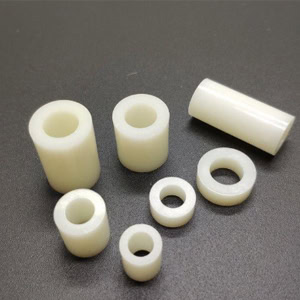
Nylon is a high-performance engineering plastic widely used in mechanical manufacturing, electronics, automotive components, medical devices, industrial automation, and food processing equipment. Its lightweight properties, excellent wear resistance, high mechanical
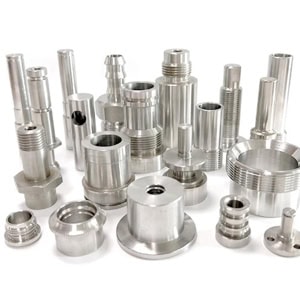
Stainless steel CNC turning is one of the most widely used machining processes for manufacturing precision stainless steel components. Thanks to its excellent corrosion resistance, high strength, and outstanding mechanical
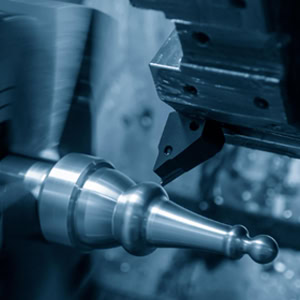
CNC turning is one of the most widely used precision machining processes in modern manufacturing. By using computer numerical control (CNC) to precisely control machine movements, CNC turning performs continuous,
Scroll to Top
Your 24 hour quote
Send us a message if you have any questions or request a quote. We will be back to you within 1-2 hours!