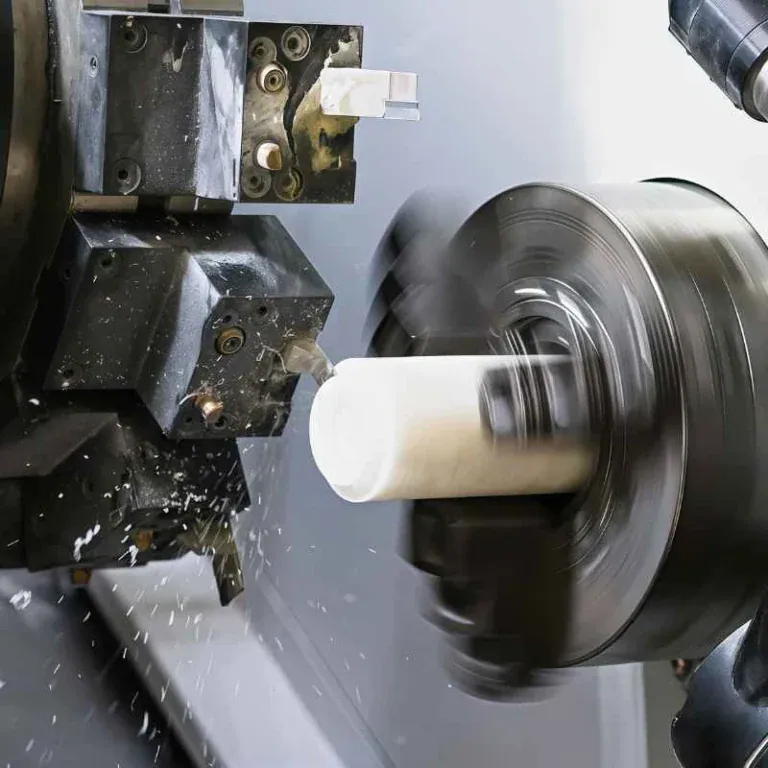
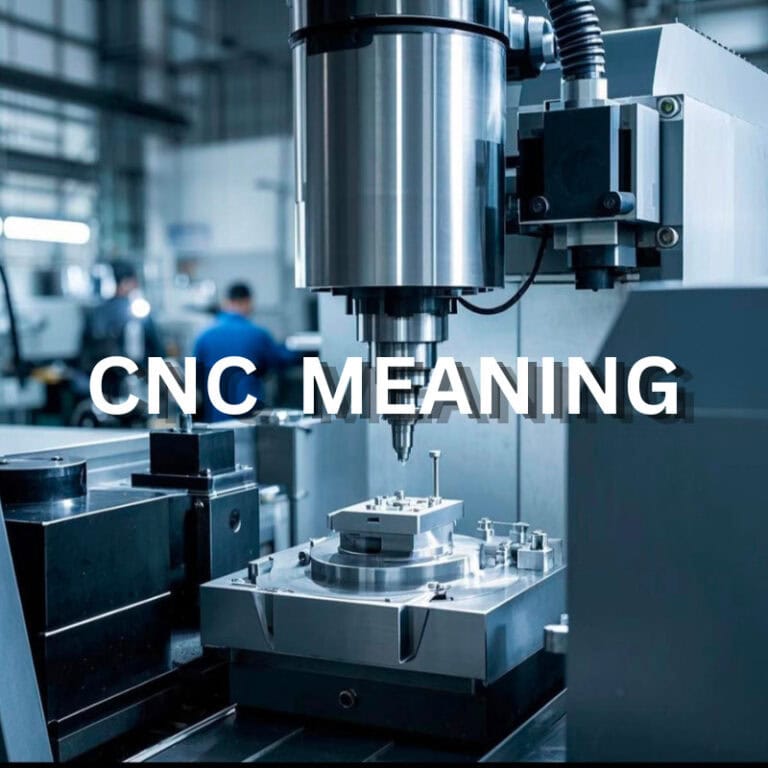
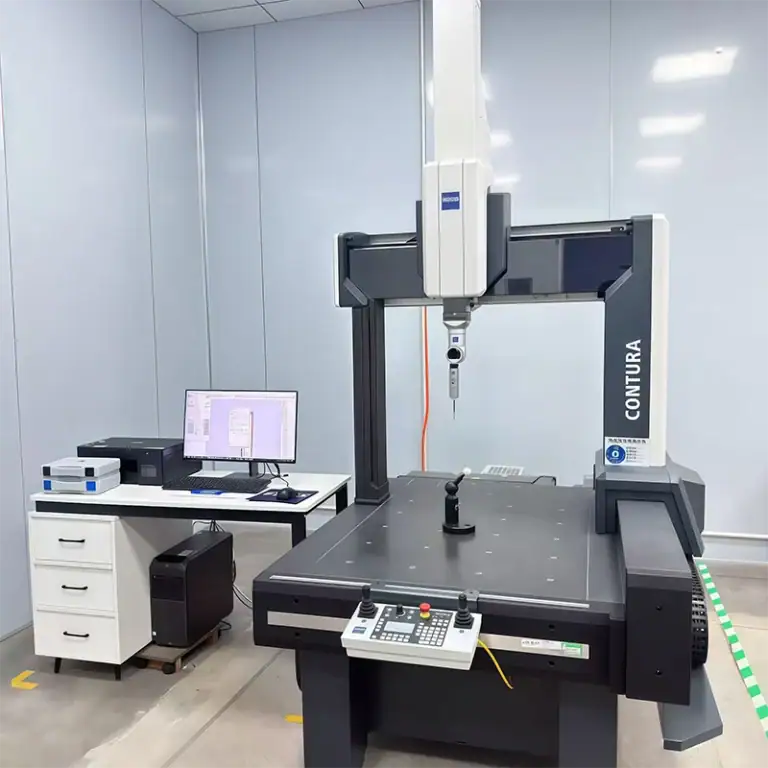
During CNC turning operations, cutting tool materials have a direct impact on machining efficiency, component accuracy, and manufacturing costs. Different workpiece materials possess varying hardness, toughness, wear resistance, and thermal conductivity, making proper tool material selection essential for achieving stable machining performance. In modern precision manufacturing, cutting tools must not only deliver excellent cutting capability but also withstand high temperatures, heavy cutting forces, and continuous friction generated during high-speed machining.
As CNC machine performance continues to improve, higher cutting speeds and increased automation have created greater demands on cutting tool technology. Traditional tool materials alone can no longer satisfy every machining requirement for complex components. Today, high-speed steel, cemented carbide, ceramics, cubic boron nitride, and diamond tools are widely used in CNC turning. Each material offers unique advantages, and selecting the proper tool material improves machining efficiency, extends tool life, and ensures consistent product quality.
High-Speed Steel Offers Excellent Overall Performance
High-speed steel (HSS) is one of the traditional cutting tool materials and is known for its excellent toughness, impact resistance, and machining versatility. Although modern carbide tools dominate high-speed machining, HSS remains valuable for low-speed machining, special-profile cutting, and customized tooling applications.
High-Speed Steel Provides Excellent Toughness
Compared with many ultra-hard tool materials, high-speed steel has superior impact resistance. It performs well during interrupted cutting operations and when machining complex component geometries.
- Excellent impact resistance
- Lower risk of edge chipping
- Suitable for complex tool designs
- Easy to regrind
- Good machining versatility
- Lower manufacturing cost
Its excellent toughness makes high-speed steel suitable for machining conditions involving vibration or changing cutting loads.
High-Speed Steel Fits Various Machining Applications
Although its cutting speed is lower than that of modern carbide tools, high-speed steel remains an economical solution for many specialized machining tasks.
- Small-batch production
- Thread cutting tools
- Form tool manufacturing
- Low-speed turning
- Complex profile machining
- Maintenance machining
Proper application of HSS tools allows manufacturers to achieve reliable precision machining under specific production conditions.
Cemented Carbide Is the Most Common CNC Turning Tool Material
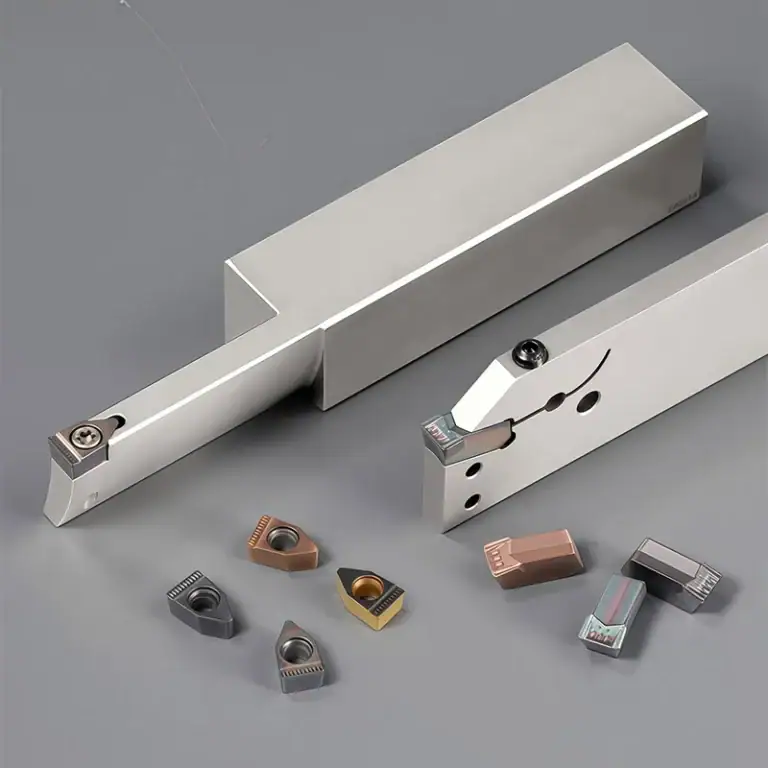
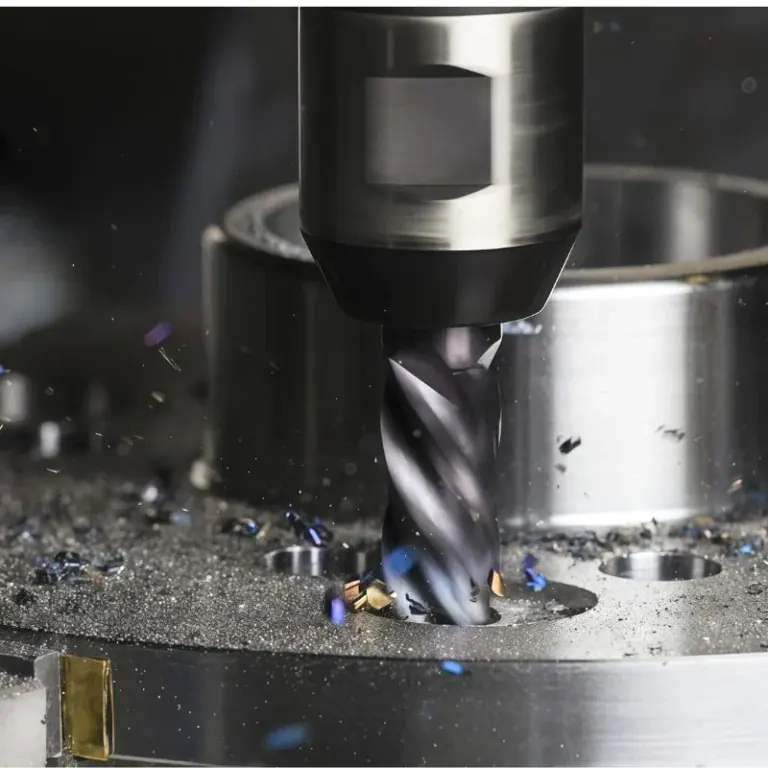
Cemented carbide tools are manufactured using tungsten carbide particles bonded with metallic binders. They provide excellent hardness, wear resistance, and high-temperature performance, making them the most widely used cutting tools in CNC turning.

Cemented Carbide Delivers Outstanding Wear Resistance
During high-speed machining, cutting tools are exposed to continuous friction and elevated temperatures. Cemented carbide maintains its hardness effectively under these demanding conditions.
- Supports high-speed machining
- Extends tool service life
- Improves machining efficiency
- Reduces tool changes
- Maintains dimensional stability
- Lowers manufacturing costs
Superior wear resistance makes carbide tools ideal for mass production environments.
Cemented Carbide Is Suitable for Various Metal Materials
Different carbide grades can be selected according to workpiece materials, allowing efficient machining of numerous metal types.
- Carbon steel machining
- Stainless steel machining
- Alloy steel machining
- Cast iron machining
- Copper alloy machining
- Aluminum alloy machining
Its broad compatibility makes cemented carbide an essential tooling material in mechanical manufacturing.
Coating Technology Improves Tool Performance
Modern carbide inserts are often coated to improve hardness, reduce friction, and increase resistance to heat and wear.
- Increase surface hardness
- Reduce cutting friction
- Improve heat resistance
- Extend tool life
- Enhance cutting stability
- Improve machining quality
Coated carbide tools have become a standard solution for high-efficiency CNC machining.
Ceramic Cutting Tools Are Ideal for High-Speed Finishing
Ceramic cutting tools provide exceptional hardness and heat resistance, allowing stable machining under extremely high cutting temperatures. Their excellent wear resistance makes them suitable for hard materials and high-productivity machining.
Ceramic Tools Offer Excellent Heat Resistance
High-speed machining generates significant heat. Ceramic materials retain excellent mechanical properties even at elevated temperatures.
- Excellent thermal stability
- Reduced thermal wear
- Supports high-speed machining
- Improves productivity
- Maintains machining accuracy
- Extends continuous cutting time
Superior heat resistance makes ceramic tools an excellent choice for high-speed finishing operations.
Ceramic Tools Perform Well on Hard Materials
The high hardness of ceramic tools makes them particularly effective when machining difficult materials.
- Hardened steel machining
- Cast iron machining
- High-temperature alloy machining
- Precision surface finishing
- High-speed cutting
- Automated production
Proper ceramic tool selection significantly improves machining efficiency for challenging materials.
Cubic Boron Nitride Is Designed for Hard Material Machining
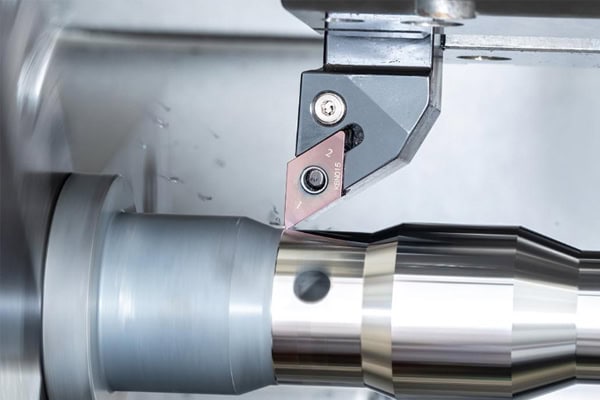
Cubic boron nitride (CBN) is an ultra-hard cutting tool material with exceptional hardness and heat resistance. It is primarily used for hardened steel, high-strength alloys, and other difficult-to-machine materials.
CBN Provides Exceptional Wear Resistance
CBN tools maintain stable cutting performance even when machining extremely hard workpieces.
- Machine hardened materials
- Reduce tool wear
- Improve machining stability
- Maintain dimensional accuracy
- Reduce machining passes
- Increase productivity
Outstanding wear resistance makes CBN one of the best choices for hard material machining.
CBN Is Suitable for Precision Component Manufacturing
Many high-precision components require extremely tight tolerances. CBN tools consistently achieve demanding machining standards.
- Precision shaft components
- Mold components
- Automotive parts
- Aerospace components
- High-strength mechanical parts
- Precision industrial products
Its excellent machining capability improves the production quality of complex precision components.
Diamond Cutting Tools Are Ideal for Non-Ferrous Precision Machining
Diamond is the hardest cutting tool material available and provides exceptional wear resistance. It is particularly effective for machining aluminum alloys, copper alloys, graphite, and composite materials.
Diamond Tools Produce Superior Surface Quality
Diamond cutting tools generate outstanding surface finishes while maintaining excellent dimensional accuracy.
- Excellent surface finish
- Low cutting resistance
- Superior machining precision
- Reduce finishing operations
- Improve product quality
- Suitable for precision manufacturing
Outstanding machining performance makes diamond tools widely used in high-end manufacturing industries.
Diamond Tools Have Extensive Applications
Although diamond tools are not suitable for machining ferrous materials, they perform exceptionally well when processing non-ferrous metals and advanced engineering materials.
- Aluminum alloy components
- Copper alloy components
- Graphite materials
- Composite materials
- Optical components
- Precision electronic parts
Proper use of diamond cutting tools significantly improves precision machining performance.
Cutting Tool Material Selection Determines Machining Performance
Selecting cutting tool materials should be based on workpiece material, machining requirements, production volume, and machine capability. Every tool material has unique performance characteristics, and no single material is suitable for every machining application.
In practical manufacturing, cemented carbide remains the preferred choice for most conventional CNC turning operations. Ceramic and CBN tools are ideal for high-speed machining and hardened materials, diamond tools provide outstanding performance when machining non-ferrous materials, and high-speed steel remains valuable for specialized tooling and lower-speed applications.
Proper cutting tool material selection reduces manufacturing costs, improves machining stability, and increases production efficiency. As intelligent manufacturing technologies continue to advance, new cutting tool materials and coating technologies will further enhance CNC turning capabilities, providing more efficient and reliable machining solutions for precision manufacturing industries.