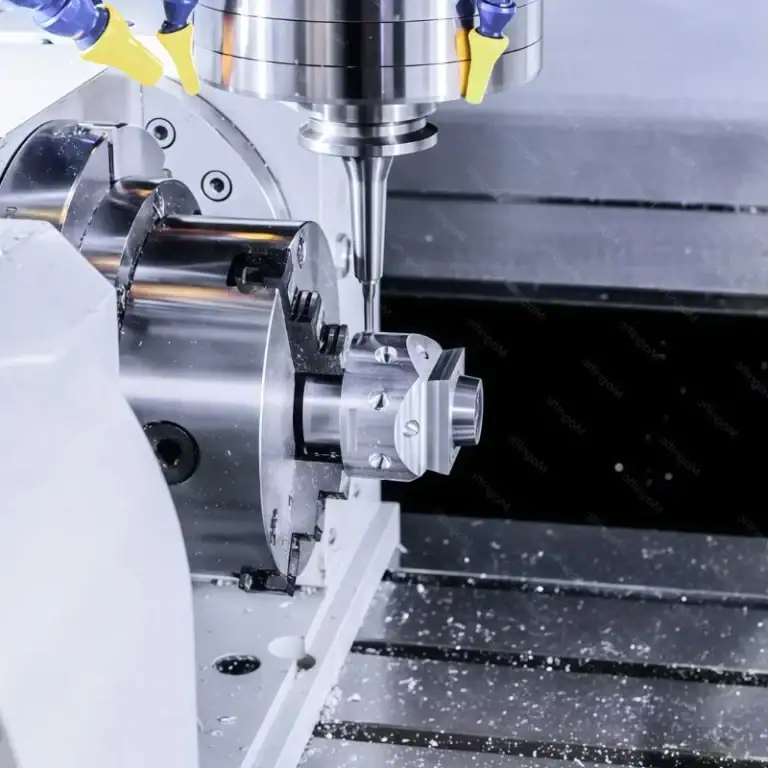
Carbon steel is one of the most widely used metal materials in manufacturing due to its excellent strength, toughness, machinability, and cost-effectiveness. It is extensively applied in mechanical manufacturing, automotive components, industrial equipment, structural parts, and automation systems. In modern precision manufacturing environments, companies need not only to focus on mechanical performance but also improve machining efficiency, reduce production costs, and maintain stable product quality.
Carbon steel CNC turning uses numerical control systems to precisely control cutting tool movements and machine rotating workpieces. It can complete operations such as external diameter turning, facing, internal hole machining, threading, and complex contour processing. Compared with traditional turning methods, CNC machining reduces manual operation errors, improves batch production consistency, and supports the manufacturing requirements of different component specifications.
Different carbon steel grades have variations in carbon content, hardness, and internal structure, which can influence tool wear, cutting temperature, vibration, and surface quality during machining. By optimizing machining procedures, selecting suitable cutting tools, adjusting cutting parameters, and strengthening quality inspection, manufacturers can improve overall CNC turning performance and achieve more stable and efficient production.
Analysis of Carbon Steel Characteristics and Machining Challenges
Carbon steel can be classified into low-carbon steel, medium-carbon steel, and high-carbon steel according to carbon content. Different material conditions influence cutting force, surface finish, and tool life during CNC turning. Understanding these characteristics helps manufacturers develop more suitable machining strategies.
Different Carbon Steel Types Affect Machining Parameters
Low-carbon steel has good plasticity and ductility, producing relatively low cutting resistance and allowing higher machining speeds. Medium-carbon steel provides higher strength and hardness, requiring more controlled cutting conditions. High-carbon steel has greater hardness and places higher requirements on tool performance and machine stability.
- Analyze carbon content
- Confirm material hardness
- Adjust cutting speed
- Select suitable tools
- Control machining temperature
- Optimize machining routes
Adjusting machining strategies according to material properties reduces production risks and improves machining efficiency.
Control Common Problems During Machining
During carbon steel CNC turning, issues such as accelerated tool wear, machining vibration, increased surface roughness, and dimensional deviations may occur. These problems require continuous process optimization.
- Reduce abnormal tool wear
- Lower machining vibration
- Control machining deformation
- Improve surface quality
- Maintain dimensional stability
- Increase machining reliability
Effective control of machining problems ensures that components meet design requirements and improves product acceptance rates.
Optimization of CNC Turning Process Flow
A well-designed machining workflow reduces unnecessary operations, improves machine utilization, and maintains component accuracy. From workpiece preparation to final inspection, each stage requires careful planning and control.
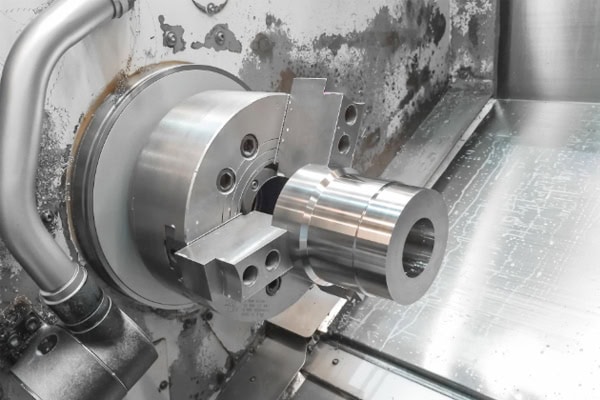
Improve Machining Sequence Design
Machining sequence directly affects production efficiency and component quality. Proper arrangement of rough machining, semi-finishing, and finishing operations reduces repeated positioning and improves machining stability.
- Remove major machining allowance efficiently
- Reduce repeated clamping
- Optimize tool paths
- Maintain stable machining references
- Minimize machining errors
- Improve production cycle time
A scientific machining sequence helps maintain stable machine operation and improves overall manufacturing efficiency.
Optimize Workpiece Clamping Methods
Clamping stability influences dimensional accuracy and vibration control during machining. Different component structures require suitable fixtures and positioning methods.
- Increase clamping rigidity
- Prevent workpiece movement
- Improve positioning accuracy
- Reduce machining vibration
- Protect component surfaces
- Enhance machining stability
Proper clamping methods reduce machining errors and improve final component quality.
Cutting Tool Selection and Cutting Parameter Optimization
The tooling system is an important factor affecting carbon steel CNC turning efficiency. Selecting suitable cutting tools and optimizing machining parameters can effectively reduce production costs and improve machining stability.
Select High-Performance Cutting Tools
Carbon steel machining commonly uses carbide tools. Different tool structures should be selected according to material hardness and machining requirements.
- Use wear-resistant inserts
- Select suitable tool angles
- Control tool wear
- Improve cutting stability
- Extend tool life
- Reduce tool replacement frequency
High-quality cutting tools maintain stable machining conditions and improve production continuity.
Adjust Cutting Speed and Feed Parameters
Cutting speed, feed rate, and depth of cut influence material removal efficiency, surface quality, and tool life. These parameters need to be optimized according to actual machining conditions.
- Set appropriate cutting speed
- Adjust feed rate
- Control cutting depth
- Reduce cutting heat
- Improve material removal rate
- Maintain dimensional accuracy
Proper parameter adjustment balances machining efficiency and product quality.
Cooling Lubrication and Machining Environment Optimization
During carbon steel machining, a large amount of cutting heat is generated. If heat cannot be effectively removed, tool wear may increase and component dimensions may become unstable. Proper cooling methods improve machining conditions and production reliability.
Select Suitable Cooling Methods
Different machining conditions require different cooling solutions, including conventional coolant, high-pressure cooling, and minimum quantity lubrication.
- Reduce cutting temperature
- Decrease tool wear
- Improve chip removal
- Enhance machining stability
- Extend tool service life
- Maintain component accuracy
Effective cooling improves the machining environment and increases equipment efficiency.
Strengthen Chip Management
During carbon steel turning, improper chip removal can affect machining quality and may even damage cutting tools.
- Optimize chip breaking design
- Control chip length
- Prevent chip entanglement
- Keep machining areas clean
- Reduce machine downtime
- Improve production continuity
Efficient chip management enhances machining safety and production efficiency.
Carbon Steel CNC Turning Quality Inspection and Continuous Improvement
Quality control is essential for maintaining stable carbon steel component production. Through precision inspection and production data analysis, manufacturers can identify machining problems and continuously improve manufacturing processes.
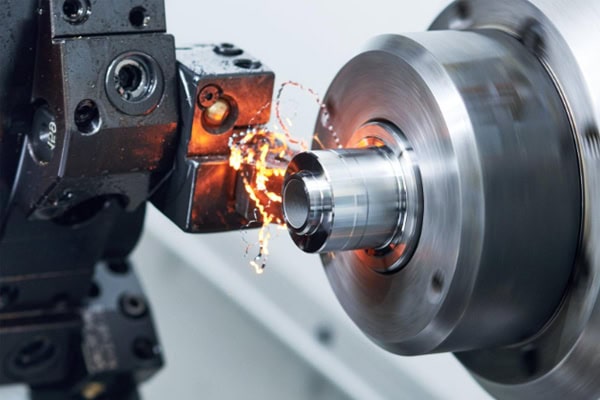
Strengthen Dimensional Accuracy Inspection
Carbon steel components often require strict dimensional control. Professional measuring equipment is needed to verify machining results.
- Inspect external dimensions
- Measure length specifications
- Verify hole accuracy
- Check geometric tolerances
- Record machining data
- Maintain batch consistency
Complete dimensional inspection reduces quality risks and improves product reliability.
Analyze Production Data to Optimize Processes
Modern CNC machining increasingly relies on production data management. By recording machining parameters and inspection results, manufacturers can continuously improve production procedures.
- Collect machining data
- Analyze quality changes
- Adjust process parameters
- Optimize tool management
- Improve production efficiency
- Reduce manufacturing costs
Data-based management helps companies establish more stable and efficient carbon steel machining systems.
Carbon Steel CNC Turning Process Optimization Supports Manufacturing Development
Carbon steel CNC turning optimization includes material analysis, process planning, tool selection, parameter adjustment, cooling management, and quality inspection. Through scientific production planning, manufacturers can improve component accuracy, reduce production waste, and increase manufacturing efficiency.
With the continuous development of smart manufacturing technologies, automated equipment, online inspection systems, and digital production management solutions are increasingly applied in CNC turning operations. In the future, carbon steel CNC turning will continue developing toward higher efficiency, lower costs, and more stable quality, providing reliable precision machining solutions for mechanical manufacturing, automotive industries, and industrial equipment production.