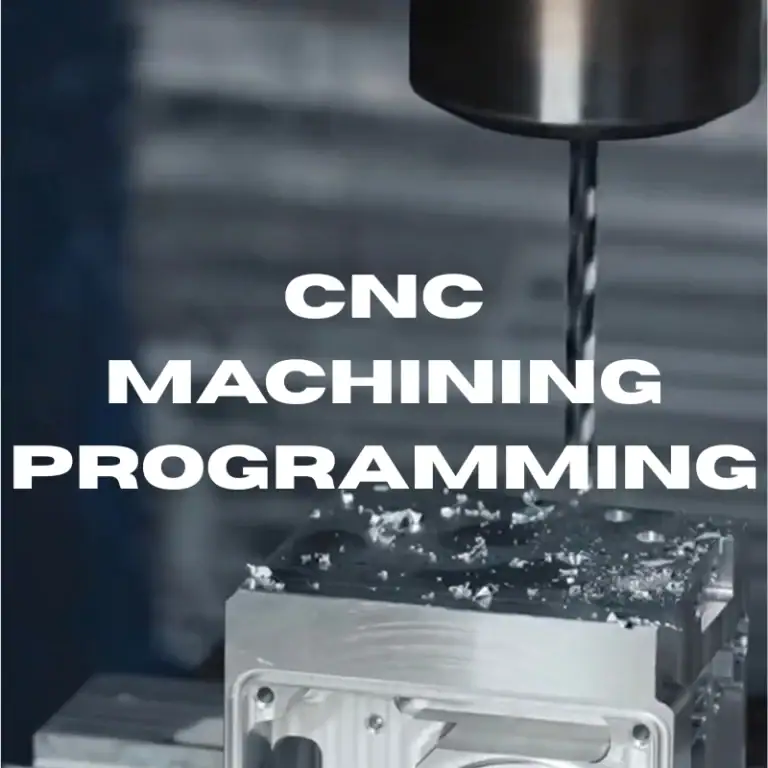
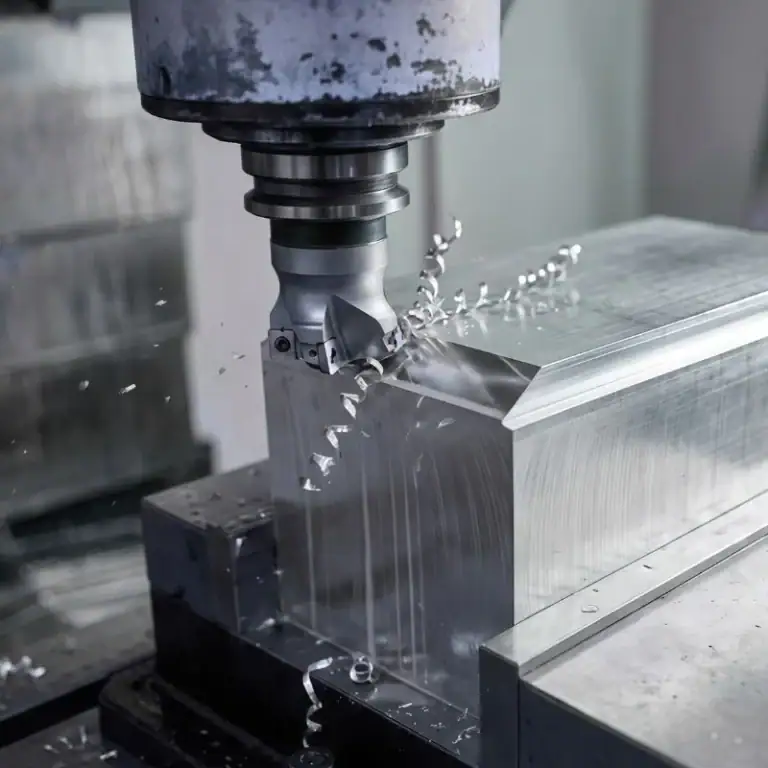
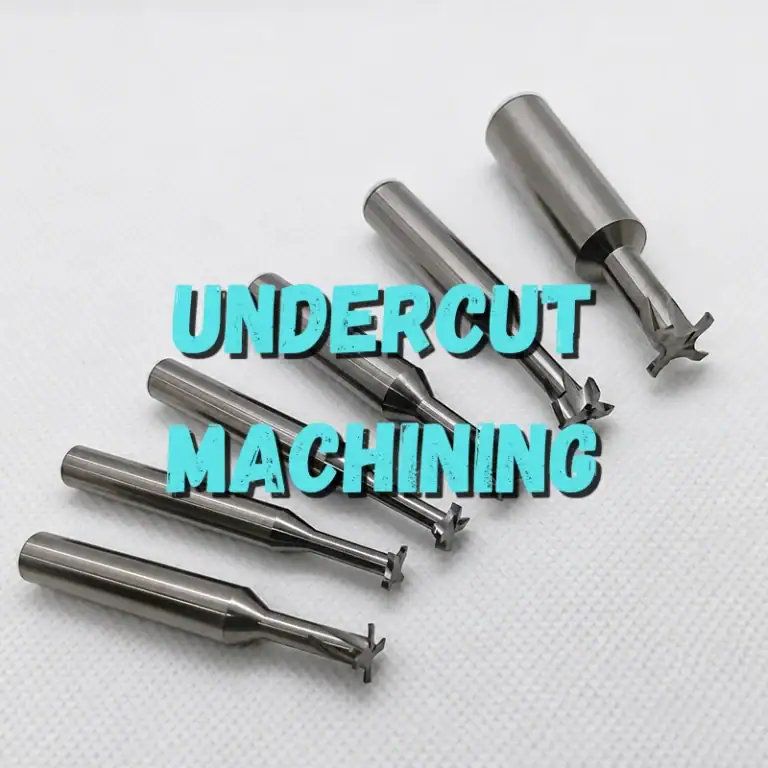
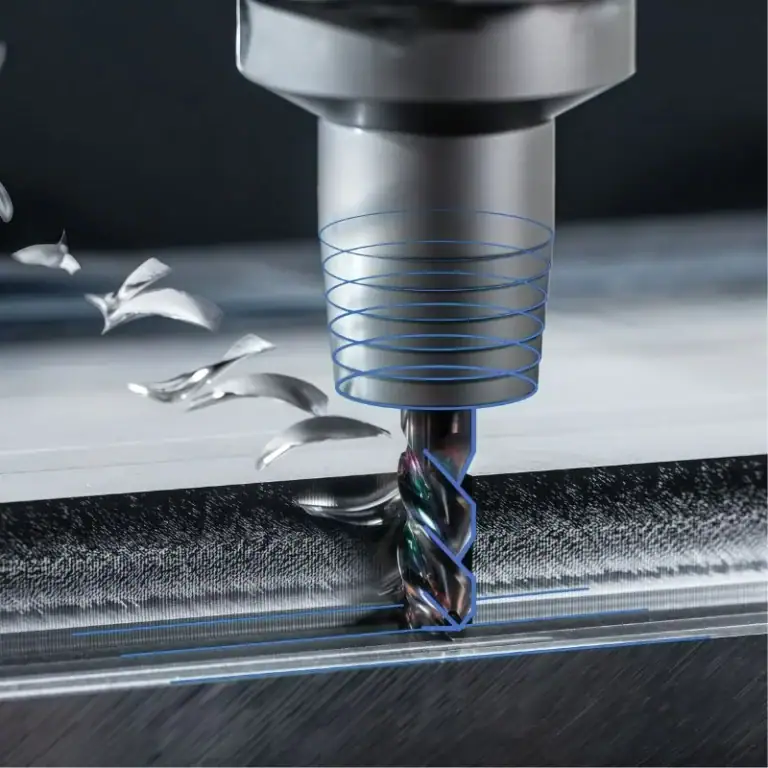
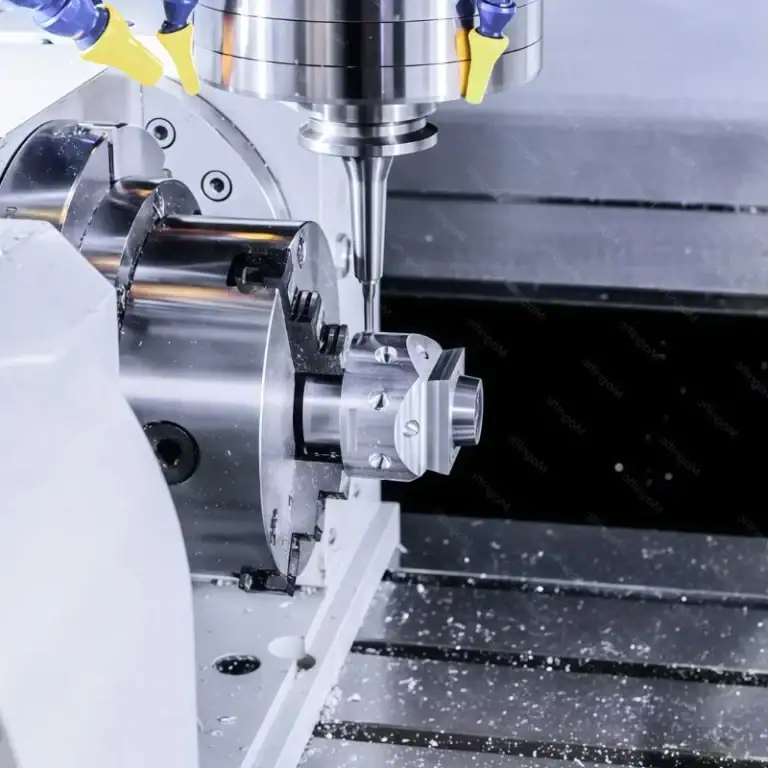
With the continuous development of modern manufacturing toward higher precision, greater efficiency, and intelligent production, traditional CNC turning methods are becoming insufficient for many complex component manufacturing requirements. More manufacturers are adopting multi-axis CNC turning technology to improve machining capabilities and shorten production cycles. Multi-axis CNC turning uses coordinated control of multiple movement axes to manage the relative positions between cutting tools and workpieces, allowing machines to complete more complex machining operations.
Compared with standard CNC turning equipment, multi-axis CNC turning can perform not only basic operations such as external diameter turning, facing, internal hole machining, and threading, but also milling, drilling, tapping, slot machining, and complex surface processing. This technology allows multiple processes to be completed within a single setup, reducing the time required for workpiece transfer between machines while minimizing positioning errors.
In industries such as aerospace, automotive manufacturing, medical equipment, automation systems, and energy equipment, many components feature complex structures, strict dimensional requirements, and difficult-to-machine materials. Multi-axis CNC turning provides reliable manufacturing capabilities for these demanding applications and helps companies improve production efficiency and product competitiveness.
Multi-Axis CNC Turning Improves Complex Component Machining Capability
Complex components often contain multiple machining areas, special contours, and precision fitting structures. Traditional machining methods usually require repeated setups and multiple machines to complete production. Increasing machining steps not only extends manufacturing time but may also introduce positioning errors that affect final product quality.
Multi-axis CNC turning uses multi-axis control systems to enable flexible tool movement and continuous machining of complex structures. Through optimized tool paths and coordinated axis movements, manufacturers can produce component designs that are difficult to achieve with conventional equipment.
Enables Continuous Multi-Surface Machining
Multi-axis CNC lathes can control movement in multiple directions, allowing cutting tools to quickly reach different areas of a workpiece without frequent removal and repositioning.
- Reduce repeated workpiece setups
- Lower risks caused by changing machining references
- Improve multi-surface machining continuity
- Shorten component production time
- Reduce manual adjustments
- Enhance machining stability
Multi-surface machining capability makes complex shaft components, precision connectors, and advanced mechanical parts easier and more efficient to manufacture.
Supports Complex Surface and Special Structure Machining
Some high-precision components feature irregular curves, angled holes, and complicated contours. When using standard three-axis equipment, machining these structures can be limited by tool access angles. Multi-axis CNC turning allows tools to maintain more suitable cutting positions through coordinated movement control.
- Machine complex curved structures
- Complete angled hole machining
- Improve surface machining quality
- Reduce manual finishing operations
- Meet special design requirements
- Improve component consistency
The ability to process complex geometries expands the application range of CNC turning technology in advanced manufacturing.
Multi-Axis CNC Turning Reduces Setup Operations and Improves Accuracy
During precision component manufacturing, workpiece setup methods directly influence machining results. Traditional processes often require multiple position adjustments, and each repositioning operation may introduce additional errors. For components with several precision features, accumulated positioning errors can affect assembly performance.
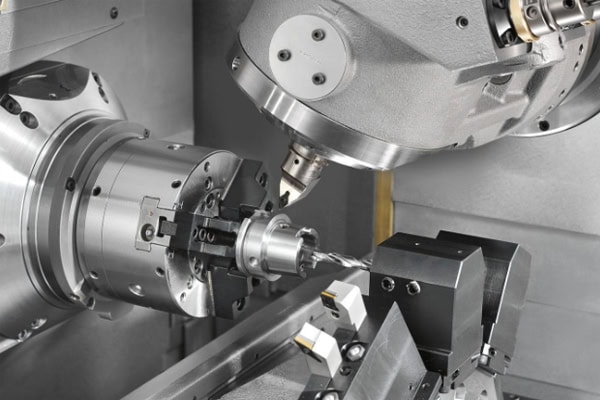
Multi-axis CNC turning completes more machining operations within a single setup, allowing the component to maintain a stable position throughout production. This approach improves machining reference consistency, enhances dimensional accuracy, and reduces adjustment time during manufacturing.
Complete Multiple Processes in One Setup
Multi-axis machines can integrate turning, milling, drilling, tapping, and other operations into one machining cycle, creating a more efficient production workflow.
- Reduce workpiece movement
- Minimize repeated positioning errors
- Maintain consistent machining references
- Improve dimensional accuracy
- Reduce equipment transfer time
- Increase production efficiency
Single-setup machining provides significant advantages for high-precision components, especially in aerospace parts, medical components, and precision mechanical products.
Improve Batch Production Consistency
During mass production, every component must maintain the same dimensions and performance standards. Multi-axis CNC turning relies on programmed control to maintain stable machining conditions and reduce differences caused by manual operations.
- Standardize machining parameters
- Maintain stable component dimensions
- Reduce human errors
- Minimize rework requirements
- Improve production acceptance rates
- Simplify quality management
Stable production consistency helps manufacturers meet long-term batch production requirements.
Multi-Axis CNC Turning Improves Production Efficiency and Reduces Manufacturing Costs
Manufacturers continuously seek shorter delivery times and higher production efficiency. Multi-axis CNC turning reduces auxiliary operations, optimizes machining procedures, and improves equipment utilization, helping lower manufacturing costs per component.
Compared with conventional production methods, multi-axis equipment reduces the need for transferring components between different machines, allowing more production time to be used for actual cutting operations and improving overall equipment efficiency.
Reduce Machining Process Transfers
In traditional manufacturing, a single component may require separate turning, milling, and drilling equipment. Multi-axis CNC turning integrates more machining operations into one machine.
- Reduce machine switching
- Lower transportation time
- Shorten production procedures
- Reduce waiting periods
- Improve equipment utilization
- Accelerate order delivery
Process integration helps companies optimize production scheduling and improve overall manufacturing efficiency.
Stronger Automation Capability
Modern multi-axis CNC equipment is often equipped with automatic tool changers, automatic feeding systems, and intelligent monitoring functions, enabling continuous production.
- Support automated machining
- Reduce manual operations
- Lower labor intensity
- Increase machine operating time
- Improve production stability
- Suitable for high-volume manufacturing
Improved automation capabilities allow manufacturers to better handle large production demands.
Multi-Axis CNC Turning Supports Various High-Performance Materials
Modern industries require materials with increasingly advanced properties. Titanium alloys, stainless steel, aluminum alloys, and high-temperature alloys are widely used in advanced component manufacturing. Although these materials provide excellent performance, they are often more difficult to machine.
With high-rigidity structures, precise motion control, and optimized tool paths, multi-axis CNC turning can successfully process various challenging materials.
Suitable for Aerospace Material Machining
Aerospace components often require high strength, lightweight characteristics, and excellent temperature resistance. Titanium alloys and high-temperature alloys are commonly used in these applications.
- Machine titanium alloy components
- Produce aerospace shaft parts
- Control material deformation
- Maintain dimensional accuracy
- Improve machining stability
- Meet aerospace manufacturing standards
Multi-axis machining technology helps aerospace manufacturers improve their ability to produce complex components.
Supports Medical Precision Component Manufacturing
Medical devices and implant products require strict dimensional accuracy and surface quality. Multi-axis CNC turning can meet the requirements of miniature components and complex structures.
- Medical implant machining
- Precision connector manufacturing
- Small shaft component production
- High-precision component processing
- Maintain surface quality
- Improve product reliability
Precision machining capability makes multi-axis CNC turning an important technology in medical manufacturing.
Multi-Axis CNC Turning Promotes Smart Manufacturing Development
With the continuous advancement of smart factory technologies, manufacturers are paying increasing attention to digital management and automated production. Multi-axis CNC turning is not only a machining technology but also an important part of modern intelligent manufacturing systems.
By connecting production management systems, online inspection equipment, and data analysis platforms, multi-axis CNC machines can monitor machining processes and improve production transparency.

Supports Digital Production Management
Modern multi-axis CNC equipment can collect machining data and provide information for process improvement and quality control.
- Collect machining parameters
- Monitor machine conditions
- Enable quality traceability
- Optimize production planning
- Improve management efficiency
- Reduce production risks
Digital management helps companies establish more stable and efficient manufacturing systems.
Improve Overall Business Competitiveness
Multi-axis CNC turning enables companies to complete more complex orders and increase product value.
- Shorten product development cycles
- Improve delivery speed
- Expand machining capabilities
- Reduce manufacturing costs
- Enhance product quality
- Strengthen market competitiveness
As manufacturing technology continues to advance, multi-axis CNC turning will play an increasingly important role in high-end industrial production.
Multi-Axis CNC Turning Supports Precision Manufacturing Upgrades
Multi-axis CNC turning has become an essential technology in modern CNC manufacturing due to its complex component machining capability, high precision performance, efficient production model, and automation advantages. Compared with traditional machining methods, multi-axis equipment reduces setup operations, improves dimensional stability, and meets the growing demand for rapid production of complex components.
In the future, with continued advancements in intelligent control systems, automated inspection technology, and advanced cutting tools, multi-axis CNC turning will continue moving toward higher precision, greater efficiency, and smarter manufacturing. It will provide more reliable precision machining solutions for aerospace, automotive manufacturing, medical equipment, industrial automation, and other advanced industries.