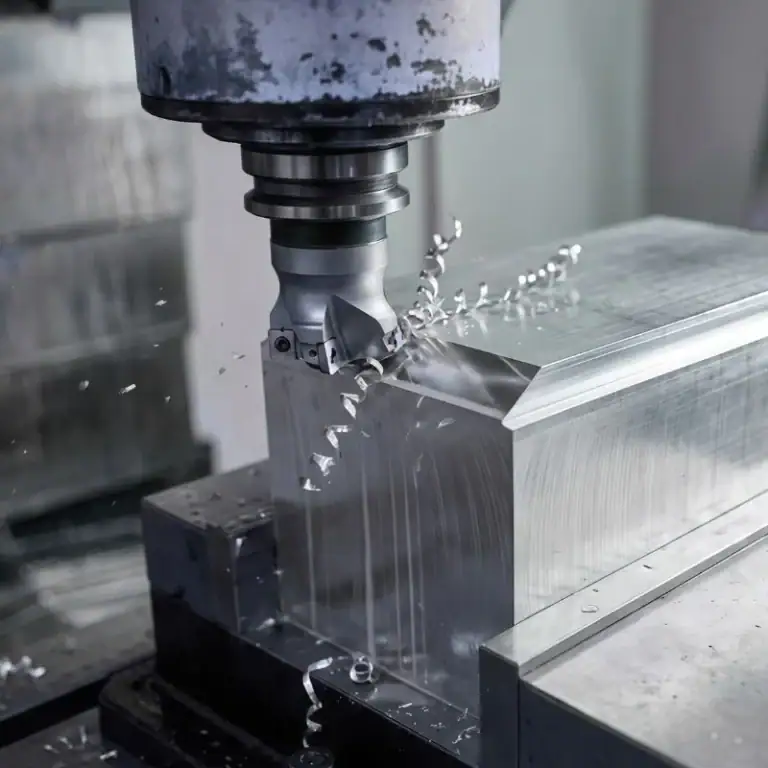
CNC turning is one of the most widely used precision manufacturing technologies in modern industries. By using computer numerical control systems to manage machine movements, CNC turning allows cutting tools to accurately remove material from rotating workpieces according to programmed paths. Compared with traditional turning methods, CNC turning provides higher machining accuracy, more stable production quality, and stronger mass production capabilities. It is widely used in automotive components, aerospace parts, medical equipment, electronic products, industrial machinery, and automation systems.
A complete CNC turning process includes several important stages, such as engineering drawing analysis, process planning, CNC programming, tool preparation, machine setup, machining operations, inspection, and final delivery. Each stage directly affects the dimensional accuracy, surface finish, and production efficiency of the finished components. Establishing a standardized machining workflow helps improve manufacturing stability, reduce production errors, and meet the precision requirements of different industries.
Drawing Analysis and Machining Plan Development
Before CNC turning begins, engineers need to carefully analyze part drawings and develop suitable machining strategies based on component structure, material characteristics, dimensional requirements, and tolerance specifications. Proper process planning helps identify potential machining challenges in advance and allows manufacturers to select suitable equipment, cutting tools, and machining parameters.
Analyze Part Structure Characteristics
Component geometry determines machining methods and tool movement paths. Engineers need to evaluate external profiles, holes, threads, special features, and critical dimensions according to design requirements.
- Confirm dimensional requirements
- Identify machining difficulties
- Determine clamping methods
- Plan machining sequences
- Define critical precision areas
- Evaluate machining risks
A complete structural analysis reduces process adjustments during production and improves overall machining stability.
Select Materials and Machining Requirements
Different materials have different machining characteristics. For example, aluminum alloys are easier to cut, while stainless steel and titanium alloys require more advanced machining strategies.
- Identify material type
- Understand material hardness
- Select suitable cutting tools
- Set machining parameters
- Define surface finish requirements
- Control machining allowance
Understanding material properties accurately improves machining efficiency and extends cutting tool life.
CNC Programming and Machining Preparation
After completing process planning, the machining strategy must be converted into CNC programs that the machine can understand. Program quality directly influences tool movement paths, machining efficiency, and final component accuracy.
Develop CNC Machining Programs
CNC programs control machine operations, including spindle rotation, tool movement, feed rates, and automatic tool changes.
- Establish machining coordinate systems
- Create tool paths
- Set spindle speeds
- Adjust feed rates
- Develop machining cycles
- Optimize cutting routes
Well-designed CNC programs reduce unnecessary movements and improve machine productivity.
Prepare Cutting Tools and Fixtures
Cutting tools and fixtures are essential for maintaining machining stability. Proper selection based on component requirements helps improve accuracy and production reliability.
- Prepare turning tools
- Check tool wear
- Set tool compensation
- Select suitable fixtures
- Confirm clamping stability
- Verify positioning accuracy
Proper tool and fixture preparation reduces vibration and improves finished component quality.
Machine Setup and Cutting Parameter Adjustment
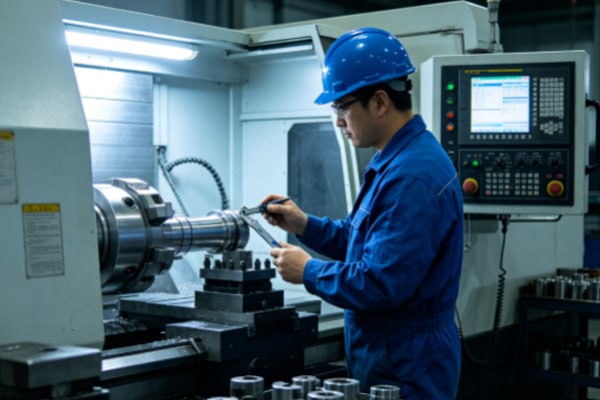
After programming and preparation are completed, the CNC machine must be configured and tested to ensure stable operation. Proper parameter settings directly influence machining efficiency and product quality.
Establish Workpiece Coordinate Systems
Before machining begins, the workpiece zero point must be accurately defined to ensure that tool movements match the actual machining position.
- Calibrate workpiece position
- Set coordinate origin
- Verify tool position
- Adjust compensation values
- Confirm program operation
- Prevent machining errors
Accurate coordinate setup reduces dimensional deviations and improves machining reliability.
Optimize Cutting Parameters
Cutting parameters, including cutting speed, feed rate, and depth of cut, must be adjusted according to material properties and tool performance.
- Control cutting speed
- Adjust feed rate
- Set cutting depth
- Reduce machining vibration
- Manage cutting temperature
- Improve machining efficiency
Scientific parameter optimization achieves a balance between productivity and component quality.
CNC Turning Machining Operations
After machine setup is completed, the production stage begins. The CNC machine automatically removes material according to programmed instructions, gradually forming the final component shape.
Rough Machining Stage
Rough machining focuses on quickly removing excess material from the raw stock and creating the basic component profile.
- Remove machining allowance quickly
- Improve material removal efficiency
- Control tool load
- Maintain machine stability
- Create basic geometry
- Reduce finishing workload
A properly planned rough machining process improves overall production efficiency and creates better conditions for finishing operations.
Finishing Machining Stage
Finishing operations achieve final dimensions and surface requirements. This stage requires higher precision control and stable cutting conditions.
- Achieve final dimensions
- Improve surface finish
- Maintain geometric accuracy
- Reduce dimensional errors
- Meet assembly requirements
- Improve product quality
Finishing quality directly determines final component performance and requires careful control of machining conditions.
Machining Inspection and Quality Control
After CNC turning is completed, finished components must undergo detailed inspection to verify compliance with engineering specifications. Quality inspection identifies machining issues and provides valuable information for improving future production processes.
Dimensional Accuracy Inspection
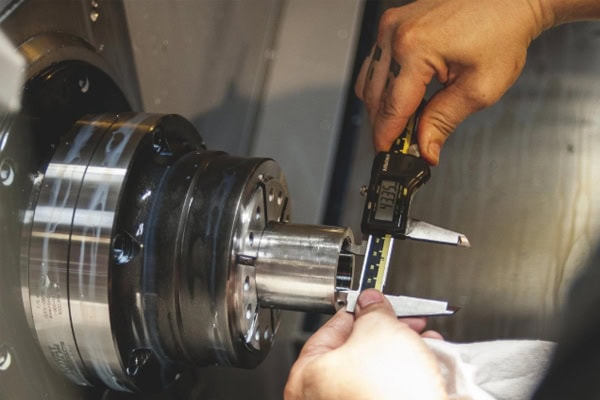
Dimensional inspection uses precision measuring equipment to confirm whether critical component dimensions meet drawing requirements.
- Inspect external diameters
- Measure length specifications
- Check hole accuracy
- Verify tolerance ranges
- Record inspection data
- Maintain batch consistency
Accurate dimensional inspection improves product acceptance rates and ensures reliable component performance.
Surface Quality Inspection
Surface condition affects appearance, assembly performance, and service life. Finished components require strict surface inspection before delivery.
- Measure surface roughness
- Check machining marks
- Inspect burr conditions
- Identify surface defects
- Confirm machining quality
- Improve product reliability
Comprehensive surface inspection ensures components meet high manufacturing standards.
Final Processing and Delivery Management
After inspection approval, components require cleaning, protection, and packaging to maintain quality during transportation and future use.
Cleaning and Protection Treatment
Machined components may contain coolant residue, metal chips, and processing contaminants that need to be removed before delivery.
- Remove machining residue
- Deburr component edges
- Clean surface oil
- Apply rust protection
- Maintain component condition
- Improve delivery quality
Proper post-processing improves customer experience and protects finished products.
Packaging and Final Delivery
After final approval, components enter the delivery stage. Appropriate packaging methods should be selected according to component characteristics.
- Prevent transportation damage
- Protect machined surfaces
- Label product information
- Provide inspection documents
- Ensure delivery safety
- Improve service quality
Effective delivery management ensures products smoothly enter assembly or production processes.
CNC Turning Processes Support Precision Manufacturing Development
The CNC turning workflow covers the complete manufacturing process from drawing analysis, programming, machine setup, machining operations, inspection, and product delivery. A scientific and efficient workflow improves production efficiency, ensures component accuracy, and reduces quality risks during manufacturing.
With the continuous development of smart manufacturing technologies, automated equipment, in-process inspection systems, and digital production management solutions are increasingly integrated into CNC turning operations. These technologies make machining processes more efficient, accurate, and stable. In the future, CNC turning will continue to play an important role in precision component manufacturing and provide reliable machining solutions for industries worldwide.