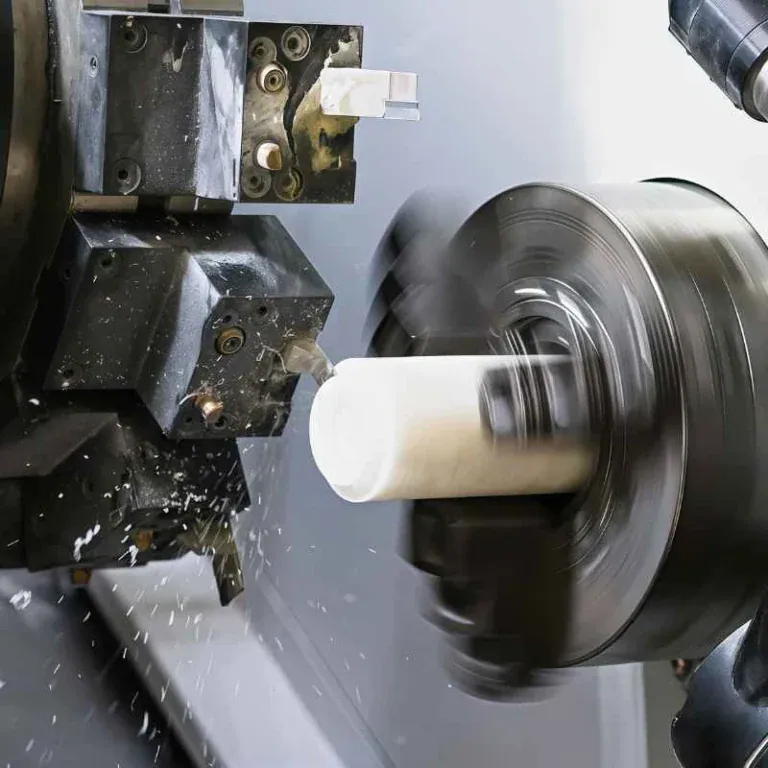
CNC turning has become one of the most important machining technologies in modern manufacturing. As CNC technology, automation, and intelligent manufacturing continue to advance, an increasing number of industries rely on CNC turning services to produce high-precision components. Compared with conventional machining methods, CNC turning uses digitally controlled machine movements to achieve consistent dimensions, high production efficiency, and excellent repeatability. It also supports the manufacture of complex geometries, prototype parts, custom components, and high-volume production with outstanding reliability.
Today, CNC turning is no longer limited to standard mechanical parts. It is widely used in aerospace, automotive manufacturing, medical equipment, electronics, telecommunications, energy systems, and industrial automation. Each industry has unique requirements for dimensional accuracy, material performance, surface finish, and delivery time. CNC turning services provide flexible machining solutions that meet these demanding production standards while maintaining consistent product quality.
Aerospace Industry Widely Uses CNC Turning Services
Aerospace components operate under extreme temperatures, high pressure, heavy mechanical loads, and demanding environments. Critical parts require exceptional dimensional accuracy, concentricity, surface finish, and material integrity. Many aerospace components are manufactured from titanium alloys, heat-resistant alloys, stainless steel, and high-strength aluminum alloys, all of which require advanced machining technologies. CNC turning delivers the precision and repeatability necessary for aerospace manufacturing.
Engine and Transmission Component Machining
Aircraft engines contain numerous rotating components that require exceptional dimensional accuracy and long-term operational stability.
- Aircraft engine shafts
- Rotor components
- Precision connectors
- High-temperature alloy parts
- Bearing seat structures
- Aerospace transmission components
High-precision turning ensures proper assembly while improving engine reliability and operational performance.
Aerospace Structural Component Manufacturing
Modern aircraft emphasize lightweight structures without sacrificing strength. CNC turning efficiently produces precision structural components that satisfy demanding aerospace standards.
- Precision flanges
- Aerospace connectors
- Hydraulic system components
- Flight control components
- Precision sleeves
- Special structural parts
Consistent machining quality enables manufacturers to meet strict aerospace certification requirements.
Automotive Manufacturing Depends Heavily on CNC Turning
The automotive industry is one of the largest users of CNC turning technology. Engines, transmissions, chassis systems, and electric vehicle drive systems all require precision-machined components. As electric vehicles continue to expand globally, manufacturers demand even higher machining accuracy, production efficiency, and batch consistency.
Engine Core Component Manufacturing
Engine components require precise dimensions and excellent wear resistance to ensure stable power output and long service life.
- Crankshaft machining
- Camshaft machining
- Piston pin production
- Precision sleeve manufacturing
- Engine connection components
- Turbocharger shaft machining
Precision turning improves engine efficiency, durability, and overall vehicle performance.
Electric Vehicle Component Production
Electric vehicles require lightweight designs, efficient power transmission, and precision manufacturing throughout the drivetrain.
- Motor shaft machining
- Battery connection components
- Thermal management components
- Precision housing production
- Conductive connectors
- Drive system components
Stable and efficient production supports the rapidly growing electric vehicle industry.
Medical Industry Relies on High-Precision CNC Turning
Medical products directly influence patient safety and treatment effectiveness. Both medical devices and implantable components require exceptional dimensional accuracy and superior surface finishes. CNC turning provides the precision needed for miniature and highly complex medical components.
Medical Implant Manufacturing
Implants are commonly manufactured from titanium alloys and medical-grade stainless steel, requiring extremely strict machining standards.
- Orthopedic implants
- Dental implants
- Medical connectors
- Precision sleeves
- Surgical components
- Miniature shaft parts
Consistent machining accuracy improves product safety and long-term reliability.
Medical Equipment Component Production
Modern medical equipment contains numerous precision mechanical components that require accurate fitting and reliable operation.
- Diagnostic equipment components
- Medical imaging components
- Surgical instrument parts
- Automated medical assemblies
- Precision drive components
- High-accuracy connection structures
Reliable machining performance supports the strict quality standards of the medical industry.
Industrial Automation and Electronics Continue Expanding CNC Turning Applications
Rapid growth in industrial automation and electronics manufacturing has significantly increased demand for precision-machined components. Automation equipment requires reliable long-term operation, while electronic products demand lightweight construction, compact designs, and precise assembly. CNC turning satisfies these manufacturing requirements with excellent consistency.
Automation Equipment Core Components
Modern automated production systems depend on precision mechanical transmission and motion control components.
- Precision shafts
- Guide components
- Mechanical connectors
- Drive system parts
- Automation modules
- Precision support structures
Consistent machining quality ensures stable long-term equipment operation.
Electronics and Communication Components
Continuous development of communication equipment and consumer electronics drives demand for precision metal components.
- Communication connectors
- Metal housings
- Antenna components
- Heat dissipation parts
- Precision brackets
- Functional connection components
High-precision manufacturing improves electronic product quality and assembly efficiency.
Energy Equipment and Industrial Machinery Continue Driving CNC Turning Demand
Energy systems and industrial machinery often operate under heavy mechanical loads and continuous service conditions. Components require excellent strength, wear resistance, and dimensional stability. CNC turning manufactures shafts, connectors, and heavy-duty mechanical parts with outstanding precision and reliability.
Energy Equipment Component Manufacturing
Renewable energy, power generation, and oil and gas equipment require numerous precision-machined components.
- Valve components
- Pipeline connectors
- Pump shafts
- Energy equipment flanges
- Sealing structures
- High-pressure connection assemblies
Precision machining improves equipment safety and operational reliability.
Industrial Machinery Component Manufacturing
Mechanical manufacturing continues to require large quantities of high-quality standard components and transmission parts.
- Couplings
- Precision shafts
- Sleeves
- Industrial flanges
- Hydraulic system components
- Automated equipment assemblies
Reliable high-volume machining capability helps manufacturers improve productivity while reducing production costs.
CNC Turning Services Meet the Demands of Modern Manufacturing
As manufacturing technology continues advancing, more industries are selecting CNC turning services for precision component production. Aerospace, automotive, medical equipment, industrial automation, electronics, telecommunications, and energy equipment all require high-precision, efficient, and reliable machining capabilities. CNC turning supports complex component manufacturing while meeting the needs of prototype development, custom production, and large-scale manufacturing.
Looking ahead, continued advances in smart manufacturing, digital production management, automation, and advanced CNC equipment will further expand the applications of CNC turning services. Manufacturers will continue benefiting from faster production, improved precision, lower costs, and greater flexibility, allowing CNC turning to remain one of the most important technologies in modern precision manufacturing.