Stainless steel CNC turning is one of the most widely used machining processes for manufacturing precision stainless steel components. Thanks to its excellent corrosion resistance, high strength, and outstanding mechanical properties, stainless steel is extensively used in medical devices, food processing equipment, aerospace components, automotive manufacturing, energy systems, and industrial machinery. Compared with ordinary carbon steel, however, stainless steel has lower thermal conductivity, a strong tendency to work harden, and higher cutting resistance. These characteristics place greater demands on CNC equipment, cutting tools, machining parameters, and process control.
If machining strategies are not properly planned, stainless steel turning can result in rapid tool wear, excessive vibration, poor surface finish, and dimensional inaccuracies. By selecting suitable cutting tools, optimizing machining parameters, improving cooling performance, and strengthening process control, manufacturers can significantly improve machining stability, extend tool life, and consistently produce high-quality precision components.
Understand the Characteristics of Stainless Steel
Various grades of stainless steel differ significantly in hardness, toughness, and machinability. Before CNC turning begins, manufacturers should evaluate the material properties and establish appropriate machining strategies to avoid production difficulties caused by unsuitable process selection.
Stainless Steel Generates High Cutting Heat
Because stainless steel has relatively poor thermal conductivity, heat generated during machining is not easily transferred away from the cutting zone. As a result, a large amount of heat concentrates around the cutting edge, causing rapid temperature increases.
- Higher cutting edge temperature
- Faster tool wear
- Shorter tool life
- Increased risk of thermal deformation
- Reduced surface quality
- Lower machining stability
Maintaining suitable cutting speeds together with effective cooling systems helps stabilize cutting temperatures and improve machining performance.
Work Hardening Reduces Machining Efficiency
Stainless steel has excellent ductility, which makes it susceptible to work hardening during machining. When the cutting tool repeatedly machines hardened material, cutting resistance increases and tool wear accelerates.
- Increased cutting resistance
- Higher tool loading
- Greater cutting edge wear
- Reduced machining efficiency
- Increased vibration
- Lower dimensional accuracy
Optimizing machining parameters and preventing repeated cutting in the same area can effectively reduce the effects of work hardening.
Cutting Tool Selection Determines Machining Quality
Cutting tools play a decisive role in stainless steel machining. Because stainless steel places high demands on wear resistance, impact resistance, and thermal stability, selecting the proper cutting tool is essential for maintaining machining quality and production efficiency.
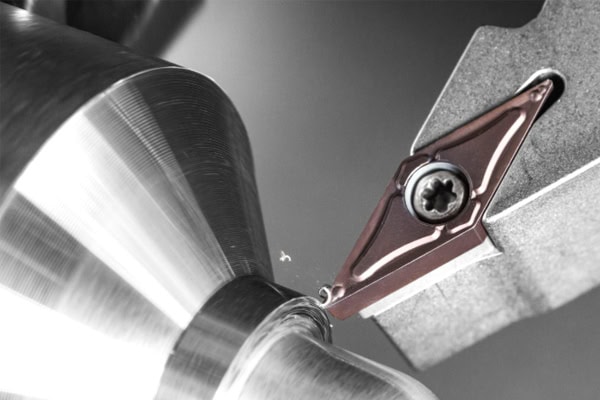
Choose Cutting Tools Designed for Stainless Steel
Different stainless steel grades require different cutting tool materials and geometries. High-performance carbide inserts and coated cutting tools usually provide the best machining performance.
- Use carbide inserts
- Select wear-resistant coated tools
- Choose sharp cutting edges
- Improve thermal resistance
- Reduce cutting friction
- Extend tool life
Proper tool selection maintains stable cutting conditions while improving overall machining quality.
Monitor Tool Wear Continuously
Cutting tool wear directly affects dimensional accuracy and surface finish. During continuous production, tool condition should be inspected regularly to prevent quality problems caused by worn cutting edges.
- Inspect cutting edge wear
- Record tool life
- Monitor surface finish
- Replace worn inserts promptly
- Adjust tool offsets
- Establish tool management procedures
Effective tool management minimizes machine downtime while improving production reliability.
Optimizing Machining Parameters Improves Stability
Successful stainless steel CNC turning requires carefully selected spindle speeds, feed rates, and cutting depths. Improper parameter selection reduces machining efficiency and may rapidly damage cutting tools.
Control Cutting Speed Carefully
Cutting speed directly influences machining temperature and tool life. Stainless steel machining generally requires moderate cutting speeds to prevent excessive heat accumulation.
- Adjust speed according to material
- Avoid excessive cutting speeds
- Maintain stable cutting conditions
- Reduce heat buildup
- Improve continuous machining
- Extend tool service life
Proper cutting speed control helps maintain stable machining performance while improving tool durability.
Optimize Feed Rate and Depth of Cut
Feed rate and cutting depth determine the cutting load applied to the tool and should be adjusted according to material characteristics and component geometry.
- Control cutting volume
- Avoid excessive cutting loads
- Maintain tool strength
- Reduce machining vibration
- Improve surface finish
- Increase machining efficiency
Well-balanced machining parameters provide an excellent combination of productivity and machining quality.
Cooling, Lubrication, and Chip Control Are Essential
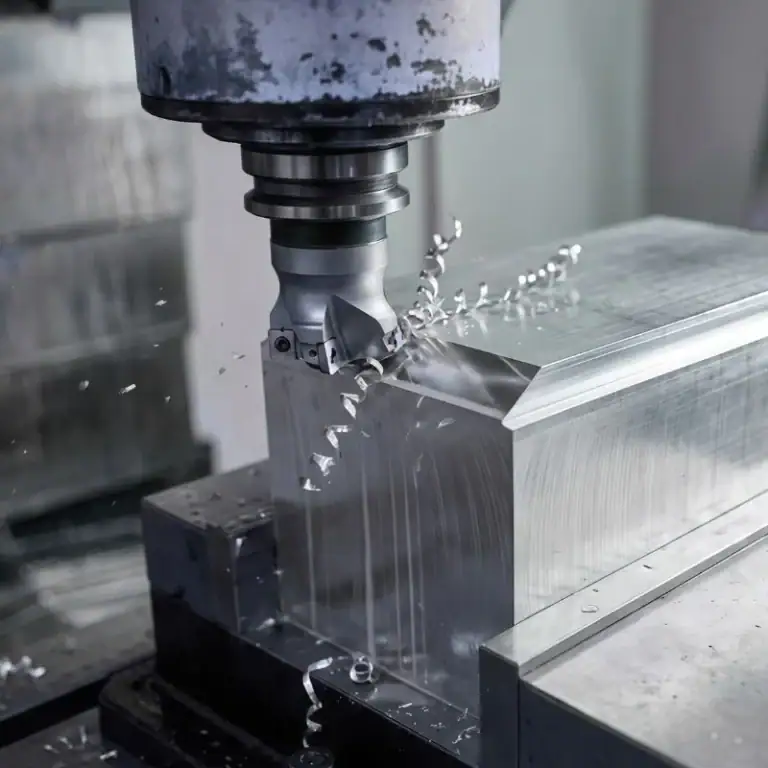
Stainless steel machining generates considerable heat and often produces long, continuous chips. Without effective cooling and chip evacuation, machining performance can deteriorate rapidly. Proper coolant application and chip control significantly improve production stability.
Apply Effective Cooling Methods
Coolant reduces cutting temperature while minimizing friction between the cutting tool and the workpiece.
- Reduce cutting temperature
- Minimize thermal tool damage
- Improve surface finish
- Increase cutting stability
- Extend tool life
- Reduce machining defects
Proper coolant application creates better machining conditions while improving product quality.
Improve Chip Evacuation
Stainless steel chips are generally tough and tend to wrap around cutting tools. Efficient chip evacuation is essential for maintaining continuous machining.
- Optimize chip breaking
- Select proper insert geometry
- Maintain smooth chip evacuation
- Prevent chip entanglement
- Improve machining safety
- Support continuous production
Efficient chip management reduces machining interruptions and increases machine productivity.
Inspection Ensures Stainless Steel Component Quality
Precision stainless steel components are often used in industries with strict reliability requirements. After machining, comprehensive inspection should verify dimensional accuracy, surface finish, and product performance to ensure compliance with engineering specifications.
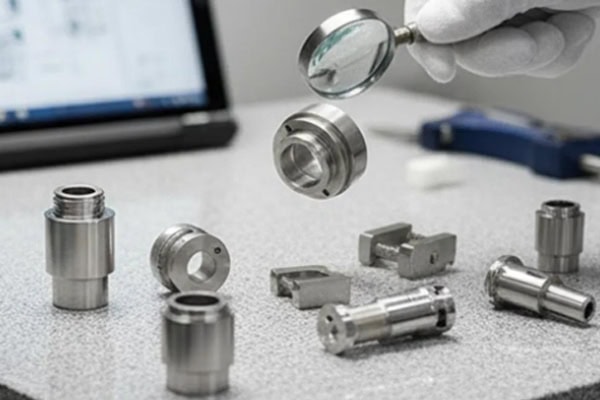
Verify Dimensional Accuracy
Dimensional inspection confirms that finished components satisfy drawing specifications and assembly requirements.
- Measure critical dimensions
- Verify tolerance limits
- Inspect roundness
- Check concentricity
- Record inspection data
- Maintain production consistency
A complete inspection process quickly identifies machining deviations and improves overall product quality.
Inspect Surface Quality
Surface finish influences corrosion resistance, assembly performance, and service life. Comprehensive inspection ensures that finished parts meet customer requirements.
- Measure surface roughness
- Inspect machining marks
- Check for scratches
- Remove burrs
- Verify appearance quality
- Confirm functional performance
Strict surface inspection enhances product reliability and supports demanding industrial applications.
Scientific Machining Strategies Improve Stainless Steel CNC Turning
Although stainless steel is considered a difficult-to-machine material, optimized machining strategies make it possible to achieve stable and efficient precision manufacturing. Proper process planning, appropriate cutting tool selection, optimized machining parameters, effective cooling systems, efficient chip control, and comprehensive quality inspection all contribute to successful machining performance.
As CNC equipment continues to advance, automation technologies and intelligent inspection systems are becoming increasingly integrated into stainless steel machining operations. Modern stainless steel CNC turning can efficiently produce increasingly complex components for medical devices, industrial connectors, aerospace equipment, automotive systems, and precision machinery. With carefully developed machining strategies, manufacturers can improve productivity, reduce manufacturing costs, and consistently deliver reliable, high-quality precision components.